Blog Seeds, Communities and Landscapes: A Journey through Cumbal and Sibundoy
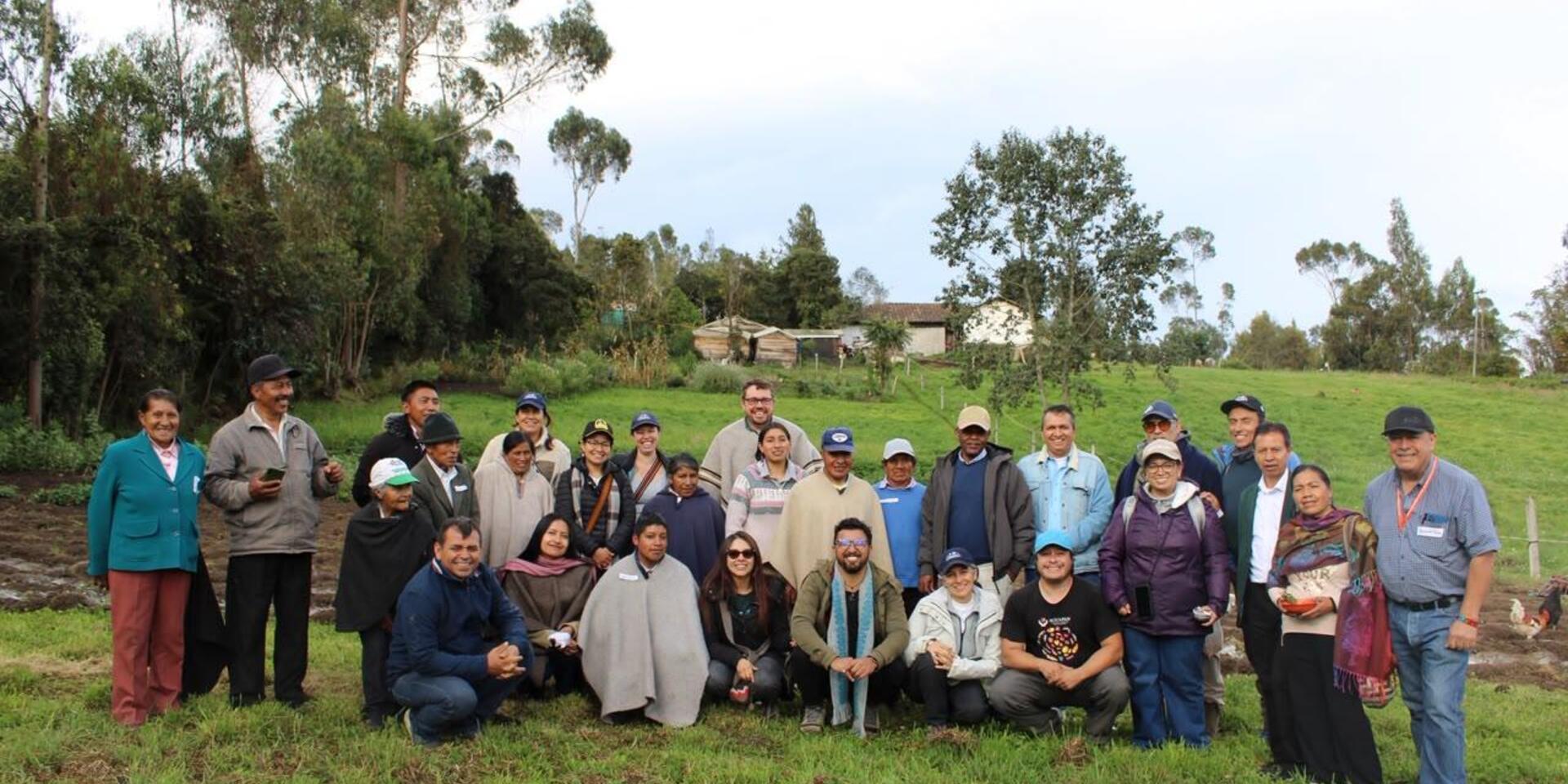

The visit of Lulseged Desta, Director of the CGIAR Science Program on Multifunctional Landscapes, provided an opportunity to learn about agrobiodiversity conservation initiatives, sustainable practices, and community-based work in Nariño and Putumayo.
Amid mountains, traditional crops and ecosystems of great importance for biodiversity, communities and researchers are working to conserve local seeds, strengthen sustainable agricultural practices and keep alive the knowledge associated with caring for the land.
This work was at the heart of Lulseged Desta's visit to Cumbal, Nariño, and the Sibundoy Valley, Putumayo, from October 7 to 10. During his time in the region, he learned about initiatives led by farmers, seed guardians, educational institutions, local organizations, and research teams.
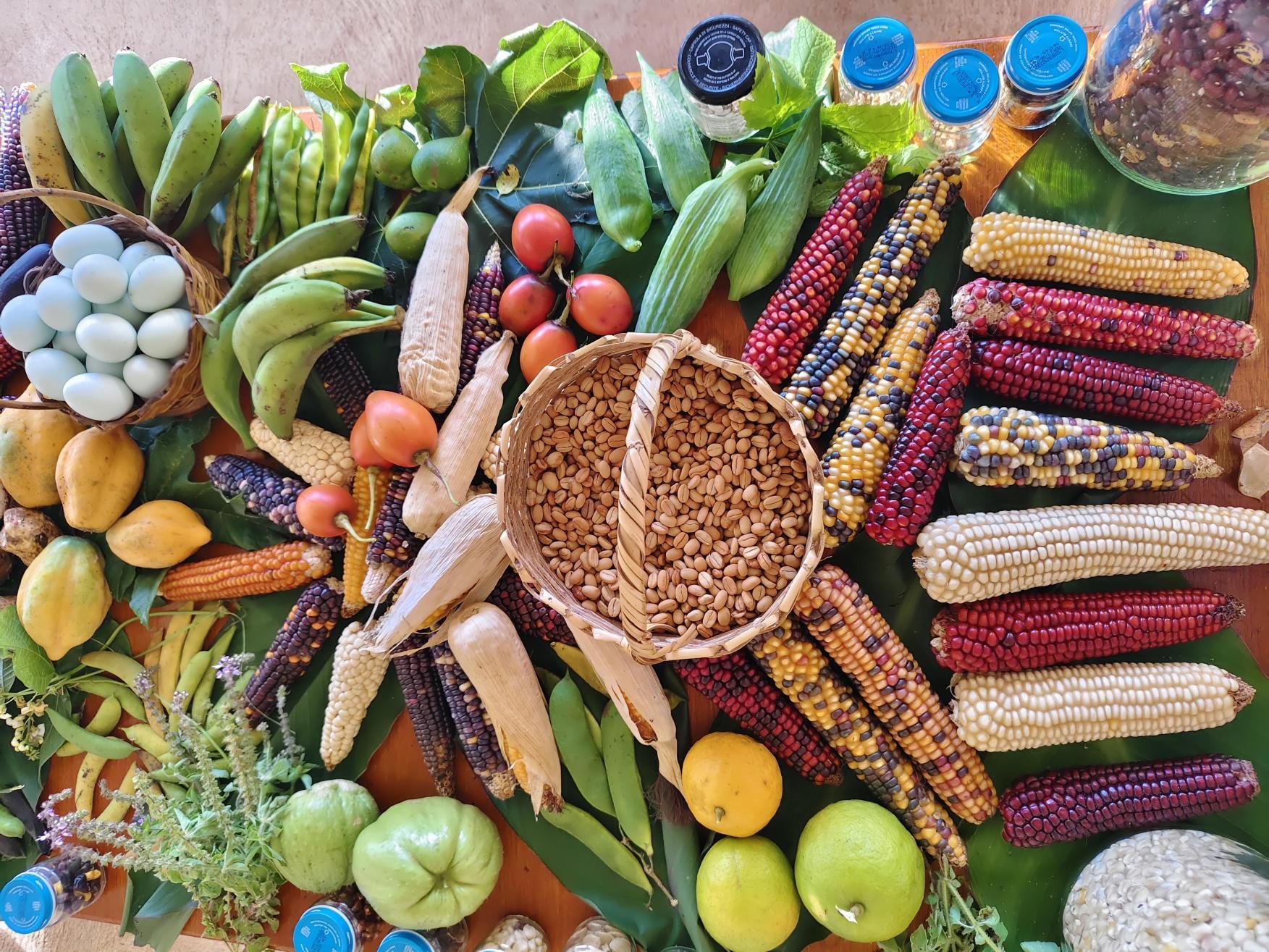
Seeds as living heritage
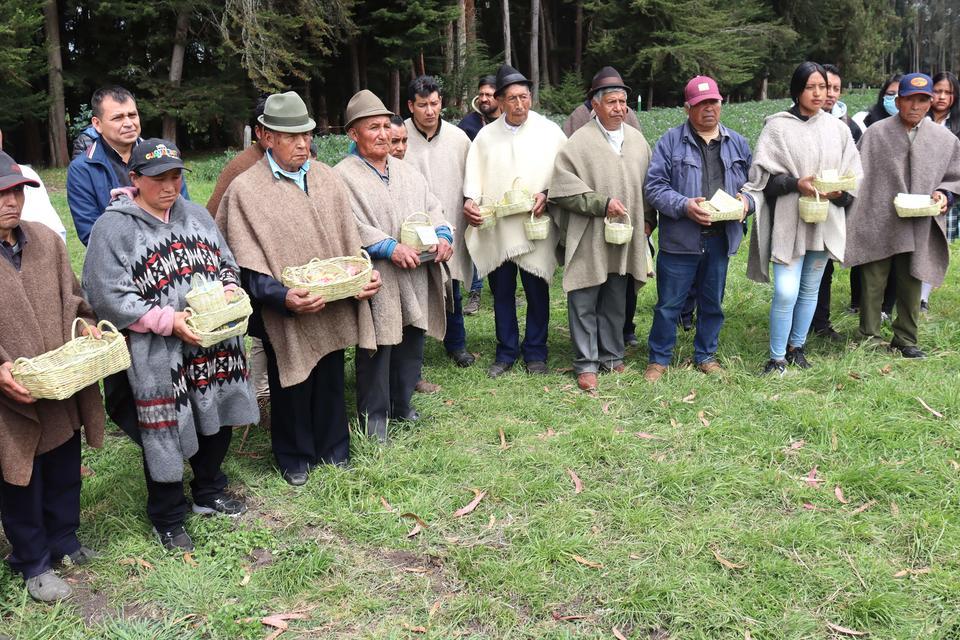
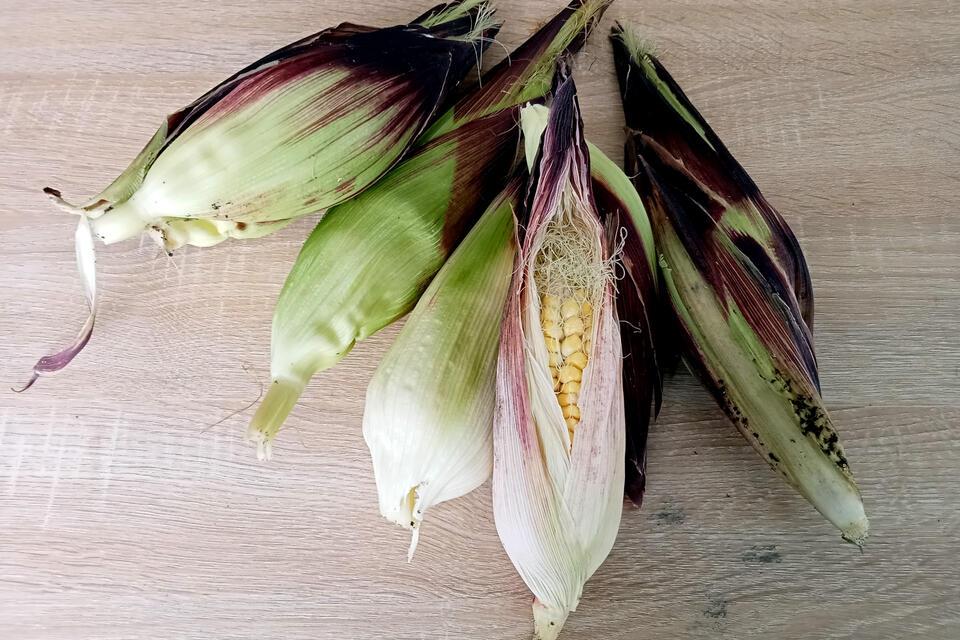
In Cumbal, the visit began at the farm of a seed guardian, in an activity organized in collaboration with the Colombian Agricultural Research Corporation (AGROSAVIA). There, participants exchanged knowledge about local varieties, agrobiodiversity and food traditions, and learned about the cultivation of native potatoes using the traditional guachado method.
The agenda also included the Yar Pue seed bank, linked to Cumbe Educational Institution and the El Talcal seed house, as well as experimental plots managed by farming families. These spaces reflect the efforts of local communities to conserve seeds and keep traditional agricultural knowledge alive.
The journey continued to Llano de Piedras, where, with support from Impulso Verde, the team visited a shagra, a traditional farming system that brings together diverse species and local knowledge.
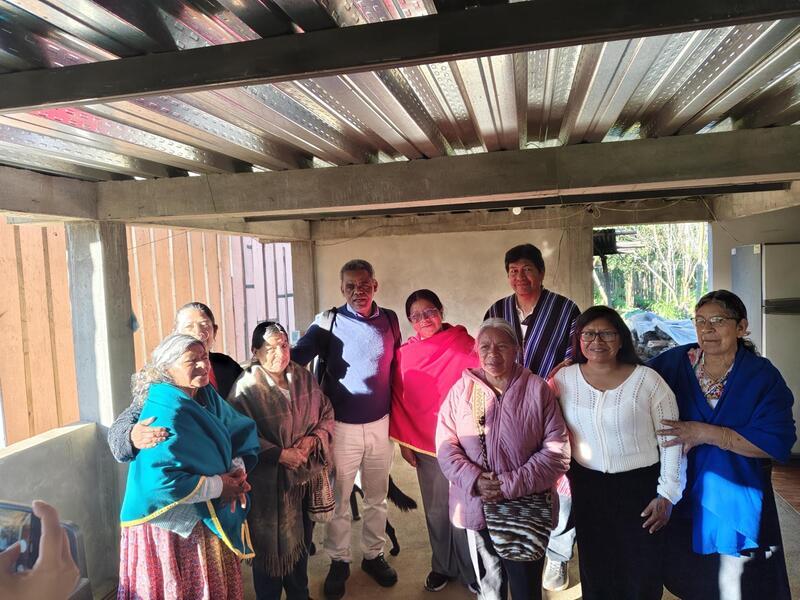
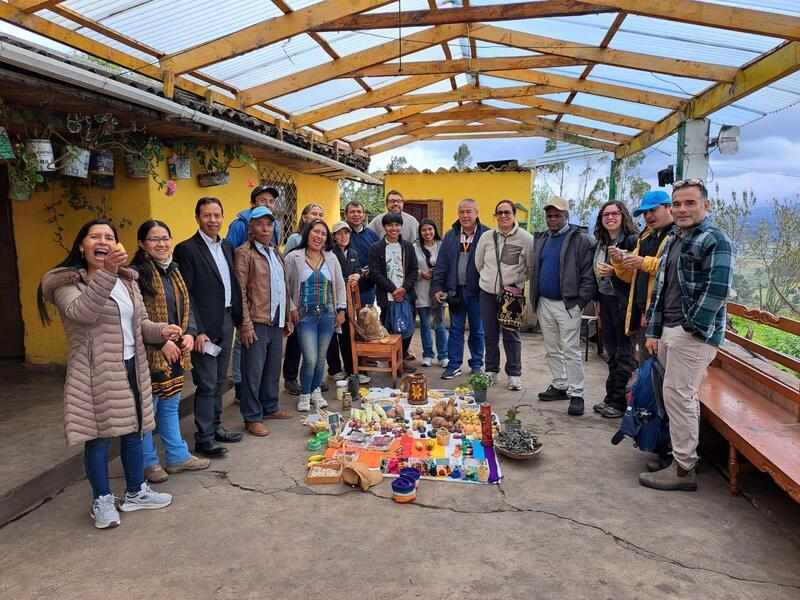
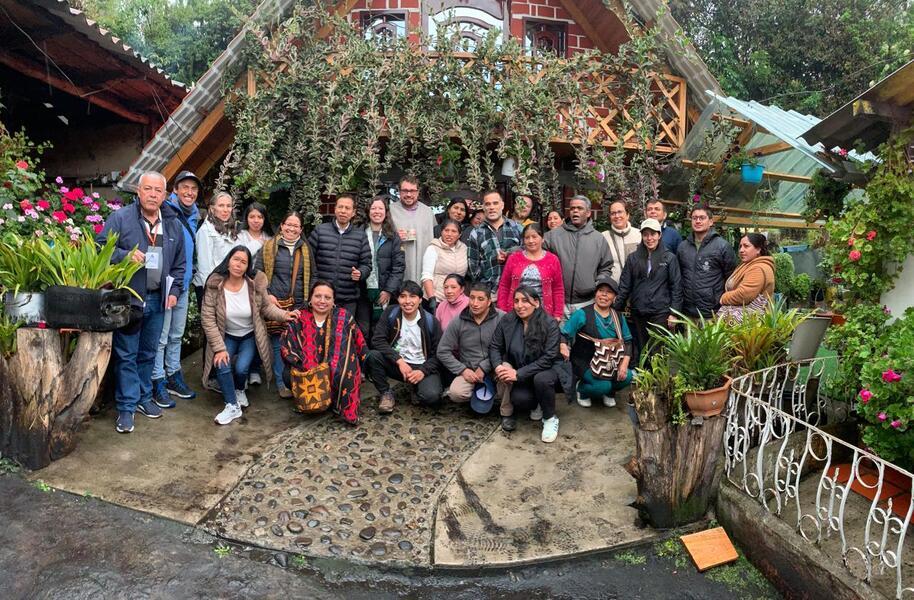
Research connected to the territory
In the Sibundoy Valley, a visit to the Kamëntsá Bilingual Educational Institution provided an opportunity to learn about the work carried out with students, families and the wider community. There, the team visited the jajañ, a traditional cultivation space, as well as a biogas facility and trials with bioinputs involving researchers from the Alliance and CIMMYT.
The visit continued at the Jenay Watbowanÿentŝ Yebna seed house, where Josefina Jacanamejoy, a farmer and community leader, shared the work being carried out in this space. The gathering included a traditional Kamëntsá ritual and a dialogue with members of the community.
The hospitality of the communities, the diversity of crops, and the importance of the páramo ecosystems were among the aspects that most stood out to Lulseged Desta. The visit also helped identify opportunities to strengthen sustainable livestock practices that contribute to protecting these ecosystems.
“Experiencing the territory firsthand and engaging in dialogue with communities and partners allows us to identify opportunities for joint action and connect local initiatives with an integrated landscape perspective,” says Marcela Beltrán, Colombia Coordinator for the CGIAR Science Program on Multifunctional Landscapes, who also took part in the visit alongside colleagues from the Multifunctional Landscapes team at the Alliance of Bioversity International and CIAT.

Marcela Beltrán
Postdoctoral FellowThese experiences align with the priorities of the CGIAR Science Program on Multifunctional Landscapes: contributing to productive, biodiverse, climate-resilient and socially inclusive landscapes by connecting research with the knowledge and initiatives of the people who live in and care for these territories.