
Traditional Foodways: Participatory Documentation Approach
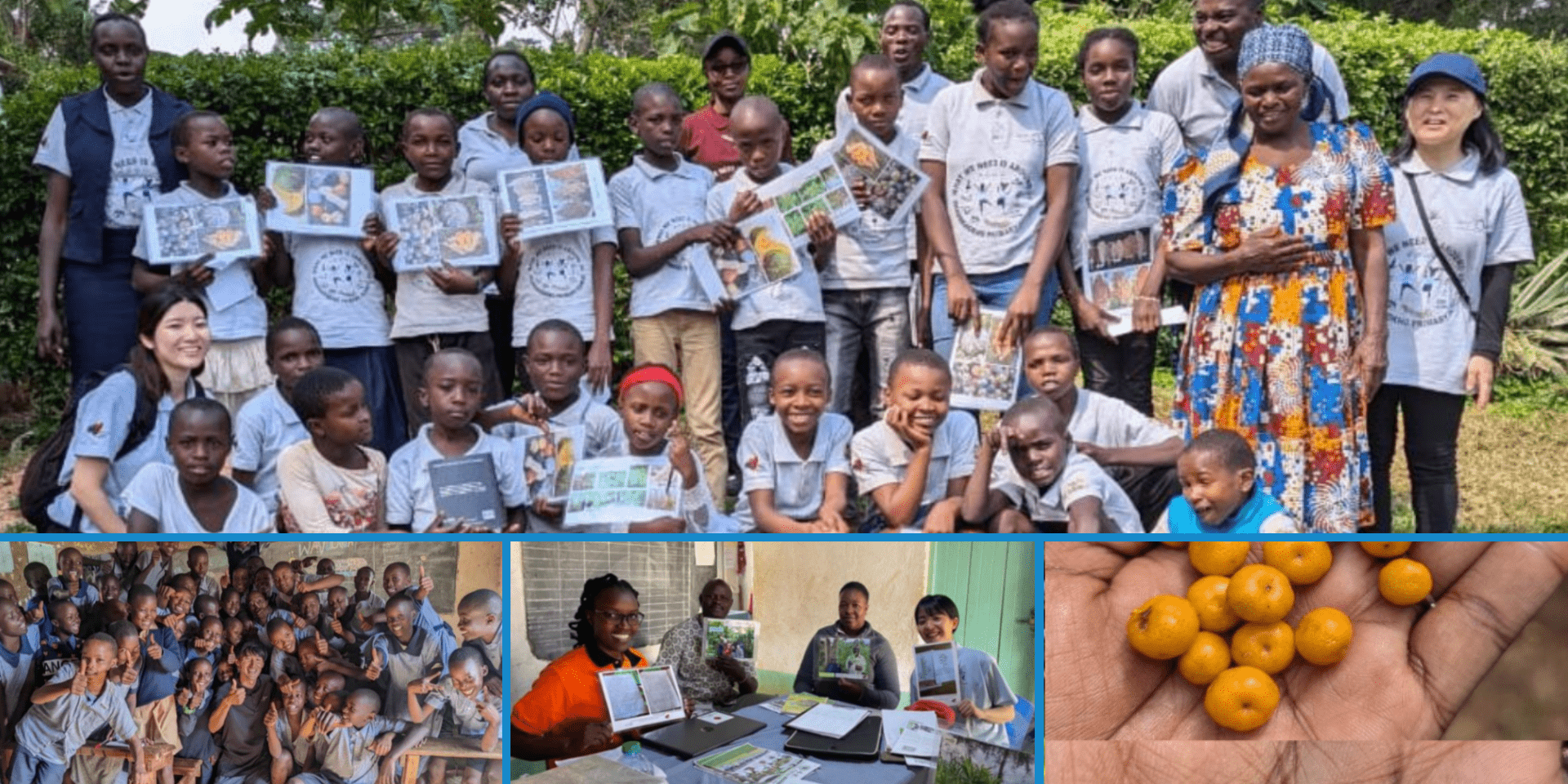
Documenting and promoting traditional food systems
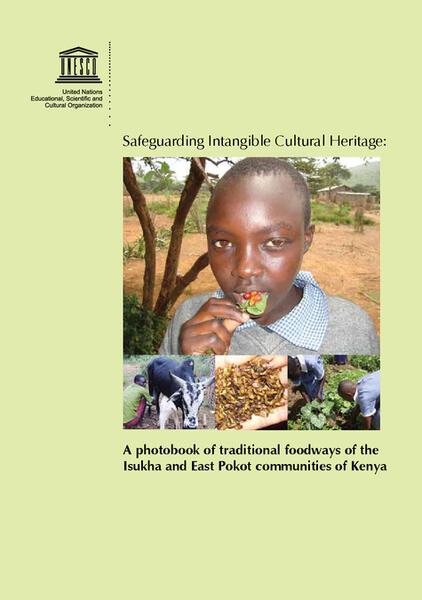
This tool is a participatory approach designed to document traditional foodways and capture the socio-cultural knowledge embedded in local food systems. It records a community’s practices related to acquiring, storing, preparing, and consuming food, including the roles of different members, seasonal patterns, and associated beliefs and ceremonies. The tool is one of four publications on the study of traditional foodways in Kenya produced between 2010 and 2012.
The approach places communities, particularly youth and women, at the center of the process. Its purpose is not only to document and safeguard knowledge, but also to promote its active use in addressing key challenges, such as conserving biodiversity, protecting intangible cultural heritage, and strengthening local empowerment.
Developed over more than 30 years by Bioversity International in collaboration with the National Museums of Kenya and local communities, the approach was endorsed by UNESCO in 2021 as a Good Safeguarding Practice. It connects tradition with innovation and reinforces community pride and intergenerational knowledge transmission.
In what context is this tool useful?
This tool documents traditional food systems threatened by modernization, preserving knowledge across generations. It improves nutrition, conserves biodiversity, and empowers youth and women, supporting students, teachers, communities, NGOs, researchers, and policymakers. It aims to:
• Identify and inventory traditional foodways by assisting pupils in these communities to document their foodways of everyday life and those associated with ritual, social practices, and festive events.
• Encourage these communities to appreciate and transmit their traditional food practices.
• Prepare a practical manual on how to identify traditional foodways through fieldwork, which can be used in future studies in other communities in Kenya and beyond.
• Raise awareness about the dangers threatening the diversity of its traditional foodways and related knowledge about nature.
The manual serves as a guide for the study of both traditional and non-traditional foodways worldwide.
Results achieved
The participatory tool for documenting and promoting traditional food systems has delivered measurable impact across Kenya. From biodiversity conservation to improved nutrition and stronger community leadership, the approach demonstrates how local knowledge can drive sustainable change.
Biodiversity and Conservation
In Kericho County, youth documented 51 plant species across seven villages in one month, recording names, uses, and cultural significance. Previously overlooked traditional herbs were identified, leading to the creation of a community tree nursery. In Kilifi, Mombasa, and Kwale, pupils from nine schools produced 350 essays on local food species and practices, preserving Mijikenda culinary heritage and promoting seed sharing. National findings revealed that 90.9% of 220 documented leafy vegetables are wild-sourced, underscoring the link between food systems and ecosystems.
Nutrition and Health Improvement
Monitoring in four early childhood centers in Kericho (March–September 2023) showed a sharp reduction in moderate to severe wasting. Dietary diversity among 108 families increased, supported by the introduction of nutrient-rich local snacks and culturally relevant nutrition education materials.
Community Empowerment
In Kitui, the Kyanika Adult Women Group revived bottle gourd cultivation, documented 197 landraces, created a 700-page resource, and established a local museum—generating income and earning national recognition. Youth and schoolchildren strengthened communication and leadership skills while contributing 85 documented change stories.
Policy Influence
Under Kenya Vision 2030, the IKDoDi programme is applying this approach in 13 counties, establishing the Indigenous Knowledge Innovation Bank (InKiBank) to digitize and safeguard indigenous knowledge. Partnerships with county departments and universities ensure alignment with local and national priorities.
How to scale it or adapt it?
Traditional Foodways tool is highly adaptable and scalable across contexts, communities, and themes. Initially tested in diverse Kenyan settings—from mixed farming to livestock-keeping—it can document foodways, indigenous trees, medicinal plants, or single crops like the bottle gourd.
The methodology engages youth and women, uses mixed media (essays, photos, videos), and can be applied at community, regional, or national levels.
Outputs are flexible, including picture books, digital platforms, and community events. Scaling examples include Kenya’s nationwide IKDoDi programme, integration into nutrition and sustainable agriculture initiatives, and replication by other groups to restore crops, demonstrating the tool’s broad applicability and potential for reuse by researchers and practitioners.
Contact us

Yasuyuki Morimoto
ScientistOther tools often used together
The foodways tool is often used with other community-focused methods to maximize impact.
Most Significant Change (MSC) stories: capture qualitative outcomes such as empowerment and skill development. Behaviour Change Communication (BCC) tools: including picture books, puppet shows, and food guides—translate documented knowledge into practical, engaging educational materials.
Participatory agricultural training modules: teach composting, organic pest control, and innovative kitchen gardening based on recorded practices.
Open digital platforms, such as the Biodiversity Facebook page, extend outreach nationally and internationally, sharing stories, photos, and project results.
Together, these tools reinforce documentation, support sustainable practices, and enhance community learning and empowerment.
Publications
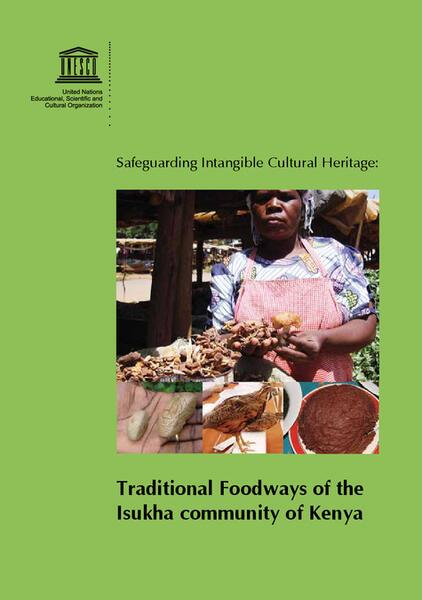
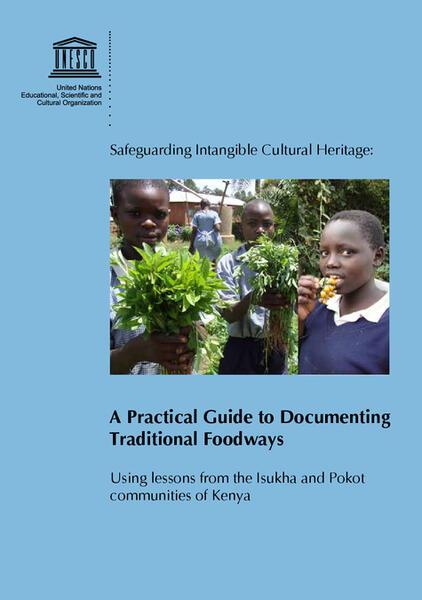
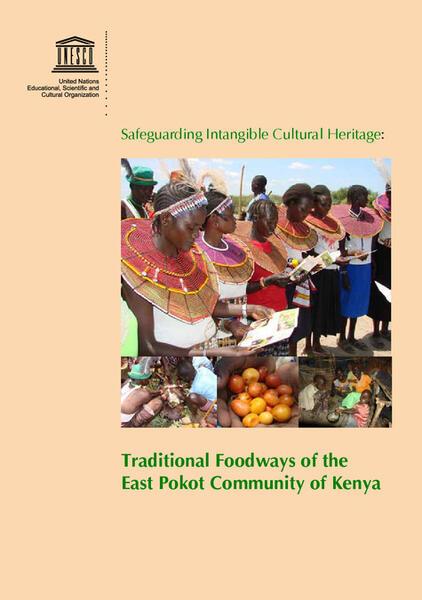
Additional Resources
- Safeguarding traditional foodways of two communities in Kenya
- Documenting traditional foodways of Kenya
- Success story of promoting traditional foods and safeguarding traditional foodw…
- Decoding the food and culture connection to promote healthier foodways in Kenya
- Government launches groundbreaking programme to preserve indigenous knowledge a…
- Mboga za Watu wa Pwani: Kilifi Utamaduni Conservation Group
- The Kericho picture book
- The Narok picture book
- The Vihiga picture book
Research leaders
Yasuyuki Morimoto
ScientistFunders
- UNESCO
- Government of Japan
- European Union