Blog Women, Innovation, and Cassava: An Exchange of Knowledge Between Colombia and Indonesia
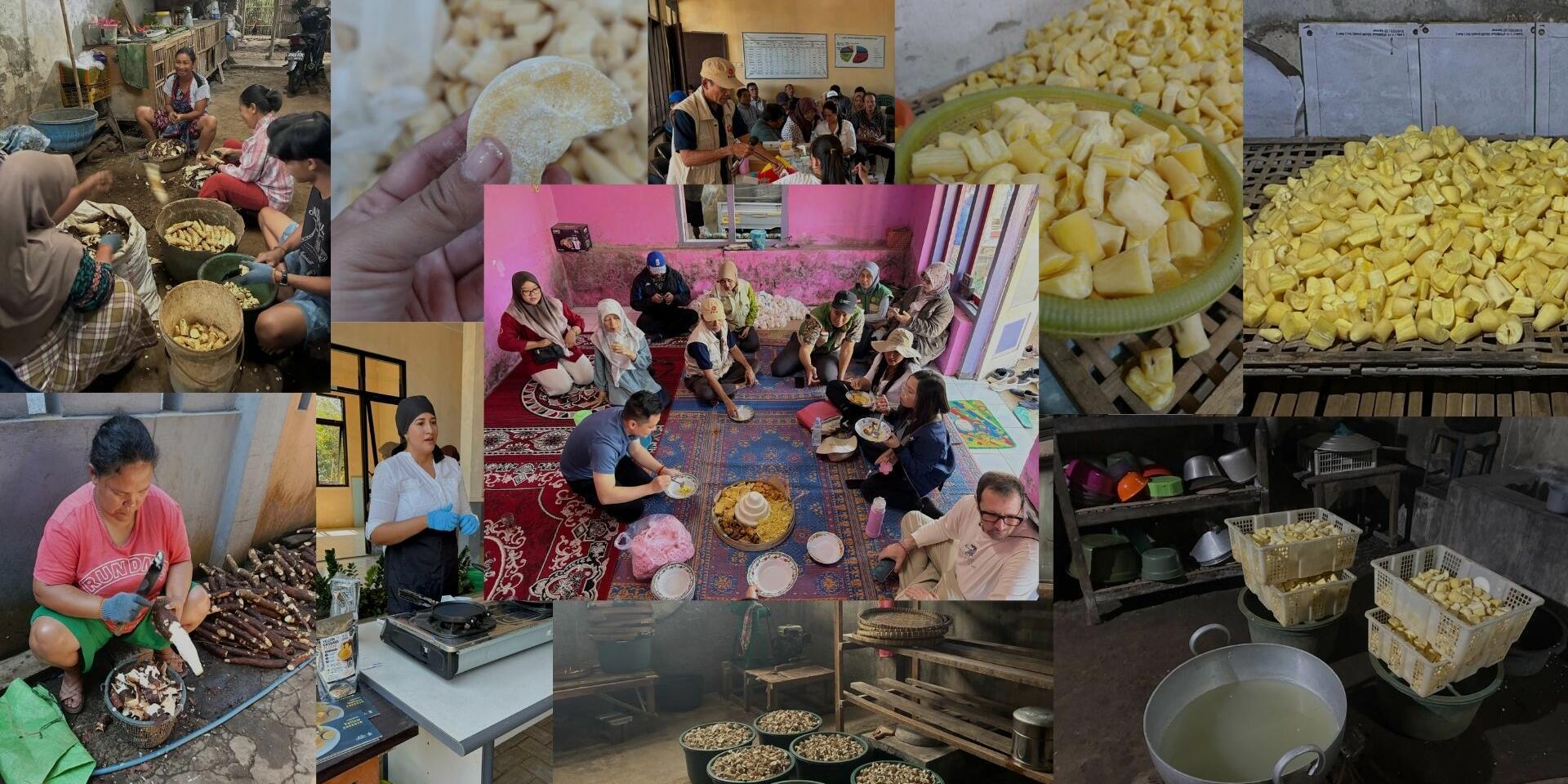

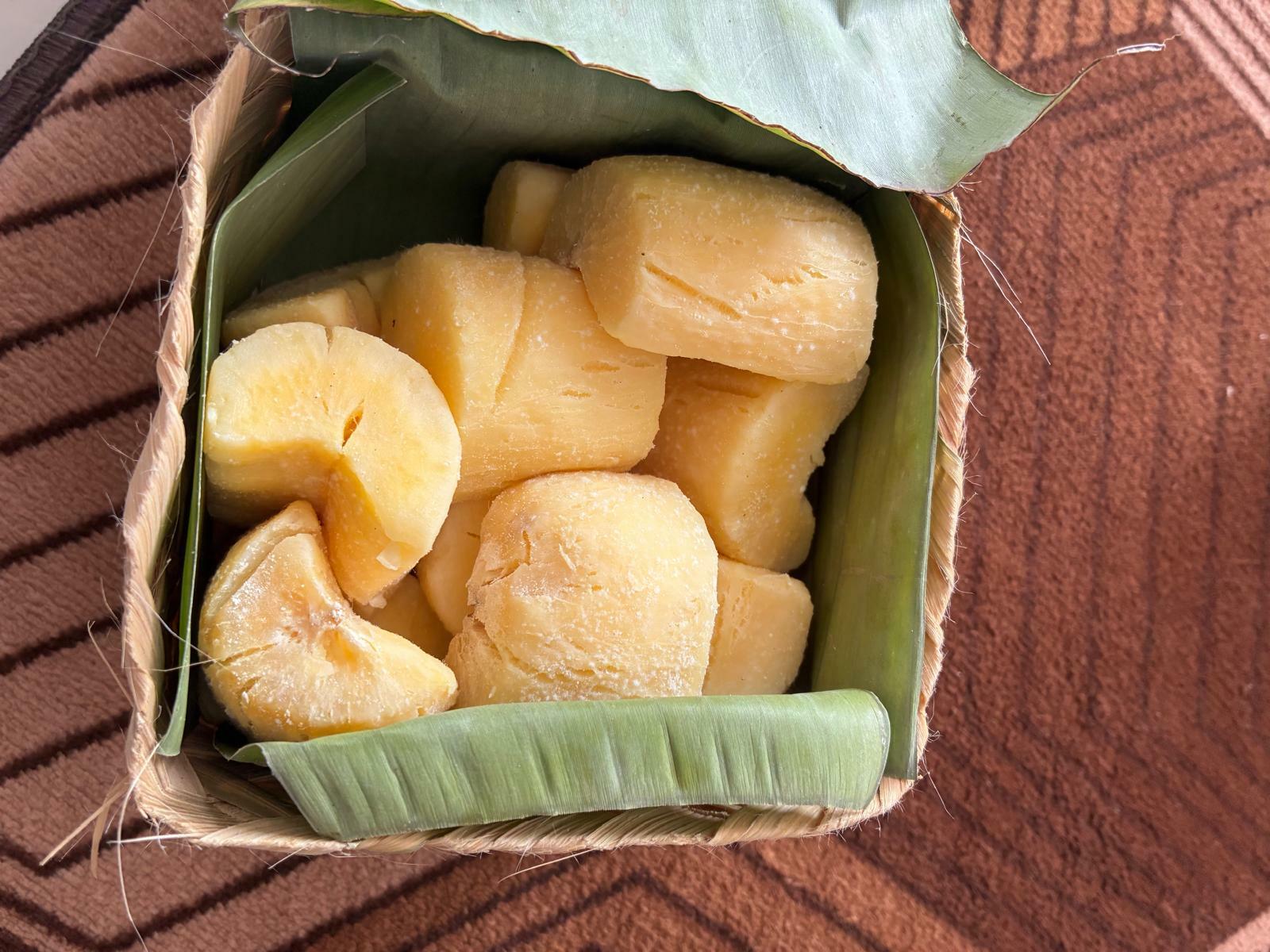
In Malang, East Java Province, a prized way of eating cassava is tape singkong, fermented cassava roots which carry deep cultural significance, especially during the holy month of Ramadan. In recent years, tape singkong has moved from local to international markets. But even as demand for it grows, the area of land planted with cassava in the region is shrinking.
How can communities balance growing demand with constrained output? That tension sits at the center of a technical exchange between Colombia and Indonesia, held in July 2026 as part of the Scientific and Technical Support for Sustainable Agriculture in ASEAN Countries (3S) project, an initiative of the Government of Italy funded by the Italian Agency for Development Cooperation (AICS). The project seeks to strengthen sustainable agriculture and the value chains of three crops that are strategic for food security cassava, maize, and sugarcane in countries including Indonesia, Laos, and Vietnam. Within the Alliance, the 3S project is led by Dr. Andrea Ghione, Markets and Value Chains Lead.
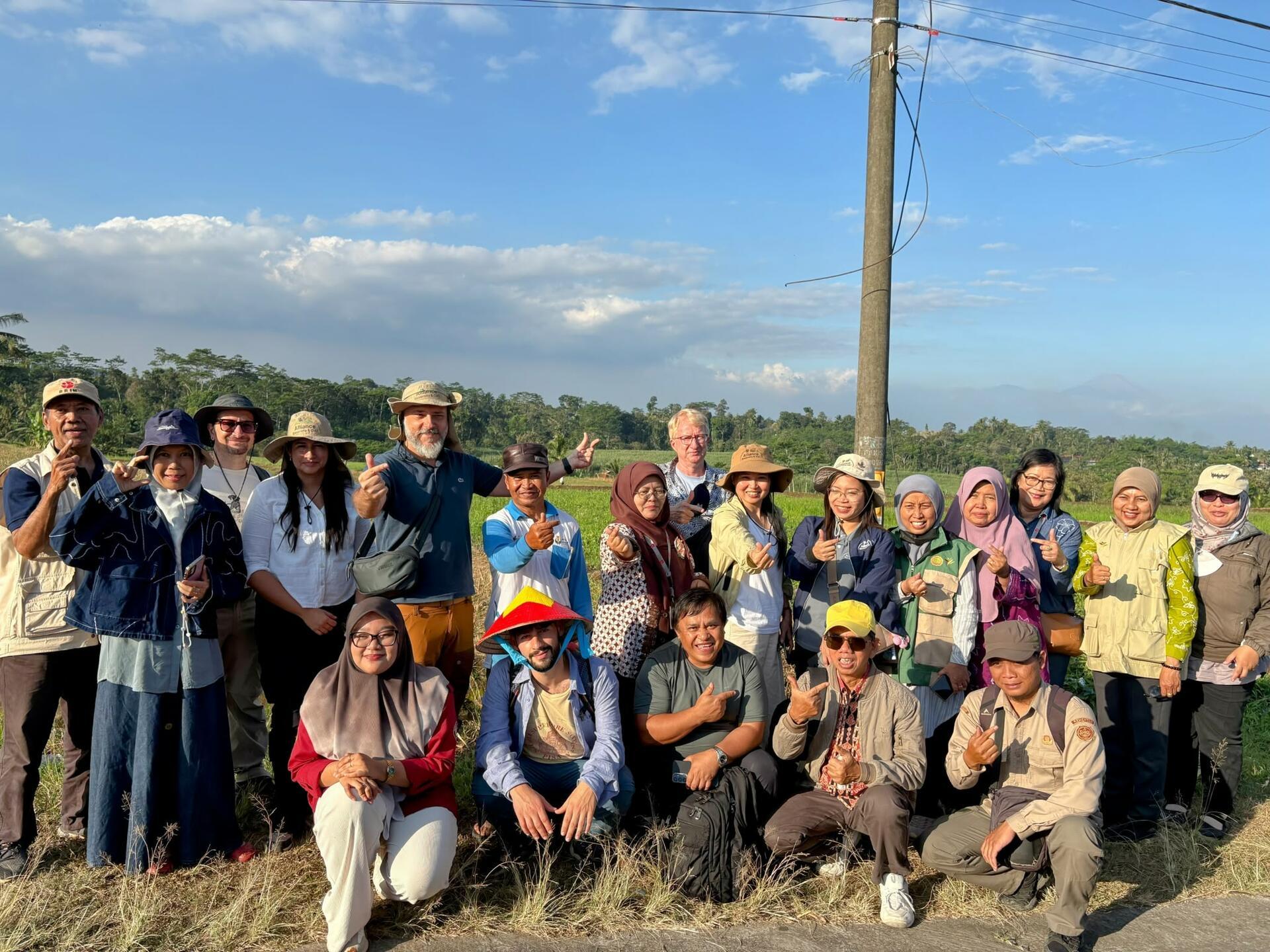
The exchange brought together researchers from the Alliance of Bioversity International and the International Center for Tropical Agriculture (CIAT), as well as representatives from AICS; the University of Milan, which coordinates the consortium; the Sant'Anna School of Advanced Studies in Pisa; and Indonesia's National Research and Innovation Agency (BRIN). Producers, artisanal processors, and approximately 15 women from rural communities in Malang also took part.
A Value Chain Rooted in Tradition and Rich in Potential
Malang is a region with a volcanic landscape, characterized by small-scale farms and a wide diversity of crops. Many families combine the production of cassava, maize, sugarcane, and rice with artisanal food processing.
During the technical visits, the team learned about local production systems and family-run processing units and documented ten traditional cassava products: tape singkong, gatot, jemblem, lemet, miler or samiler, mocaf, kerupuk, kolak singkong, tiwul, and aneka stick.
Among these, tape singkong stands out as a food of greatest cultural significance. It is consumed especially during the holy month of Ramadan and increasingly sold in international markets. Its growing demand, however, coincides with a decline in the area devoted to cassava cultivation in the region.
This situation poses a supply challenge, but it also presents an opportunity to improve productivity, strengthen connections between producers and processors, diversify the product range, and develop a value chain capable of responding sustainably to emerging markets.
Women at the Heart of Innovation
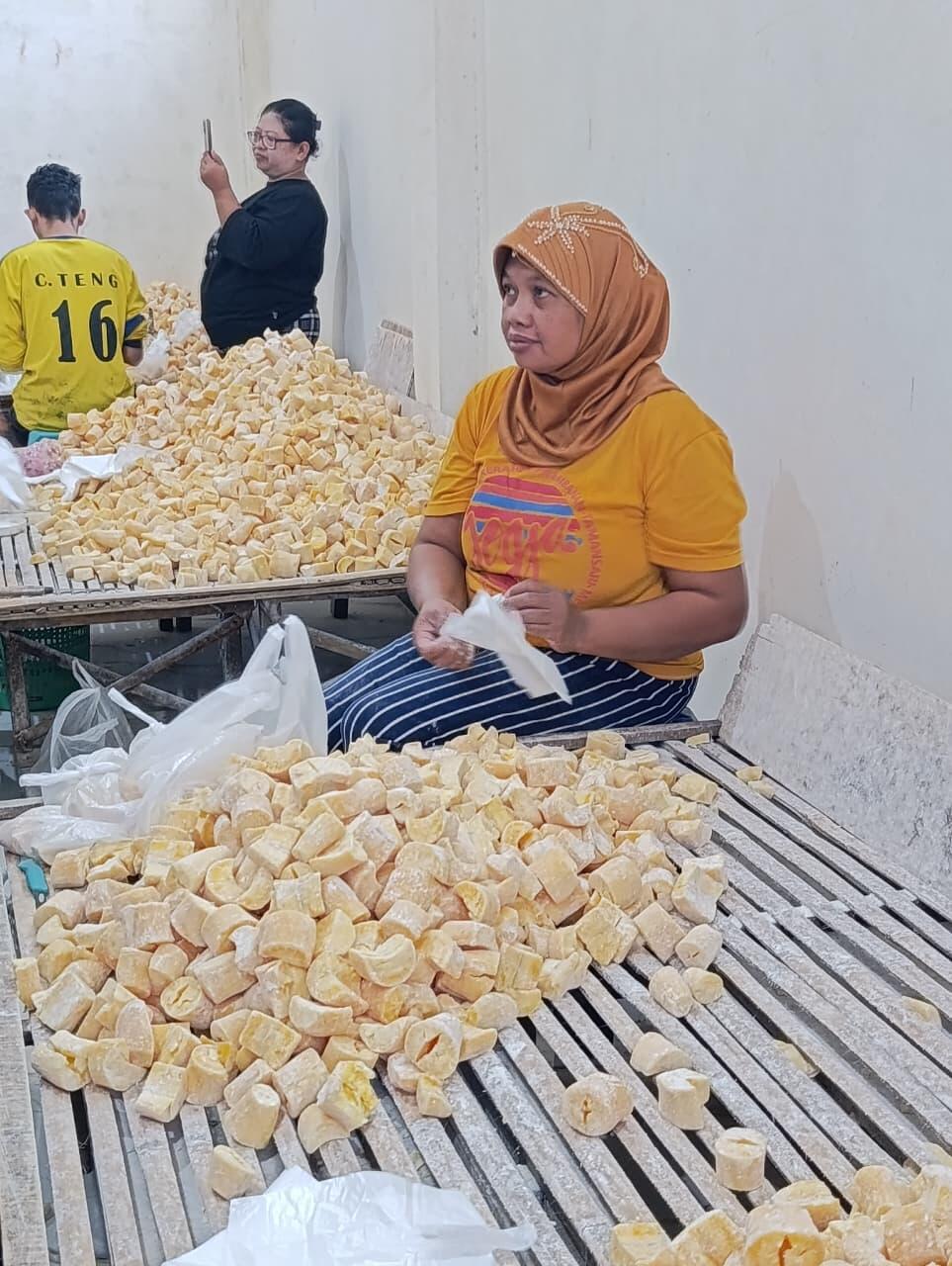
Women play a vital role in Malang's cassava value chain. They carry out much of the peeling, fermentation, preparation, and packaging of traditional products. Despite their contribution, their work often remains largely invisible, and some activities are performed under conditions that could be improved through safer and more efficient tools, infrastructure, and processes.
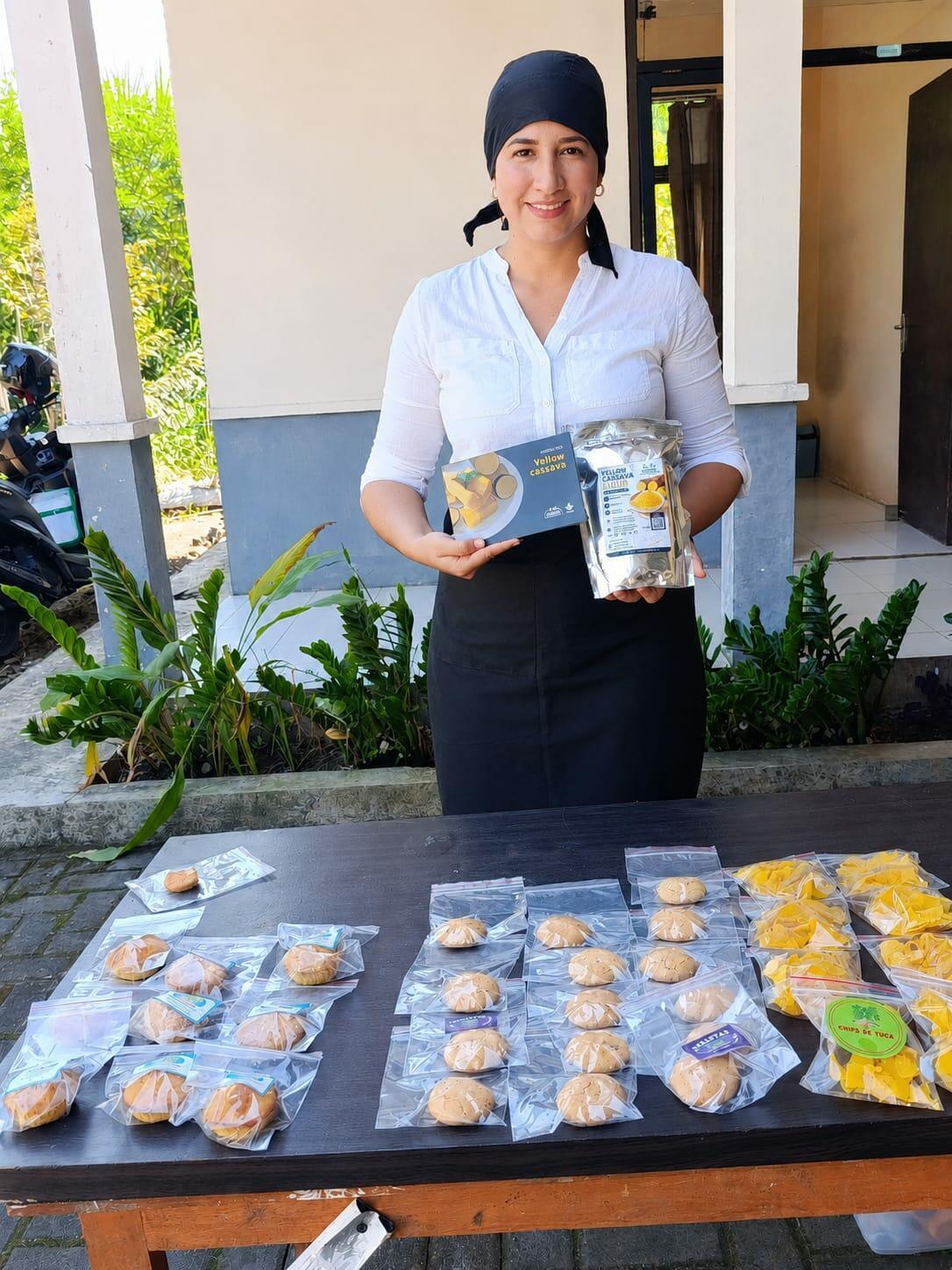
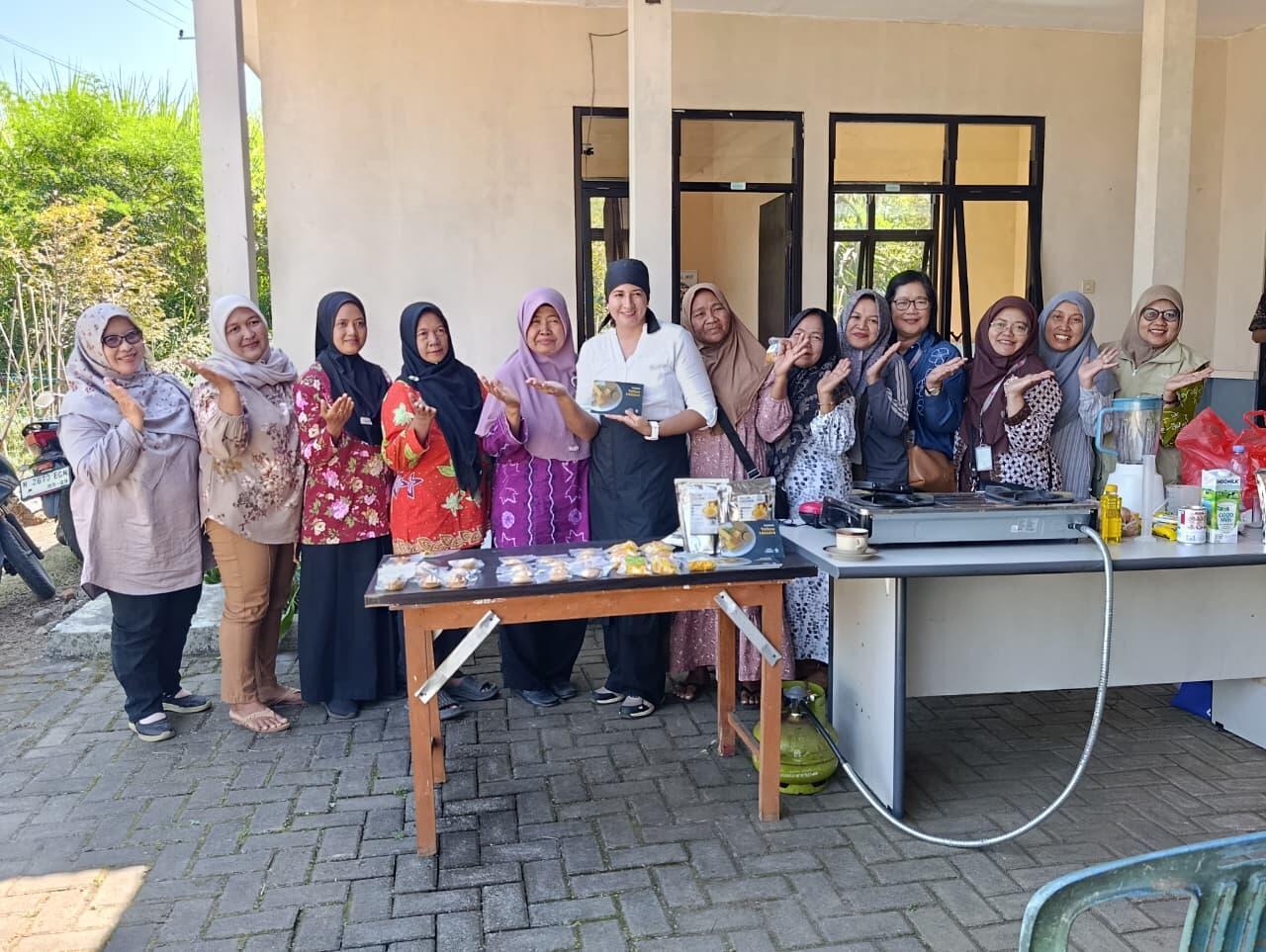
To recognize and strengthen this leadership, the 3S project organized a hands-on workshop with 15 women producers. The activity was led by María Alejandra Ospina, a researcher with the Alliance's Cassava Program, who shared advances made in Colombia in biofortification, flour processing, and new food product development.
Participants prepared waffles, pancakes, muffins, and ice cream using biofortified yellow-fleshed cassava flour, a natural source of beta-carotene, a precursor of vitamin A. These recipes enabled participants to explore new forms of consumption and products that could appeal to children, young people, and other market segments.
“This space made it possible to connect traditional knowledge with new processing and product-development alternatives, helping to strengthen the competitiveness of cassava, create greater opportunities for farming families, and, at the same time, preserve the region's cultural identity,” Ospina explains.
Combining traditional knowledge with new processing techniques can help expand the range of food products and create economic opportunities for families. It can also strengthen women's productive and entrepreneurial capacities, facilitate their access to new markets, and increase their participation in decision-making.
Cooperation That Turns Knowledge into Opportunity
The mission fostered a two-way exchange. Indonesia shared its expertise in fermentation and the diversity of its traditional foods. Colombia contributed the Alliance's Cassava Program expertise in biofortification, flour production, and the development of new food products.
This approach recognizes that sustainable solutions cannot simply be transferred from one country to another. They must be co-created with communities, adapted to local conditions, and designed to reflect their preferences, capacities, and market opportunities.
“The exchange connected agricultural research with efforts to strengthen value chains that are essential for food security, while placing women producers at the heart of innovation,” Ospina notes.
The workshop was the first step. Moving from experimentation to sustainable results will require continued collaboration with communities to validate products, improve processing methods, assess food quality, nutritional value, and consumer acceptance, facilitate access to appropriate technologies, and strengthen business and marketing capacities.
With technical assistance and resources for a subsequent phase, the ideas developed in Malang could evolve into community-based production and marketing models. The lessons learned could also inform similar initiatives in other Indonesian communities and in ASEAN countries facing shared challenges.
Continuing the Work with Malang's Women Producers
As the Alliance rolls out its 2026–2030 Strategy, Resilient Futures, this exchange advances impact in two areas, Inclusive Food Economies and Healthy Diets for All, with gender equity at the center: women are the ones designing the products, testing the recipes, and deciding what a stronger cassava value chain should look like for their own households.
For now, the change is small and immediate: women who spent a morning turning biofortified cassava flour into waffles, pancakes, and ice cream, discovering that a crop they have processed for generations still has something new to offer them.
Scientists

Andrea Ghione
Project Leader, Market and Value Chain