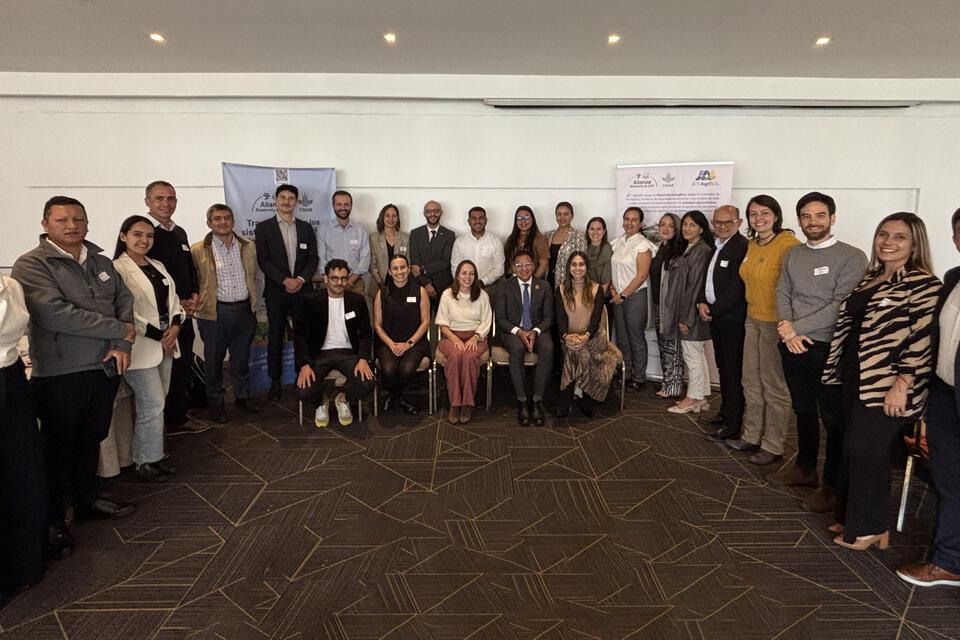
Blog Where crops and photovoltaic energy learn to coexist

This article is adapted from a story originally published by Germany’s International Climate Initiative. Read the original article on the IKI website.
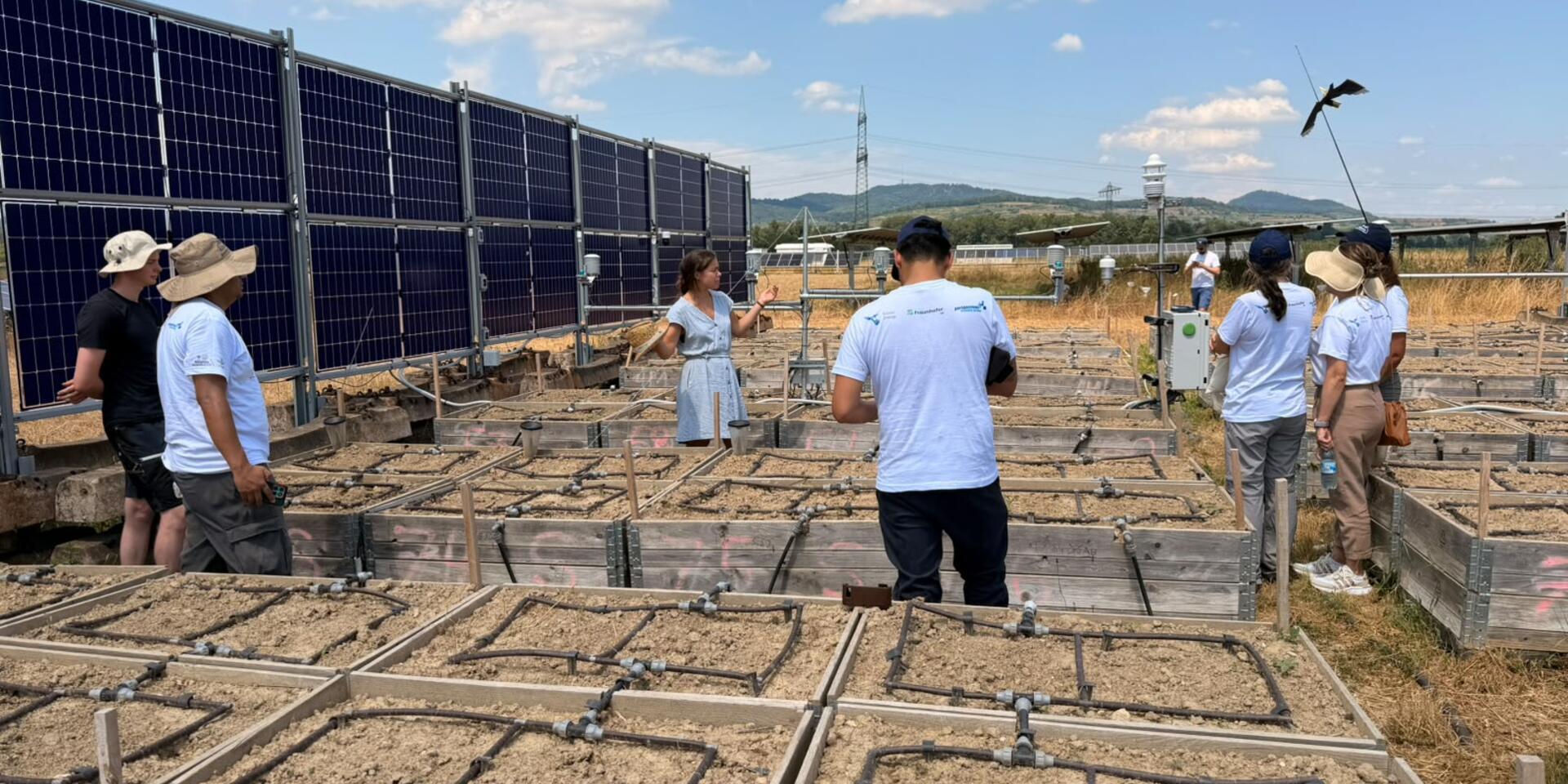
Can the same land produce food and renewable energy without compromising farmers’ needs? In Colombia, the JET-AgriSOL project is working to answer this question by testing agrivoltaic systems, an approach that places solar panels above or alongside crops so that agricultural production and electricity generation can share the same space.
Although agrivoltaics has already been tested in other countries, solutions cannot simply be transferred from one context to another. Crops respond differently to shade, climates vary, and agricultural systems have distinct energy, management and socioeconomic needs. For Colombia, the challenge is therefore to identify which technologies and configurations are appropriate for its tropical conditions and diverse rural landscapes.
Funded by Germany’s International Climate Initiative, JET-AgriSOL is laying the foundations for an Agrivoltaics Laboratory at the Alliance’s campus in Palmira. The laboratory will be complemented by research pilots operating under real production conditions. Together, these spaces will allow researchers and partners to compare crops, solar-panel configurations and management approaches, generating locally relevant evidence for farmers, communities, agribusinesses and public institutions.
The project follows a clear principle: test before scaling. Its purpose is not simply to demonstrate that agrivoltaics can work, but to understand where, how and for whom it could provide meaningful benefits in Colombia. During the project’s preparation, JET-AgriSOL consulted smallholder communities, producer organizations and institutions working across the country’s agriculture, energy, environment and planning sectors. These conversations helped connect scientific research questions with local priorities and production realities.
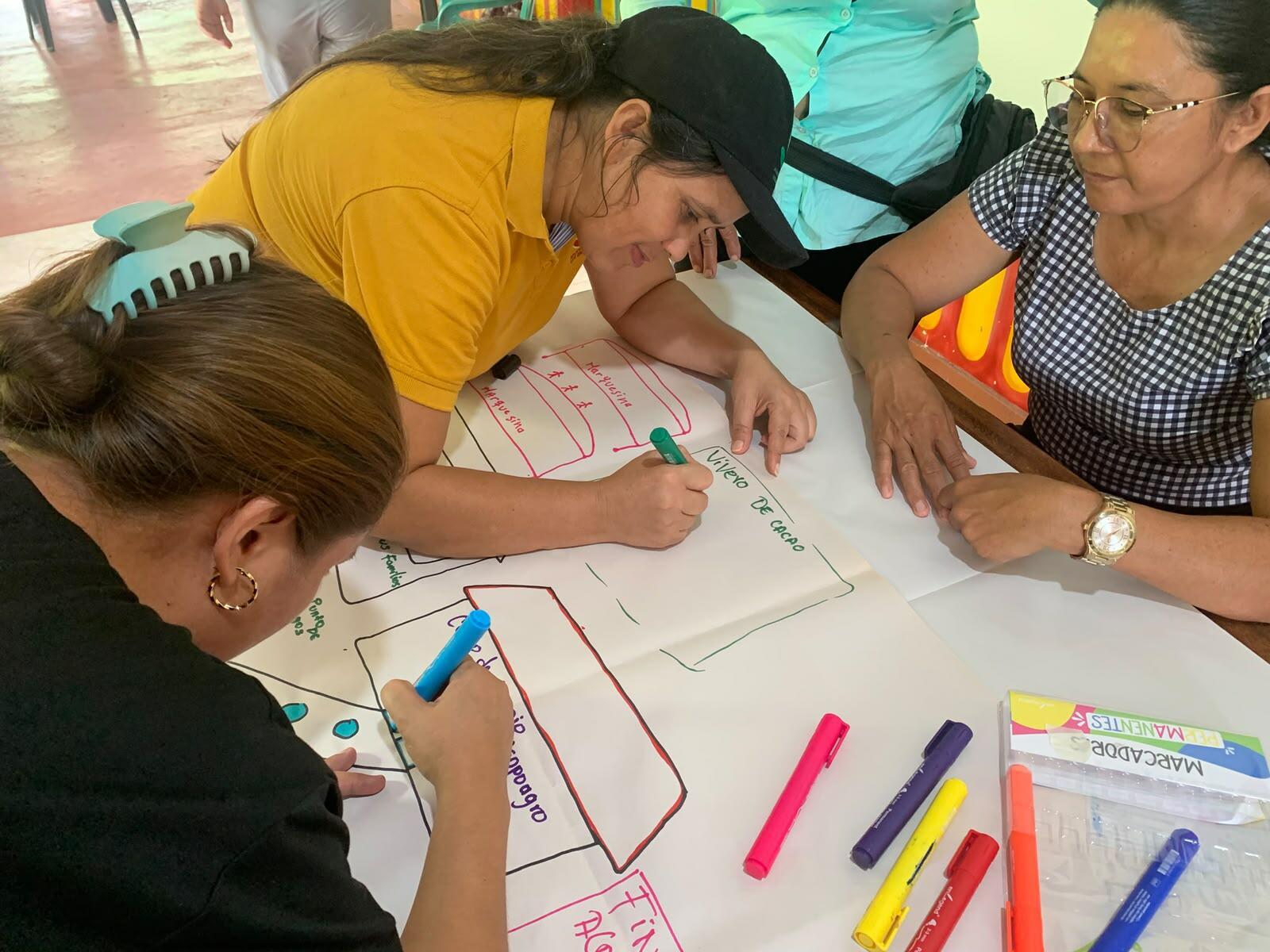
Participatory consultations were conducted with smallholder communities and producer organisations. Photo: CIAT/G Peña
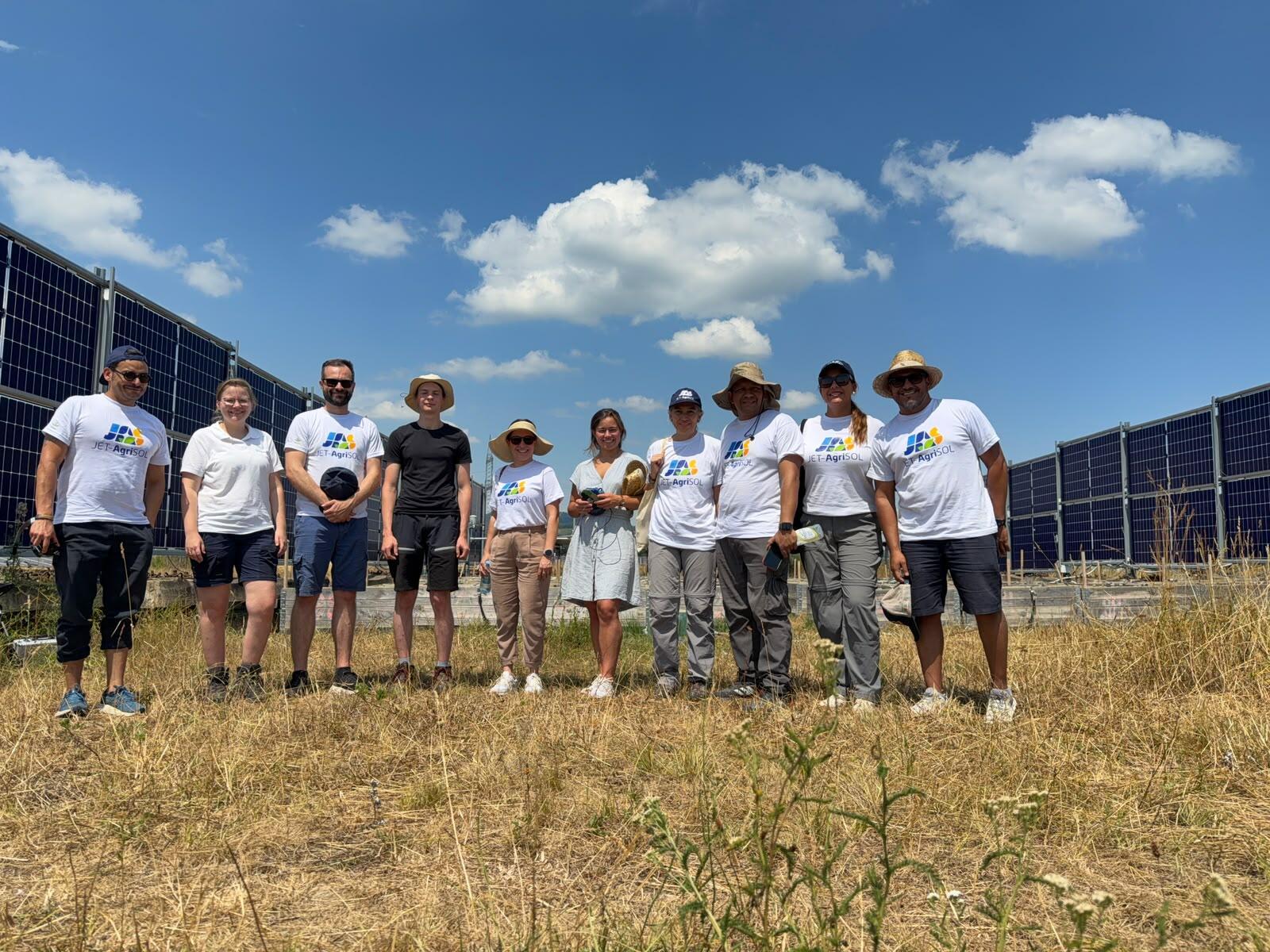
Visits to operating agrivoltaic systems in Freiburg, Germany. Photo: Colibri / M Schulte
The potential contribution of agrivoltaics extends beyond generating clean electricity. In rural areas where access to the electrical grid remains limited, combining renewable energy with agricultural production could strengthen climate resilience, support food security, create new economic opportunities and contribute to a more inclusive energy transition. However, realizing these benefits requires practical evidence about technical performance, local relevance and commercial viability.
By connecting controlled experiments with research pilots, JET-AgriSOL aims to reduce uncertainty and support better-informed decisions. Instead of relying on assumptions or importing solutions developed for other regions, prospective users will be able to draw on knowledge generated under Colombian conditions.
Read the full story originally published by Germany’s International Climate Initiative to learn how JET-AgriSOL is bringing crops, solar energy and rural development together, and why learning and adaptation must come before scaling: Where crops and photovoltaic energy learn to coexist