From the Field When knowledge reaches the field, agriculture scales up
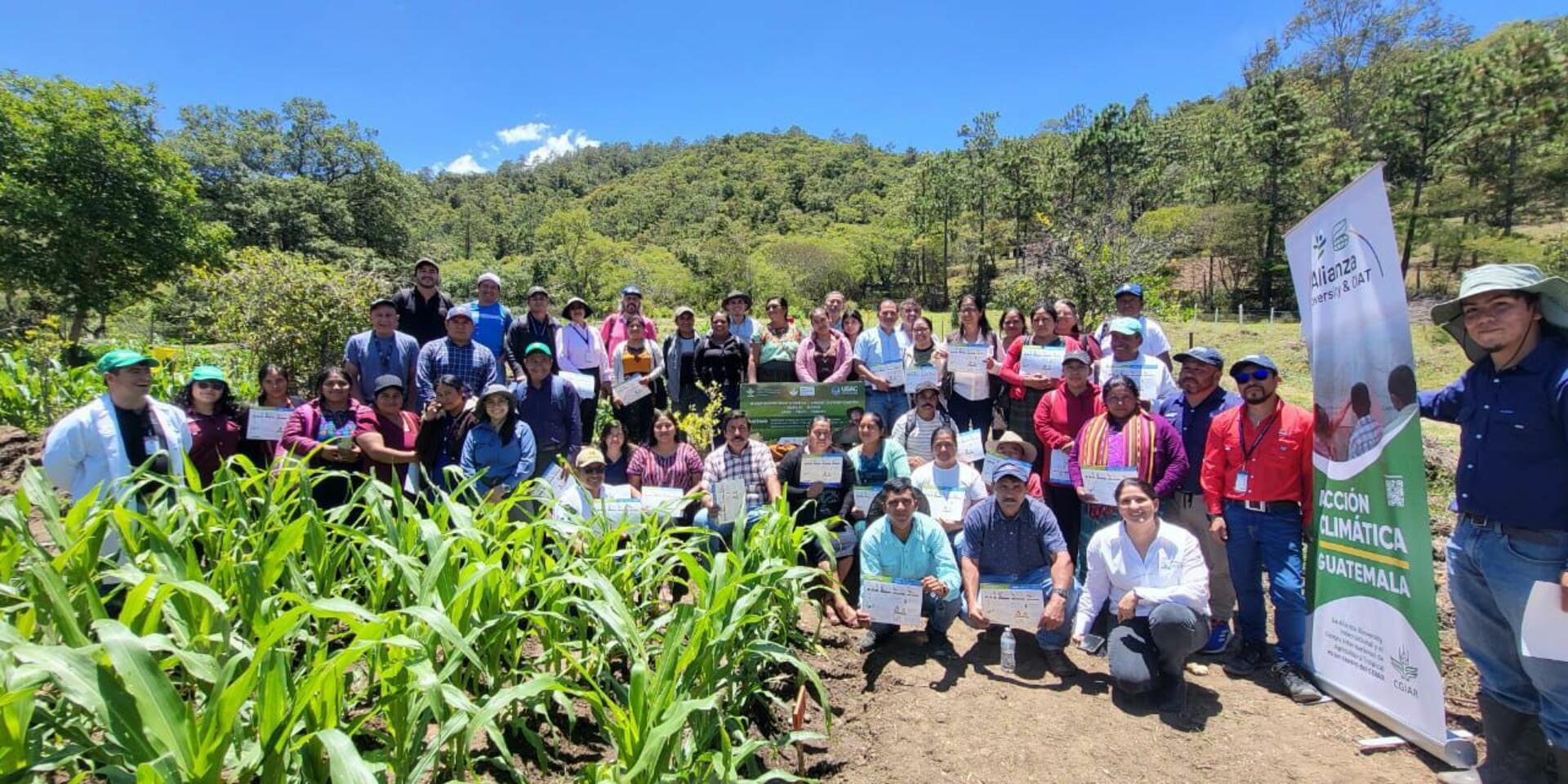

In Guatemala’s InnovaHubs (From the AgriLAC Resiliente Initiative in the departments of Huehuetenango, Totonicapán, Quetzaltenango, Zacapa, and Chiquimula, with additional participation from Sacatepéquez) more than 200 farmers, students, and technicians participated in training activities strengthened their skills in postharvest management, agronomic practices, and climate information to promote more resilient agriculture in the country.
In Guatemala, agriculture not only represents the economic livelihood of thousands of families, but also represents cultural heritage and is a key tool to face climate change. Acknowledging this role, from August 31 to September 5, an intensive week of field activities and training sessions took place in Huehuetenango, Sacatepéquez, Zacapa and Chiquimula. More than 200 people, including farmers, technicians, and students, participated in six knowledge-exchange events organized under the CGIAR science program Scaling for Impact (S4I), the AgriLAC Resilient initiative, NORAD (the Norwegian Agency for Development Cooperation) and Climate Action Lever for Latinamerica and the Caribbean at the Alliance of Bioversirty and CIAT. The main objective was to strengthen local capacities and bring innovations directly to the territories.
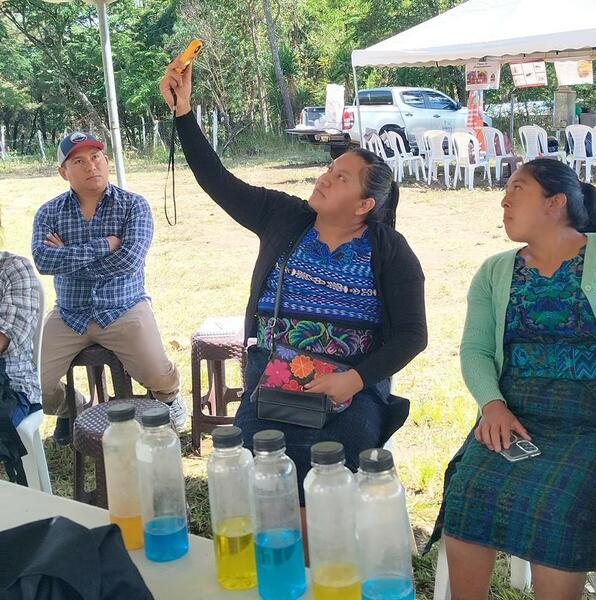
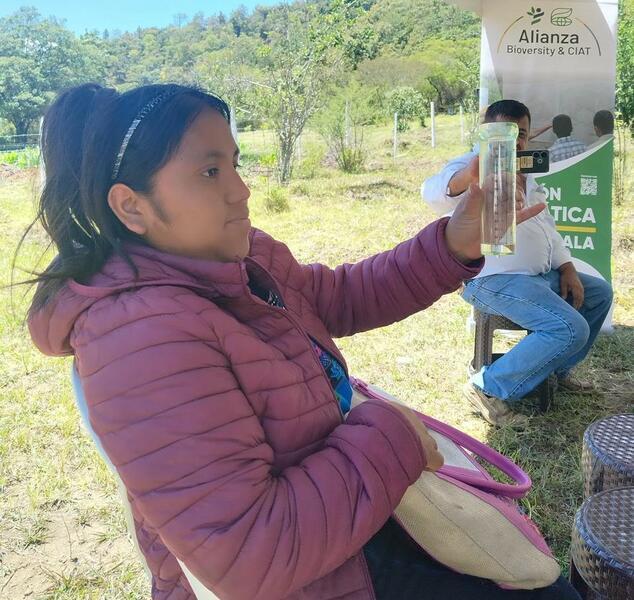
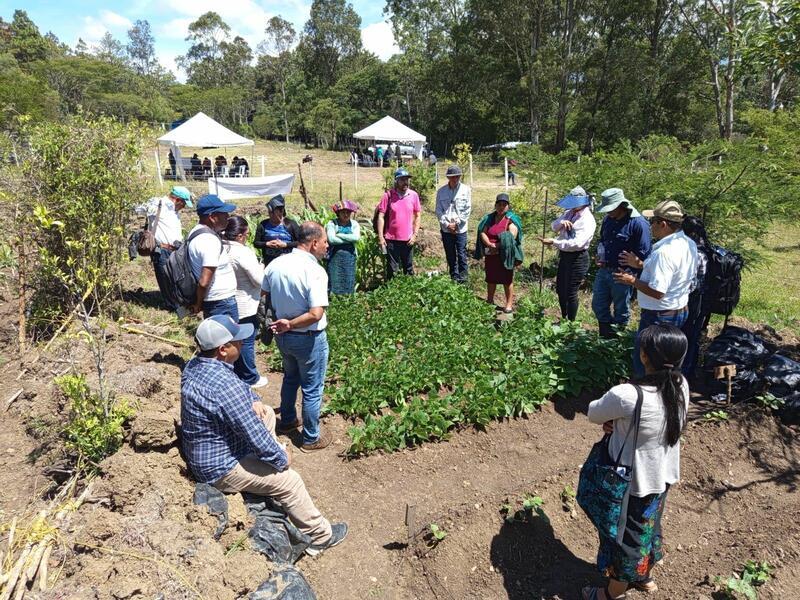
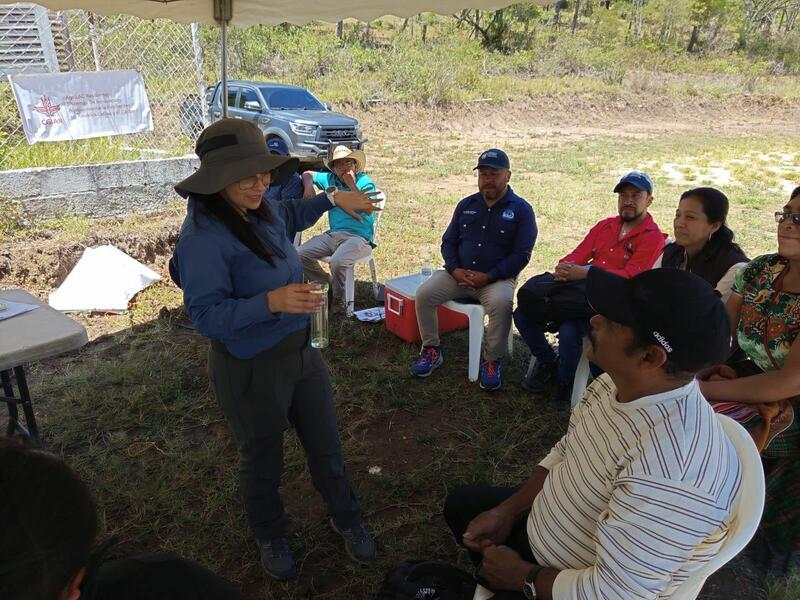
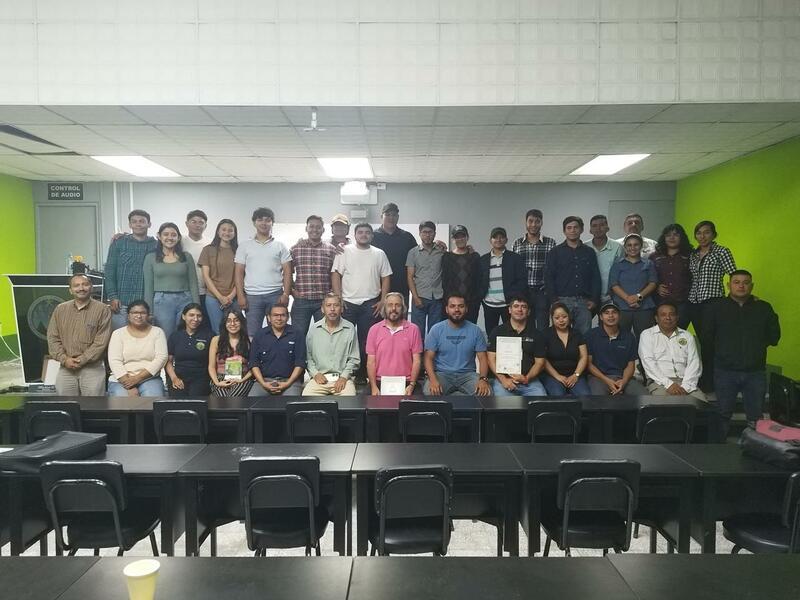
In Huehuetenango, farmers from the WFP’s Q’anil Project participated in a learning session focused on agricultural innovation and research. The experience also involved students from CUNOROC, CUNZAC, and CUNORI universities, as well as extension agents from MAGA Sacatepéquez, who shared knowledge around three main topics — postharvest management, agronomic practices, and climate information — through interactive workstations that encouraged participation and the exchange of ideas.
Knowledge that transforms
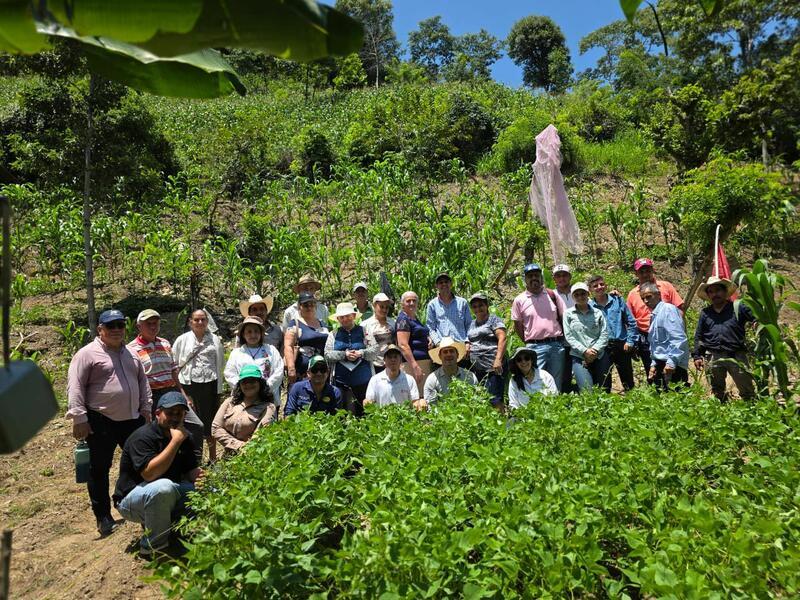
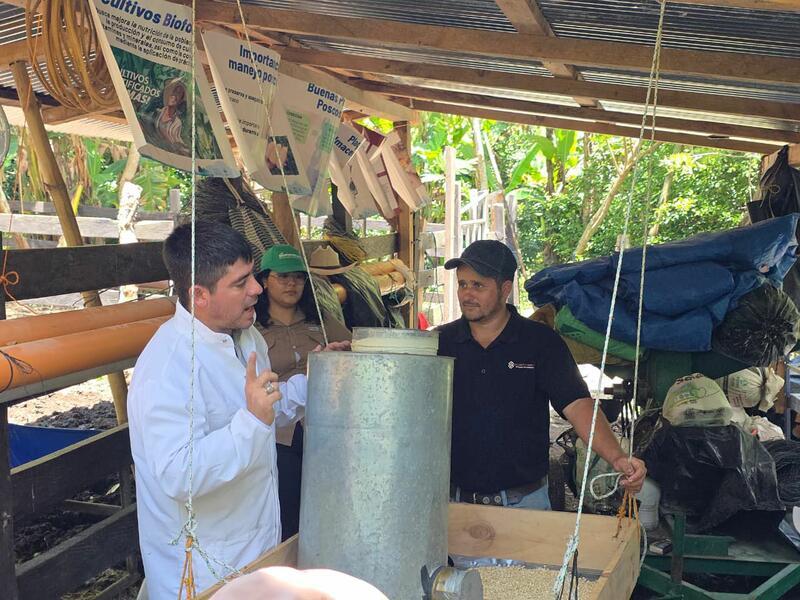
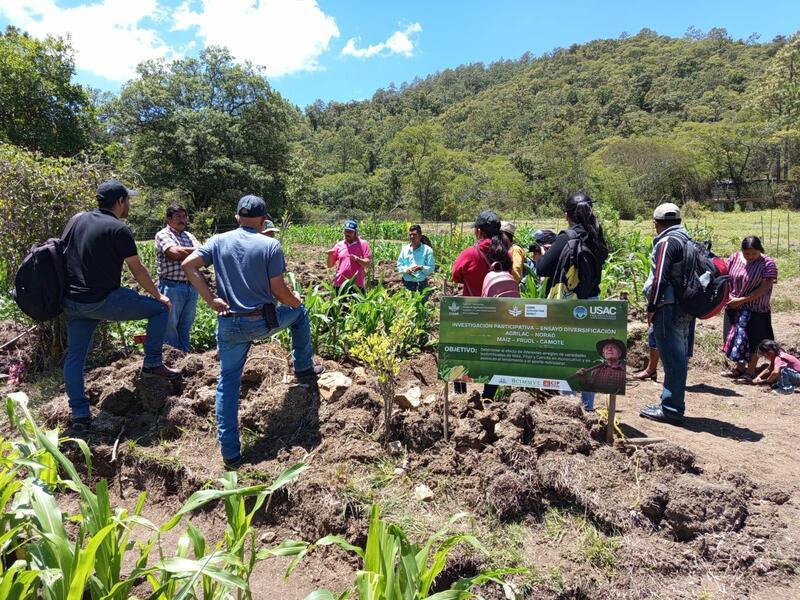
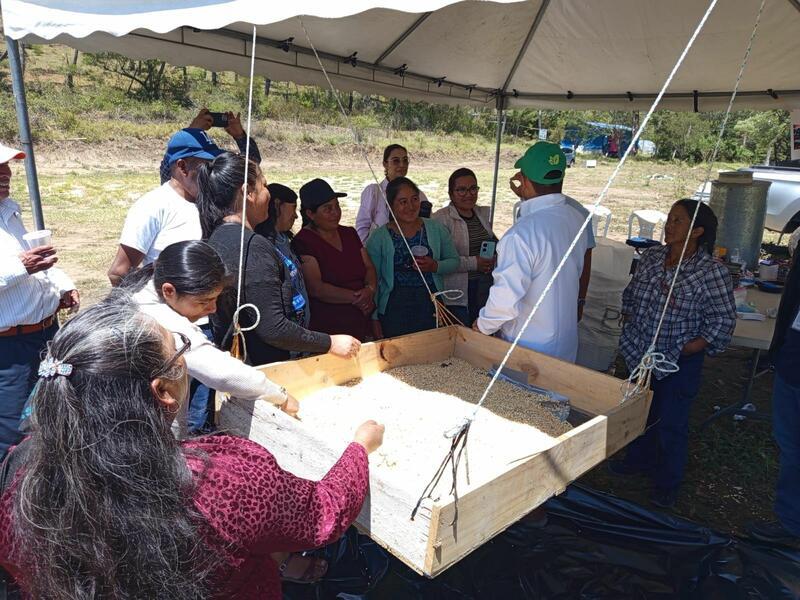
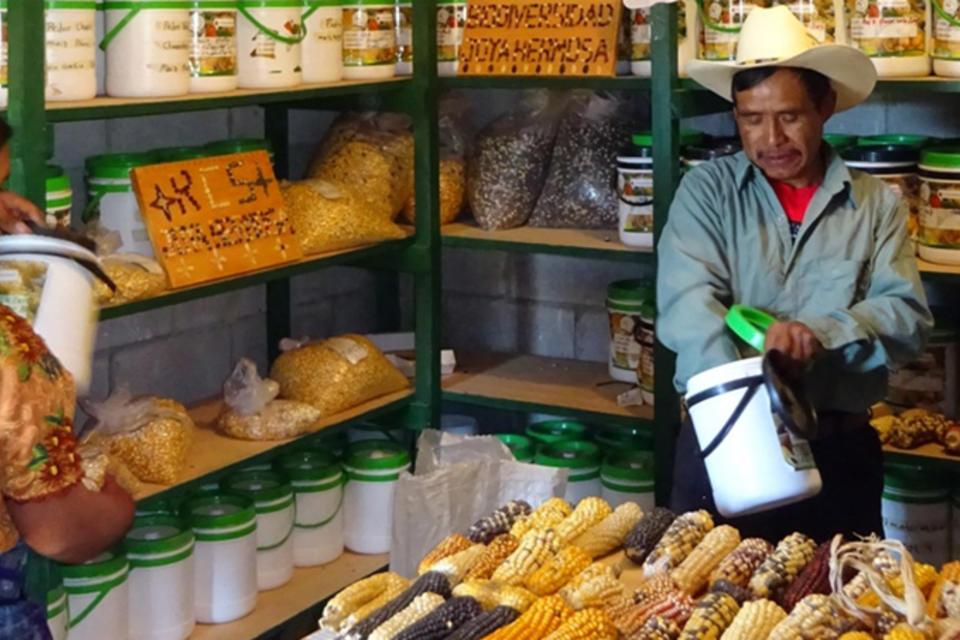
Each topic addressed specific local needs. In postharvest management, participants learned practices to reduce losses, preserve grains in better conditions without harmful chemicals, and manage pests and fungi. This session was especially valued by women farmers, who saw these practices as an opportunity to improve the quality of the food they produce and consume at home.
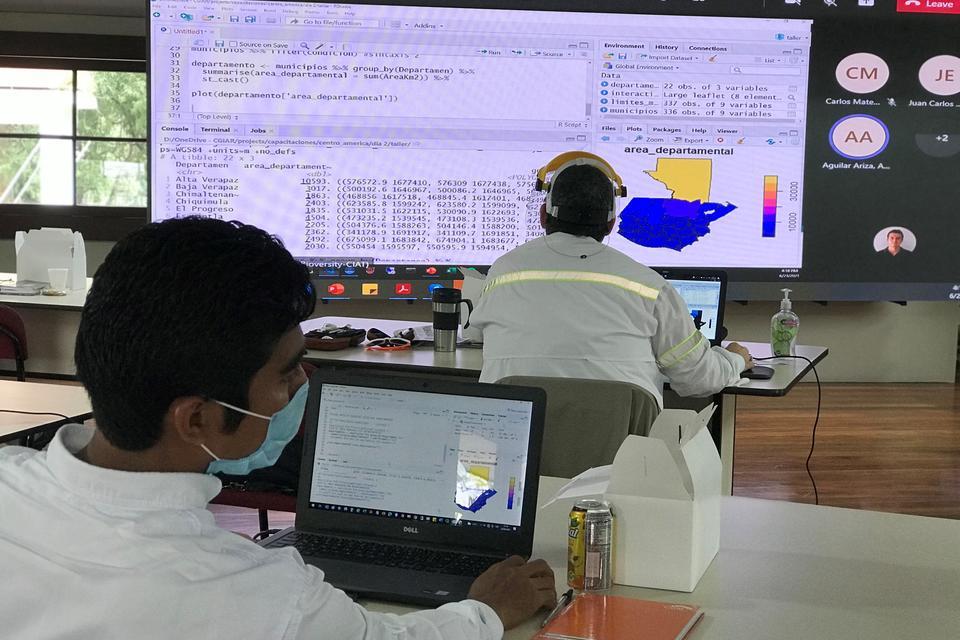
In agronomic management, discussions focused on pests, diseases, and sustainable practices applied to maize, beans, and sweet potato, highlighting the importance of biofortified varieties — an innovation with a direct nutritional impact on rural families. Finally, in climate information, participants learned to distinguish between weather and climate, understand climate vulnerability, and use tools such as rain gauges and soil moisture meters, turning data into practical tools for agricultural decision-making.
“The topic of postharvest drew a lot of attention from women because it connects directly with their daily work. Seeing their enthusiasm and questions showed us that innovation must start from their realities,” shared Andrea Borrayo, Climate Action Researcher in Guatemala, emphasizing how these trainings build a direct link with those on the frontlines of agricultural production.
From training to scaling
The importance of these activities lies not only in the knowledge shared but also in the transformative potential they create. By bringing innovations directly to the territories, farmers, technicians, and students not only acquire tools to improve their current practices but also become multipliers of knowledge within their communities.
As Andrea Borrayo noted, “The richness of initiating scaling from the local level is that we have a more direct impact on people — not only on farmers but also on technicians and future professionals.” This perspective reflects how scaling processes built from social and territorial foundations have greater potential to consolidate and generate sustainable impacts.
In a country like Guatemala, where family farming is a cornerstone of food security and climate change already threatens productive stability, strengthening capacities is a non-negotiable strategy. Each piece of knowledge shared in the field translates into resilience, productivity, and opportunities for present and future generations.
Strengthening knowledge in postharvest management, agronomic practices, and climate information is essential to ensure food security and the sustainability of agricultural systems. Postharvest training aims to reduce losses — one of the greatest challenges for family farmers — ensuring that what is produced reaches both tables and markets in good condition. Agronomic management, in turn, allows for more efficient resource use, higher yields, and improved bean quality, while promoting more sustainable and climate-resilient practices against soil degradation.
Finally, climate information has become an indispensable tool in a context of increasing variability and climate change. Understanding how to interpret data and use instruments such as rain gauges and moisture meters gives farmers the ability to make more informed decisions about planting, irrigation, and harvesting. Together, these areas form a strategic triad that strengthens adaptive capacity, drives productivity, and lays the foundation for innovations to scale and reach more territories.