Blog Weaving fairer climate policies: When the voices of women, Indigenous peoples and youth influence political and territorial transformation in Guatemala

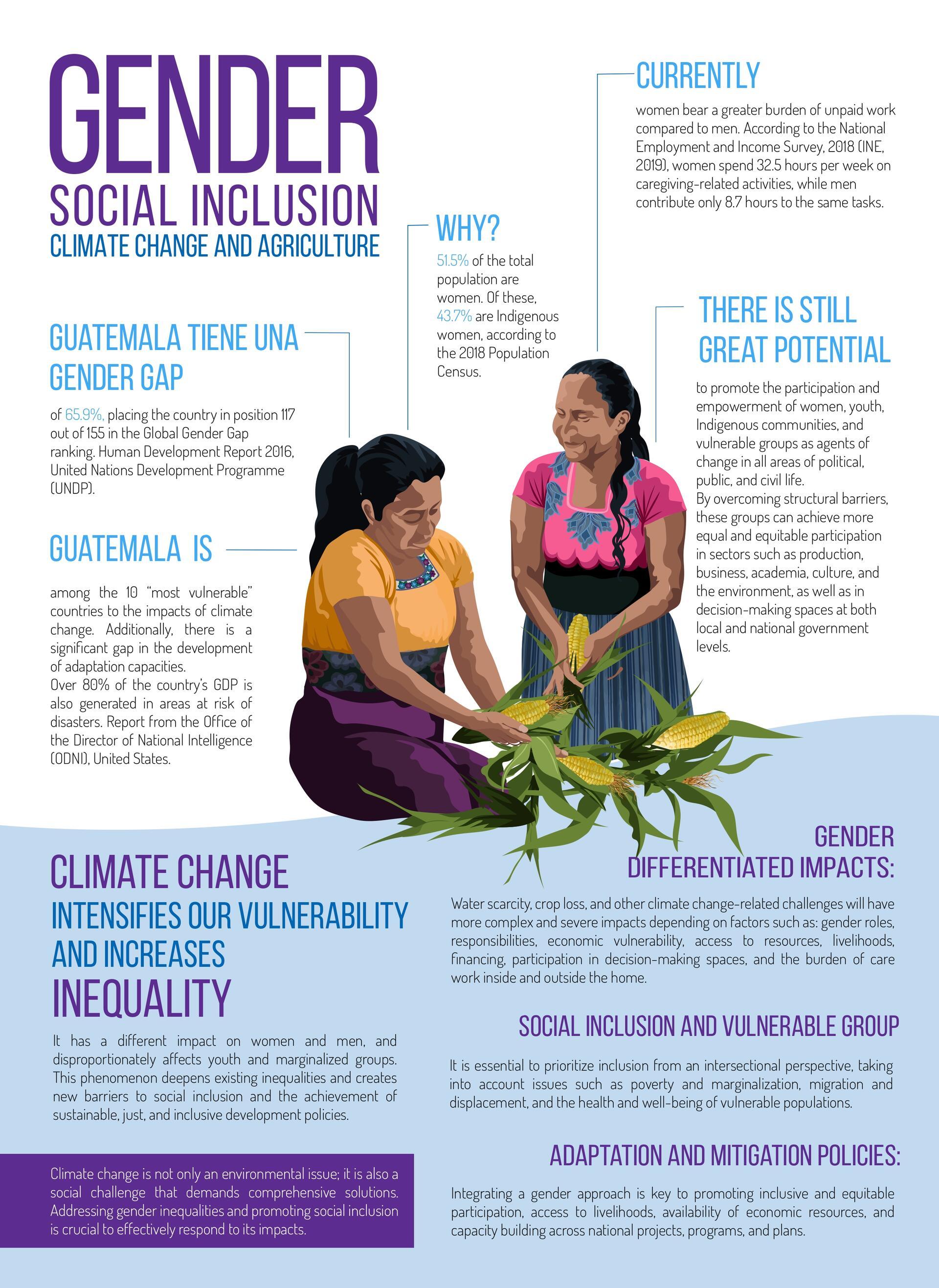
Climate change is not only an environmental phenomenon, but also an urgent social challenge. In the face of this reality, it is women and Indigenous Peoples who are raising their voices. Through their leadership, knowledge, and experiences, they are charting the course toward public policies that are fairer, more inclusive, and more resilient.
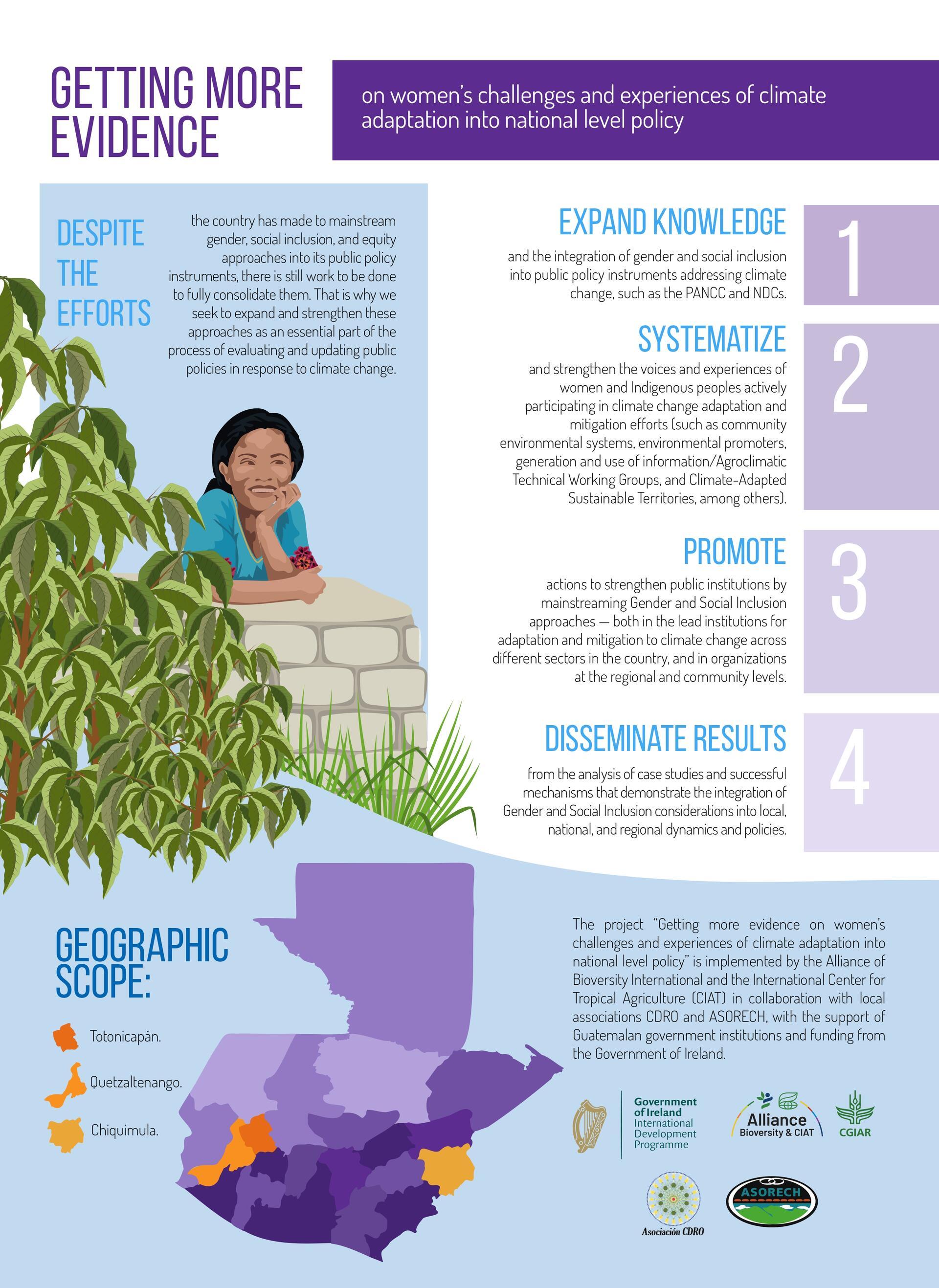
This transformation has been made possible thanks to the project “Gathering More Evidence on the Challenges and Climate Adaptation Experiences of Women in National Policies,” an initiative that seeks to bring local knowledge and solutions emerging from women and communities into decision-making spaces such as the National Climate Change Action Plan (PANCC) and the Nationally Determined Contributions (NDC).
Driven by the Alliance of Bioversity International and CIAT, with the support of the Government of Ireland and in collaboration with the Ministry of Environment and Natural Resources (MARN), the Presidential Secretariat for Women (SEPREM), and the Ministry of Agriculture, Livestock, and Food (MAGA), among other actors, the project has built work networks in vulnerable territories, strengthened capacities, generated evidence, and promoted the active participation of women—including Indigenous women—in climate adaptation and mitigation. Essential to this effort have been alliances with local organizations such as CDRO and ASORECH, as well as with regional actors such as PLACA, COMMCA, CAC, and CEPREDENAC.
A closing that marks new beginnings
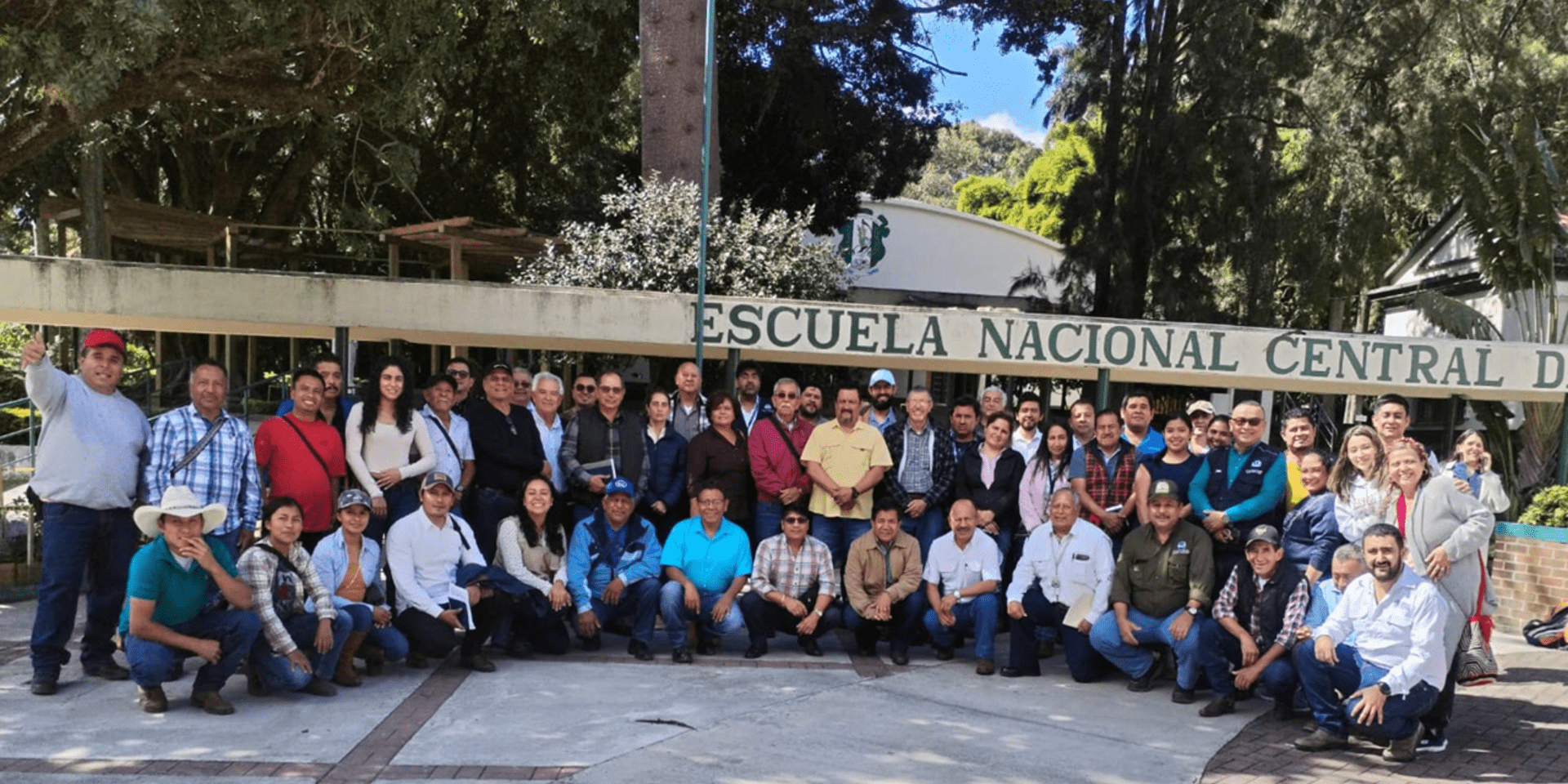
The recent closing event of the project was not simply a conclusion but a meeting point to reflect on achievements, share lessons learned, and, above all, collectively build the road ahead. Over an intensive day, representatives from public institutions, social organizations, and international cooperation partners discussed how to integrate gender equality and social inclusion into the country’s and the region’s climate policies.
The event began with the institutional voices of MARN and MAGA, which underscored the urgency of generating differentiated actions for women and Indigenous Peoples, recognizing their specific contributions and challenges. The team from the Alliance then presented the project’s main results: the evaluation of the 22 Departmental Climate Change Adaptation Plans using gender criteria and the “Reach, Benefit, Empower, and Transform” impact framework; documentation of pilot mechanisms that have strengthened women’s leadership in community environmental management and climate change adaptation; and the creation of methodological tools and recommendations to inform the next iterations of the PANCC and the NDC.
Inspiring experiences from the territories
One of the most enriching moments was the panel forum that brought together five diverse experiences that have made progress in mainstreaming gender into climate action in Guatemala. These included climate monitoring led by Maya women under the WFP program; strengthening community promoters in natural resource management within CDRO; the experience of the Volcanic Chain Project, which has fostered local development through forestry; ASORECH’s initiatives for climate-adapted agriculture; and the environmental governance approaches of GIZ’s EbALAC project. All these stories share a common thread: they arise from the local level, from the everyday experience of climate change, and they strive for a real transformation that includes those who have historically been excluded.
Institutions joining the change
In a second stage, the institutional discussion created space to hear from representatives of national and regional entities (MARN, MAGA, INAB, COMMCA, CAC, CEPREDENAC, and CSUCA), who shared their progress and the challenges still ahead. Good practices were highlighted, such as the participation of rural women in forest incentive programs, the creation of economic empowerment agendas, and the incorporation of the care economy approach into regional policies. At the same time, deep structural gaps that still limit the effective implementation of policies were acknowledged, especially regarding budgets, technical training and institutional coherence.
During group work sessions, participants reflected on the most valuable elements of the shared experiences and developed proposals for indicators to measure the inclusion of gender and Indigenous Peoples in climate action. Proposed ideas included redesigning technical assistance with a differential approach, making ancestral agroecological practices more visible, ensuring Indigenous participation in the governance of protected areas, and producing climate information in local languages.
This collective exercise not only provided concrete inputs for the next updates of the PANCC and the NDC but also reaffirmed the conviction that only with the active participation of all sectors—public and private, communities, institutions, organizations, cooperation, academia, and research—can truly transformative climate adaptation be achieved.
A roadmap for climate equity
The event concluded with a clear message: a gender approach is not an add-on; it is a necessary condition for climate justice. Including women does not mean excluding men; it means building spaces where everyone, regardless of origin or status, can participate and decide. It means recognizing that solutions lie in the territories, in collective wisdom, and in the power of genuine alliances.
This collective effort has not only generated evidence and concrete proposals to improve public policies but has also planted something deeper: trust, collaboration, and recognition.
For Guatemala, it represents a firm step toward more effective and legitimate climate action, built with the voices of those who live with the consequences of climate change every day. Better-informed policies, more attuned to the country’s realities, have a greater chance of being sustainable and generating lasting impact.
For women, especially in rural and Indigenous areas, this process has meant having a space where their experiences are not only heard but valued as knowledge. Their active participation in water, forest, and agricultural management, as well as community planning, improves their quality of life and strengthens the entire community against climate risks.
For Indigenous Peoples, it has been an opportunity for their ancestral wisdom, worldview, and sustainable practices to be recognized as essential elements for an inclusive socio-environmental transformation. Honoring this knowledge is not about looking to the past—it is about recognizing the roots and weaving a fairer future in harmony with nature.
In a context where inequality and the climate crisis are deeply intertwined, processes like this remind us that resilience is built on equity, on the strength of the territories, and on the participation of all.
This is the path for Guatemala not only to confront climate change but to do so in a more united, just, and equitable way, with a vision to protect and transform its present and its future.