Press and News Vitamin A-rich bananas bring better nutrition to Tanzania
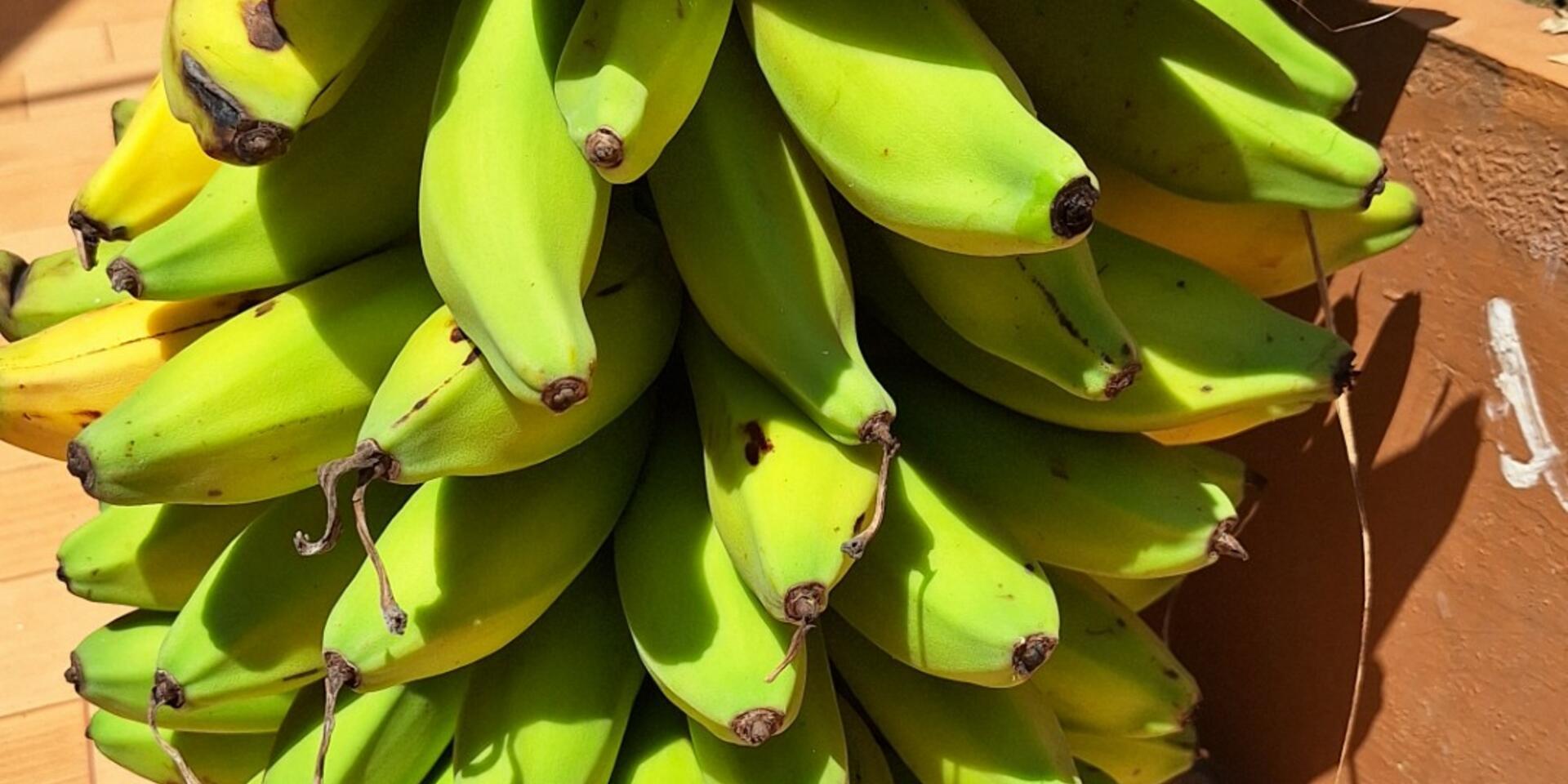

Three new banana varieties that are naturally rich in vital nutrients, including vitamin A, have been released in Tanzania. The varieties are expected to help bridge the nutrient gap, especially among children and other vulnerable groups.
Bananas are a vital source of food in Tanzania, where they are the fourth most important crop for food security and income generation, supporting more than 30% of the population. Tanzania is East Africa’s second-largest banana producer after Uganda and has one of the world’s highest banana consumption rates, estimated at between 280 and 500 kilograms per person annually.
Bananas feed Tanzanians from all walks of life;-from nourishing soups (Mtori) savoured by nursing mothers and street-side snacks (Ndizi Kaanga) enjoyed by children on their way home from school, to the mild beer (Mbege) traditionally consumed by the Chagga people.
They are the primary source of calories for as much as 30% of Tanzania’s population, with people in some rural areas consuming between five and ten bananas per person every day. More than 900,000 farming households rely on banana production for their livelihoods and nutrition.
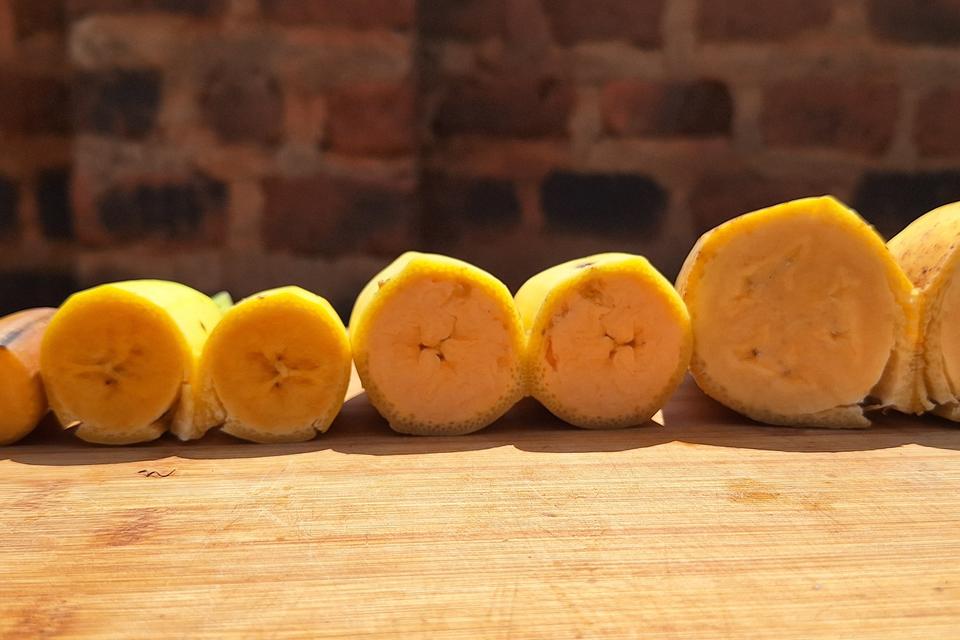
The three new vitamin A-rich banana varieties, namely - Bira, LAHI and Apantu, have been introduced by the Alliance of Bioversity International and CIAT (the Alliance) and the Tanzania Agricultural Research Institute (TARI). Originally grown in other countries, the three new varieties have since been registered by the Tanzania Official Seed Certification Institute (TOSCI).
A staple food can address a nutrient gap
Vitamin A deficiency affects approximately 33% of Tanzanian children under the age of five. As children grow, vitamin A deficiency can cause eye damage and even blindness, in addition to severely compromising the immune system. Historically, supplementation has been the principal intervention proposed to address this public health threat.
However, research has demonstrated that introducing naturally nutrition-rich banana varieties can provide a culturally sensitive and cost-effective alternative.
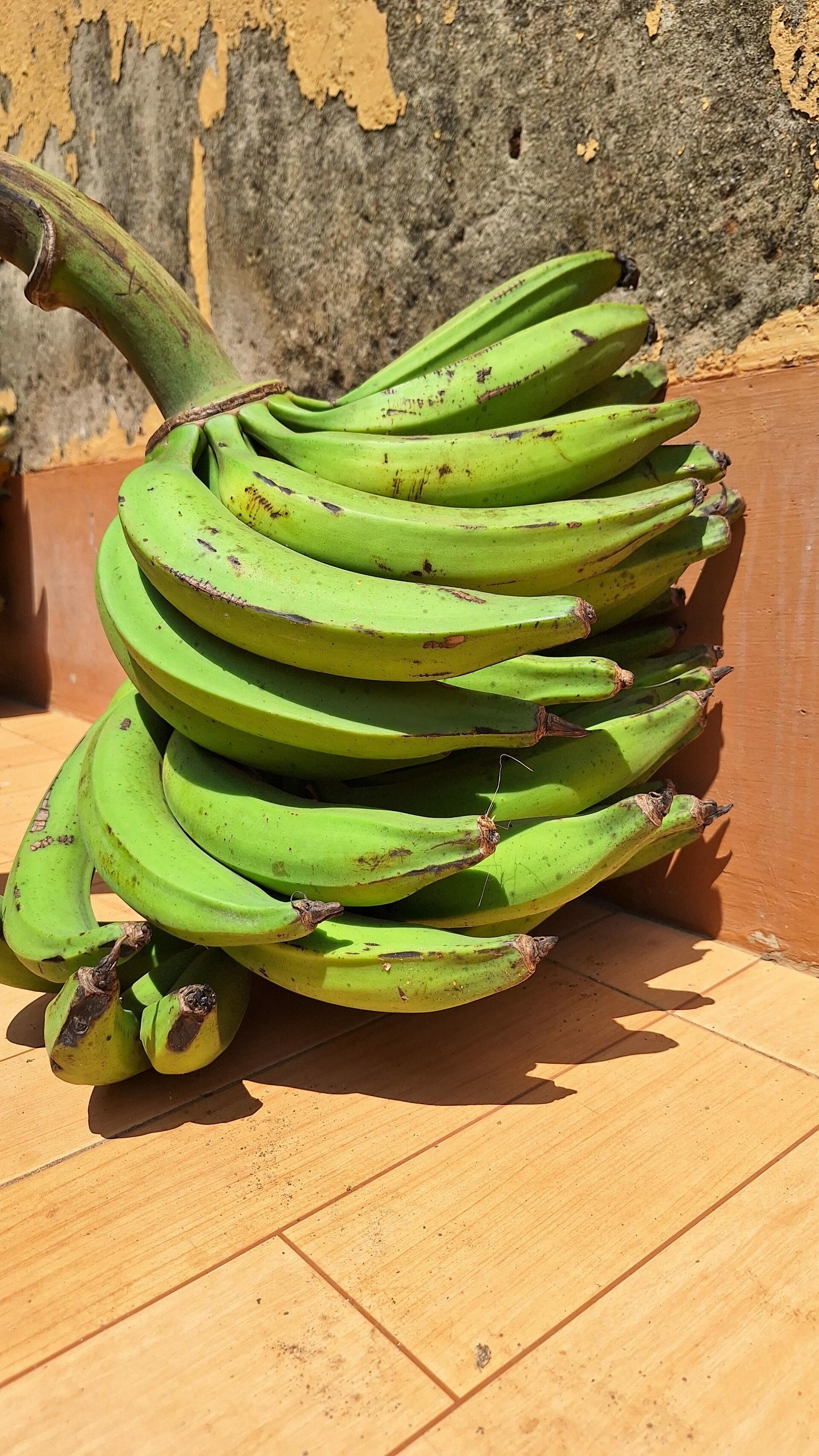
A bunch of freshly harvested Apantu banana variety.
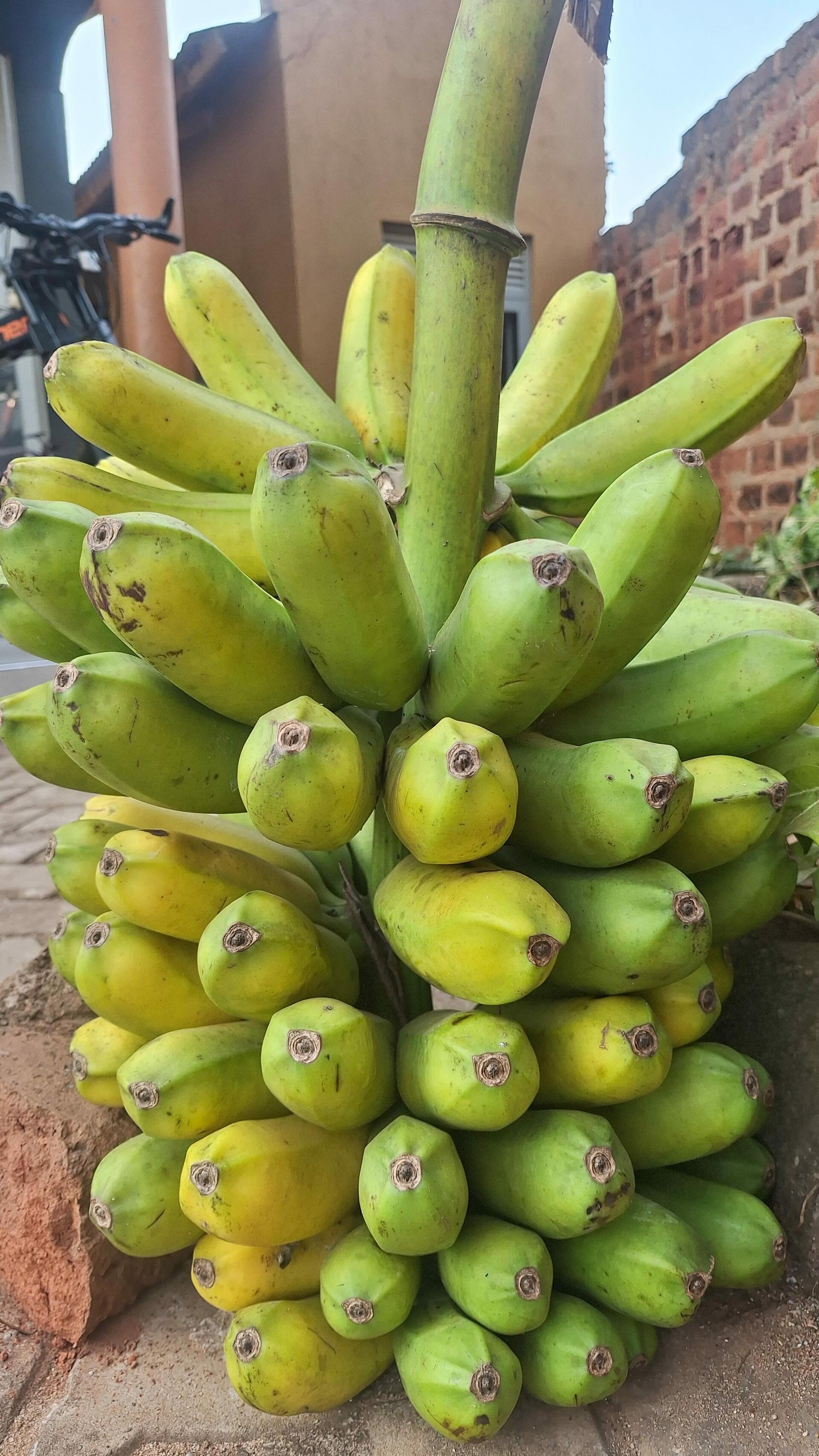
A bunch of Lahi bananas.
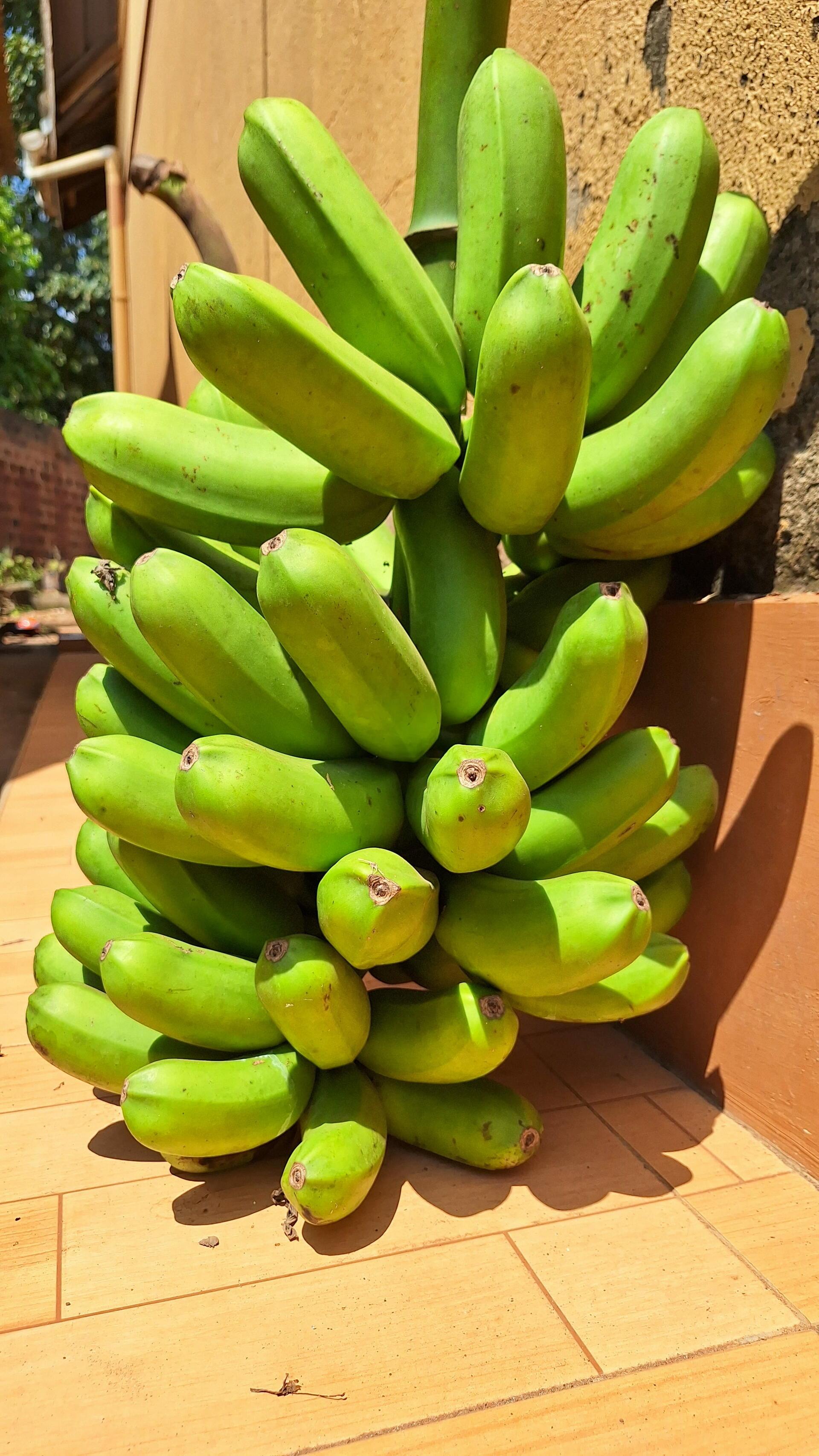
Lahi bananas.
Building on a long history three varieties registered in Tanzania
The three provitamin A-rich banana varieties represent the culmination of years of scientific research.
Bira exemplifies the long journey bananas have taken to reach Tanzanian communities. Although the variety has its roots in distant Papua New Guinea, bananas from this centre of origin reached Tanzania’s Haya community centuries ago. The community established bananas as a staple crop within its traditional Kinja farming system, which supported some of the highest rural population densities in tropical Africa. Bira plants also produce multiple suckers. This means that once the plants’ mats - their underground stem systems-are established, farmers can easily propagate the shoots and share them with their neighbours.
Researchers from the Alliance, which maintains the world’s largest collection of bananas, and TARI have collaborated to test and disseminate these banana varieties. Eleven promising varieties were initially identified from the Alliance’s Belgium-based Genebank and subsequently evaluated by TARI in Tanzania in collaboration with local communities.
The three best-performing varieties were selected based on their agronomic performance and the acceptability of their fruit. Their registration marks the culmination of a decade of scientific research dedicated to developing nutrient-rich banana varieties suited to Tanzania’s cultivation conditions and consumers’ needs.
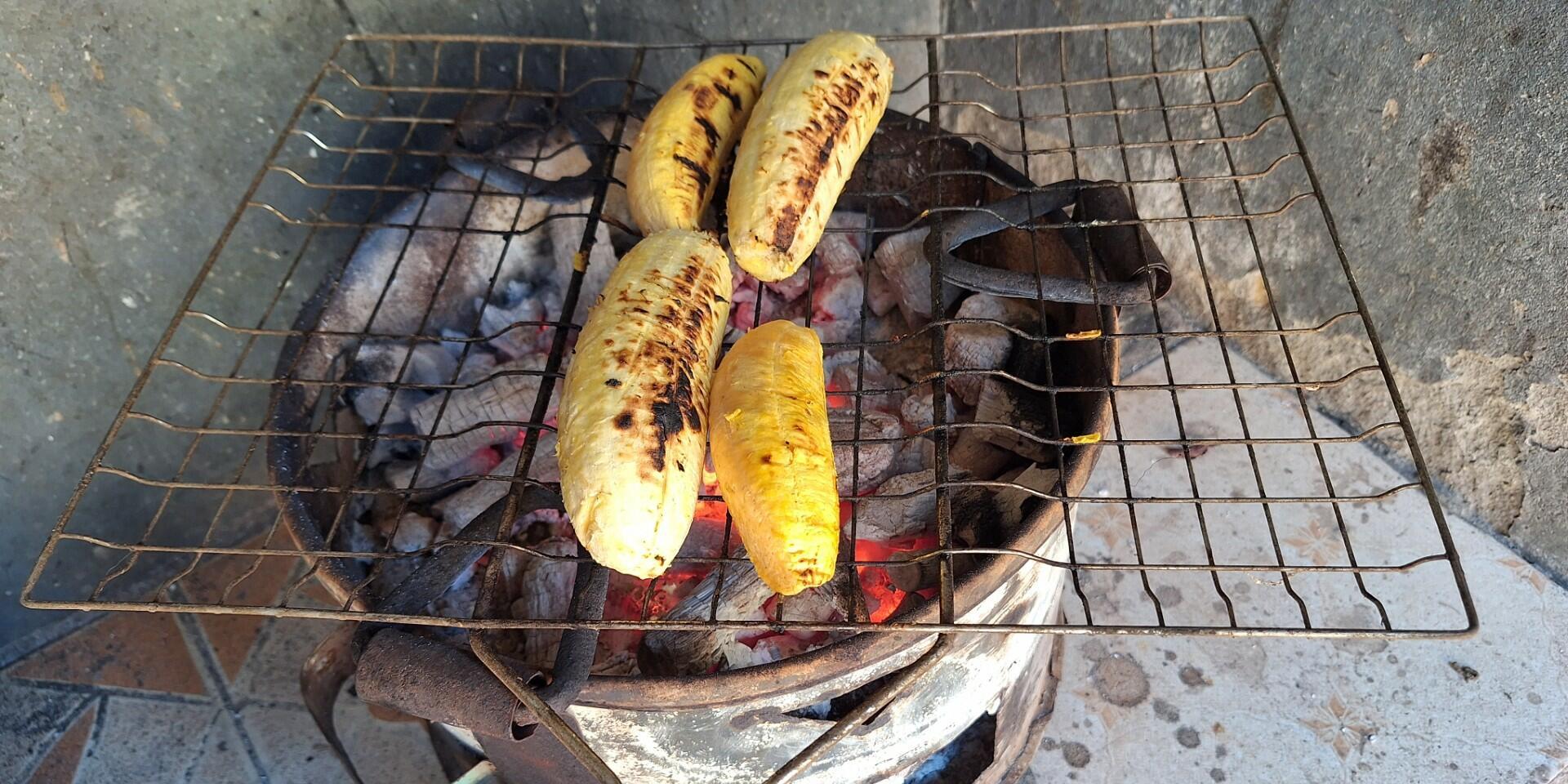
Bira bananas roasting on a charcoal stove/jiko.
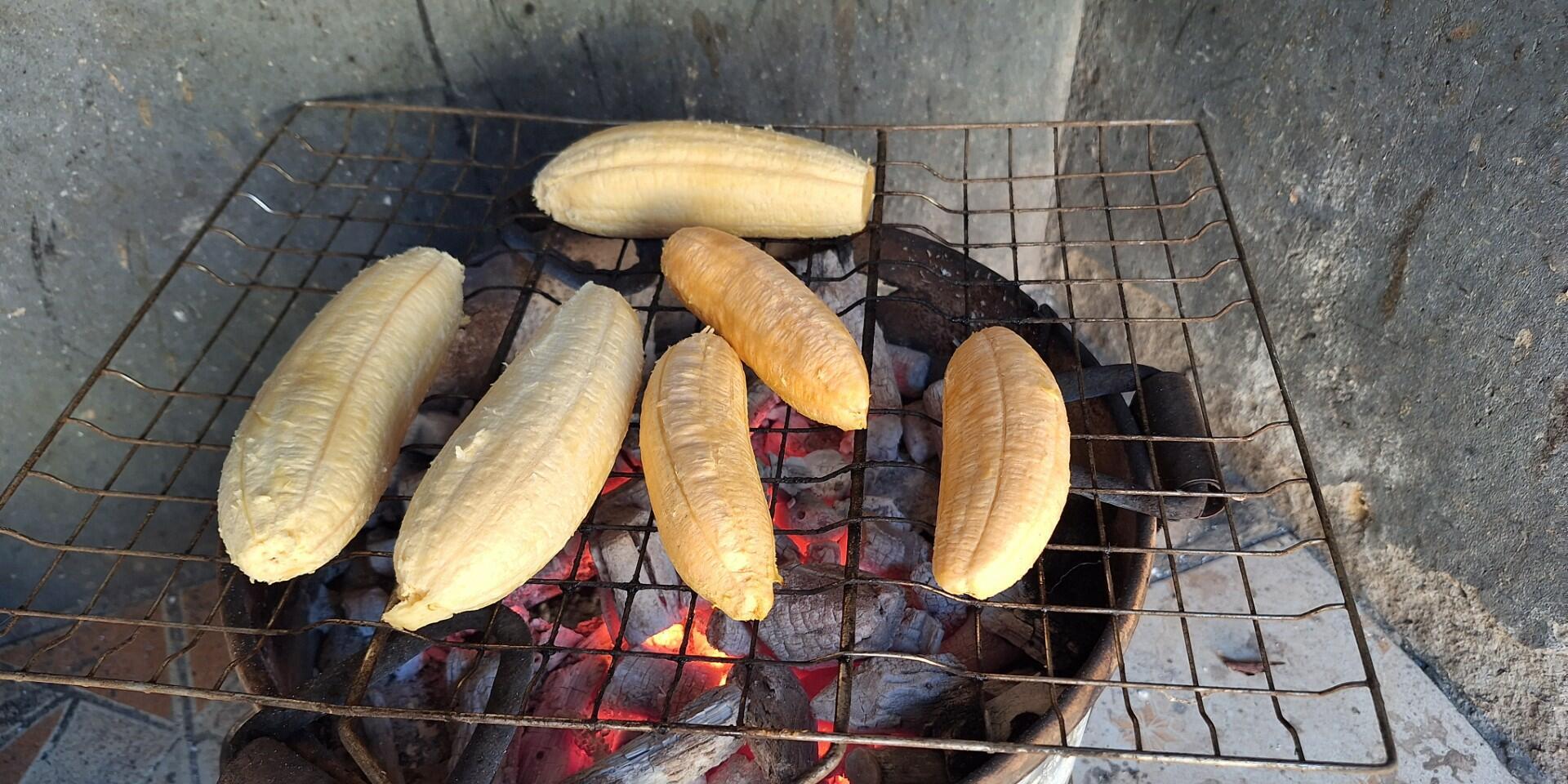
Bira bananas.
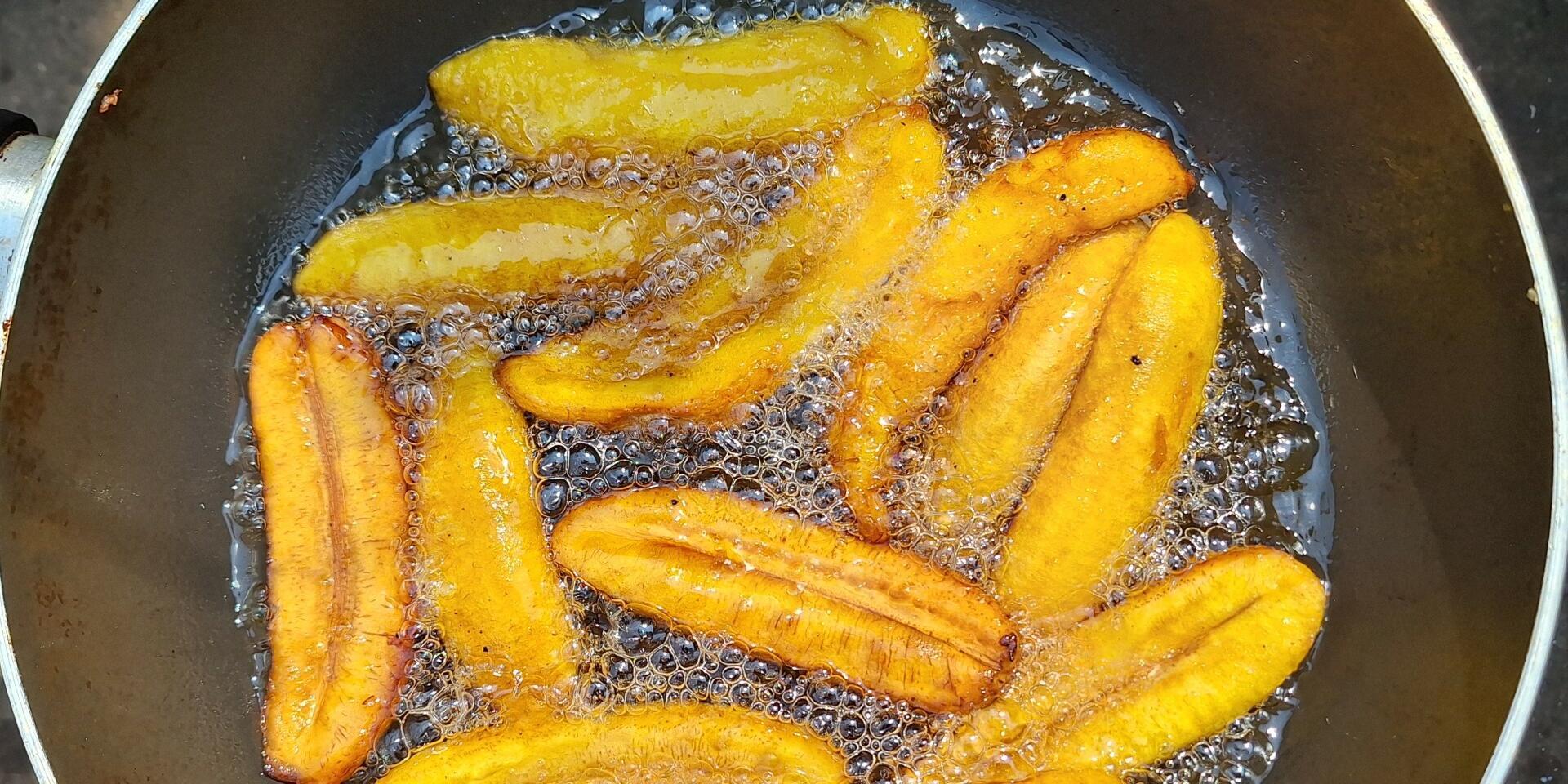
Bira bananas being shallow-fried in a pan.
Dr Deborah Nabuuma, a researcher at the Alliance, expressed optimism that the new banana varieties would benefit stakeholders across the value chain - from producers to consumers.
“This research has brought us to the point where farmers can increase diversity on their farms, thereby improving access to and consumption of foods rich in vitamin A and enhancing consumers’ health,” she said.
Dr Mpoki Shimwela, Senior Banana Breeder, TARI, welcomed the registration as a significant milestone for both farmers and consumers.
"The release of these vitamin A-rich varieties marks an important step towards strengthening food and nutrition security in Tanzania. With the varieties now officially registered, larger-scale promotion and dissemination can proceed, bringing the potential benefits of vitamin A-rich crops to more farming communities,” he said.
Media contacts
- (For EurekAlert) Press Officer: Eliot Gee - [email protected]
- Media Consultant: Rachel Kibui - [email protected], +254 721898931