Blog Valle del Cauca is advancing toward the regeneration of soil and life
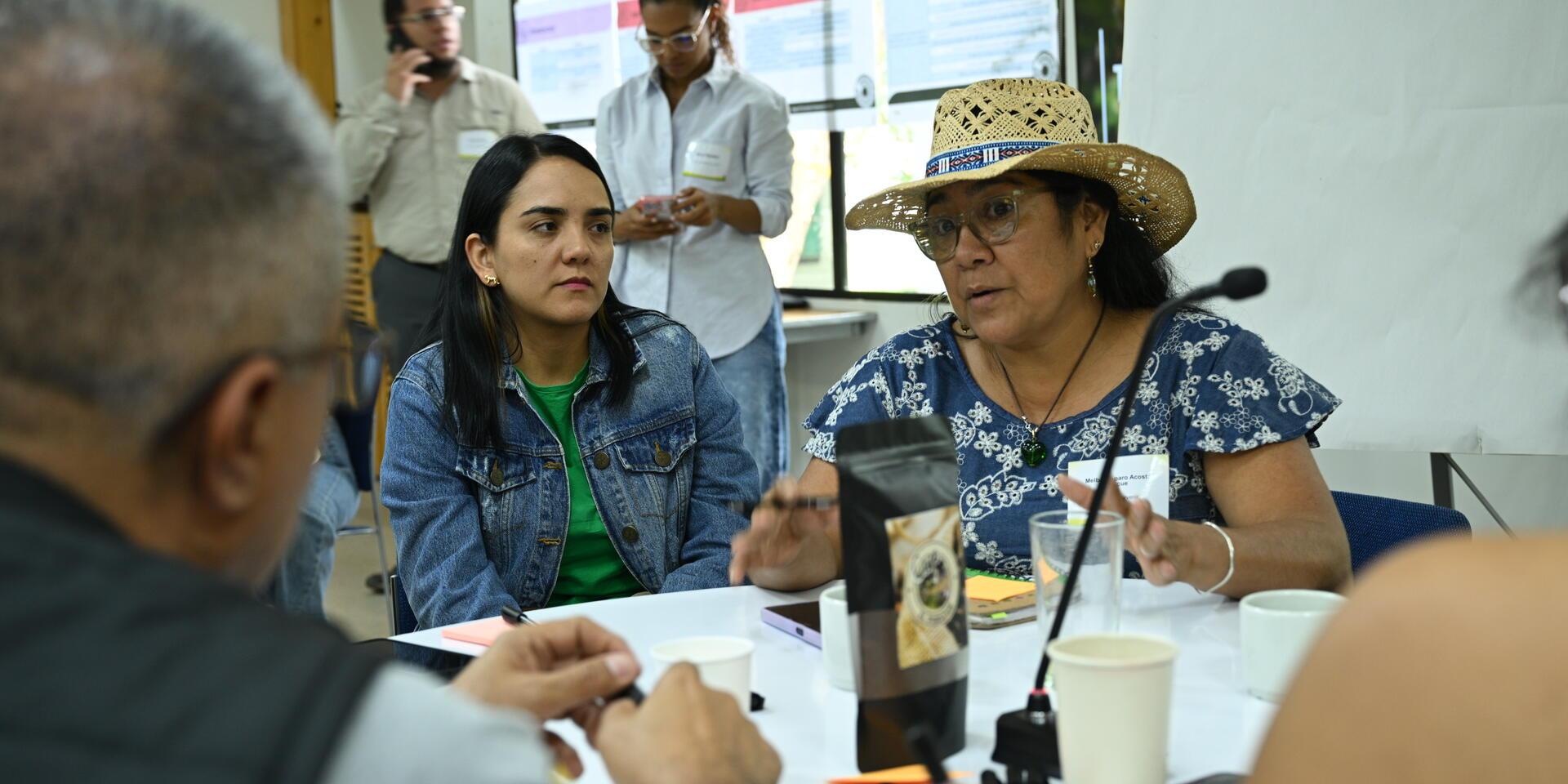
The phoenix is said to be able to rise stronger from its own ashes. It symbolizes the possibility of starting over, even when everything seems to be over. At 1,800 meters above sea level, in the village of Coyuyos, an hour and a half from Ginebra, this idea is no longer a myth and takes shape at El Porvenir farm, where, more than a decade ago, something was also reborn.
Surrounded by the landscape of Valle del Cauca, Amparo Acosta works to recover the life of the soil while producing food. From her farm, the view opens up in panoramic: the Cauca River, Cerrito and, on the clearest days, you can see a little bit of Cali. Getting there is not easy. You have to go up an unpaved road, one of those that are traveled by motorcycle or walking, with shoes full of dirt.
Amparo has understood that regeneration is not a technique: it is a process. She has been deeply engaged in agroecology for more than 15 years, putting it into practice in her territory. "I traded life on the runways as a fashion designer for soil under my nails." She is part of the fifth generation of farmers in her family, and taking care of the land is, in addition to her way of life, a way of honoring her indigenous memory.
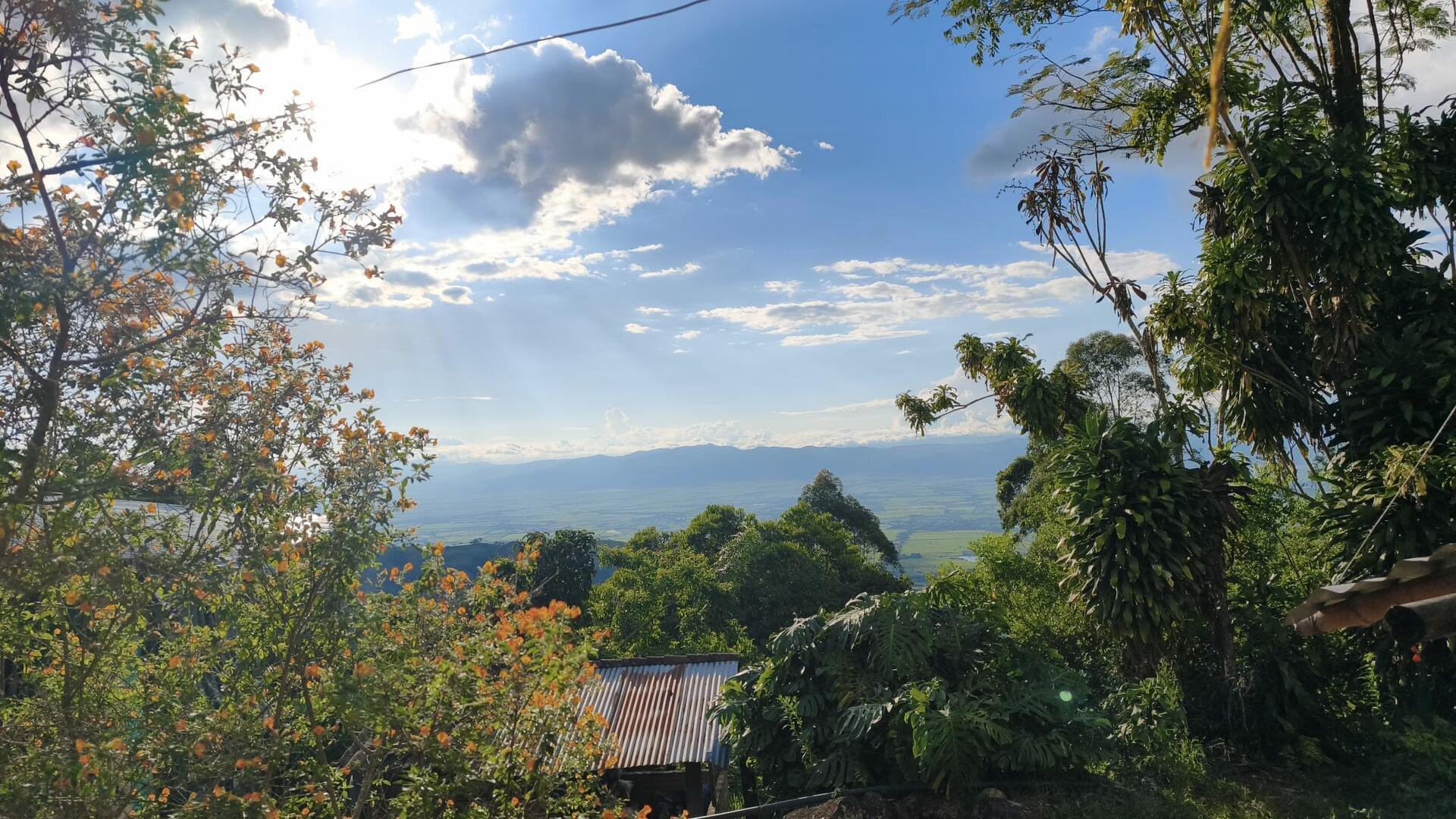
For her, regeneration means restoring the soil, but also improving food, air, and health; in her words, it is "regenerating the social fabric from the ground to the sky". On her farm, this translates into an agroecological garden, no chemicals, and allowing hectares of forest to grow back. Little by little, life has returned: today, there is fauna that was not seen before.
Like Amparo, more and more farmers are betting on taking care of the territories to regenerate. It is part of a broader transformation that is starting to take hold in Valle del Cauca.
Caring for the soil to transform the food system
In Colombia, it is estimated that about 40% of the territory has some level of erosion. Torrential rains and long periods of drought affect the soil’s physical properties. Soil compaction, caused by a lack of moisture, loses its capacity to retain water and nutrients, making it increasingly difficult to produce food without relying on external inputs. The cost translates into more fragile soils, more vulnerable production systems, and increasingly expensive food.
Amid this reality, initiatives such as regenerative agriculture are born, which combine scientific innovation with traditional agricultural practices; approaches that promote food production in balance with the environment, without subtracting from it, without degrading it, while restoring and strengthening biodiversity.
Valle del Cauca: a Hub for regeneration
But understanding regeneration is not enough: it is also necessary to measure it. Because what is measured, is understood; and what is understood, allows its value to be evidenced. And this is precisely the central idea of the Valle Regenerativo project.
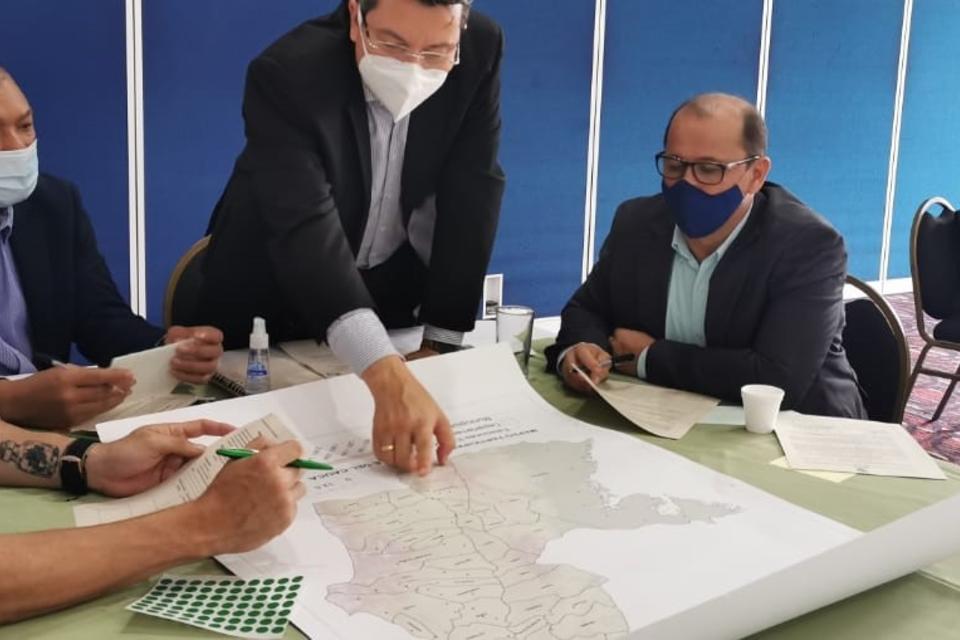
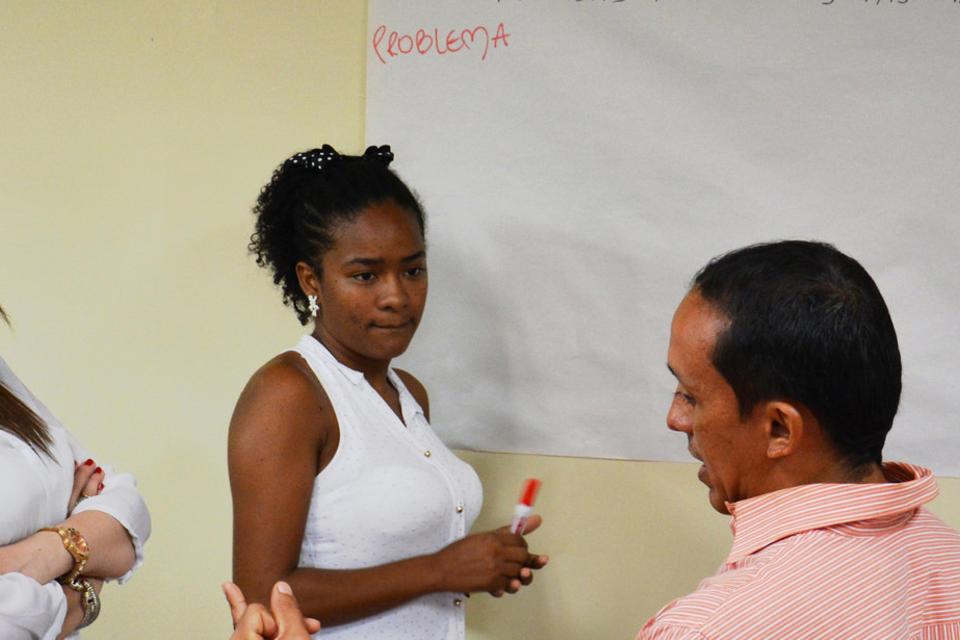
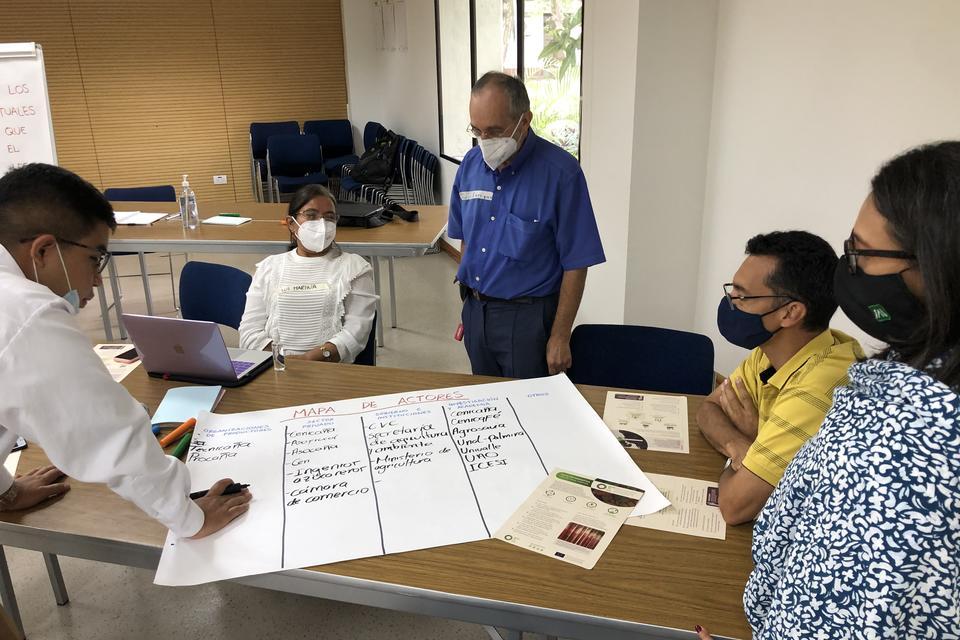
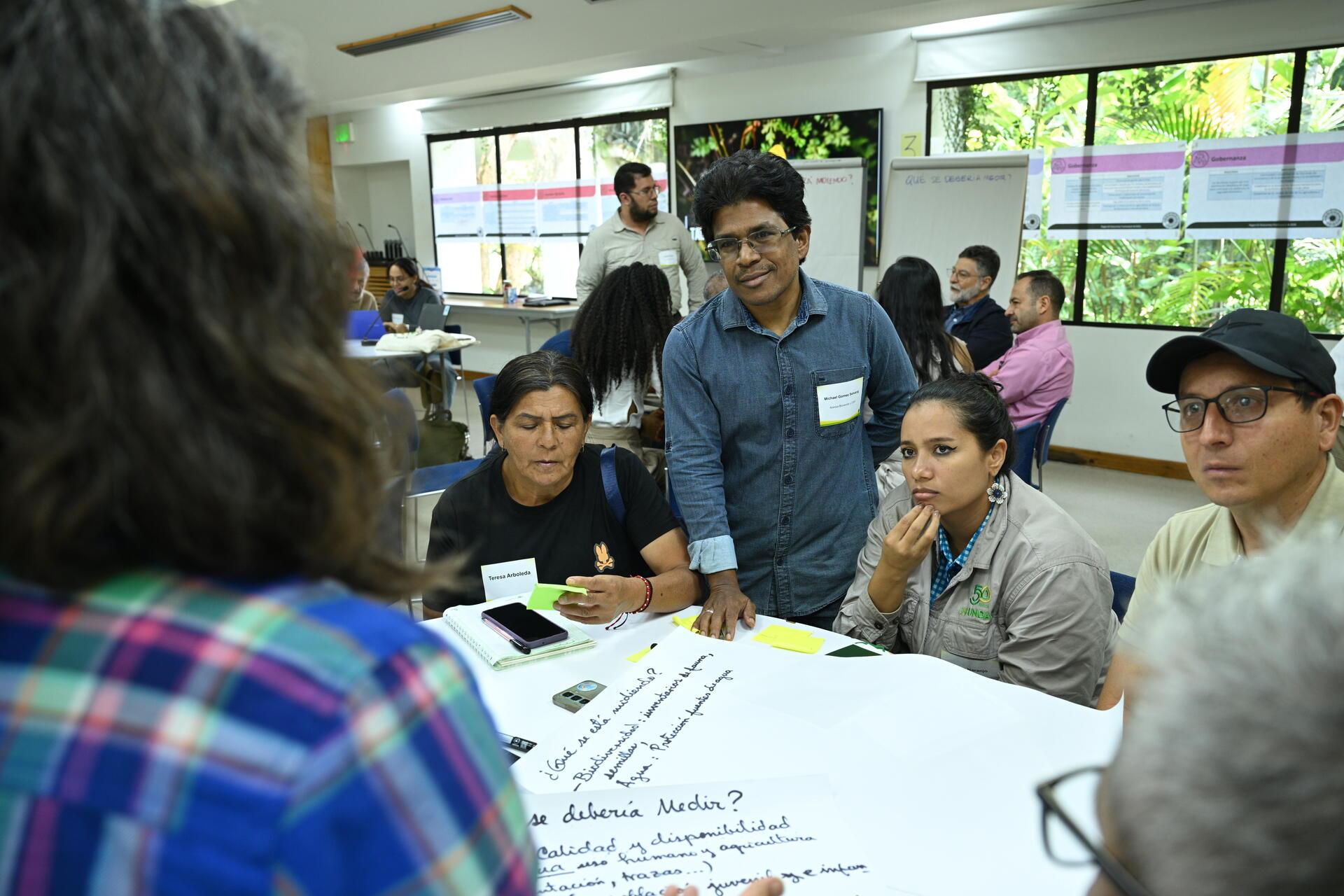
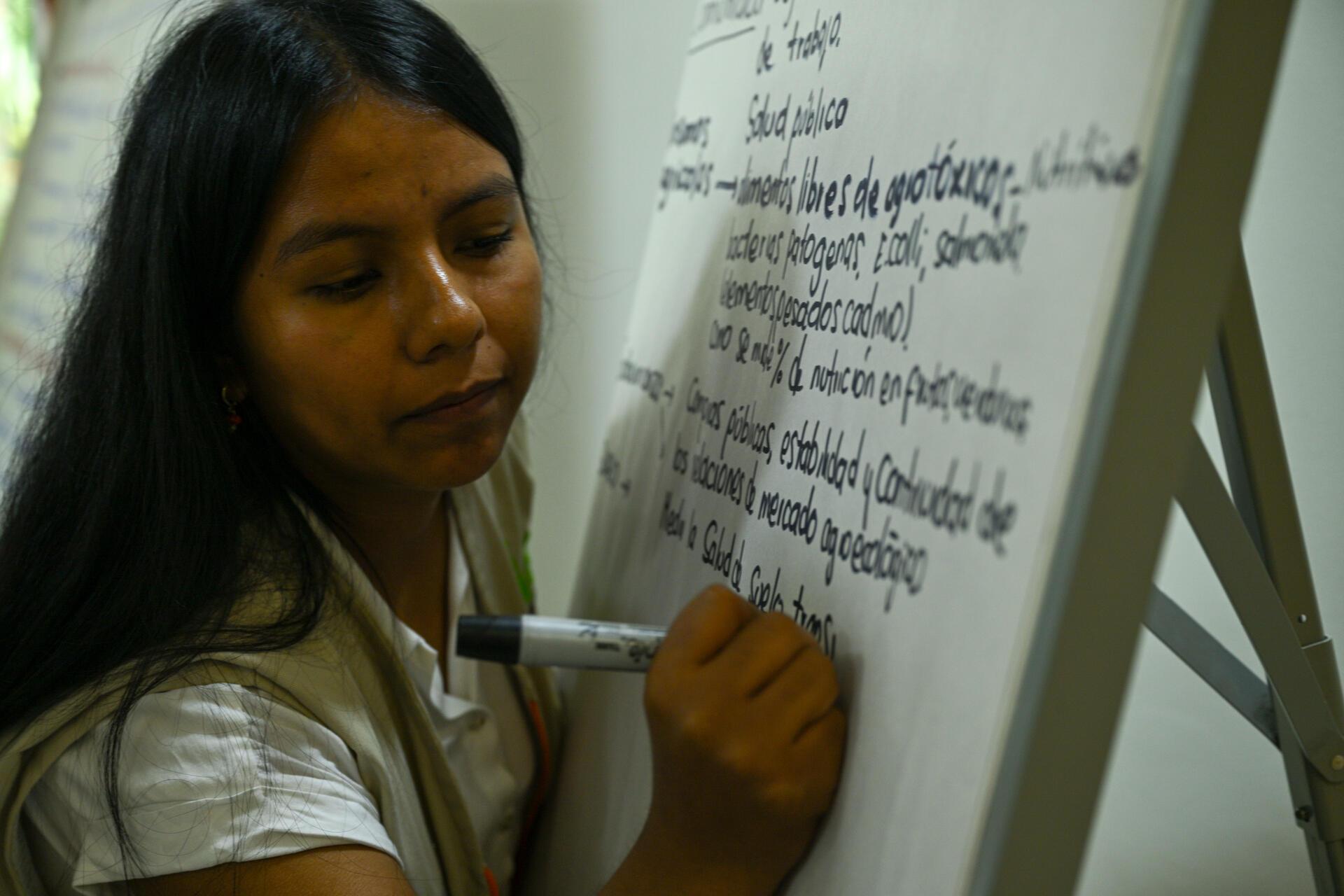
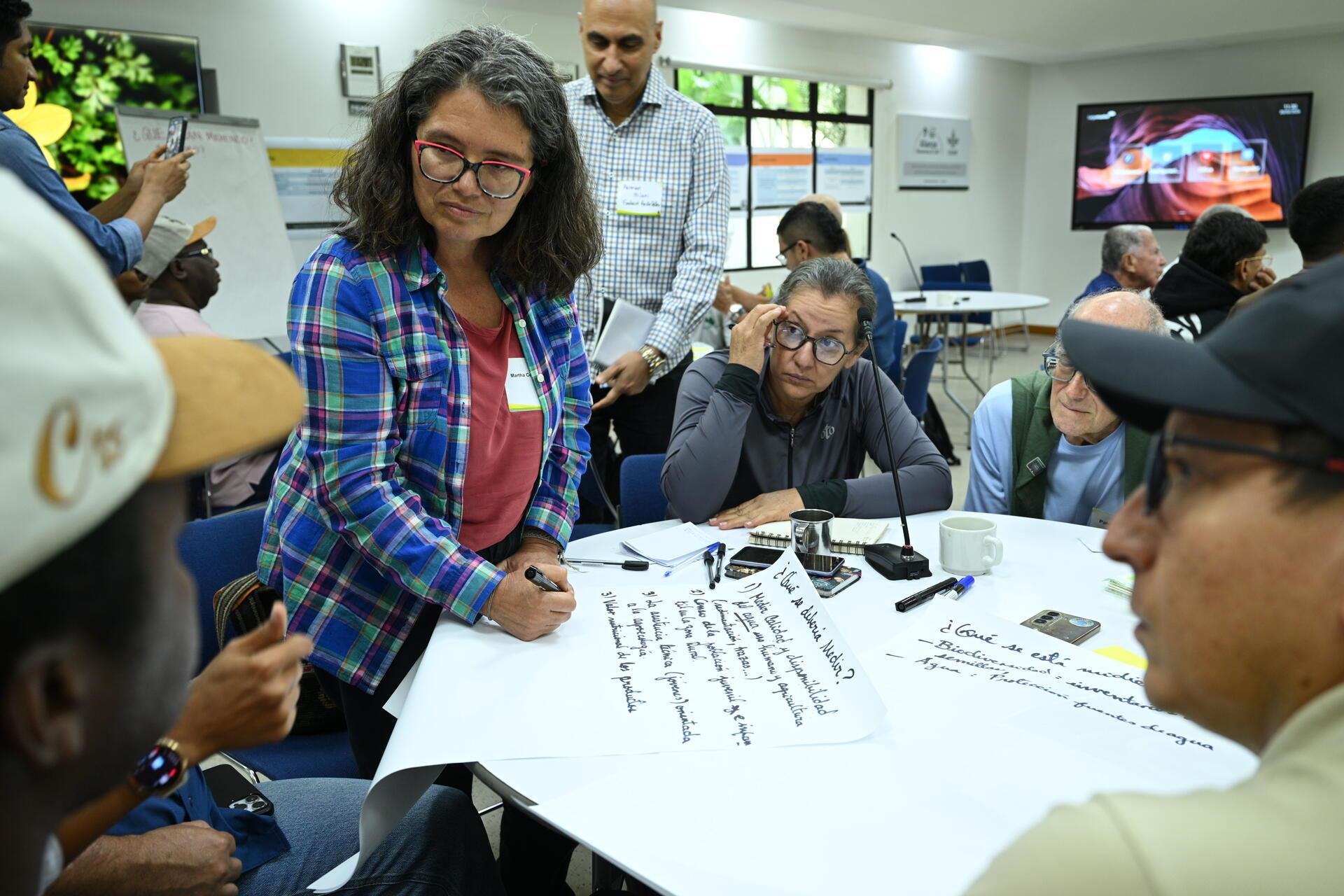
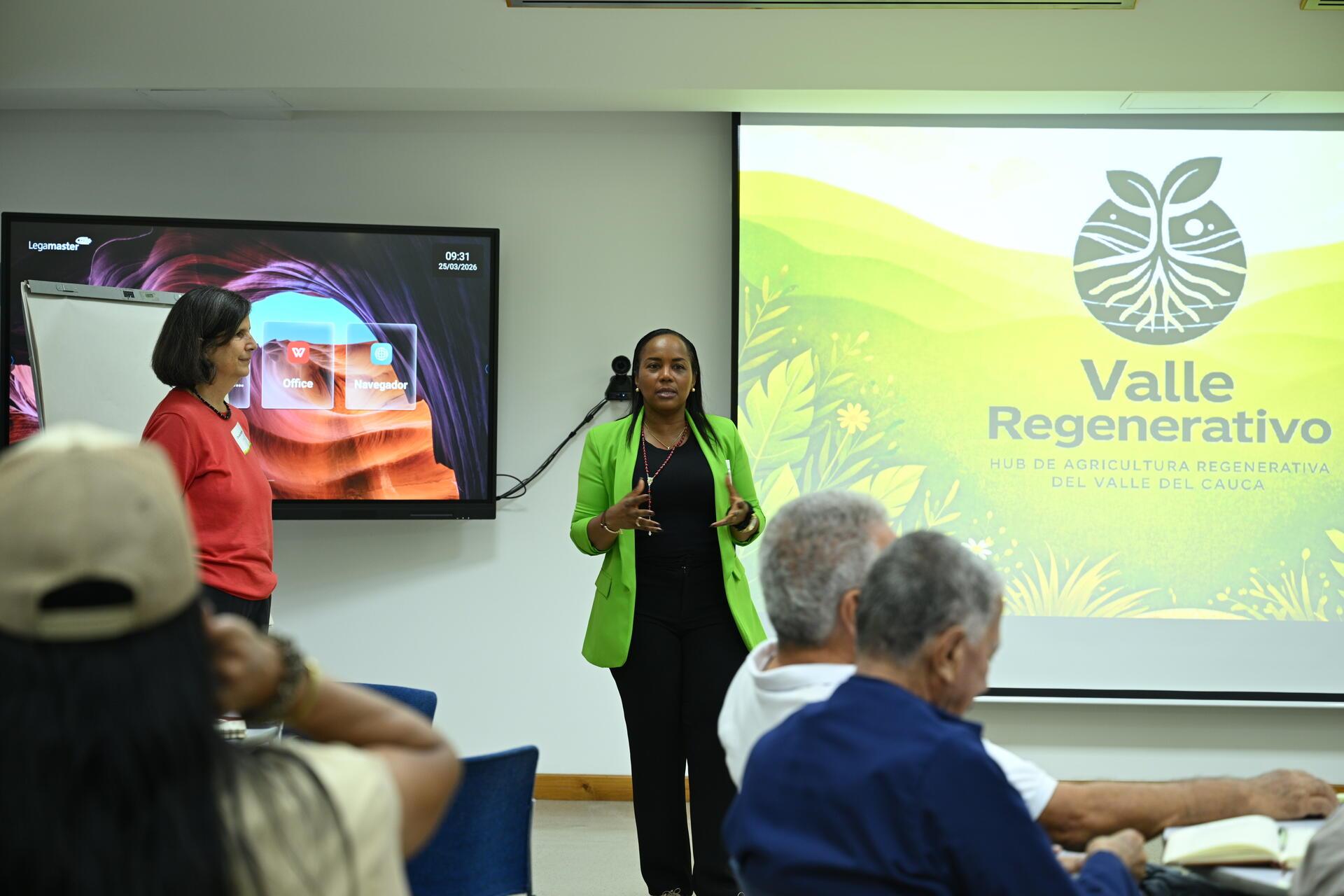
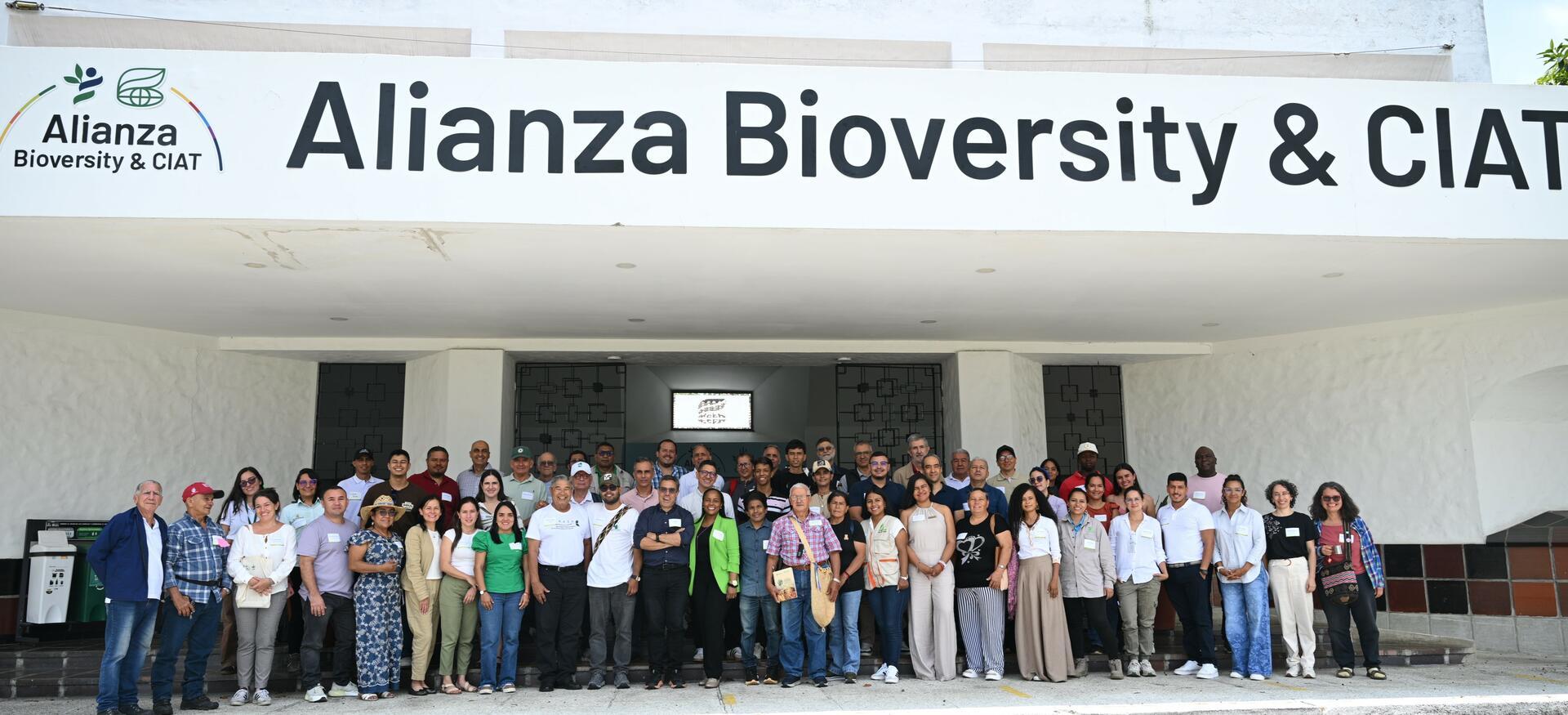
On March 25, more than 50 stakeholders from the department, including producers, companies, academia, and institutions, among them Amparo, participated in the first workshop of the Valle Regenerativo Hub, where they began to jointly build a route to measure and strengthen these processes in the territory.
"Making a lasting impact requires investing in institutions, partnerships, and scalable solutions. Through the Valle Regenerativo Hub, the Rockefeller Foundation brings together CIAT and the Foundation for the Application and Teaching of Science (FUNDAEC) – two institutions it has helped lay the groundwork for – along with its grantee, the Food and Land Use Coalition (FOLU), and other partners," says Maya Rajasekharan, Managing Director for the Americas of the Alliance Bioversity & CIAT."
This project seeks to develop a monitoring and validation system to evaluate regeneration, with emphasis on soil health, and to generate evidence on its environmental, social, and economic impacts.
"We hope to generate a baseline and bring stakeholders together to measure progress in implementing regenerative practices. One of the great impacts is to be able to record that progress. Valle del Cauca is the first region to join with public and private actors, companies, and institutions to implement these practices," says María Fernanda Álvarez, scientist at the Alliance Bioversity & CIAT.
The meeting was attended by organizations such as ICESI, Universidad Javeriana, Cavasa, Hacienda El Hatico, Asohofrucol, and Agrosavia, together with producers who have already been working along this path. Possible indicators were identified, experiences were shared, and lines of work were defined to start measuring them over the next two years.
Beyond the data, the process reflects something deeper: a region that is beginning to recognize the need to regenerate its soils and transform the way it produces. The articulation between public and private actors, companies, academia, and producers shows that regeneration is not only an individual practice but a collective commitment.
For Peiman Milani, director of the food systems area for Latin America at the Rockefeller Foundation, this type of initiative is only possible from an integral perspective: "The food system is profoundly multidimensional, and it is necessary to integrate all perspectives; otherwise, it is very difficult to achieve a systemic approach that generates real benefits for the whole of society. The dynamics, collaborative spirit, and shared vision that are being built in Valle del Cauca are key to transforming the food systems in the territory," he says.
This process is being developed within the framework of the food systems coalition of the department, a space in which the Governor's Office of Valle del Cauca and various organizations articulate efforts to transform the food system and position the department as a benchmark in regenerative agriculture. This is complemented by the ordinance of the Departmental Agroecological Plan, which makes Valle del Cauca the first in the country to have this instrument.
"I am very optimistic that we can find a way for the countryside to keep producing and to remain the foundation of humanity and our communities," Amparo concludes.
Project Leader
Michael Gomez Selvaraj
Leader, Digital Agriculture PlatformRelated content