Blog Uniting Tanzania’s seed sector: Accelerating demand-driven transformation through public -private partnerships

Tanzania’s ACCELERATE Initiative is transforming the seed sector by linking research, markets, and farmers through public–private partnerships, boosting improved seed adoption, strengthening systems, and driving demand-led agricultural growth.
Tanzania’s seed sector is at a turning point
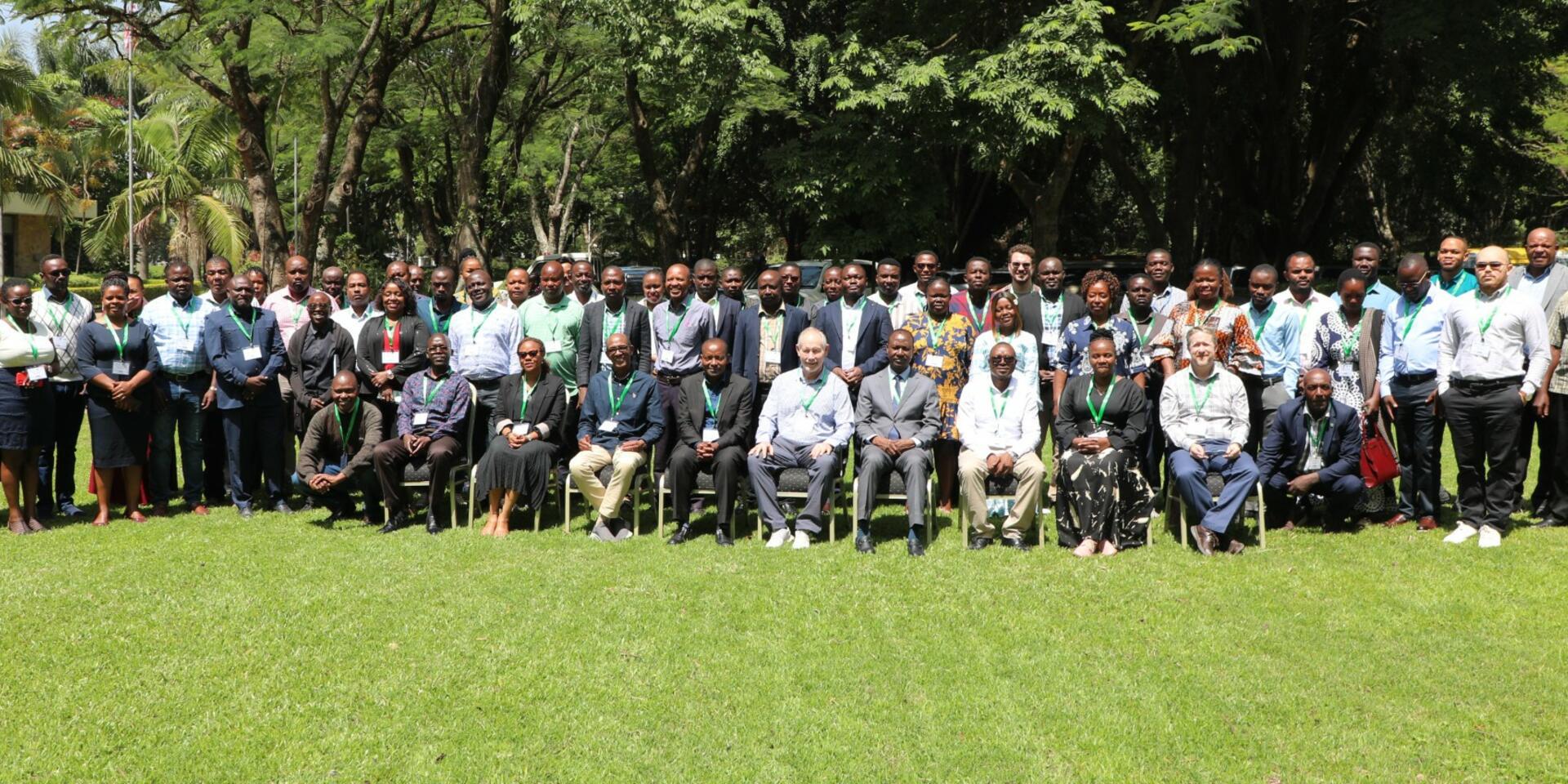
In February 2026, farmers, breeders, regulators, grain traders and processors, seed producers, digital innovators, humanitarian institutions and non-governmental organisations (NGOs) gathered in Arusha, Tanzania, to reflect on progress under the Accelerated Variety Turnover for Open-Pollinated Crops in Tanzania (ACCELERATE) Project and to confront a pressing question: how do we move from successful pilots to a fully market-connected, self-sustaining seed system?
Led by Alliance of Bioversity International and CIAT (The Alliance), through the Pan-Africa Bean Research Alliance (PABRA), in collaboration with International Maize and Wheat Improvement Centre (CIMMYT), Tanzania Agricultural Research Institute (TARI), and Tanzania Official Seed Certification Institute (TOSCI), the Initiative is reshaping how improved varieties move from research stations to farmers’ fields and ultimately to markets.
ACCELERATE centers grain traders and processors to drive varietal change, aligning market demand with seed supply and farmer incentives, while tackling slow adoption of improved varieties, weak seed systems with limited access to early generation seed, and growing climate pressures on productivity.
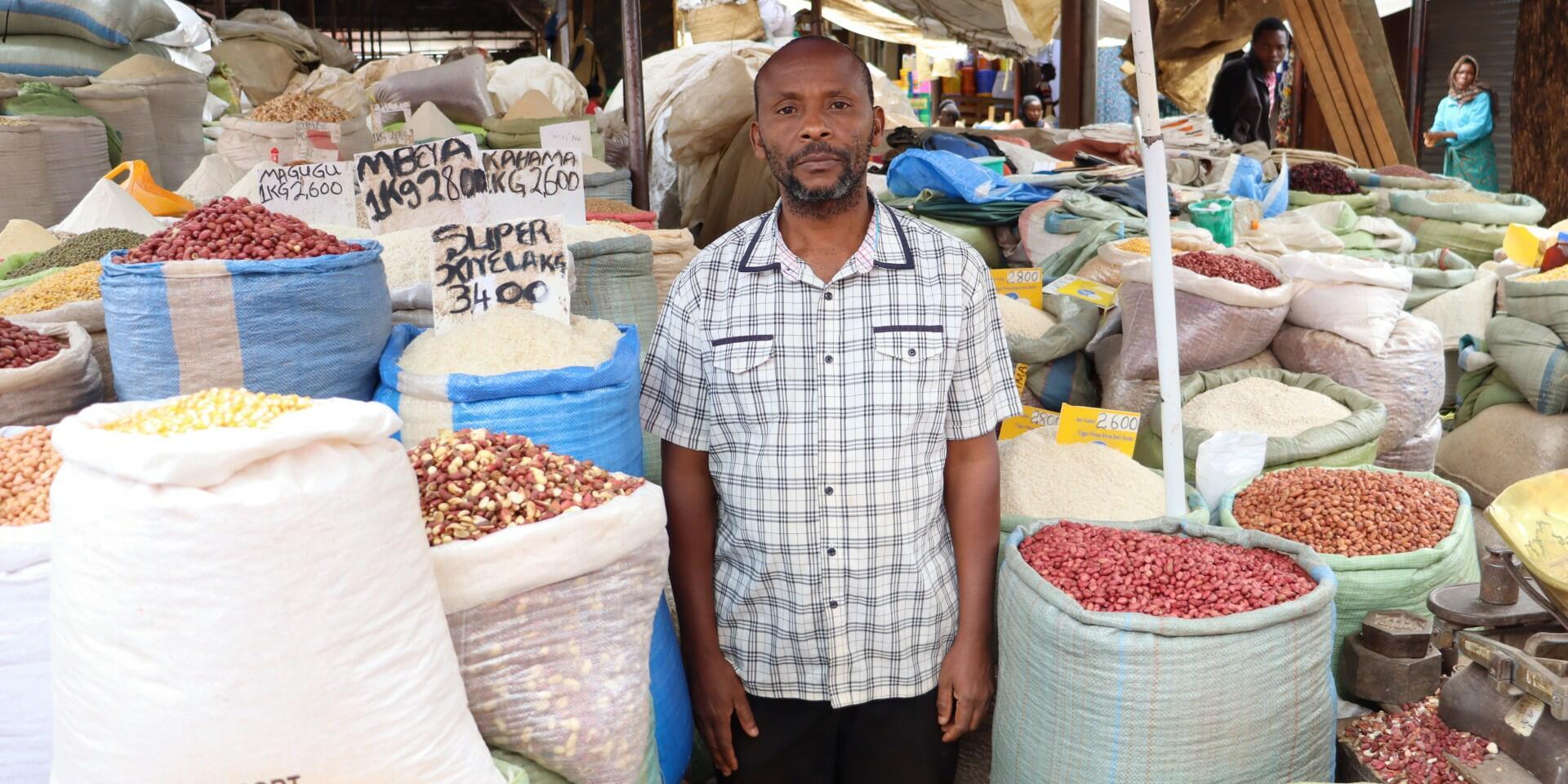
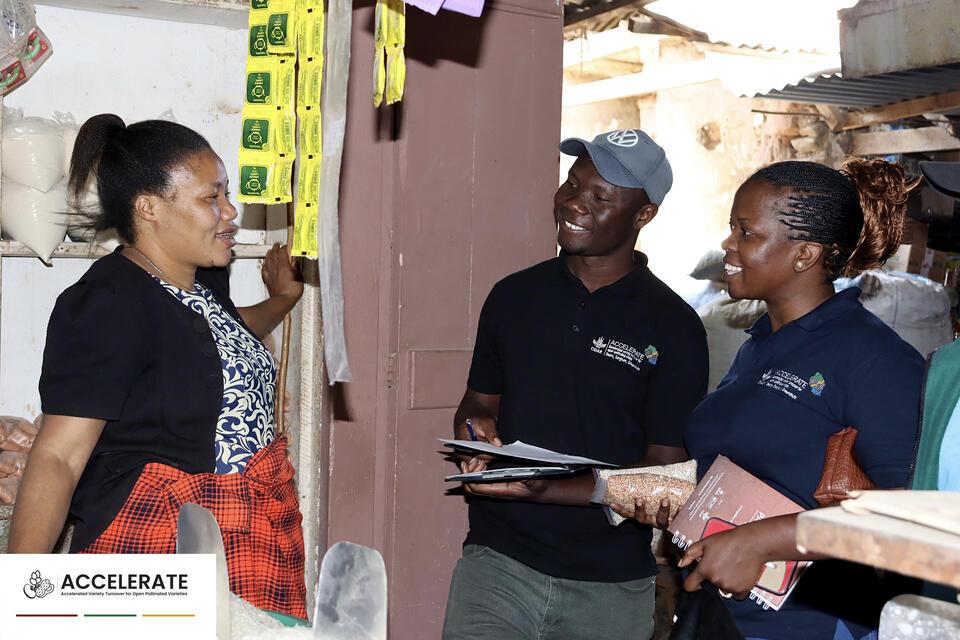
From farm to market: traders and grain retailers play a decisive role under ACCELERATE. Credit: CIAT
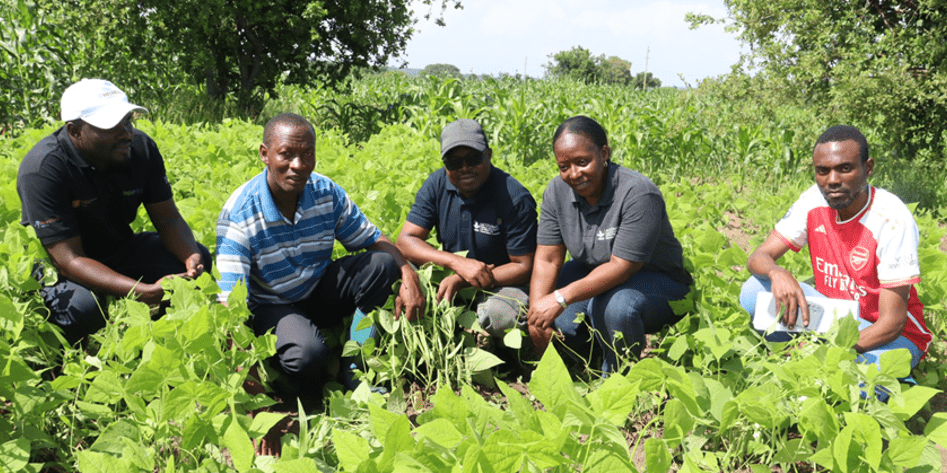
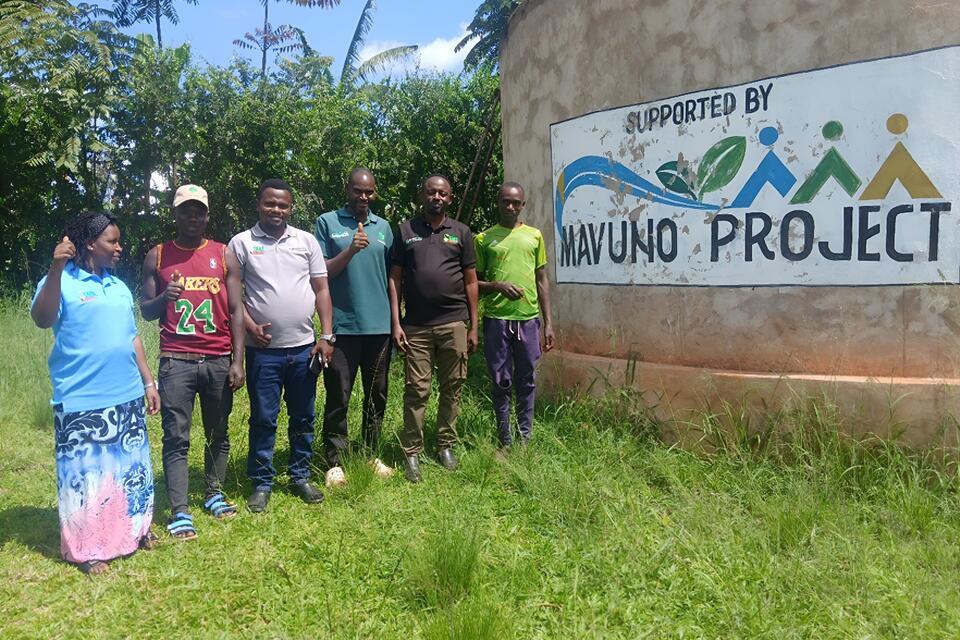
A Lead farmer in Singida hosting demo plot to create awareness about new varieties to the farming community. Credit: CIAT
From pilots to measurable progress
Three years into implementation, the numbers reflect meaningful progress, thanks to the deployed Multi-stakeholder Platform (MSP) framework. A key focus has been strengthening Tanzania’s Quality Declared Seed (QDS) system – a decentralised model that allows trained farmers and groups to produce quality seed locally under regulated standards.
Early-generation seed production has expanded rapidly. Project Leader Justus Ochieng reported significant growth across several crops. Production of common bean varieties less than 10 years old increased from 8 tonnes in 2022 to more than 70 tonnes in 2025. Furthermore, groundnut production also surged, doubling to 170 tonnes in 2025, while sorghum production rose sharply from 6 tonnes in 2022 to 36 tonnes in 2024.
The private sector has also stepped forward. Seed companies collectively reported 455 metric tonnes of certified seed produced through private investment, signalling growing ownership beyond project funding.
According to Areth Kibaraza, Research Officer at TOSCI, this growing collaboration signals a shift toward sustainability.
“The increasing involvement of traders shows that the system is beginning to sustain itself,” he noted.
The QDS training curriculum for traders and producers has also evolved. Beyond technical seed production, it now includes entrepreneurship, gender inclusion, and youth participation, positioning seed production as a business opportunity rather than simply an extension activity.
Cover Image: Stakeholders during the Accelerate Project meeting in Arusha, Tanzania, on 12 February 2026. Photo Credit: CIAT