Blog Tailoring innovative agricultural solutions to address Zambia’s climate challenges


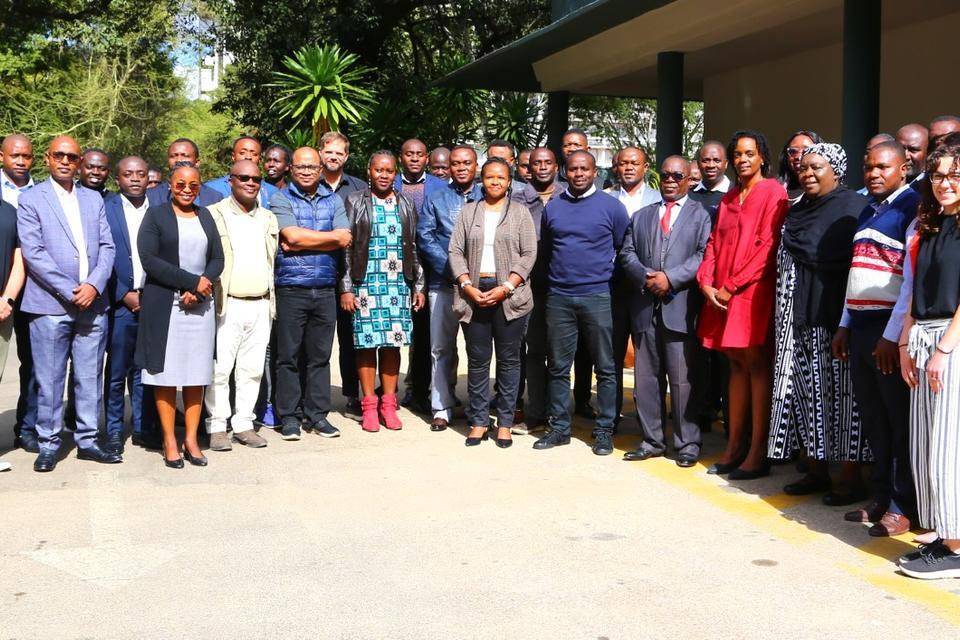
AICCRA organized a three-day workshop in Lusaka from 18th to 20th November 2024, gathering stakeholders to explore implementing transformative tools like Crop Decision Trees (CDTs) and the Zambia National Crop Monitor to address urgent agricultural challenges.
In the 2023/24 agricultural season, Zambia grappled with a severe El Niño-induced drought, devastating over 1 million hectares of cropland. This crisis forced the President to declare a national disaster1, as maize yields plummeted by 30-40%, threatening food security for millions. "The lack of rain has devastated the agricultural sector, affecting more than one million families," said President Hakainde Hichilema, underscoring the scale of the crisis. The agricultural sector’s struggles contributed to a slowdown in real GDP growth to 1.9% year-on-year in the first half of 2024, down from 4.3% during 20232, indicating significant decline in the economy.
Against this backdrop, and recognizing the urgent need for actionable solutions, a three-day workshop in Lusaka, organized by Accelerating Impacts of CGIAR Climate Research for Africa (AICCRA), brought together stakeholders from 18th to 20th November 2024 to explore the possibilities of implementing transformative tools, including Crop Decision Trees (CDTs) and the Zambia National Crop Monitor.
The crop monitor enhances global agricultural monitoring through advanced remote sensing and international consensus, while crop decision trees provide location-specific systematic recommendations for climate risk responses, considering crop stages, and seasonal and sub-seasonal forecasts. The workshop aimed to assess how these innovations could be adapted to the Zambian context to empower farmers with timely, science-based advisories, ultimately contributing to a more resilient and sustainable agricultural future for the country.
A Message from the Ministry of Agriculture
Speaking at the workshop, Mr. James Kalengo, Director of Information, Communication, and Technology (ICT) at the Ministry of Agriculture, Zambia, highlighted the pressing need for innovative tools to address longstanding gaps in the country’s agricultural advisory systems. This dual focus on innovation and integration reflects the Ministry’s broader mission to modernize Zambia’s agricultural advisory landscape, ensuring that solutions are both impactful and sustainable for the long term.
“We welcome the investments that AICCRA is making to transform our agricultural systems. The Crop Decision Tree and the Zambia National Crop Monitor are critical tools in addressing climate-related challenges and ensuring food security. These efforts align with our vision for a resilient agricultural sector, and by integrating them with existing platforms such as the e-extension system, we can empower farmers to thrive even in the face of climate uncertainty.”
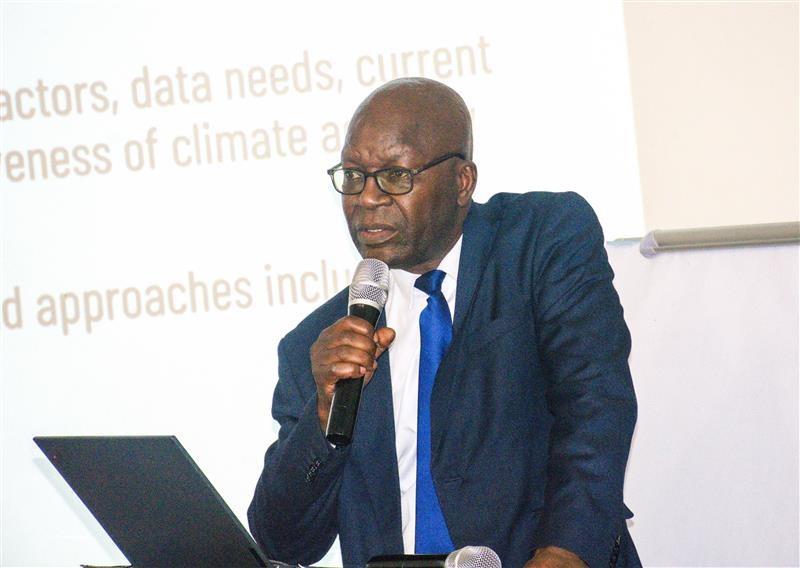
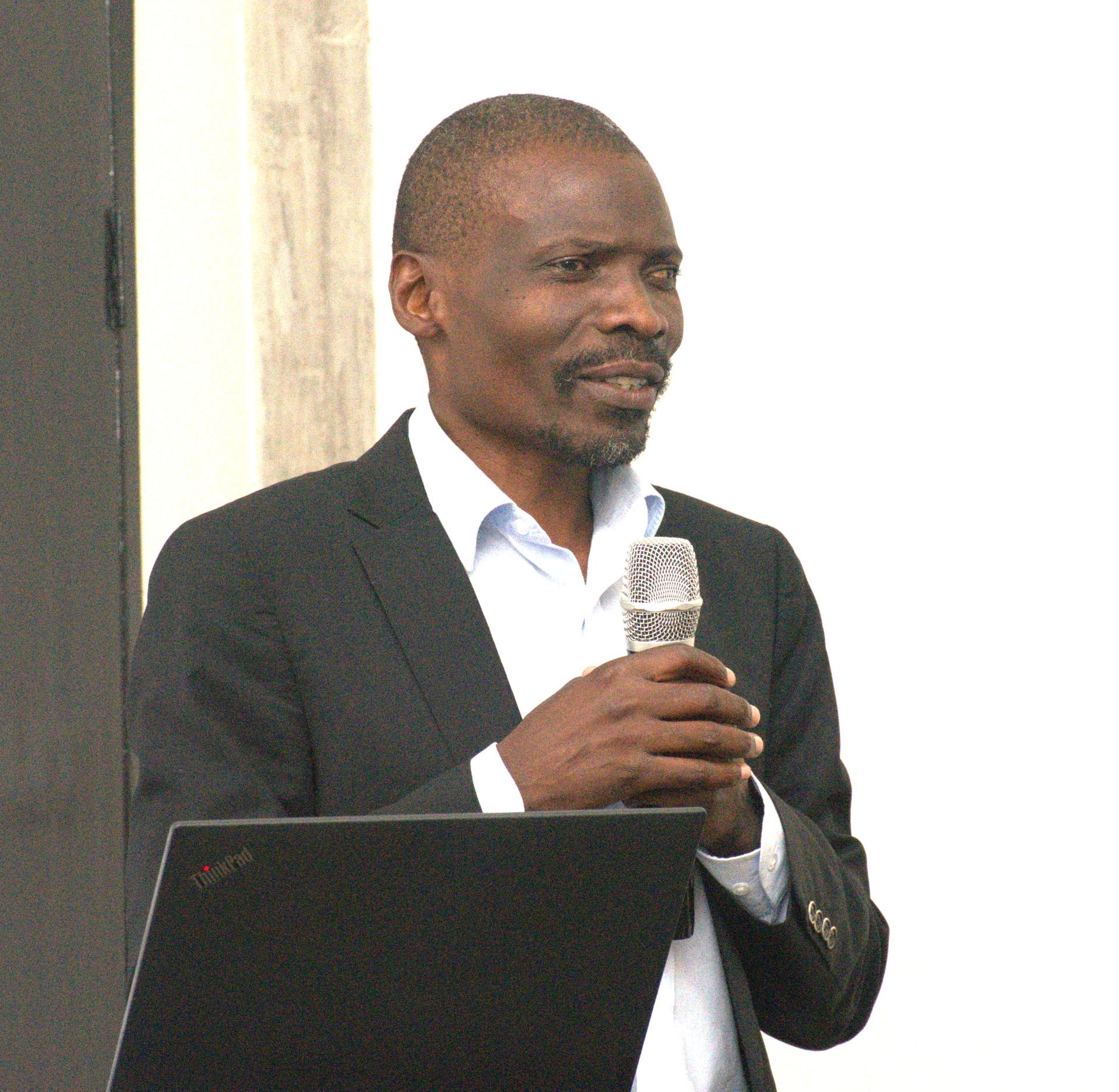
Mr. James Kalengo, Director of ICT at the Ministry of Agriculture, Zambia, delivers the opening remarks and setting the tone for the workshop on advancing digital solutions in agriculture.
Why Crop Decision Trees
Zambia’s agricultural sector stands at the frontline of the climate crisis, grappling with erratic rainfall, prolonged dry spells, and increasingly unpredictable growing seasons. These challenges threaten the livelihoods of millions of smallholder farmers who rely on accurate and timely information to make vital farming decisions. While seasonal and sub-seasonal climate forecasts provide valuable insights, the ability to transform these forecasts into actionable, localized advice remains a persistent obstacle.
CDT offers a transformative solution to these challenges, providing a clear, structured approach to deliver practical, science-based guidance that empowers farmers to adapt and thrive in the face of climate uncertainty.
What are Crop Decision Trees and how do they work?
The Crop Decision Tree (CDT) provides a structured, practical approach to delivering climate-smart advisories by integrating climate data, farming activities, and actionable recommendations. The process is broken down into three interconnected steps, ensuring that complex climate forecasts are translated into clear and practical guidance for farmers:
-
Weather and Climate Forecasts: The CDT process begins with analyzing seasonal and sub-seasonal weather forecasts, focusing on rainfall and temperature data when available. These forecasts are tailored to specific agro-ecological zones to address unique scenarios such as wetter-than-normal, normal, or drier-than-normal conditions, ensuring localized accuracy and relevance.
-
Farming Activities: Using weather forecasts as a foundation, the CDT identifies key cropping events, such as land preparation, crop establishment, irrigation, and hilling-up. It assesses potential challenges for each event under different weather scenarios and incorporates insights from local farmers and extension officers, ensuring recommendations are both context-specific and actionable.
-
Agricultural Recommendations: The CDT translates climate and farming insights into precise, scenario-based advisories. Recommendations include strategies for wetter conditions (e.g., improved drainage, disease-resistant seeds), drier conditions (e.g., drought-resistant seeds, early maturing crops), and normal conditions (e.g., reinforcing standard best practices), empowering farmers to make informed, climate-smart decisions.

The Basic CDT Framework: A step-by-step process integrating climate forecasts, farming activities, and tailored agricultural recommendations to empower farmers with actionable, climate-smart strategies for varying weather conditions.
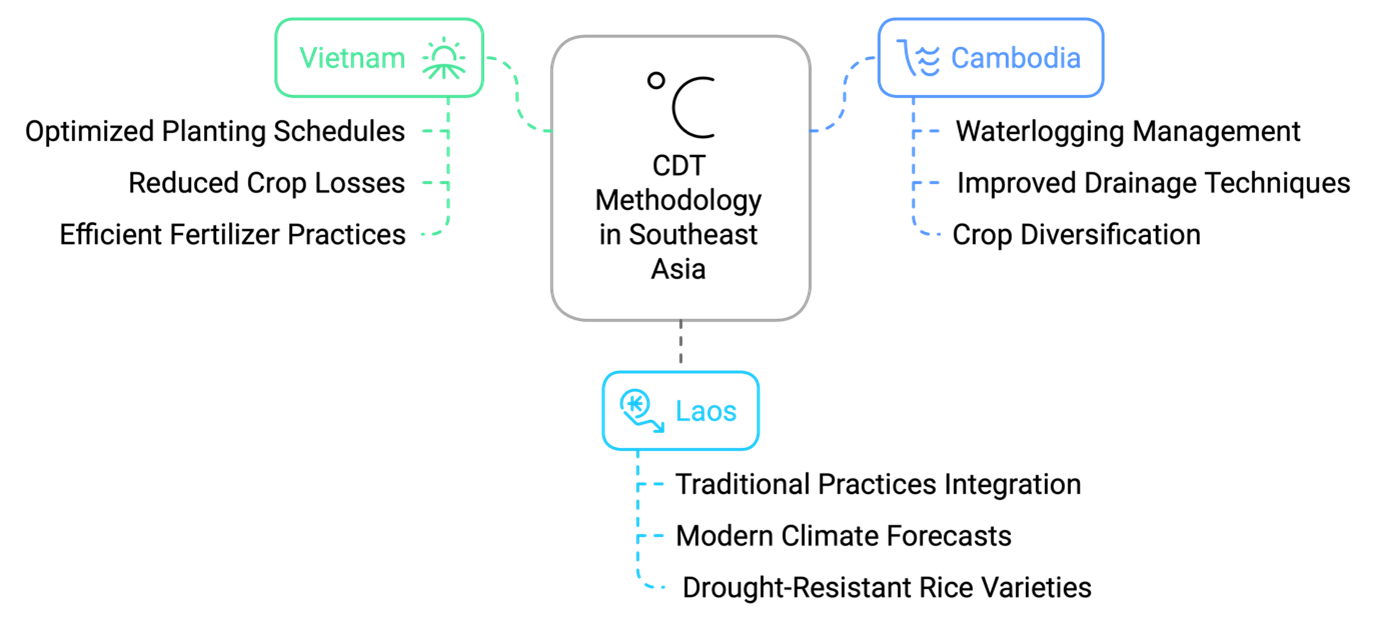
Lessons from Southeast Asia
Adapting CDT to Zambia
Drawing on the success from Southeast Asia, the workshop in Lusaka explored how CDT methodologies can be adapted to Zambia’s context. The focus was on tailoring the tools to address local challenges, such as erratic rainfall and limited extension capacity, while leveraging the strengths of Zambia’s agricultural networks. Lessons from Southeast Asia emphasize the importance of community engagement, integration of traditional knowledge, and consistent capacity building elements that will be critical for the successful implementation of CDTs in Zambia.
As the workshop explored the potential of adapting Crop Decision Trees (CDTs) to Zambia, participants highlighted their optimism about the tool's practical applications.
“The CDT tool would be highly beneficial for Zambia, as it will provide tailored advisories at the district level. These district-level advisories can be integrated with agro-meteorological bulletins, enhancing their utility for end-users.” - Mr Nicholas Mwambazi, ICT Specialist - Ministry of Agriculture, Zambia
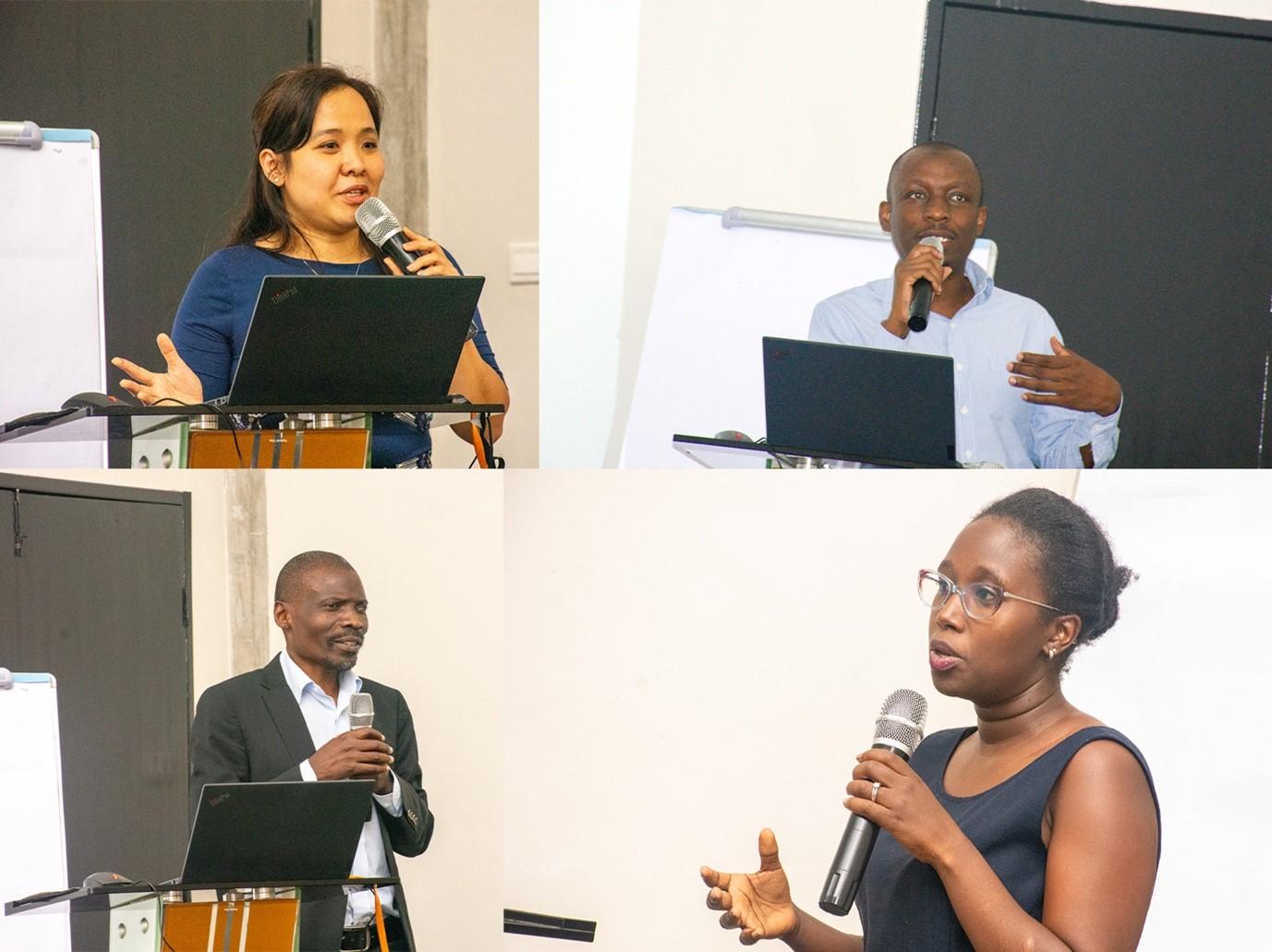
Collaboration in action! Highlights from our stakeholder consultation sessions, featuring insightful presentations and invaluable contributions from partners.
Key Insights and Outcomes from the CDT Sessions
|
Key Areas |
Outcomes |
|
Exploration of CDT Applications |
|
|
Farmer-Centric Advisory Systems |
|
|
Collaborative Design for Sustainability |
|
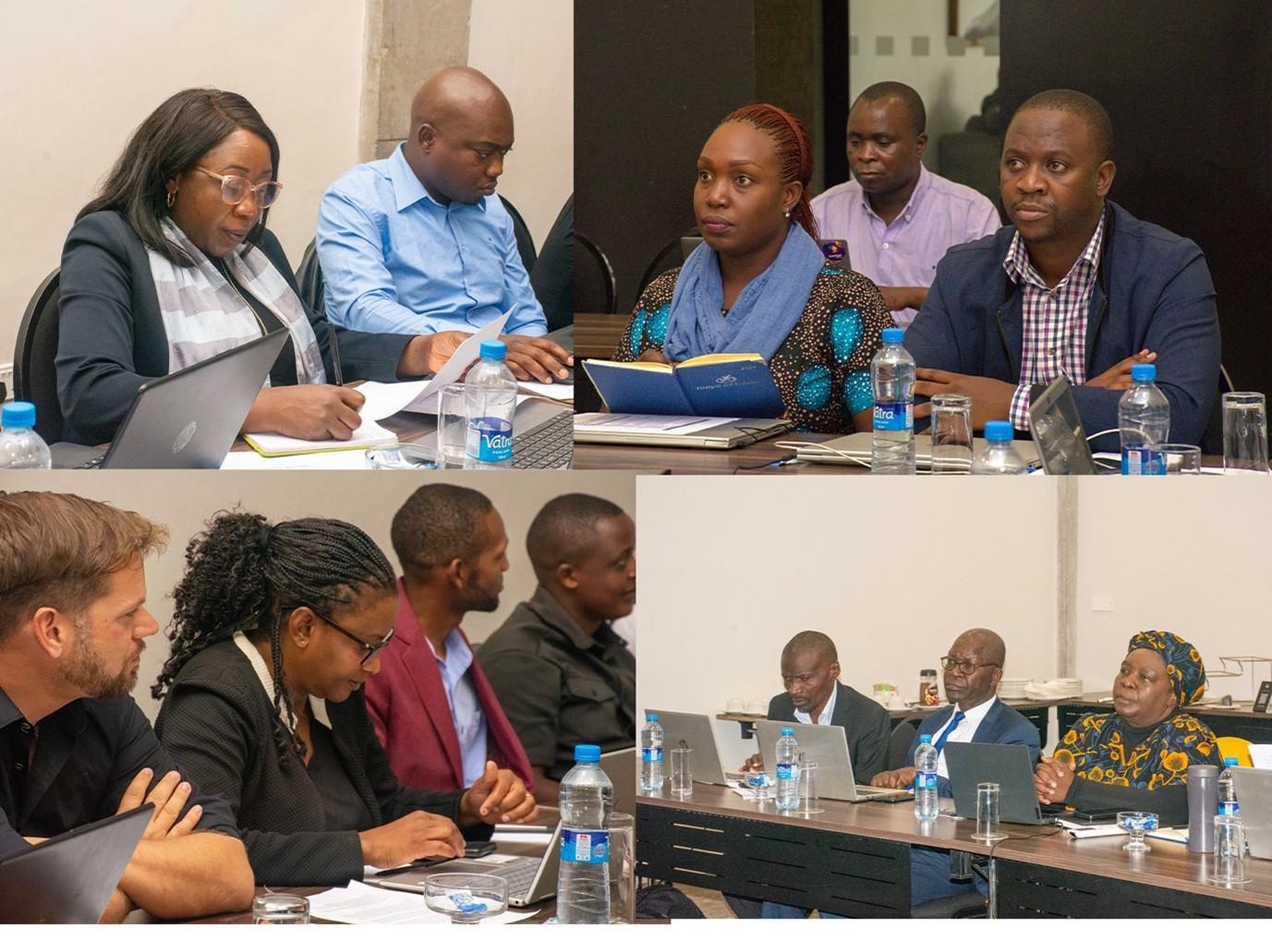
Participants actively engaged in actor mapping exercises, identifying key players, their data needs, and opportunities to align ongoing initiatives with CDT approach.
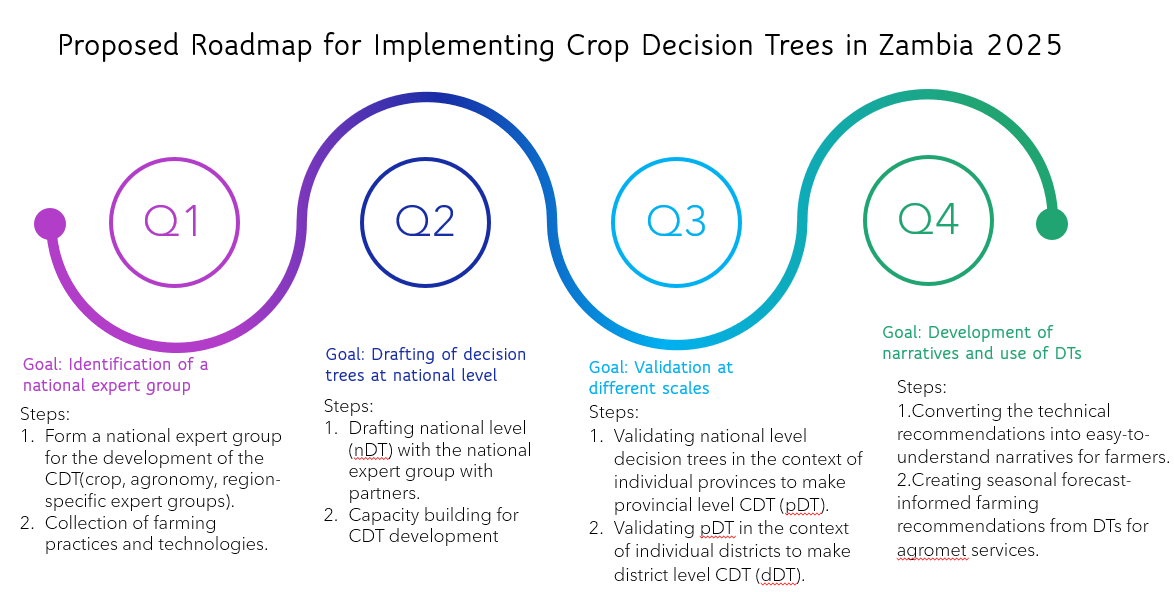
Indicative roadmap for Crop Decision Tree development in Zambia 2025

The CDT workshop concluded with a strong commitment to advancing agricultural resilience in Zambia.
“We appreciate the Alliance of Bioversity International and CIAT’s efforts in improving our e-extension services through the introduction of crop decision tree advisories that will be useful to the farmers. These tools not only align with Zambia’s vision for modernizing its agricultural systems but also address critical gaps in delivering localized, timely, and actionable information to smallholder farmers.” - Mr. Louis Chikopela - Principal Agriculture Officer, Ministry of Agriculture, Zambia
Strengthening Early Warning: The Zambia National Crop Monitor
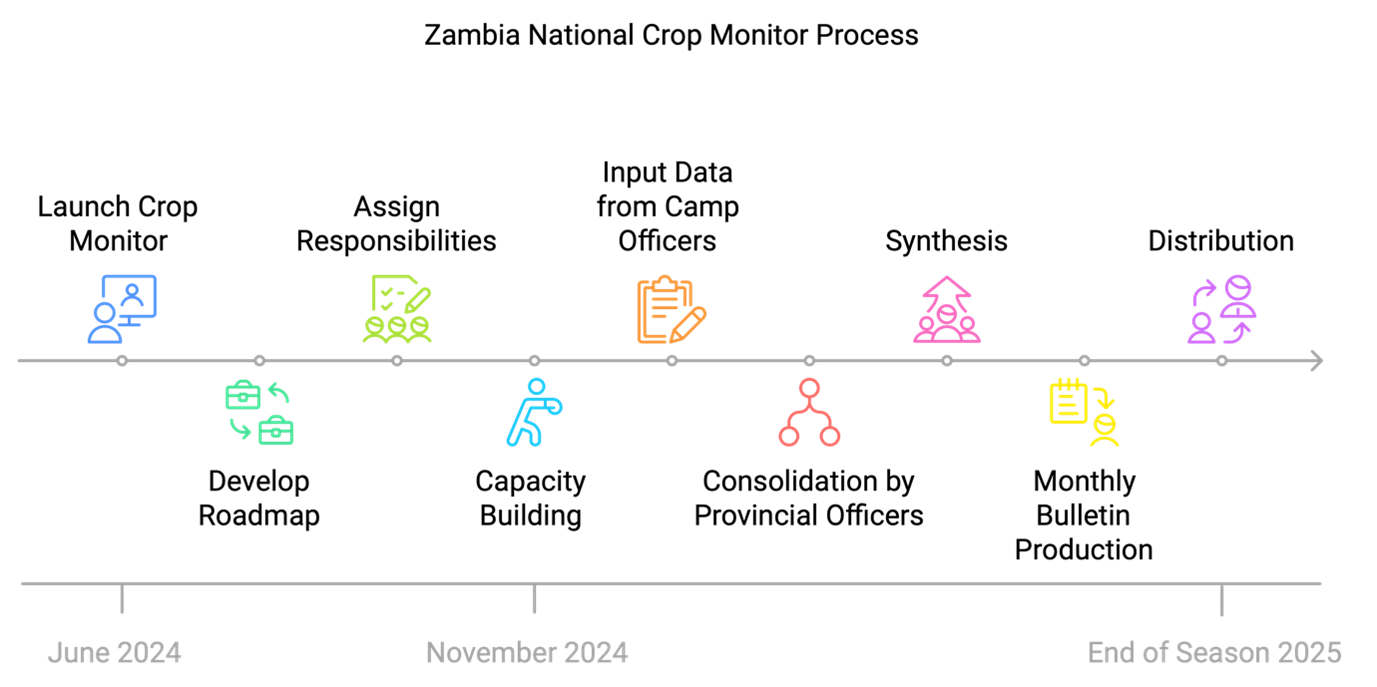
On the third day, the workshop spotlighted the Zambia National Crop Monitor, a critical tool for early warning and informed agricultural decision-making. During the session, crop monitor champions reviewed the progress achieved since the systems launch in June, celebrating successes such as its ability to rapidly assess and report on crop conditions, enabling multi-level food security decision-making. They highlighted how the system complements efforts by the Ministry of Agriculture and other institutions collecting agricultural data, strengthening the reliability and accessibility of critical information. However, participants also acknowledged challenges in implementation, including the need for stronger cross-department collaboration.
Sample Crop Condition and Maize Primary Season Maps for Zambia (Assessment Date: May 2024): The maps provide a visual synthesis of crop conditions and drivers of stress, highlighting areas with exceptional, favorable, watch, and poor conditions. These tools are critical for early warning systems, supporting decision-making by identifying regions at risk due to factors such as drought, pests, floods, and other extreme events.
The session underscored the transformative potential of earth observation solutions for crop monitoring as captured from two crop monitor champions in the ministry of agriculture:
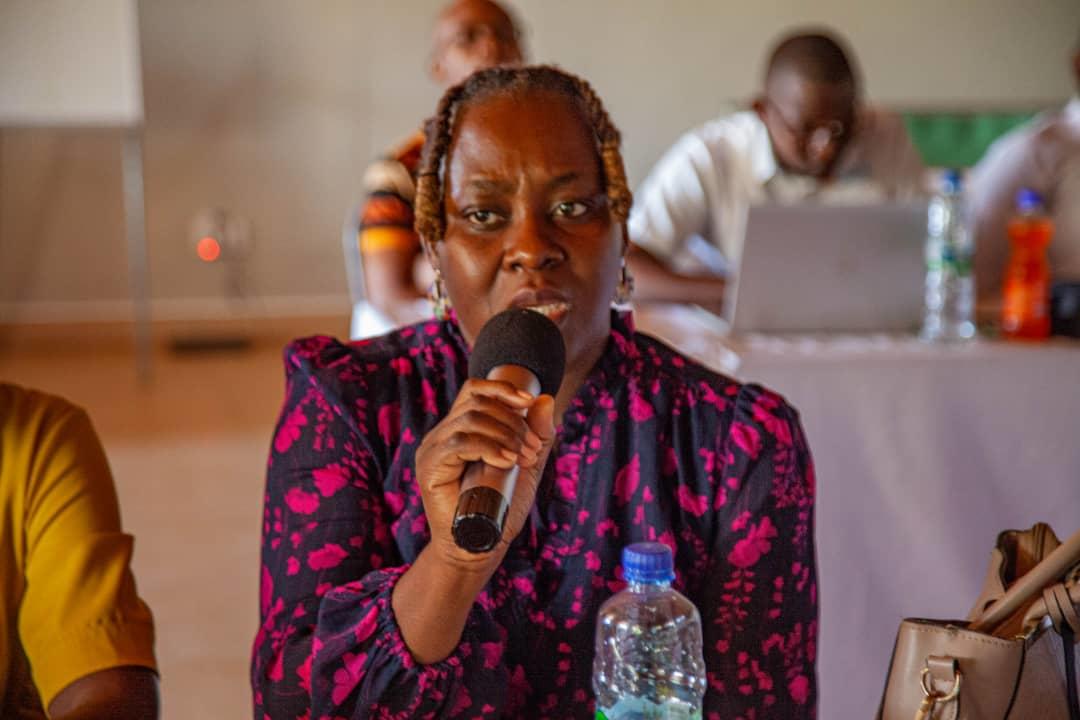
"Using paper questionnaires for crop monitoring is time-consuming and prone to errors. By the time I collect the data in the field and travel back to submit it to the central statistics office, days are lost. Additionally, handling large amounts of paperwork increases the risk of data loss or misinterpretation. A digital tool would save time and ensure the accuracy of the information we provide." - Ms. Janet Chibale - Crop monitor champion - Ministry of Agriculture, Zambia
 “The crop monitor is a game-changer in identifying early signs of crop stress and anticipating potential risks to food security. However, there is still significant work ahead to ensure it reaches its full potential. This workshop has provided the clarity and direction needed to scale the system effectively. With the roadmap we’ve developed, I am confident that the crop monitor bulletins will become a cornerstone of Zambia’s early warning systems, empowering timely and informed decision-making for a more resilient agricultural future.” - Mr. Crispin Moyo - Crop monitor champion - Ministry of Agriculture, Zambia
2024/25 Zambia Crop Monitor roadmap
Looking Ahead: Building a Resilient Agricultural Advisory System
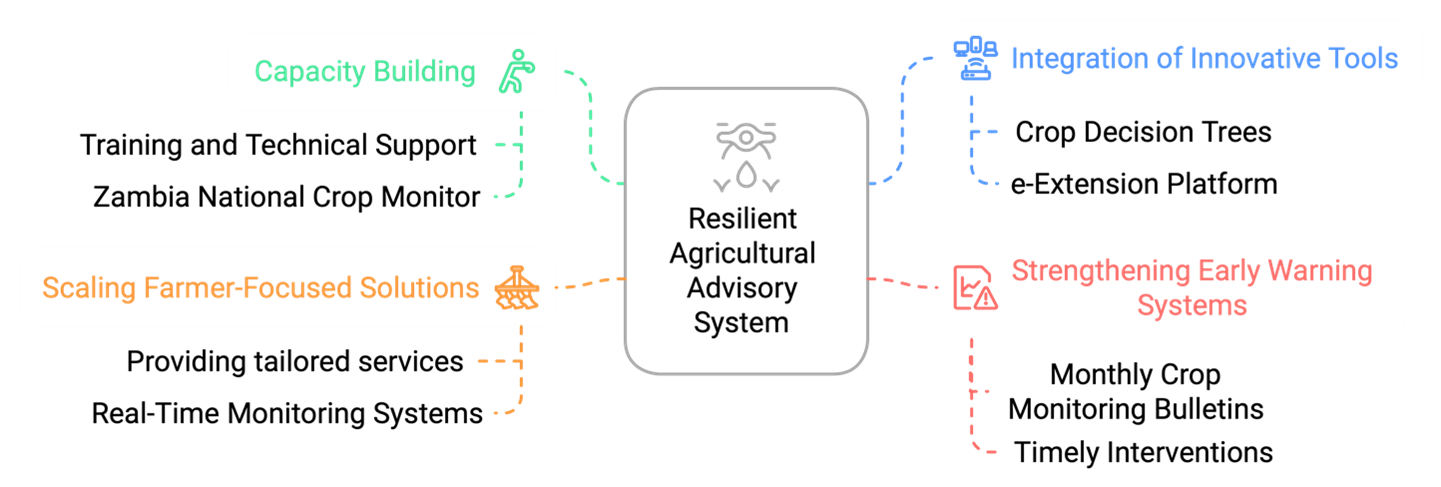
The workshop highlighted the importance of participatory, user-focused approaches to strengthen Zambia’s agricultural advisory systems. The integration of tools like Crop Decision Trees (CDTs) into existing platforms such as the e-extension service, coupled with the enhancement of the Zambia National Crop Monitor, ensures that farmers and decision-makers receive timely, actionable advice tailored to their needs. All these efforts are aimed at fostering a sustainable agricultural system ensuring a food-secure nation, where nutrition and social well-being are prioritized for present and future generations.
See Also