Blog Soils to stories: Embedding field insights in research data stewardship
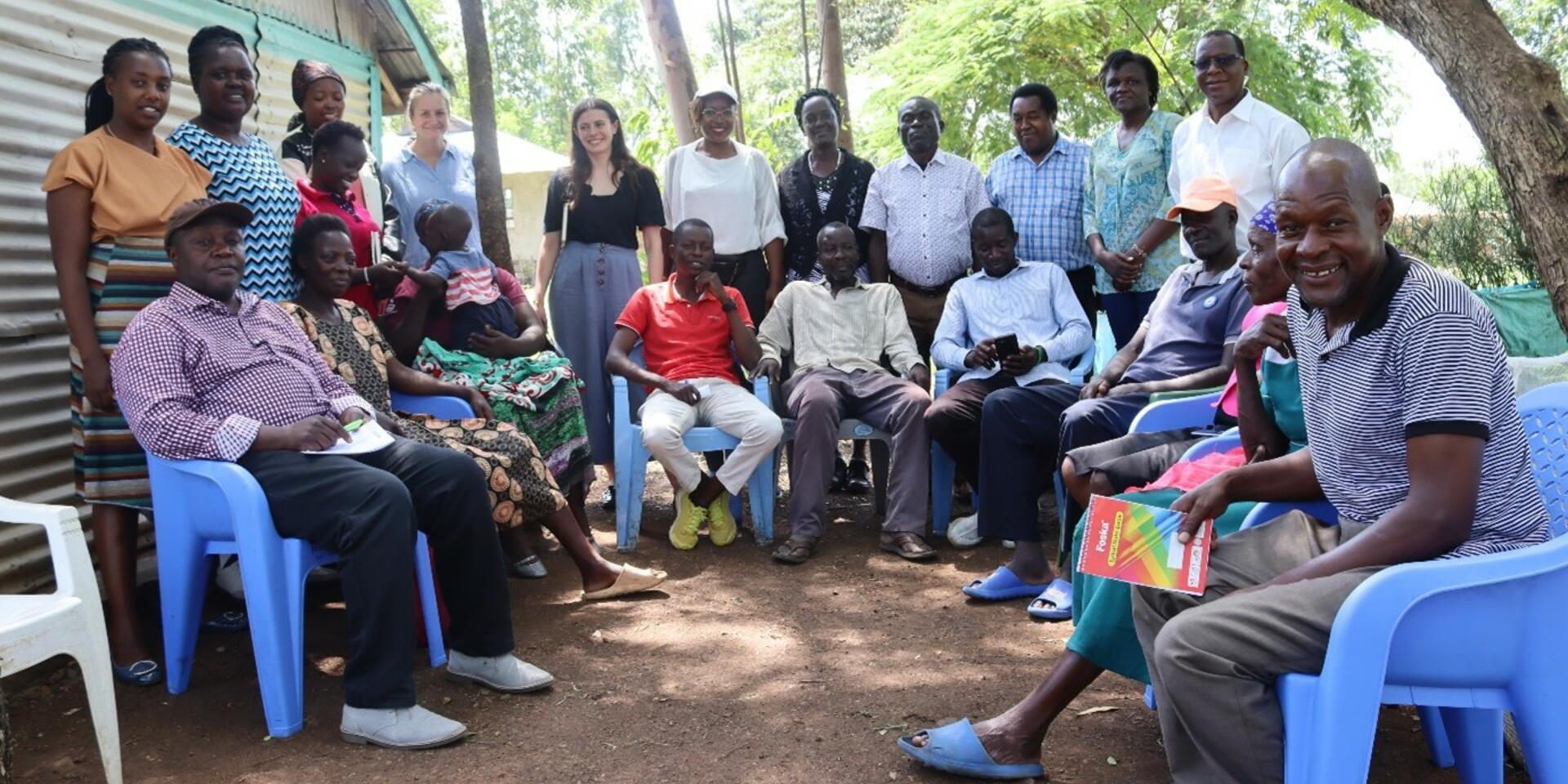

Field visit insights provide direct exposure to real-world research environments, illustrating how data is collected, and promoting collaboration between researchers and information professionals. This collaboration helps to identify their evolving information needs throughout every stage of the research lifecycle.
Research does not begin in boardrooms or libraries. It often starts in the field with community voices, scribbled notes, snapshots, videos and voice recordings. It lives in the cautious responses during interviews, the laughter when someone explains something better than a form ever could, and in the local wisdom whispered across generations. The very genesis of data that would grow into knowledge.
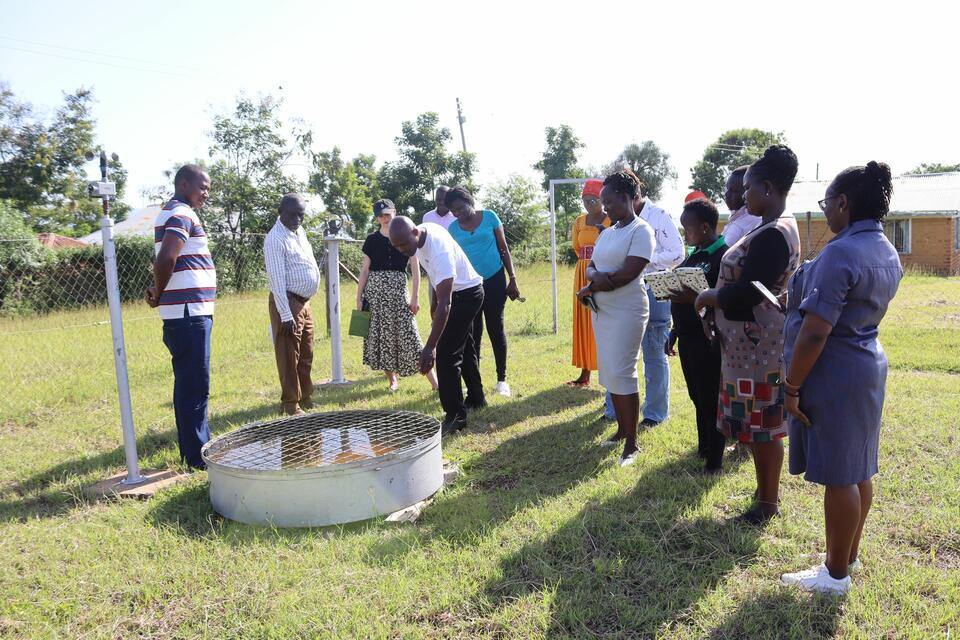
Recently, while accompanying an ECREA project team on a field visit to Homa Bay County, a rural heartland of Kenya, which was no ordinary field visit, but an immersion into the lived realities of the very communities whose data often ends up locked behind institutional firewalls and scholarly abstracts.
Why field experience matters
When we speak of information management in research, we often focus on systems, repositories, and protocols. But whose stories are we managing? What truths risk being erased when the field is left unvisited?
For an information scientist, it is easy to think our work begins when the raw data arrives neatly packaged. But, the fieldwork taught me otherwise: we are part of the process from the very first question asked. Our presence ensures that collection methods preserve meaning, that metadata is not an afterthought, and that information products later reflect the context in which they were born.
Understanding the nature of research execution and the ethical dilemmas of anonymity and consent is essential for managing information responsibly. For instance, during interviews, researchers often switched languages mid-sentence, slipping into Dholuo, a local language used in Western Kenya, to build rapport and convey meaning more clearly. That shift mattered.
Without having been there, we might have treated transcripts as standard English documents, missing the nuance, the cadence, the cultural context embedded in local dialects.
It became clear that the real challenge isn’t just collecting knowledge, but making sense of it. What information would be useful? Who needed access to which datasets? What formats could preserve not just the facts, but the context and richness of the knowledge gathered? Ultimately, preserving knowledge matters because it safeguards the wisdom, discoveries, and cultural identity of humanity. But how we store and share that knowledge is just as important.
Stable, accessible formats, such as PDF for documents, TIFF for images, repositories like Dataverse for datasets, or plain text for simplicity, ensure longevity. Additionally, securely storing these files in cloud storage and digital repositories, like CGSpace, ensures that knowledge remains accessible and usable over time. In doing so, we make it possible for future generations to learn, adapt, and thrive.
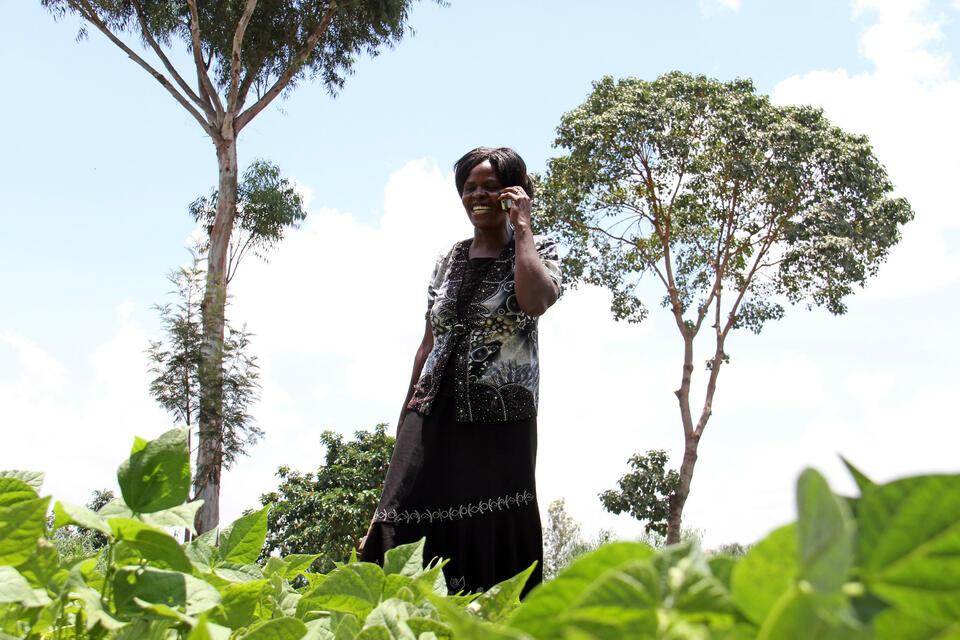
Rose, a smallholder farmer, explains how using weather and climate information has improved her bean yield, as she points to her healthy crop during a visit to her farm.
Access to and effective use of information services are essential for empowering individuals, communities, and organizations to make informed decisions. In the ECREA project, open access to climate data and agricultural advisories ensures that farmers, regardless of their location or resources, can obtain timely and accurate information freely. This democratization of knowledge improves productivity, resilience and fosters equity in critical insights.
Desire Kagabo stated: “Working side by side with the information scientist helped bridge the gap between raw data and actionable insights, enabling the co-design of tools and systems that reflect the real needs of the research lifecycle and preserve long-term knowledge.”
The ECREA project (Enhancing Climate Change Resilience in East Africa) was vital because it empowered smallholder farmers, especially those in the bean value chain, with tailored weather and climate information services (WCIS) to help them adapt to increasingly unpredictable climate conditions. By providing timely forecasts and agro-climatic advisories, farmers could make informed decisions about planting, harvesting, and managing risks, resulting in improved productivity, food security, and income generation across Kenya, Rwanda, Tanzania, and Uganda.
Understanding researchers’ needs
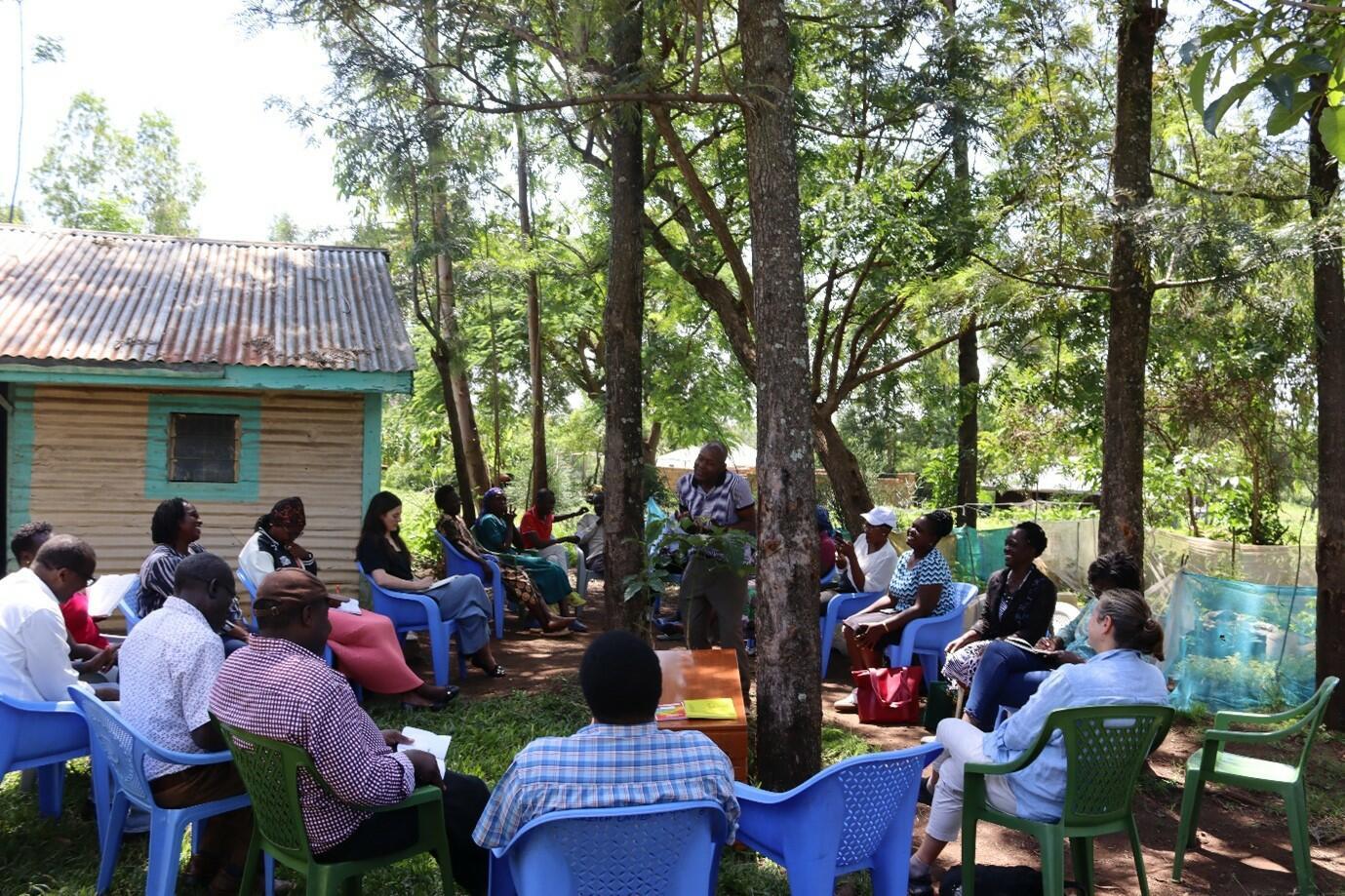
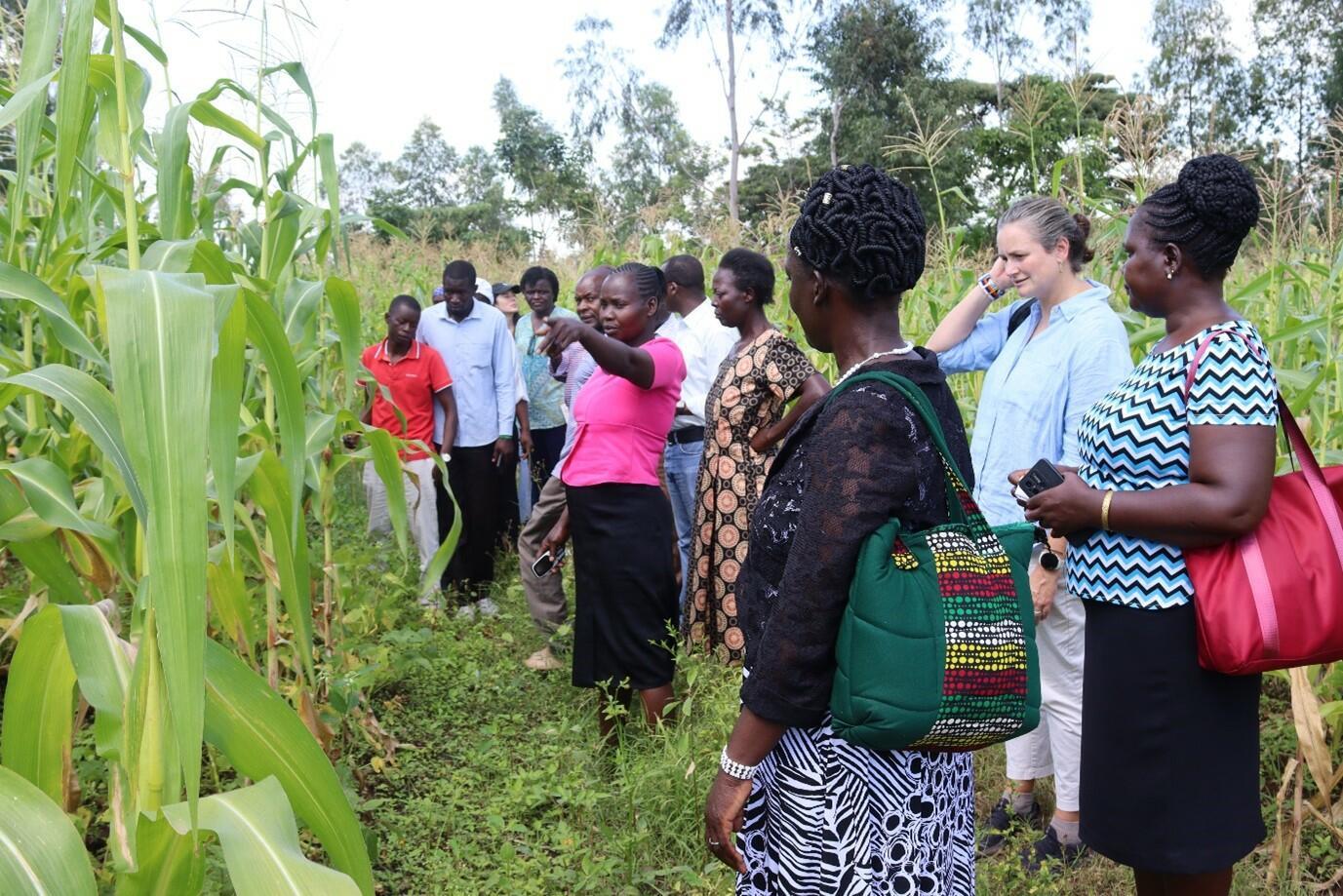
George Oketch, a smallholder farmer, explains the indigenous knowledge on weather and climate information services while the researchers listen, scribble notes, some take photos, or record the conversation.
Each researcher has a different rhythm. Some think of visuals, building concept maps. Others thrive in spreadsheets. I spent time shadowing the lead field researcher, who juggled his iPhone video recording and dusty field notes with uncanny grace. His biggest challenge? Navigating the maze of formatting, metadata tagging, and repository requirements after data collection.
That is where we come in, not just as custodians, but as guides, recommending open-access publishing venues and ensuring that the information finds its way back to the community while adopting the FAIR principle (Findable, Accessible, Interoperable, and Reusable), a cornerstone of responsible data sharing in the research world.
Open access: The invisible engine of impact
In today’s knowledge economy, the focus is not only on collecting data but on curating and building a deeper understanding. The true essence of the research lifecycle is to generate trustworthy knowledge that addresses real-world problems and fosters progress in science, technology, and society. Behind every successful interview, every local insight, and every powerful data set lies something often invisible but very essential: Open access and data stewardship. When done right, it ensures that science not only serves institutions but also the very communities that helped shape it.