Blog Senegal is launching a Gender and Climate Action Plan for agriculture sector, informed by AICCRA engagement

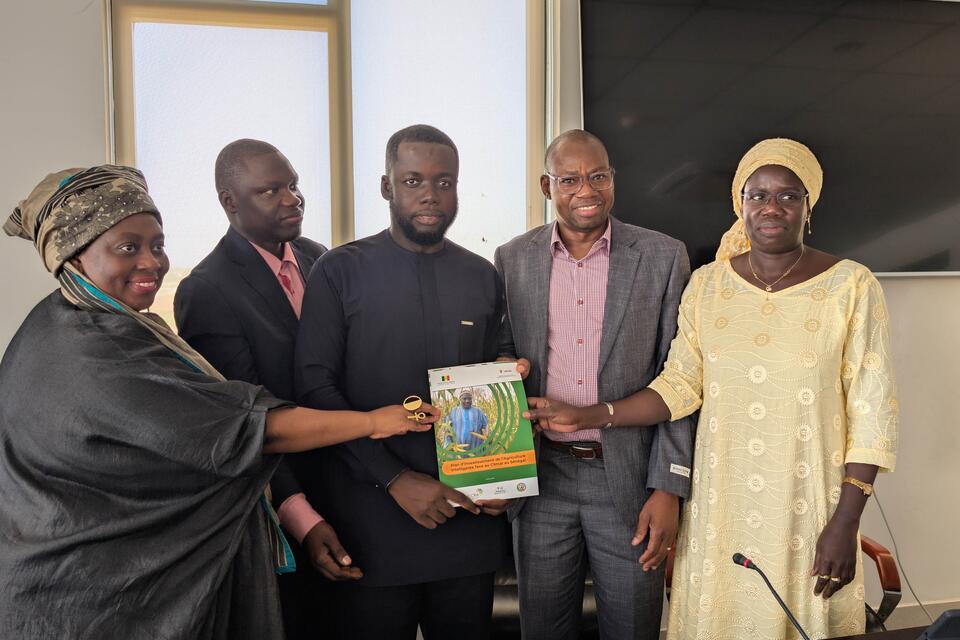
Through a partnership with AICCRA, Senegal's Ministry of Agriculture is coordinating the development of a Gender and Climate Action Plan for the agriculture sector, which will be crucial to inform national cross-sectoral gender and climate action led by the Ministry of Environment.
In Senegal, the rising temperatures, increased length and intensity of dry spells, sea level rise, coastal erosion, intensification of rainfall extremes threaten food and nutrition security, productivity, health and infrastructure, ultimately jeopardizing economic development.
Climate change impacts affect Senegalese men and women differently. Because of the differential access to resources, knowledge and technologies resulting from traditional social role and structural barriers, women are more vulnerable with limited capacities to responses to climate change impacts. Additionally, they are often excluded from formal or community decision-making bodies and planning processes for climate adaptation.
There is an urgent need to find common ground between climate adaptation and gender equity in agriculture. By strengthening women's capacity to adapt to climate change, notably through resilient farming techniques, training, and access to weather information, they can improve their productivity and food security.
To help tackle this challenge, the Accelerating Impacts of CGIAR Climate Research for Africa (AICCRA) is bundling together packages of innovations, technologies and practices that have been evaluated as ‘gender-smart’.
Through a partnership with AICCRA, Senegal's Ministry of Agriculture is coordinating the development of a Gender and Climate Action Plan for agriculture sector, which will be crucial to inform the national cross-sectoral Gender and Climate Action, that is being led by the Ministry of Environment, the National Designated Authority (NDA).
Ms Mbacké Ndéye Sokhna Mbaye Diop, Coordinator of the Gender Unit at the Ministry of Agriculture, Rural Equipment and Food Sovereignty (MAERSA) said of the plan:
“The development of this action plan is timely, as the impact of climate change on men and women is well established. We know that it impacts them differently. Women are more affected than men, hence the importance of the involvement of the Ministry of Agriculture.”
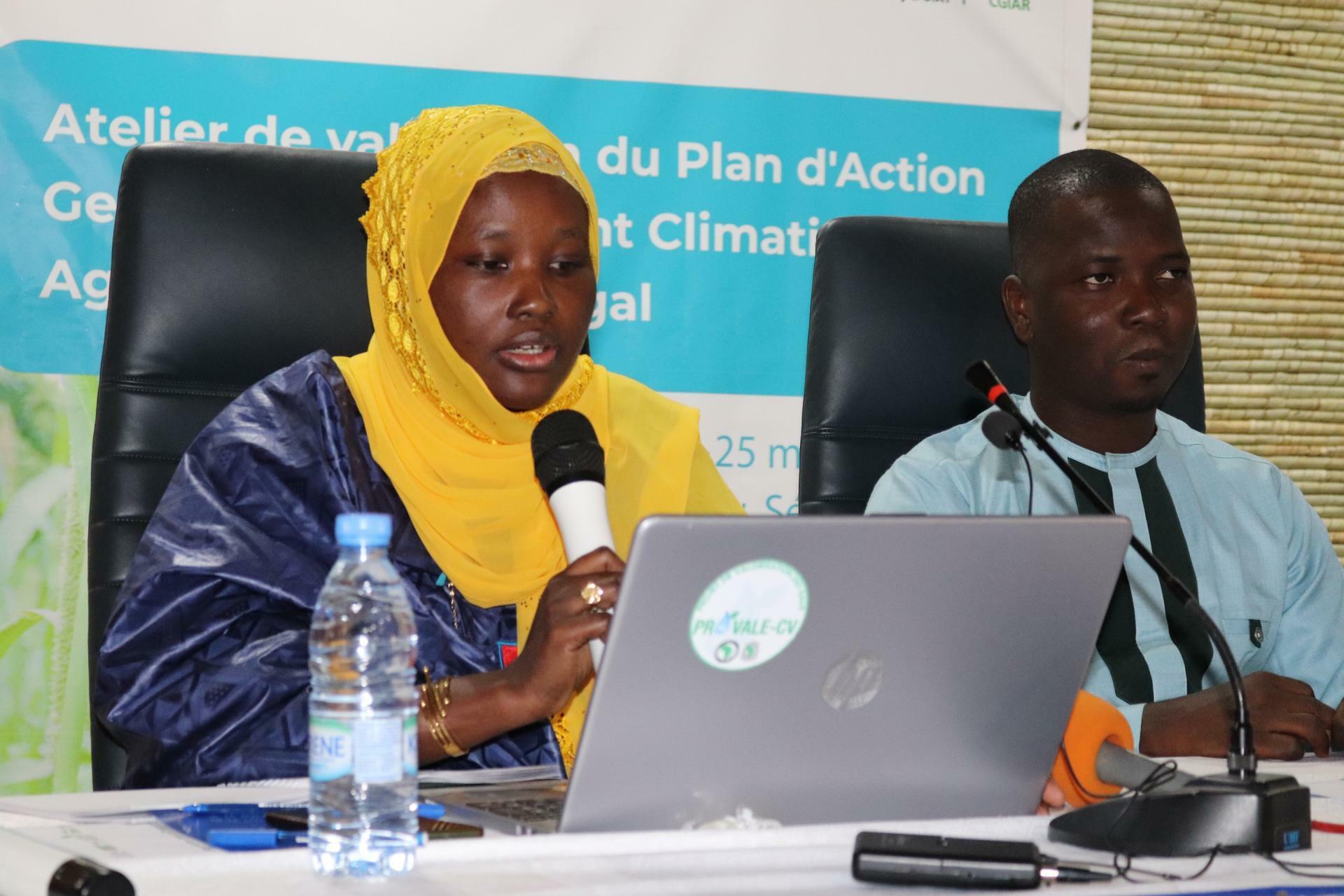
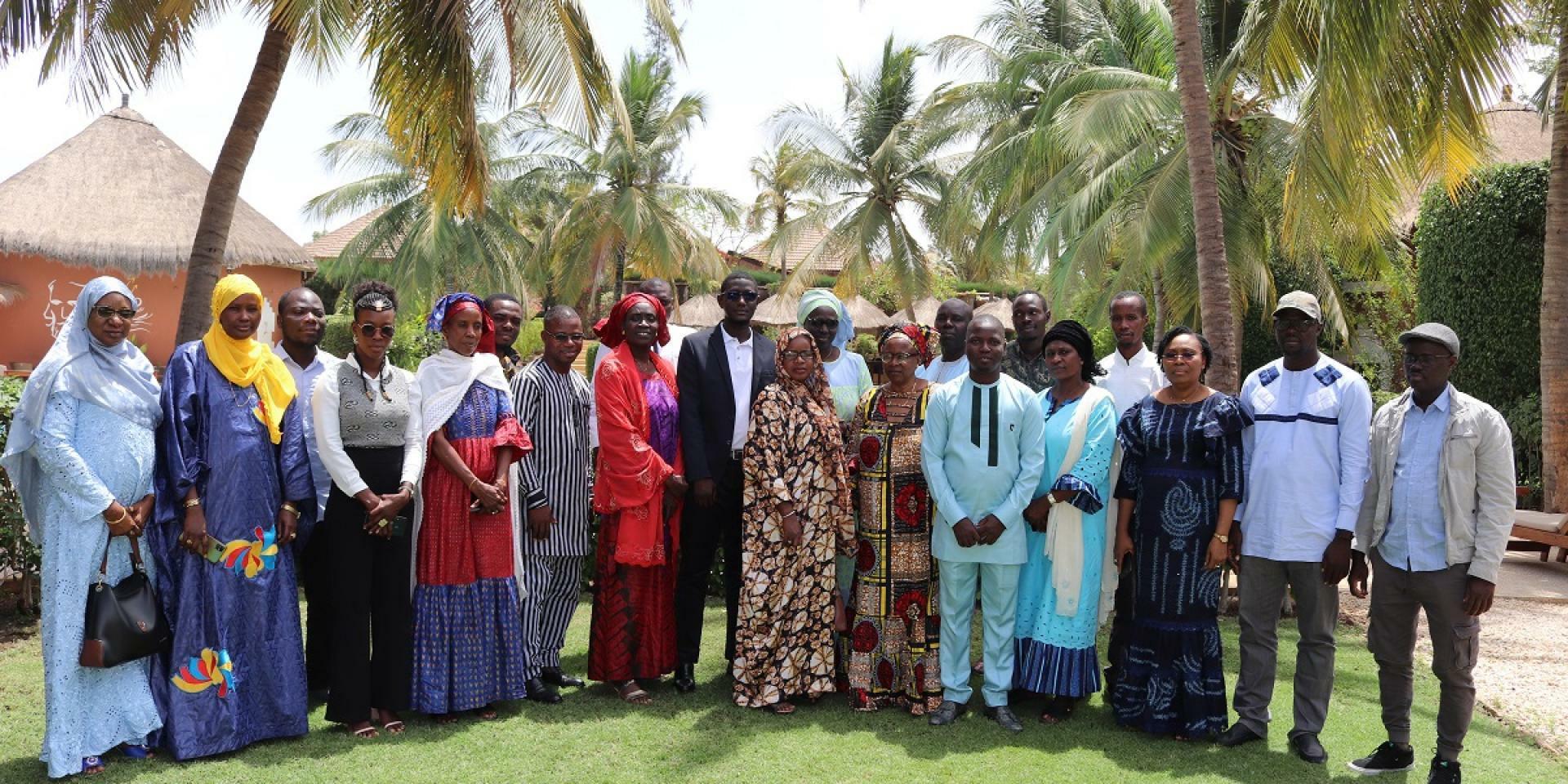
Ms Mbacké Ndéye Sokhna Mbaye Diop, Coordinator (MAERSA) and Dr Alcade Segnon, Science Officer (AICCRA)
AICCRA supported the process of developing the Gender and Climate Action Plan for Senegal's agriculture sector through technical assistance and financial support. A participatory and inclusive approach, involving multiple stakeholder consultations, was adopted. A partnership with the Ministry of Agriculture, Rural Equipment and Food Sovereignty (MAERSA) of Senegal, through the Science-Policy Dialogue Platform has provided the necessary institutional anchoring to the process.