Press and News Scientist Evert Thomas receives MIDAGRI award for his contributions to Peruvian cacao


On Thursday, July 17, Peru's Ministry of Agrarian Development and Irrigation (MIDAGRI) awarded the Ministry of Agrarian Development and Irrigation Medal to Evert Thomas, senior scientist at the Alliance, in recognition of his contributions to the study of Theobroma cacao species diversity in Peru.
The award ceremony took place during the 16th Edition of the International Cacao and Chocolate Show 2025, held this year under the theme "Cacao: Peru's Heritage to the World". On behalf of Evert, the medal was received by Marleni Ramírez, representative of the Alliance of Bioversity & CIAT in Peru.
Along with Evert, Quirino Oliveira and Sixto Imán were also awarded for their contributions to raising awareness of Peru as a center of origin and early domestication of cacao in the Americas, and for their work in conserving the crop's genetic resources in the country, respectively.
"Receiving this award alongside my distinguished colleagues Quirino Olivera and Sixto Iman is a great honor and privilege. We are just beginning to reveal many more secrets that Peru's cacao diversity holds. Secrets that hold value not only for science, but also for improving farmers’ livelihoods through better incomes and increased productivity," says Evert.
A national recognition of commitment to diversity and landscape restoration
This recognition not only celebrates Evert Thomas' career, but also his scientific leadership in the study, conservation, and sustainable use of native Peruvian and Latin American cacao. In his role at the Alliance, Evert has driven research that integrates genetics, ecology, agroforestry, ecosystem restoration, and rural development with a focus on sustainability.
"I'm deeply honored to receive this award from the Government of Peru. It is a recognition of the amazing diversity of cacao, which continues to fascinate me with its aromas, shapes, and colors," says the researcher.
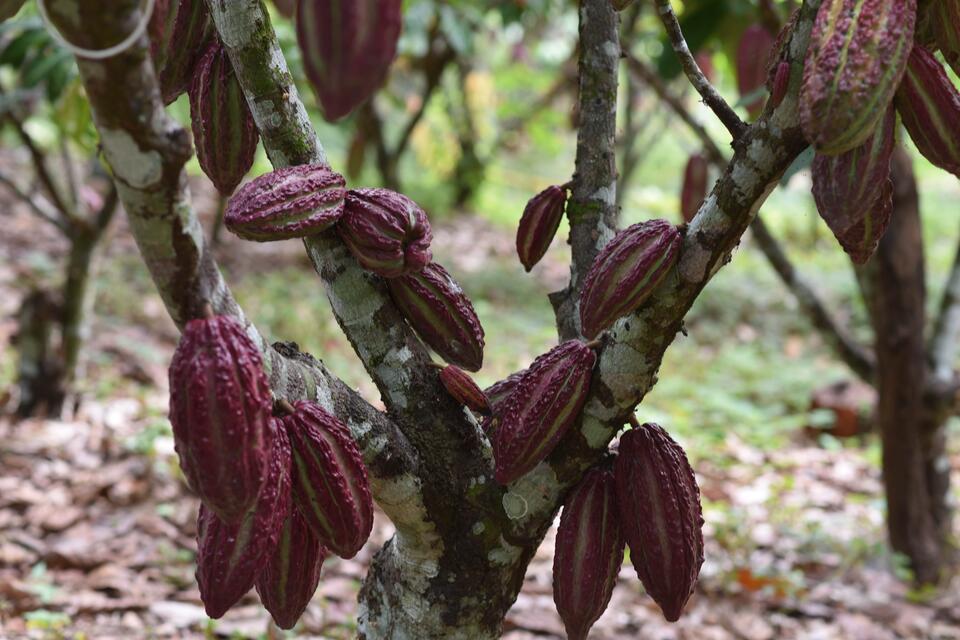
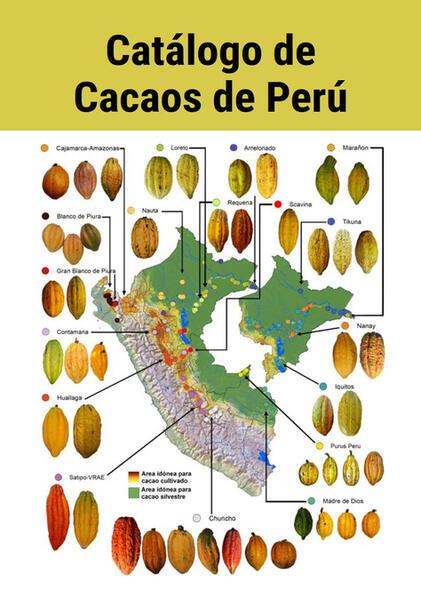
In 2023, as one of his most significant contributions, Evert led the creation of the Cacao Catalog of Peru, a publication that pays tribute to the extraordinary genetic diversity of the country's cacao. The catalog brings together collections held by farmers, cooperatives, NGOs, and public institutions, aiming to promote the conservation and commercial use of pure-origin cacao by facilitating the identification of key genetic materials for designation of origin systems.
Evert Thomas
Senior ScientistPeru has been recognized as the cradle of cacao's genetic diversity, home to 16 of the 25 known genetic groups
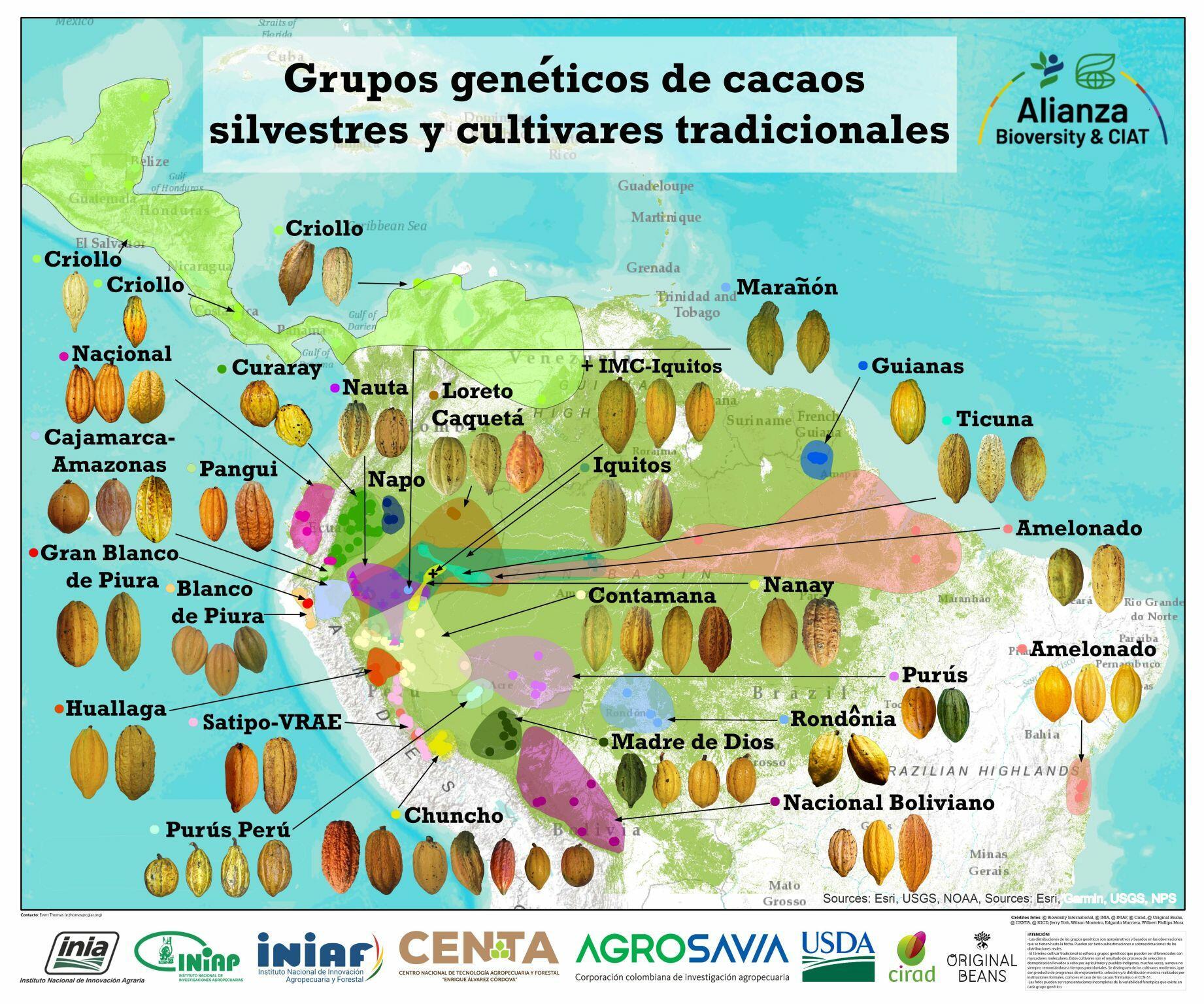
Additionally, Evert recently led the development of a genetic diversity map of wild and traditional cacao cultivars in Latin America – a crucial tool to understand and preserve the roots of cacao and enhance its strategic value in the region.
The scientist behind the recognition
Originally from Belgium, Evert has dedicated his professional life to the study, conservation, and sustainable use of trees as tools for ecological restoration and rural development. For the past nine years, Peru has been his home, and from there he leads regional projects that combine genetics, ecology, agronomy, spatial modeling, archaeology, and social science.
He studied agricultural engineering with a focus on forestry and completed his thesis and PhD in Bolivia, where he researched how Indigenous communities use the biodiversity of Amazonian and Andean forests. Before fully committing to a scientific career, he actively participated in the negotiations of the Nagoya Protocol on Biological Diversity, representing Belgium's Ministry of Environment during the country's presidency of the European Union.
Since 2011, he has worked at the Alliance of Bioversity & CIAT, focusing much of his research on cacao. His work has addressed topics such as:
- Its genetic diversity in Peru and Latin America.
- Its vulnerability to climate change.
- Science-based solutions to improve productivity, market access, and environmental resilience.
Bringing science to cacao farms: The Alliance in Peru
In Peru, the Alliance has promoted sustainable production systems that value the genetic diversity of native varieties. Through tools such as Cacao Diversity and projects such as Clima-LoCa, the Alliance supports farmers and partners in designing climate-adapted agroforestry systems, conducts research on cadmium presence in soils, and promotes responsible practices in collaboration with governments, academia, cooperatives, and other key stakeholders.