Press and News Science: a key driver of Africa’s food systems transformation

Alliance to launch its 2026–2030 Strategy for Africa at the Africa Food Systems Forum in Kigali.
KIGALI, RWANDA: Africa’s food systems face mounting pressure from climate change and its impacts, biodiversity loss, land degradation, inequality, population growth and changing diets. In response to these interconnected challenges, the Alliance of Bioversity International and CIAT will launch its 2026–2030 Strategy for Africa, on September 1, 2026, placing urgent science, investment and partnerships at the core of efforts to build more resilient, inclusive and sustainable food and land systems.

The launch will take place during a high-level side event at the Africa Food Systems Forum at the Kigali Convention Centre on 1 September 2026. Event details. It follows the Alliance’s global launch of its 2026–2030 Strategy in July 2026.
Across the continent, food production, distribution and consumption are increasingly shaped by rapid urbanization, changing diets and a fast-growing population. The Alliance is therefore placing urgent, impact-oriented science at the heart of transformation; turning evidence and innovation into practical solutions that build resilient, inclusive and sustainable food systems. Under the new strategy, the Alliance will advance solutions grounded in local realities while drawing on global expertise and scientific partnerships.
The Alliance will work to ensure that all stakeholders, including farmers, policymakers, businesses, innovators and consumers, can easily access and understand the evidence and tools they need to make informed, timely decisions.
Four priorities for Africa
- Science and sustainability, mutually reinforcing — Responding to today’s crises with scientific solutions rooted in nature and biodiversity: what is good for the planet is good for people.
- Equity and inclusive food systems — Building inclusive food economies where smallholders, informal vendors and consumers have a voice, decent incomes and access to healthy food.
- Partnership as a success factor — Designing and deploying solutions hand in hand with local actors, from the most marginalized communities to the most influential institutions.
- Financing as the decisive lever — Mobilizing investment to scale adoption, supported by evidence that makes food and land systems an attractive destination for capital.
The Africa strategy is closely aligned with the global strategy’s theme, “Resilient Futures: Urgent Science for Food and Land Systems Transformation.” Its launch sets out the Alliance’s goal of placing science, partnerships, innovation and investment at the centre of Africa’s efforts to build inclusive, resilient and sustainable food and land systems.
The investment dimension of the strategy is especially relevant to the 2026 Africa Food Systems Forum, whose theme is “Investing in Africa’s Agri-Food Systems: Nourishing Nations, Growing Jobs, Building Resilience.” Financial resources are not only an enabler; they are a strategic mechanism for accelerating the adoption of proven solutions. Scientific evidence helps investors understand the risks, opportunities and potential returns associated with more resilient food and land systems.
The Kigali launch will bring together the science and investment communities to discuss how evidence can direct capital towards solutions that strengthen food security, create employment opportunities, protect ecosystems, conserve biodiversity, build resilience and improve livelihoods.
The Alliance’s global strategy launch highlighted the need to broaden the financing base for agricultural research and food systems transformation, including through commercial markets, natural-capital instruments and blended finance. In Africa, mobilizing such investment requires strong partnerships among governments, development partners, financial institutions, the private sector, businesses, researchers, academia and communities. This is especially important because the Alliance’s work spans the full pathway from genetic resources and research to farms, landscapes, markets, policy and consumers.
The Kigali launch is a call to action for food-systems partners to work together around a common investment and implementation agenda. No single institution can transform Africa’s food and land systems alone. National governments provide policy leadership; research institutions generate and adapt knowledge; farmers and communities bring local expertise; businesses connect innovations to markets; and investors provide the capital needed to scale solutions. Through science, evidence and partnerships, the Alliance works to connect these strengths.
“Food and land systems are simultaneously among the sources of some of the planet’s most urgent challenges and among its most powerful levers for change. For Africa, there is a great opportunity to build on the continent’s rich agricultural biodiversity, indigenous knowledge, entrepreneurial energy, youthful population and scientific capacity to create food systems that are more productive, resilient, inclusive and sustainable.” — Juan Lucas, Director General, Alliance of Bioversity International and CIAT

Juan Lucas Restrepo
Director General, and Trustee, Bioversity International UK/USA“Africa’s food systems need science that is not only rigorous, but relevant to the realities of the people who depend on them. A farmer needs to know when to plant, what to plant and how to manage risk. Communities need guidance on sustainable, nutritious diets. Everybody has a role to play in ensuring food security and a healthy planet, now and in the future. Our 2026–2030 Strategy puts urgent, locally grounded science and trusted partnerships at the heart of transformation, turning knowledge into practical solutions that farmers, communities and decision-makers can use with confidence.” — Dr. Wanjiru Kamau-Rutenberg, Managing Director for Africa, Alliance of Bioversity International and CIAT
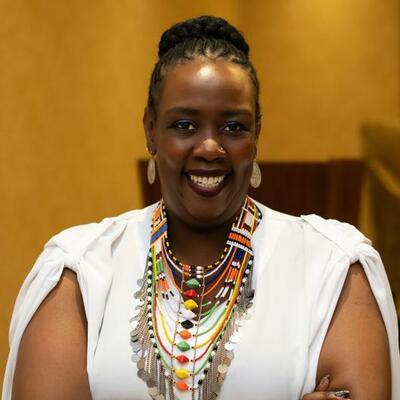
Wanjiru Kamau-Rutenberg
Managing Director, Africa, and Trustee, Bioversity International USA“Science alone does not change anything. And scaling without science does not mean anything either. Therefore, science and implementation must move together.” —Kindie Fantaye, Head of Climate Adaptation, Sustainable Agriculture and Resilience, AGRA
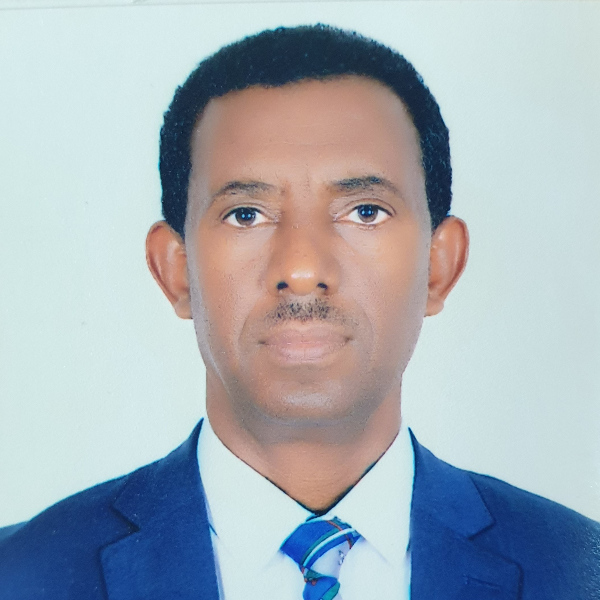
Kindie Tesfaye Fantaye
Head, Climate Adaptation, Sustainable Agriculture and Resilience, AGRAAbout the Alliance of Bioversity International and CIAT
The Alliance of Bioversity International and CIAT is a CGIAR research centre delivering science-based solutions for a food-secure future. The Alliance works at the intersection of agriculture, biodiversity, climate change, nutrition and sustainable development, partnering with governments, researchers, communities, businesses and other institutions to generate and scale solutions for resilient food and land systems.
Media contacts
- Rachel Kibui: Strategic Communication and Media Consultant – [email protected] | +254 721 898 931
- Fatimata Kone: Africa Communication Lead - [email protected] | +226 76065657
More on the Alliance at AFSF 2026
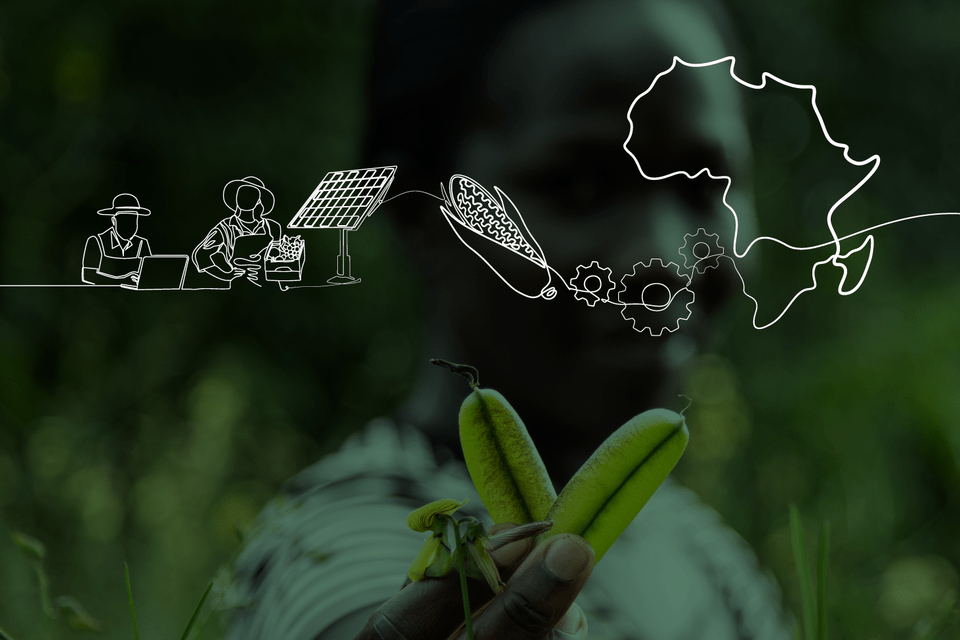
The Alliance launches its 2026–2030 Strategy in Africa at the Africa Food Systems Forum 2026