From the Field Scaling science in Africa: Alliance launches 2026–2030 strategy with new partners
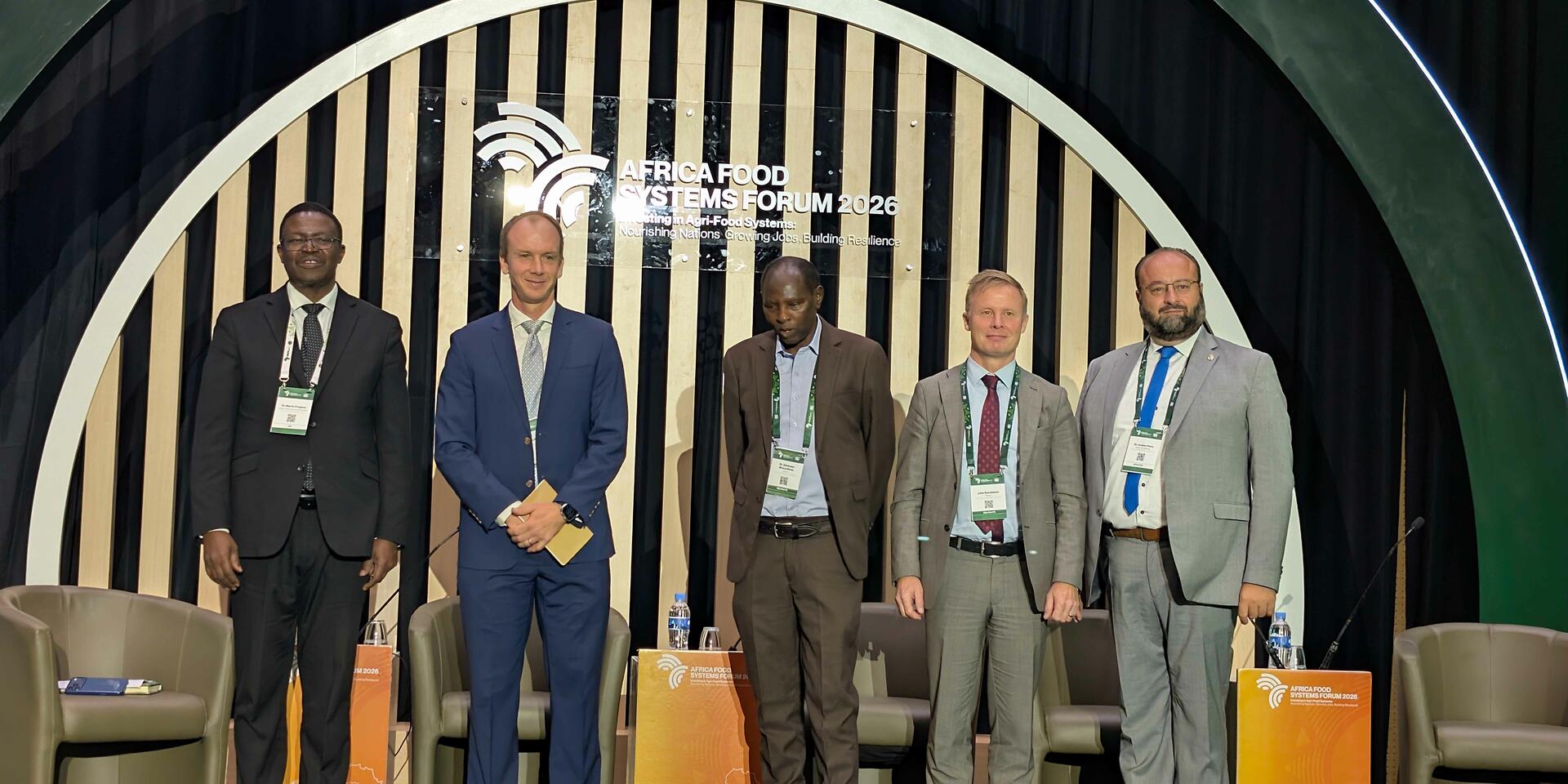

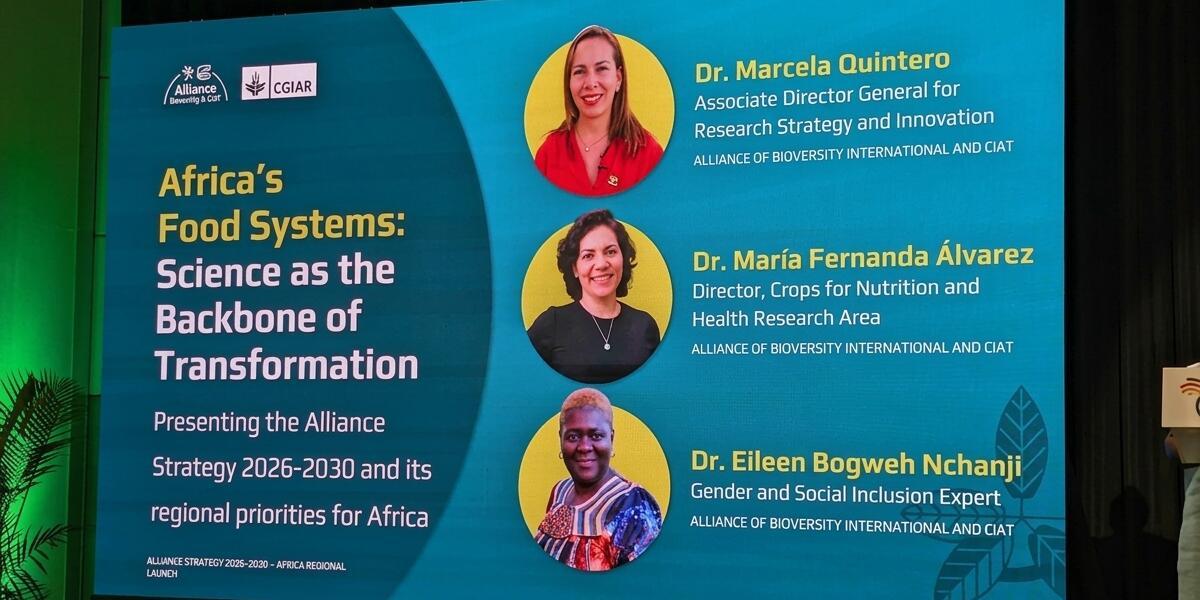
At the Africa Food Systems Forum (AFSF) 2026 in Kigali, the Alliance of Bioversity International and CIAT launched the African chapter of its 2026–2030 Strategy, Resilient Futures: Urgent Science for Food and Land Systems Transformation.
Hosted with Rwanda's Ministry of Agriculture and Animal Resources and framed within CGIAR's wider 2025–2030 Research Portfolio, the launch set out five connected outcomes: agrobiodiversity, resilient farms and landscapes, inclusive food economies, healthy diets, and financing for impact.
"Our strategy only matters if it changes how we work. That means making science travel in both directions: turning evidence into decisions, investment and solutions at scale, while bringing farmers' priorities and local knowledge back into research." - Juan Lucas Restrepo, Director General, Alliance of Bioversity International and CIAT
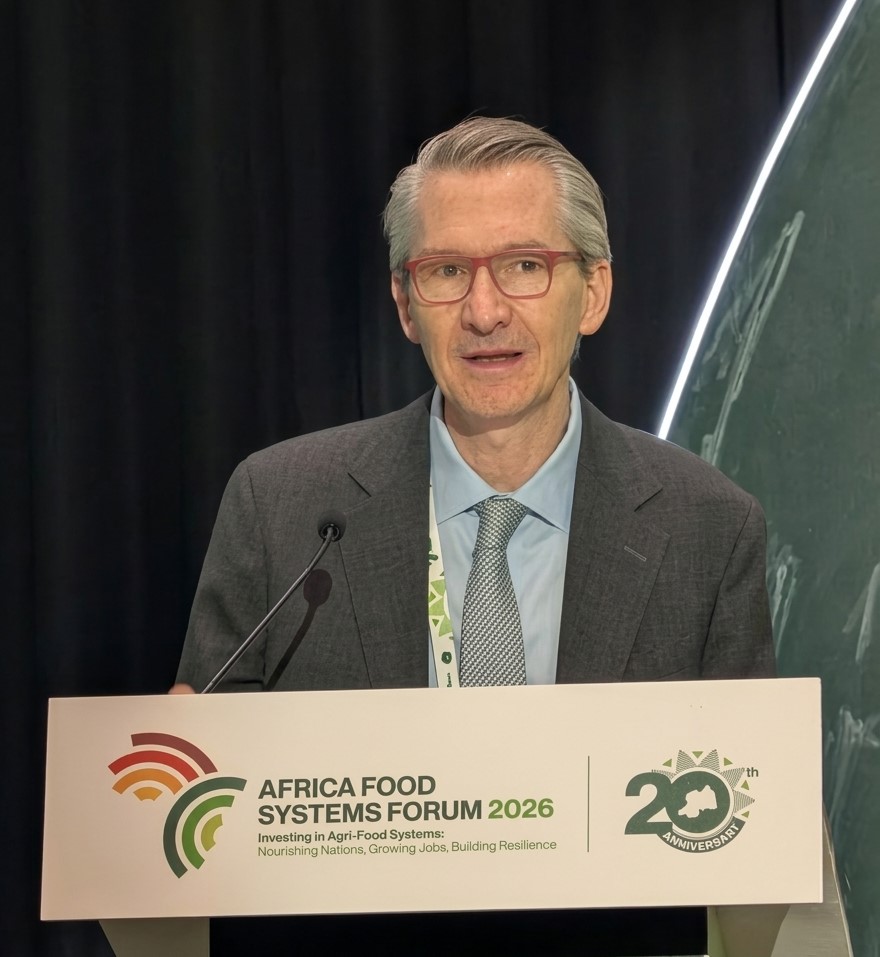
At the core of the Alliance’s Strategy is collaboration to deliver solutions at scale. And true to this approach, in Kigali the Alliance moved directly into four partnership agreements with One Acre Fund, the World Farmers' Organisation (WFO), SNV and Mati Carbon, each addressing a different point to take research into farmers’ fields.

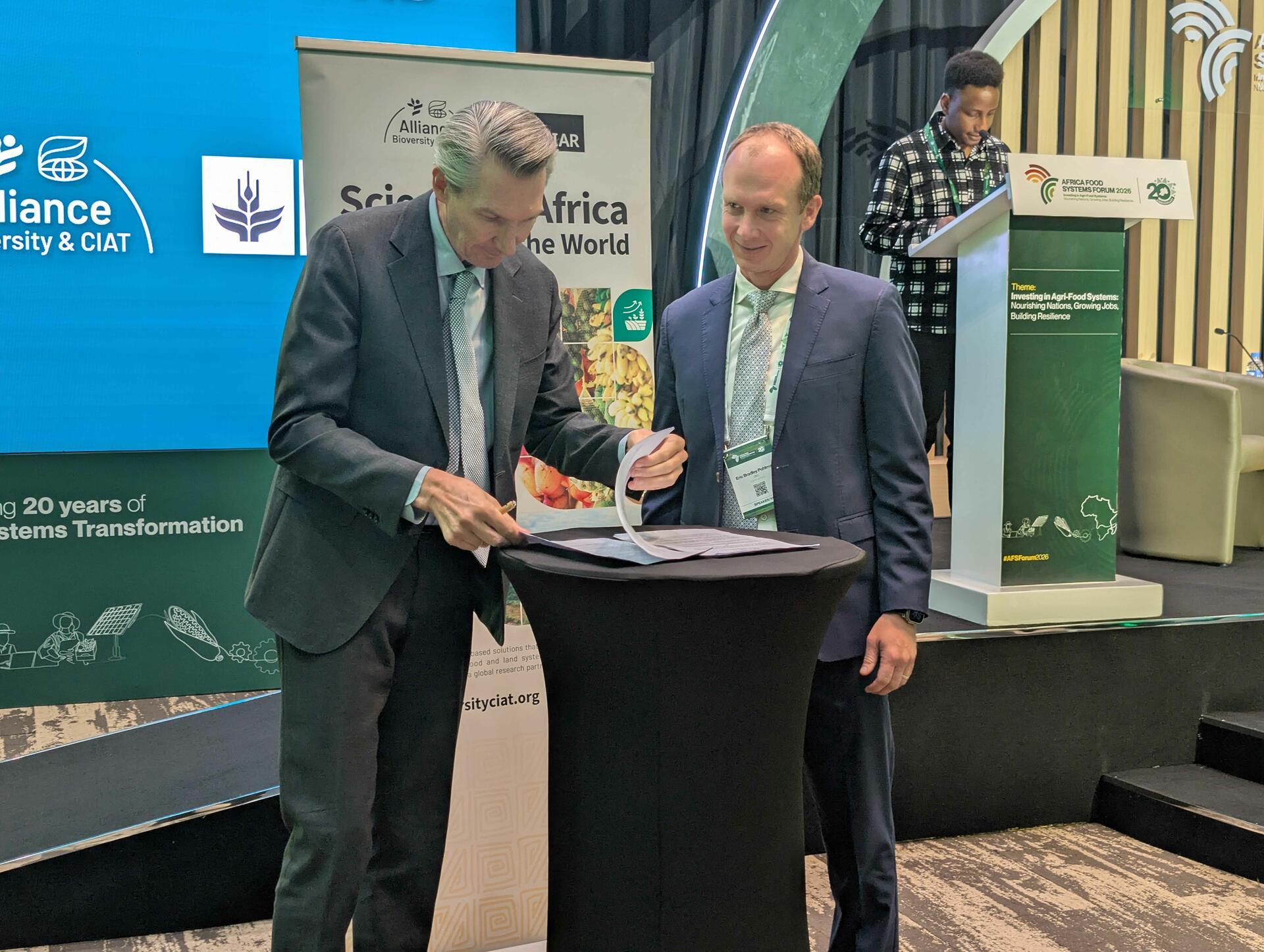
One Acre Fund: closing the distance between research and the farm
A three-year framework will connect the Alliance's research on climate-smart agriculture and seed systems with One Acre Fund's direct delivery network, starting in Kenya, Rwanda, Tanzania and Malawi. The aim is a feedback loop: research identifies what is likely to work, and a large farmer network tests whether it holds up against real constraints such as cost, timing, labour and access.
"By connecting those two capabilities, we can shorten the distance between a promising innovation and a practical solution that farmers can use, trust and afford." - Eric Pohlman, CEO, One Acre Fund
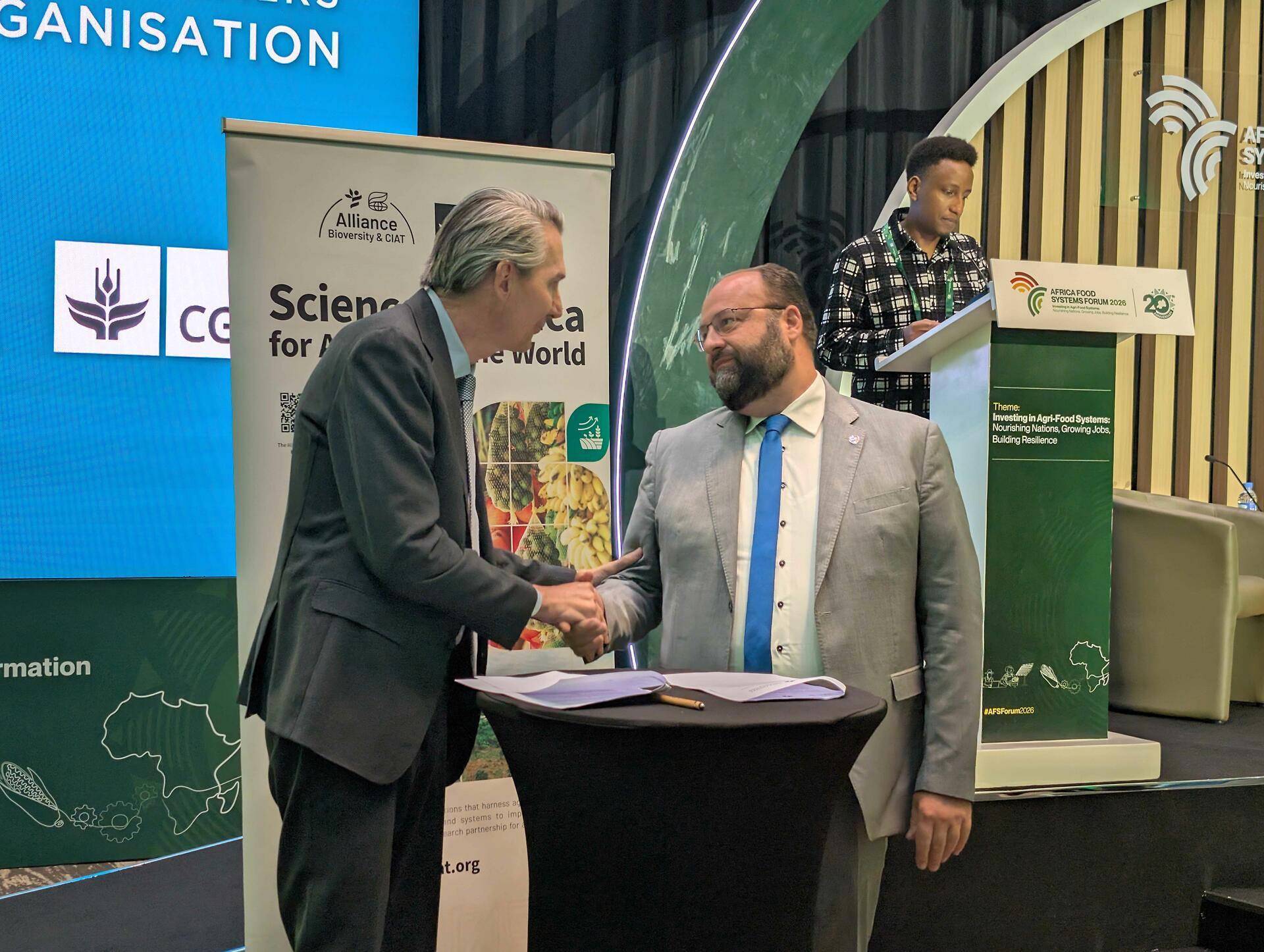
World Farmers' Organisation: putting farmers inside the research agenda
A five-year MoU with WFO brings organised farmer networks into research earlier, shaping priorities and testing context-based solutions. The agreement spans farmer-centred research, agrobiodiversity, climate resilience and policy advocacy, with particular attention to women and young farmers.
"The value is not simply in taking science to farmers, but in building science with farmers so that it is relevant, accessible and ready for the realities of the field." - Dr Daniel Mwendah M'Mailutha, President, World Farmers' Organisation
SNV: turning evidence into implementation
A five-year cooperation framework with SNV (Netherlands Development Organisation) pairs the Alliance's research portfolio with SNV's implementation experience across agri-food, energy and water systems in government and community programmes, starting with climate information and early-warning work in Kenya and Ethiopia.
"The opportunity is to build a stronger pathway from evidence to implementation and from implementation back to evidence." - Simon O'Connell, CEO, SNV
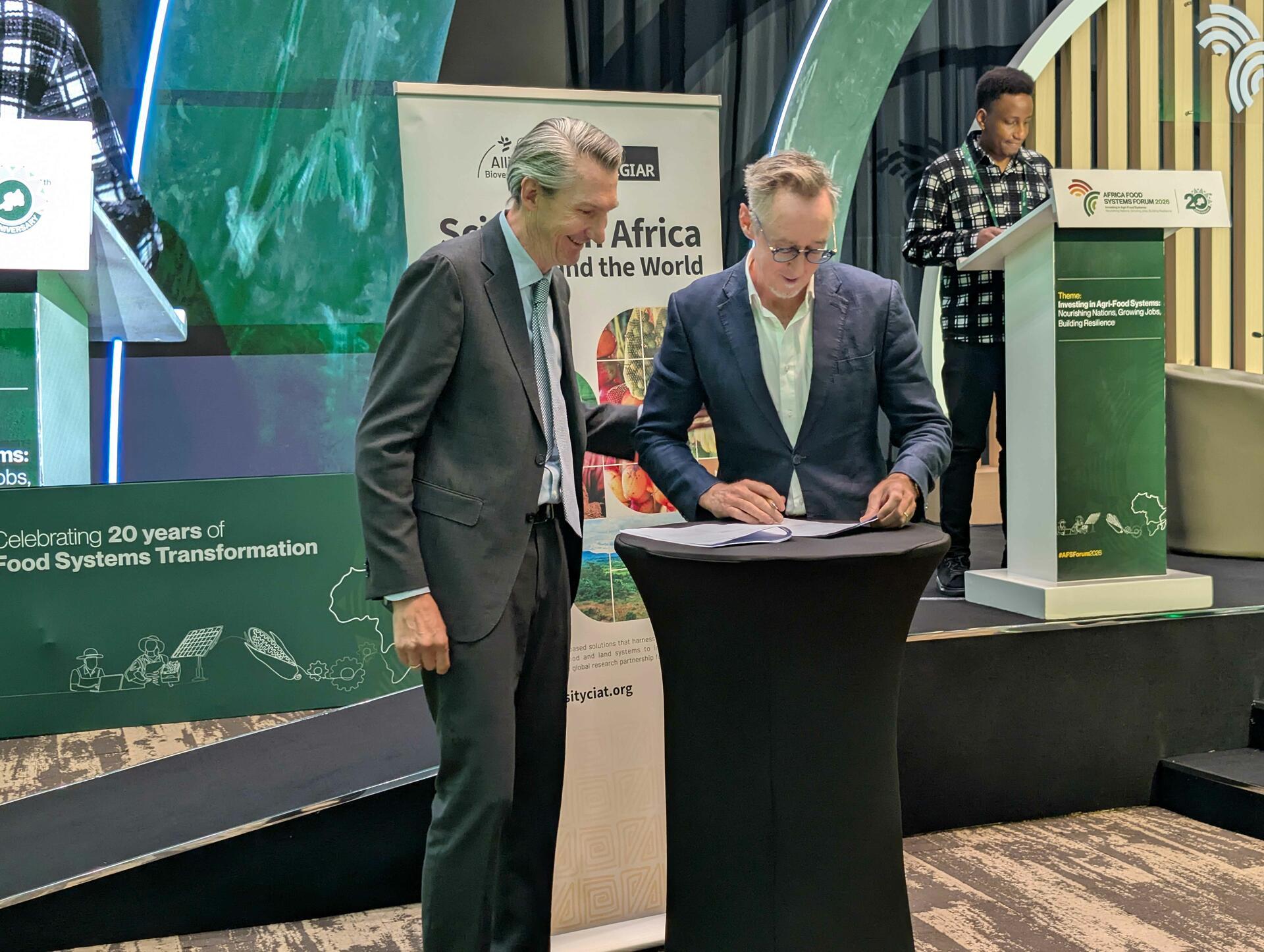
Mati Carbon: testing a climate solution and then scaling it
A five-year MoU with Mati Carbon will generate field evidence on enhanced rock weathering (crushed basalt applied to soils), testing where it can improve soil health and yields alongside credible carbon removal, before it is treated as a proven answer for smallholder farming systems.
"We want to understand where enhanced rock weathering works, under what conditions and for whom, and how soil restoration, farmer resilience and credible carbon removal can reinforce one another." - Marcela Quintero, Associate Director General, Research Strategy and Innovation, Alliance of Bioversity International and CIAT
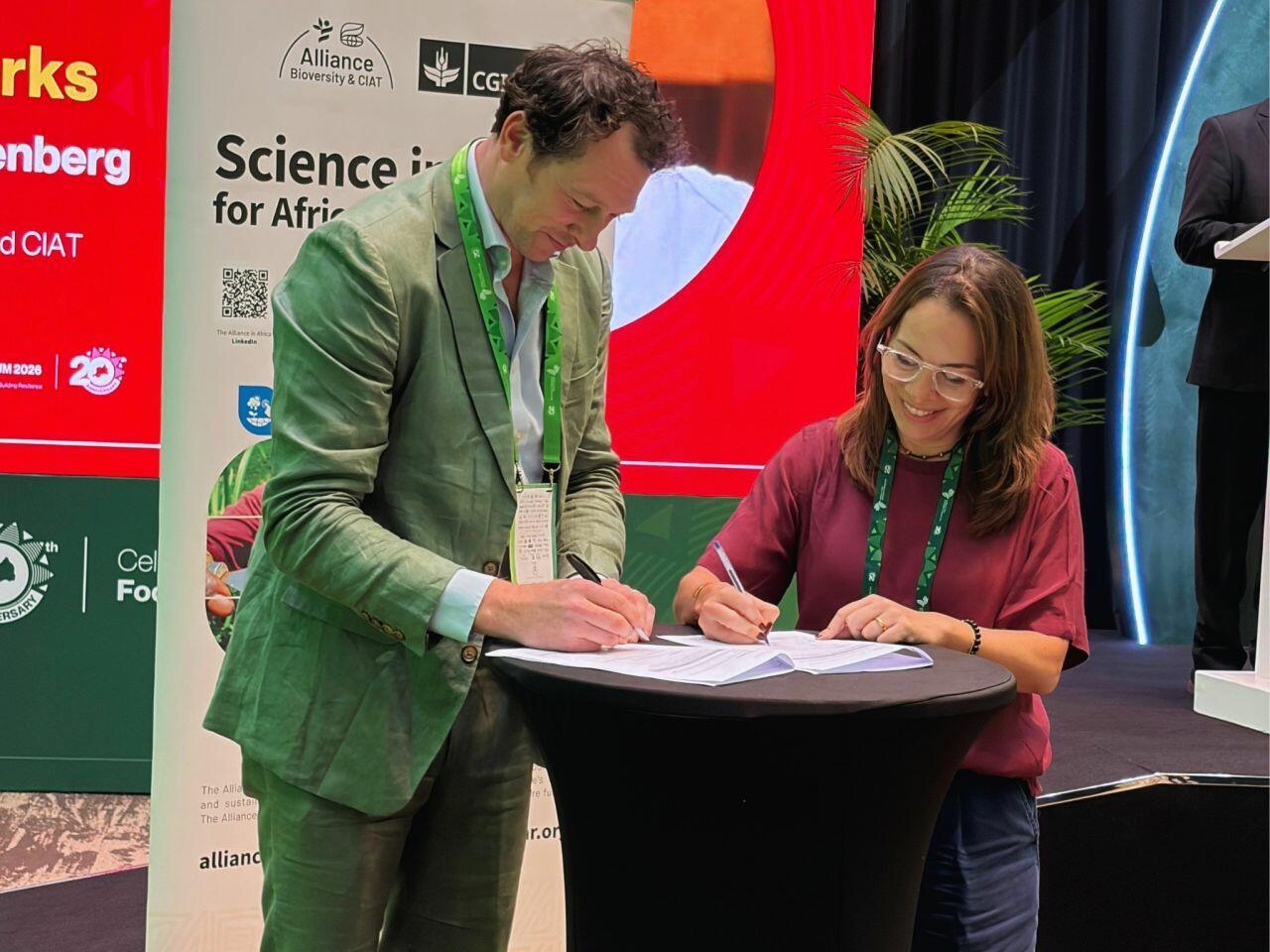
Ensuring partnerships deliver
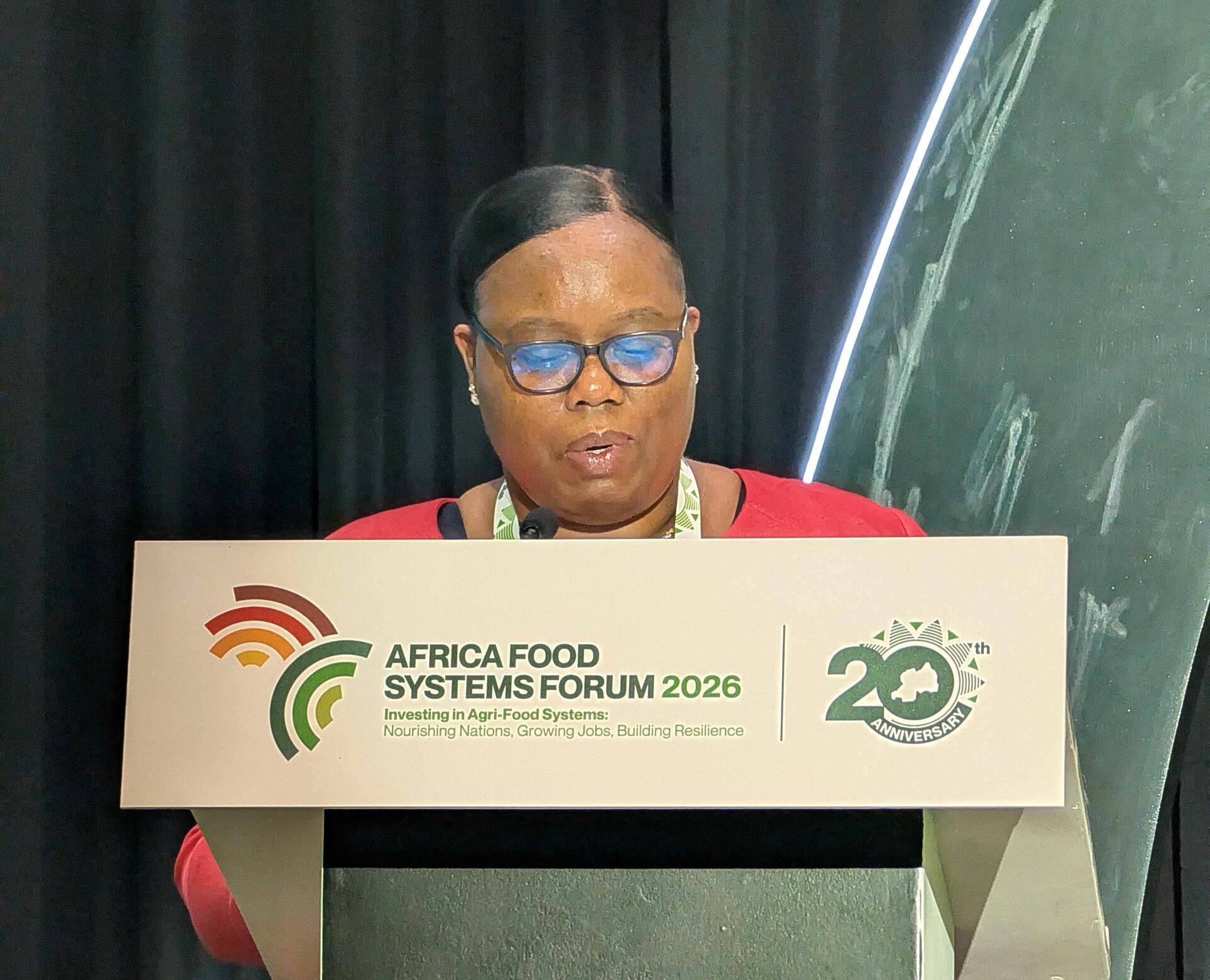
As Rwanda's Minister of State, Dr Solange Uwituze, said:
"We must develop: not partnership in the abstract, but named priorities, named people, and named dates."
The four agreements signed in Kigali are the start of that accountability, and the next steps will be to make certain, country by country, that the results are felt by farmers and consumers across the continent. By this, we will measure the success of the Alliance’s Strategy of Resilient Futures.
Keep exploring
The Alliance launches its 2026–2030 Strategy in Africa at the Africa Food Systems Forum 2026