Research Articles Waste that's worth gold: the 'Shark Tank'-style circular economy Demo Day
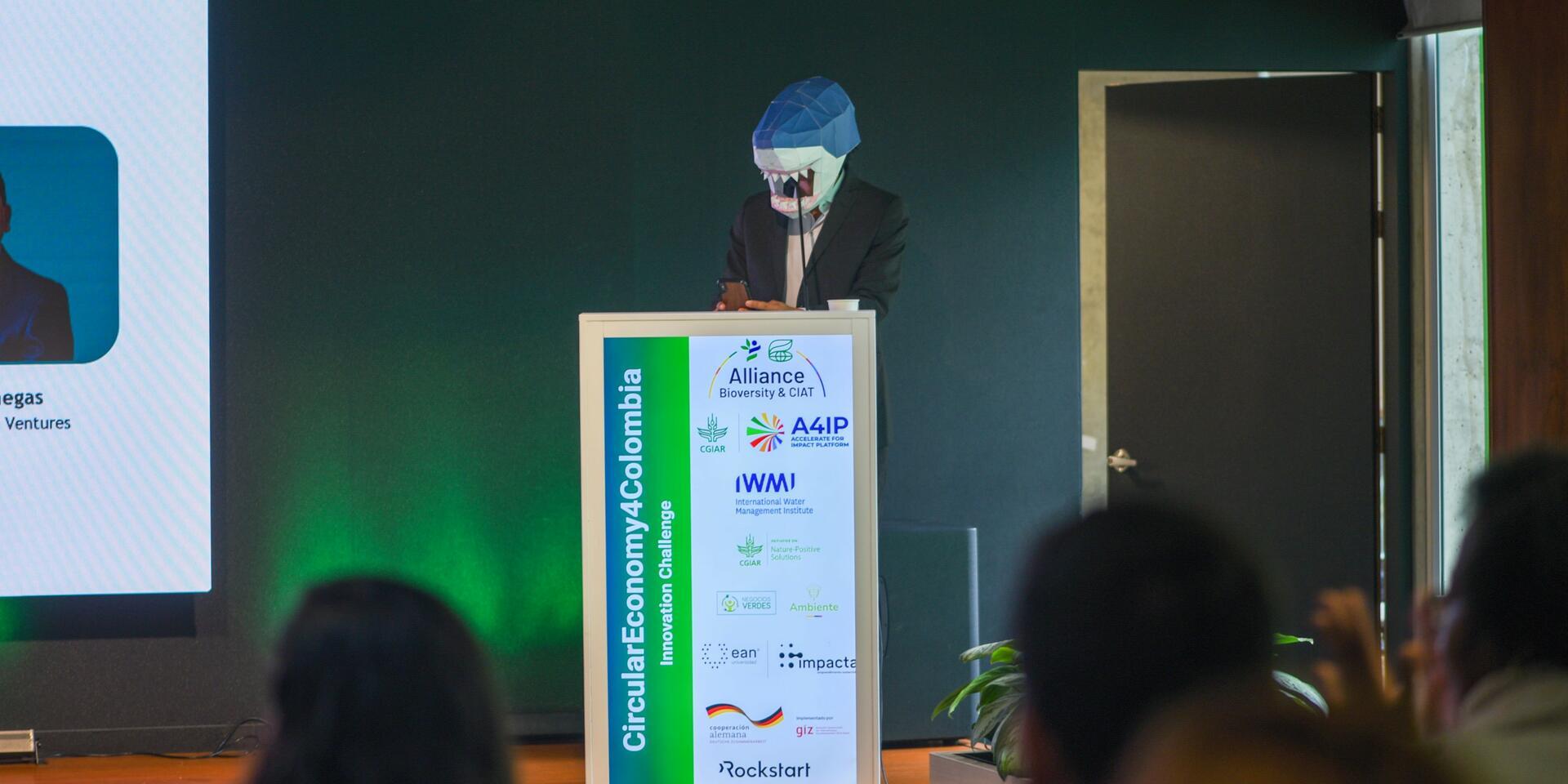

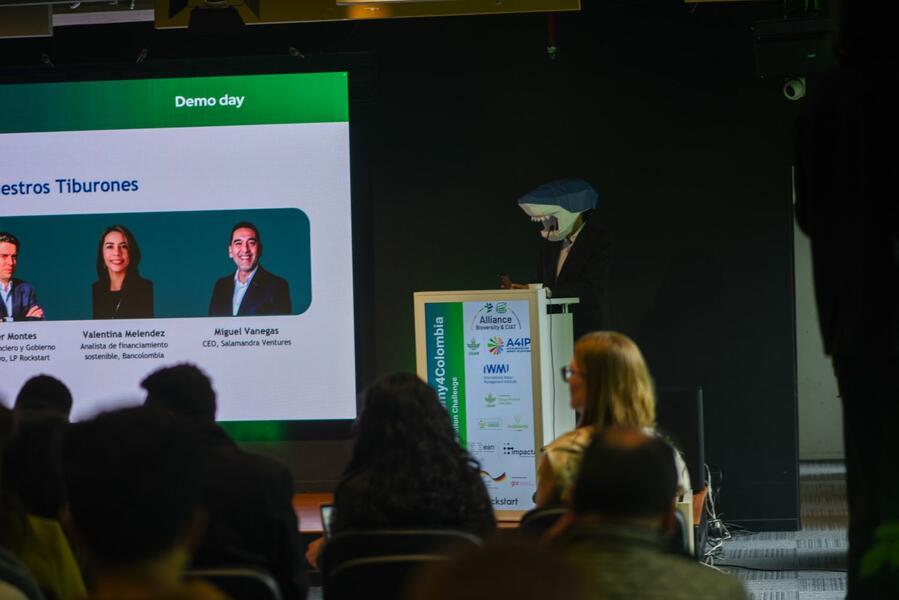
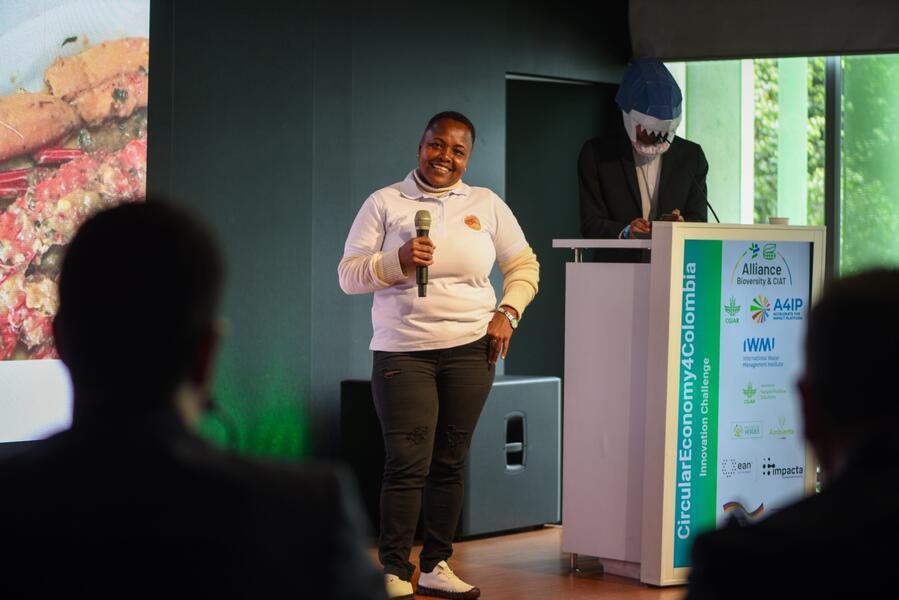
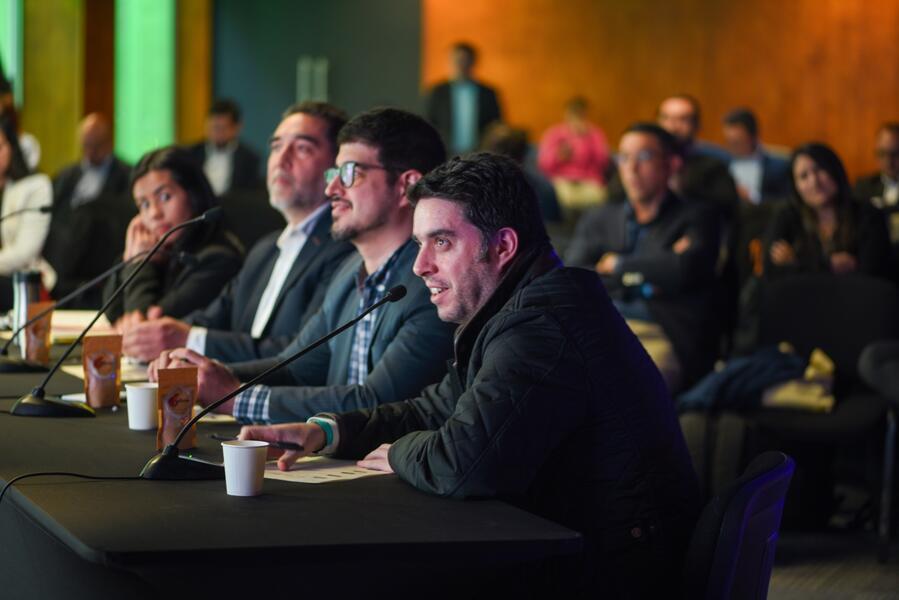
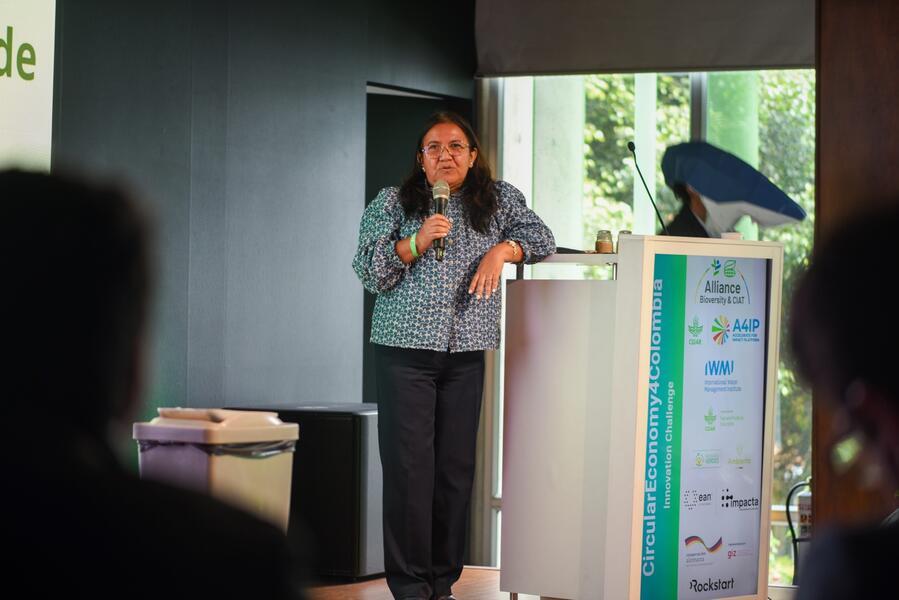
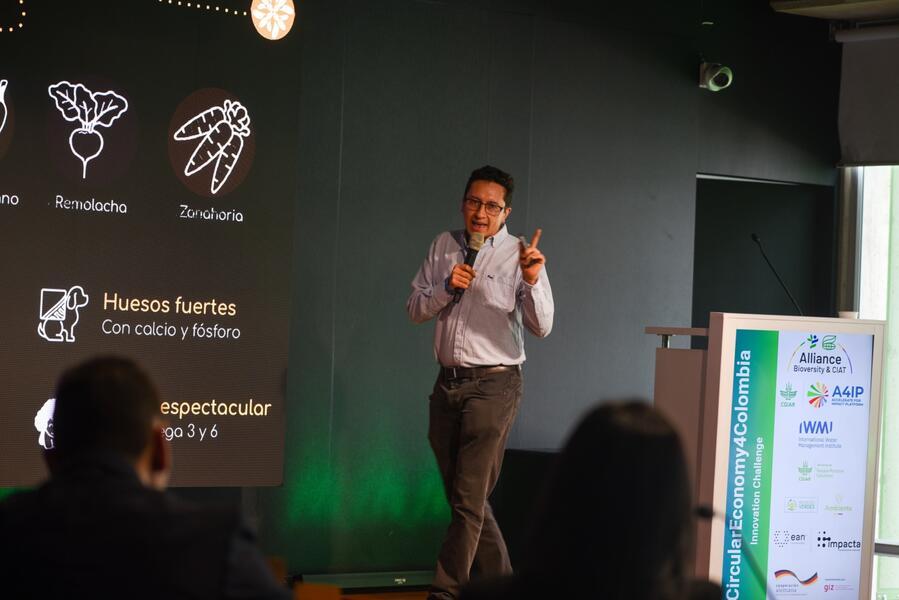
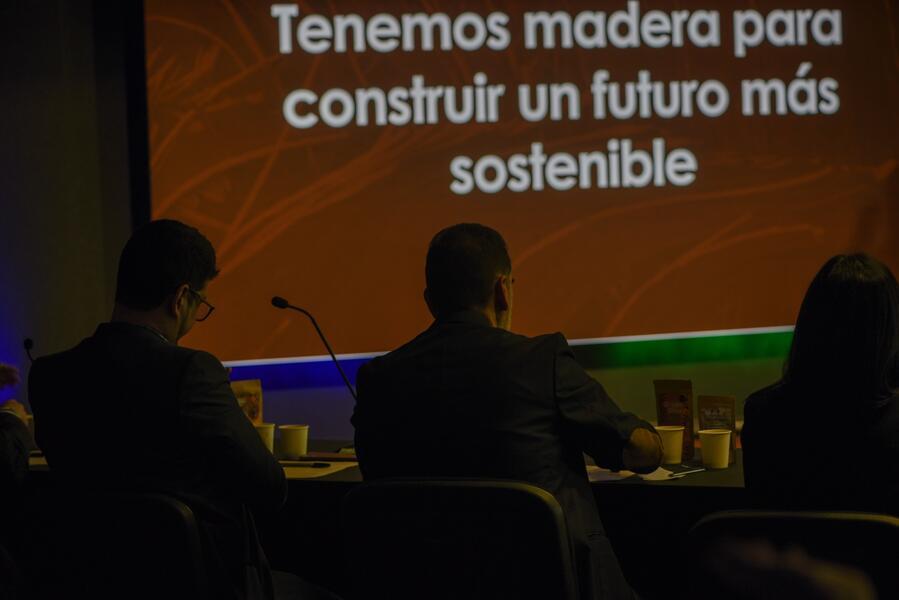
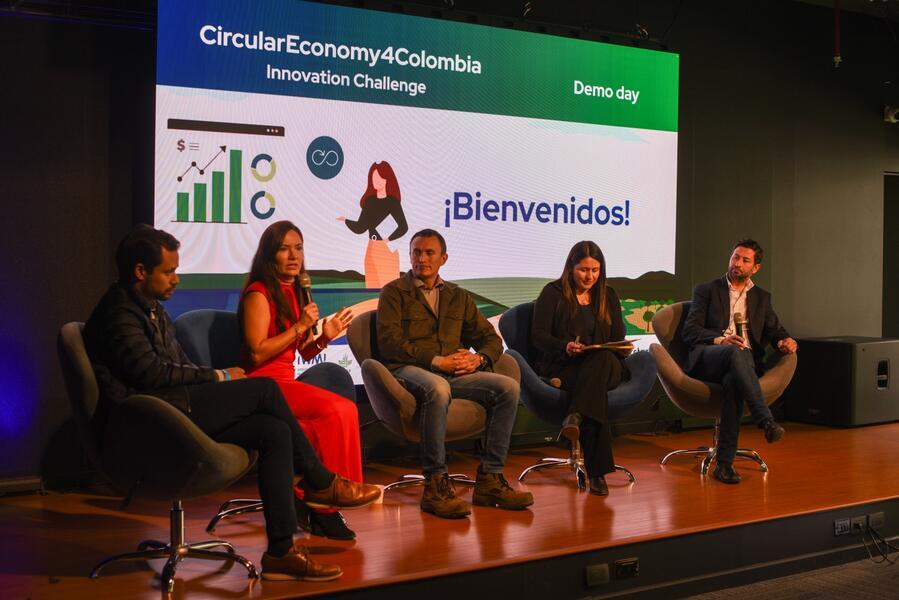
Four minutes to present. Five more minutes to answer questions. Only one chance to convince the jury. So began the Demo Day of CircularEconomy4Colombia, on March 11 at the EAN University in Bogota. Representatives of ten startups that are committed to transforming 'waste' into opportunities took the stage to present their ideas in a Shark Tank-type format. There were no real sharks, but there was plenty of tension: a relentless timer and a panel of five investors ready to listen to - and question - each proposal.
Away from the stage, the teams paced back and forth going over figures, rehearsing their speeches and reviewing the final details of their projects. Each, in their own way, was preparing to make those four minutes their golden opportunity. On the other side, five 'sharks' were waiting ready to bite: investors attentive to every word, number, or doubt that would put innovative ideas to the test.
Demo Day was the culmination of the CircularEconomy4Colombia Innovation Challenge, a program designed to promote innovative and scalable solutions that improve resource efficiency and waste reduction. In its initial phase, it received more than 400 applications from entrepreneurs, of which 21 were selected to participate in an intensive three-day bootcamp in October 2024, where they received specialized mentoring and tested their ideas in front of experts. At the end, the ten projects with the greatest potential for environmental impact and scalability accessed a three-month acceleration program in which they refined their business models and prepared for the big moment: Demo Day.
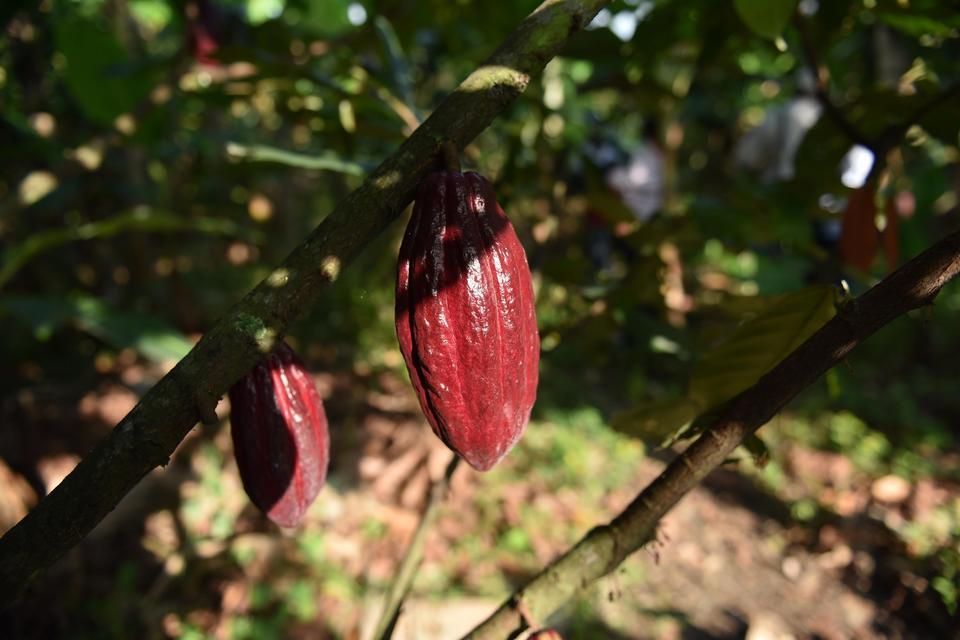
One by one, the teams took to the stage. Among the innovations presented were wooden boards made from coconut shells, bioplastics created from cacao shells, pet food made from insects and healthy snacks created from the pulp normally discarded from coffee beans.
One of the initiatives that attracted the most attention was 'Camharina': a protein-rich flour made from shrimp waste that normally ends up in the garbage or thrown back into the sea. In Colombia, according to the Centro de Investigación en Alimentación y Desarrollo de México, for every 20 tons of shrimp that are extracted, 15 tons become waste. Faced with this problem, Jesi and Jacqueline Sevillano created Asomefama, an association of Afro-Colombian women who see in this waste an opportunity: what for many is garbage, for them is raw material.
In addition to all the environmental impact in the use of shrimp waste, 'Camharina' generates income and food for their communities. "The conversion of shrimp shell into flour is absolutely new and brilliant, the socioeconomic solution and the environmental impact that this product generates has a much deeper significance," said investor Javier Montes, of the company Montesea SAS
.
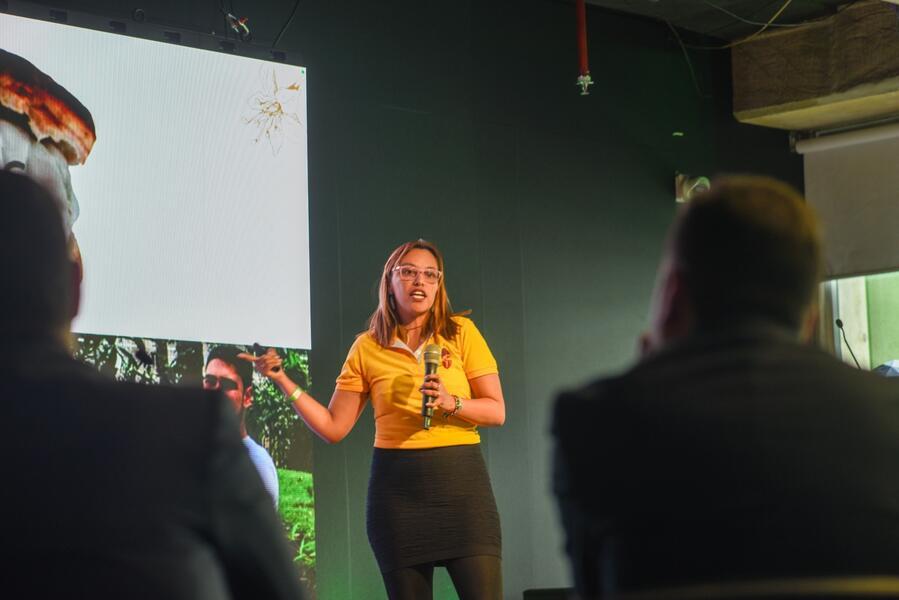
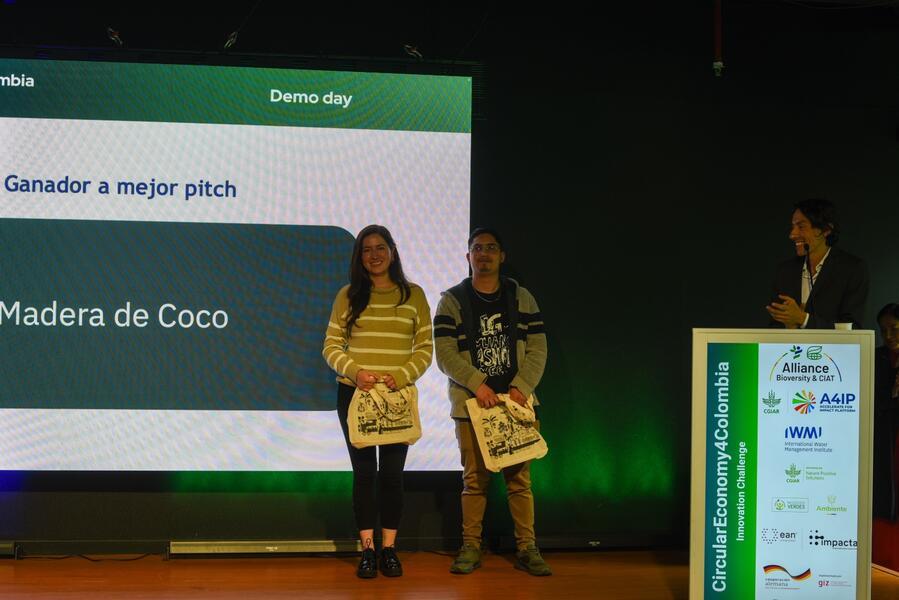
Another project that also surprised was Madera de Coco, an idea that was born in university classrooms more than eight years ago when Steven Jurado and Ángela Parra shared classes. What began as their thesis work is now an innovative and sustainable business for the construction industry: boards made from coconut shells.
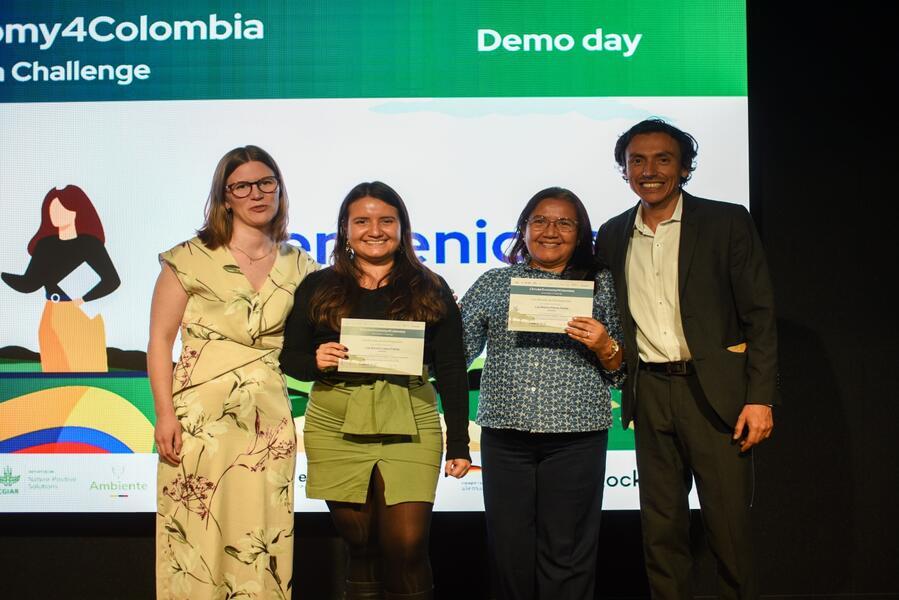
Their presentation was so clear and forceful that they won the best pitch award: "This acceleration process has been very rewarding. We learned how to validate our business idea, how to communicate better, how to sell what we do and how to relate to potential clients. It has been a very satisfying experience. Receiving the recognition for the best pitch shows us that we have the necessary skills to move forward, strengthen our venture and take it to the market" Ángela expressed.
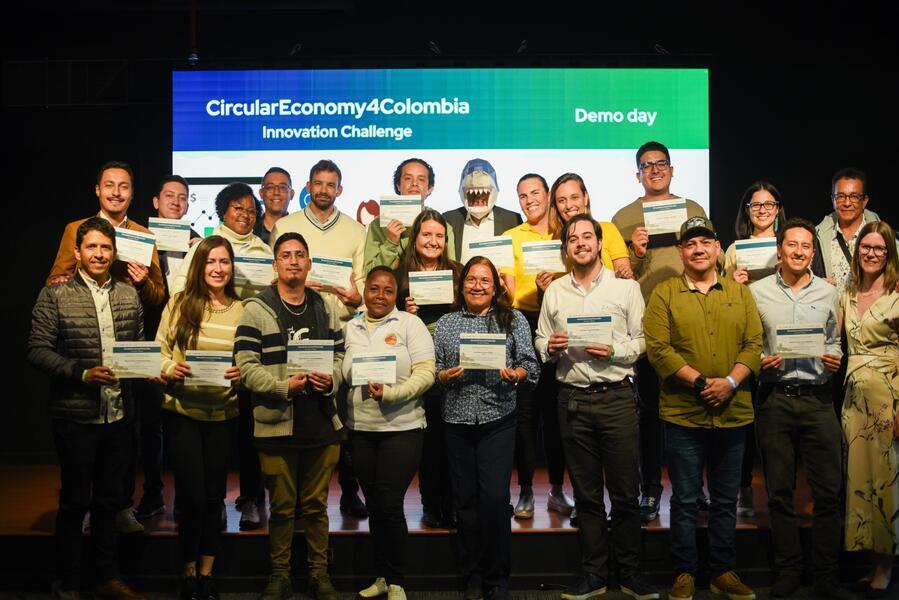
More than 140 people, including investors, academics and key players in the country's sustainability and innovation ecosystem, witnessed the transformative potential of each initiative. For the teams, it was an opportunity to connect with strategic allies, open doors to investments and generate new business opportunities
.
"Today, we have seen the fruits of a work that began more than three months ago. The teams presented their solutions strongly, addressing critical points with concrete figures to demonstrate their potential to participate in different market opportunities. Now the challenge is to continue working on the articulation of the different actors. This is the time to join efforts and move forward together towards a more sustainable development model," concluded Guillermo Peña, Researcher of the Alliance of Bioversity International and CIAT and leader of the initiative.
"What we witness today is more than a presentation event: it is the beginning of a movement. A movement where science-based innovation, public policy, investment and entrepreneurship come together to transform the circular economy in Colombia and generate real and sustainable impact," added Taija Khader, Acceleration Project Specialist from the CGIAR Accelerate for Impact Platform (A4IP). The two jointly led this initiative, guiding its design and implementation from the Alliance and A4IP.
.
Start-Ups that participated:
Asomefama
NATECO SAS
Kacota
Origin Bites
NanoMOF
Evolutio
Blue Life
Circulab (CGIAR)
FAIoTS
Coconut wood
Sharks:
Valentina Meléndez, Bancolombia
Sergio Cadavid, Fondo EAN Impacta
Javier Montes, Montesea SAS
Miguel Vanegas, Salamandra Ventures
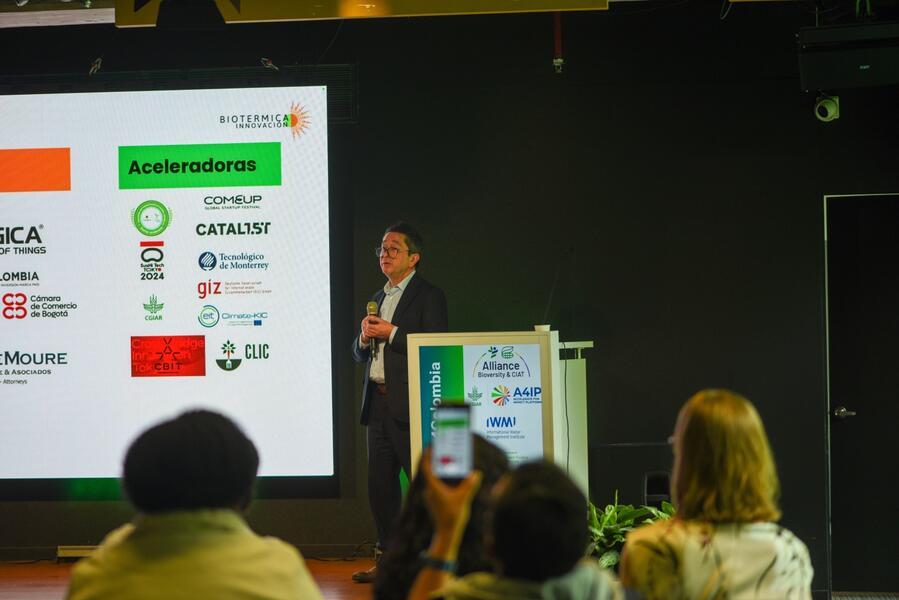
The Demo Day was promoted by the CGIAR Accelerate for Impact Platform (A4IP), in the framework of the CGIAR Nature-Positive Solutions initiative and co-organized by the Alliance of Bioversity International and CIAT and the International Water Management Institute (IWMI), in collaboration with Universidad EAN, GIZ Colombia and the Ministry of Environment and Development of Colombia.