Blog Making market information work for neglected crops in Niger

In rural Niger, farmers’ decisions to harvest, store or sell their produce often hinges on one critical factor: information. Knowing where products are traded, when demand peaks, or which markets offer the best prices can determine not only profit or loss but also whether households achieve food security.
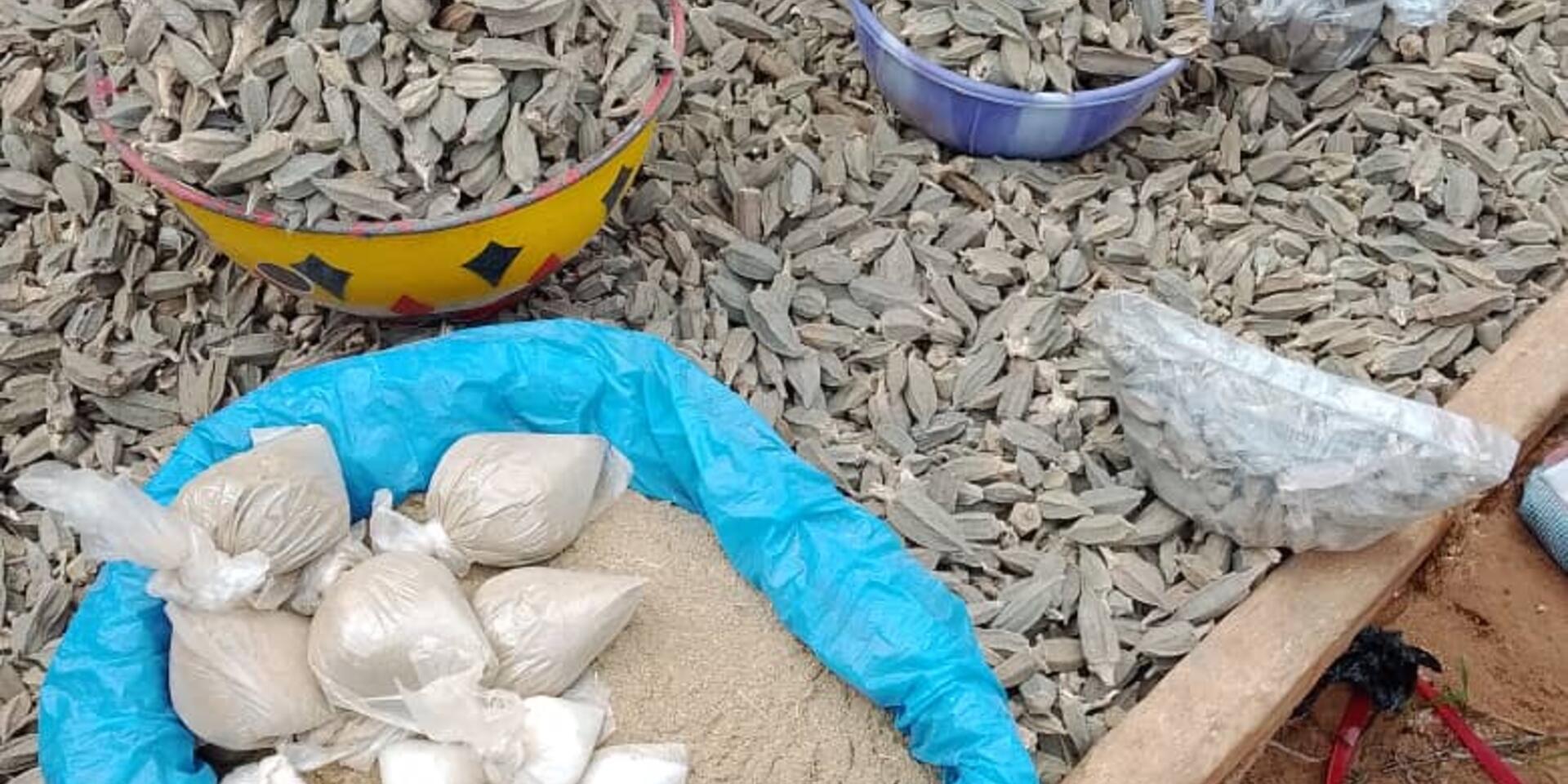
Yet, for many small-scale producers - especially those cultivating neglected and underutilized species (NUS) such as moringa, okra, roselle, sweet potato and Bambara groundnut - this information has long been missing. Traditional market monitoring systems in Niger and across West Africa typically focus on major staple crops. As a result, local and underutilized species remain invisible in market data, limiting opportunities for informed production and investment decisions.
A recent OECD study on trade in West Africa highlighted how these gaps contribute to underestimating the true economic and social importance of food systems. The findings underscore two critical implications:
- Local food systems — particularly those based on traditional and underutilized crops — play a far greater role in regional economies than current statistics reveal.
- Data remains a key driver for informed investment and policy planning; unless we act to capture what is currently 'unrecorded', we risk missing crucial opportunities to strengthen food security, livelihoods, and sustainable value chains.
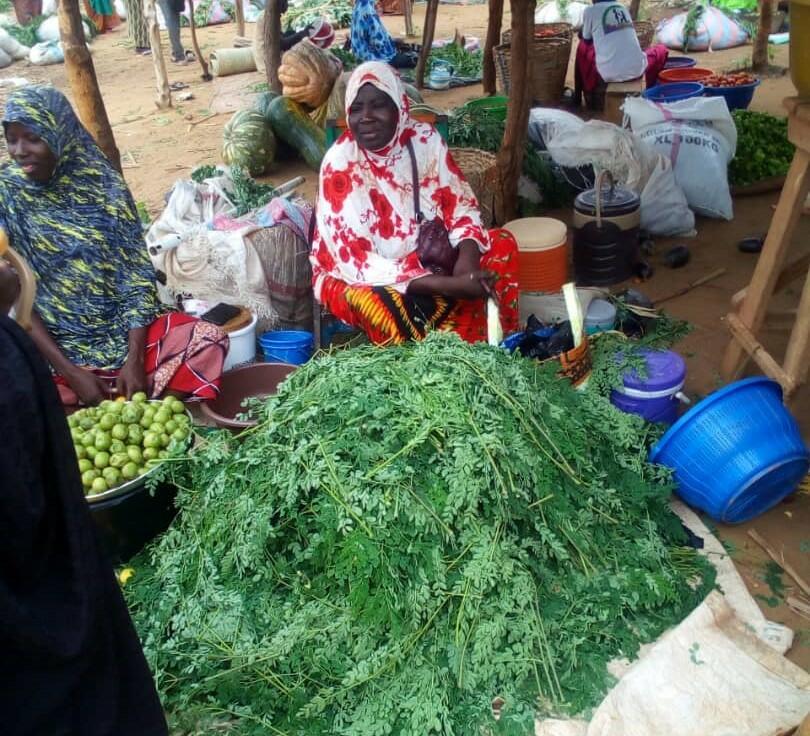
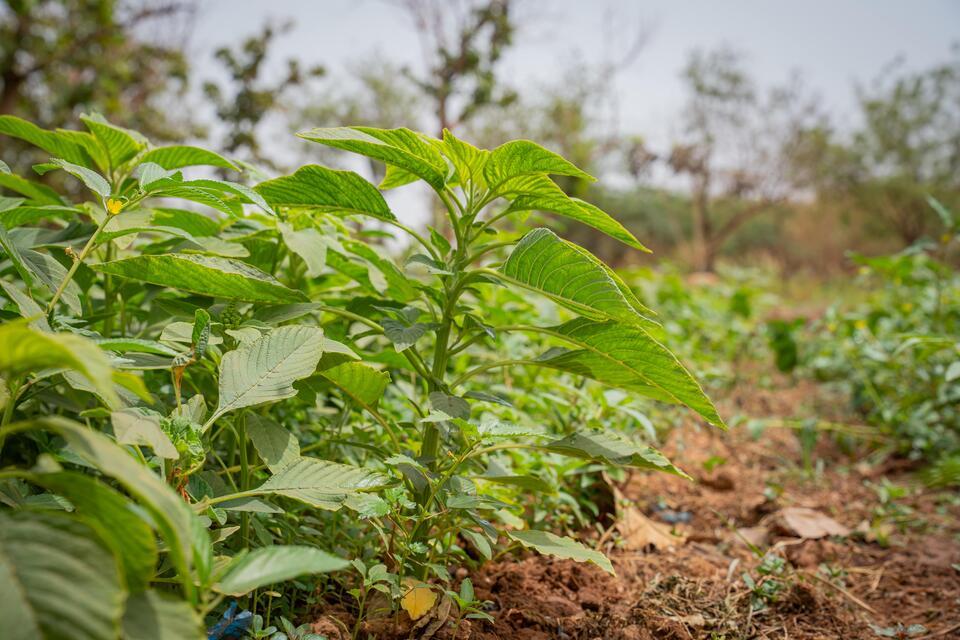
Moringa. Photo credit: RECA
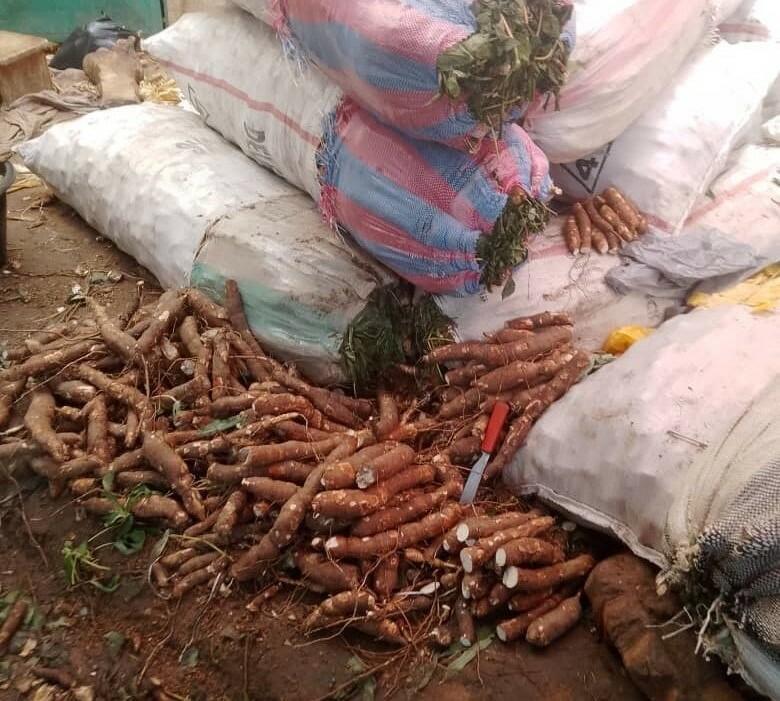
Cassava. Photo credit: RECA
From the field to the airwaves: Tracking prices, empowering producers
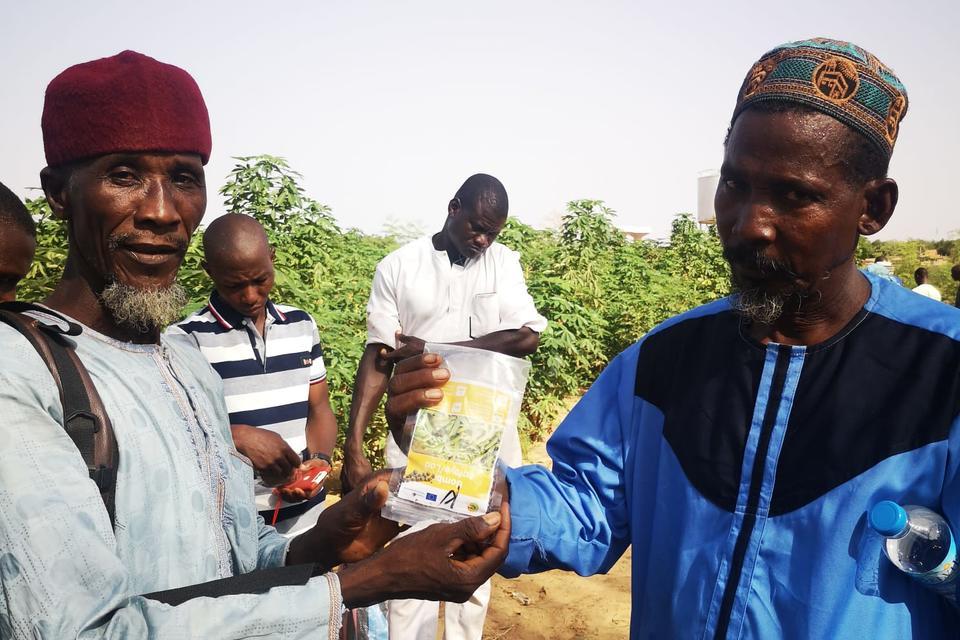
Since October 2024, the National Network of Chambers of Agriculture (RECA) and the SUSTLIVES project have been collaborating under an Alliance-led activity on market information system to collect and share weekly price data for six key NUS across eight local markets in the regions of Dosso and Tillabéri.
Data are collected by trained local enumerators - themselves farmers or traders - who record prices directly from the markets each week. The information is then verified and transformed into audio messages in local languages (Hausa and Zarma). These messages are shared through community radio stations and WhatsApp groups, ensuring wide accessibility. Radio broadcasts, in particular, are crucial for reaching rural populations, as they can be accessed without internet connection or mobile data. In both cases, the service is completely free of charge.
This dual strategy ensures that price information reaches even the most remote producers, enabling them to:
- Negotiate better prices,
- Plan harvests and sales more effectively,
- Identify the best markets for their produce.
Beyond real-time updates, periodic price notes also provide historical trends that support planning, crop diversification, and market opportunity analysis.
Reaching 100,000 farmers through local media
Over nine months, the initiative has produced 36 weekly audio bulletins, reaching more than 100,000 producers through radio programs and WhatsApp groups. Interactive radio segments such as 'Question Box' encourage producers to share experiences and test their knowledge about local crops, while debates and games create a sense of ownership and community learning.
As one farmer noted during a broadcast, “Before, we didn’t know how prices evolved in other markets. Now, we can decide where and when to sell.”
Building sustainability and local ownership
The success of this pilot has encouraged local institutions to take ownership. Regional Chambers of Agriculture have signed agreements with community radios to continue broadcasting agricultural programs, even after the formal project phase. Farmers continue to call RECA’s information hotline to ask for updated prices, and regional WhatsApp groups remain active spaces for sharing advice and exchanging local market news. Even in villages with limited connectivity, a single smartphone can become a bridge to market intelligence.
A model for scaling up
By combining local knowledge, digital communication tools and institutional partnerships, SUSTLIVES and RECA have created a model that strengthens both market transparency and the visibility of local crops.
As efforts continue, this approach could serve as a blueprint for other regions seeking to empower rural communities, promote agrobiodiversity, and make local food systems more resilient.
The team

Eleonora De Falcis
Associate Scientist
Francesca Grazioli
Scientist I