Research Articles Innovation with a Gender Perspective: Women Leading Agricultural Resilience
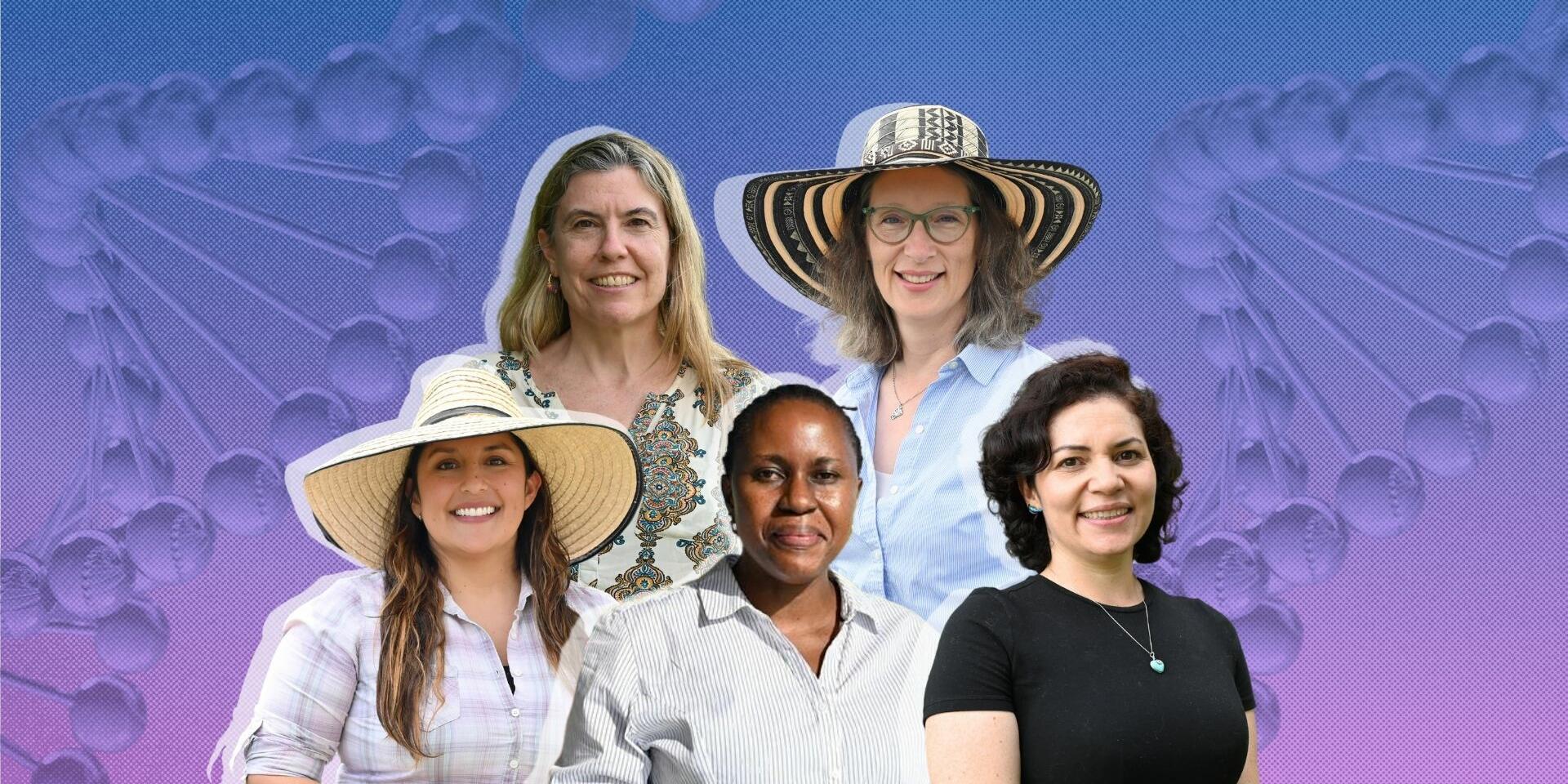

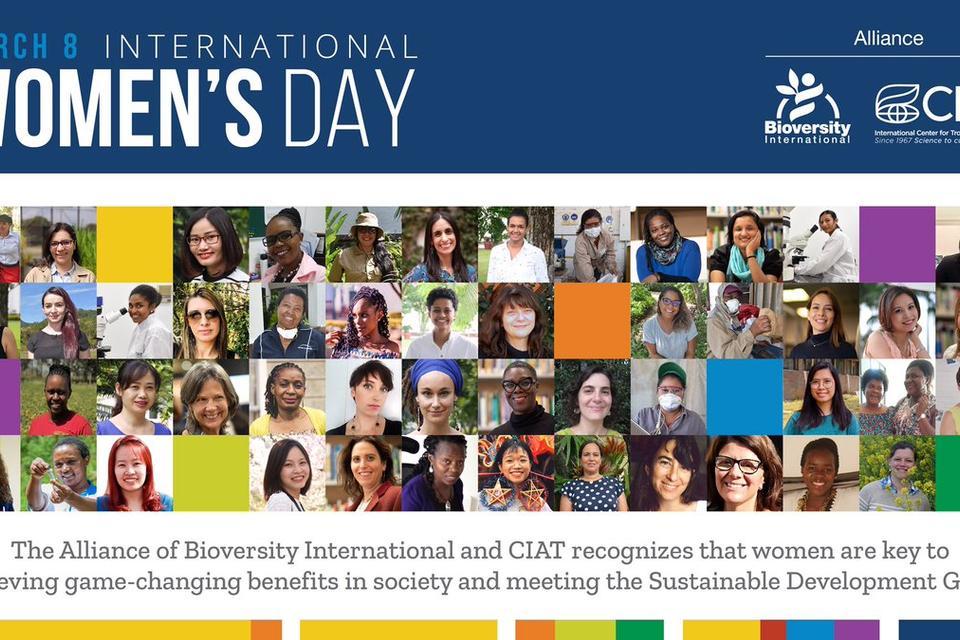
To mark International Women’s Day, the Alliance of Bioversity International and CIAT highlights the work of women crop breeders and agronomists who lead and advance agricultural research and development. Their work is essential to addressing current food security challenges and advancing toward more resilient and sustainable production systems.
Climate change is already showing its impact in farmers’ fields, affecting yields, crop quality, and producers’ economic stability. Higher temperatures, irregular rainfall, and new pests are transforming the way food is produced around the world.
In this context, plant breeding is not only a scientific discipline: it is a strategy for resilience. At the Alliance, genetic improvement teams work to ensure that crops remain productive, nutritious, and adaptable in increasingly uncertain environments. Breeding enables the use of genetic diversity to develop varieties that tolerate drought, heat, diseases, and degraded soils—without compromising nutritional quality or market potential.
Within this framework, Rosa Jauregui, Tropical Forages Breeder at the Alliance, notes: “Genetic improvement is essential for addressing challenges such as climate change, food security, and the sustainability of agri-food systems, as breeding enables the development of crops that can respond to current and future demands.”
In the words of Claire Mukankusi, bean breeder for Africa at the Alliance, breeding is the science that ensures crops continue to provide food, nutrition, and income in a changing world. This definition highlights a key point: it is not only about producing more, but about sustaining entire food systems.
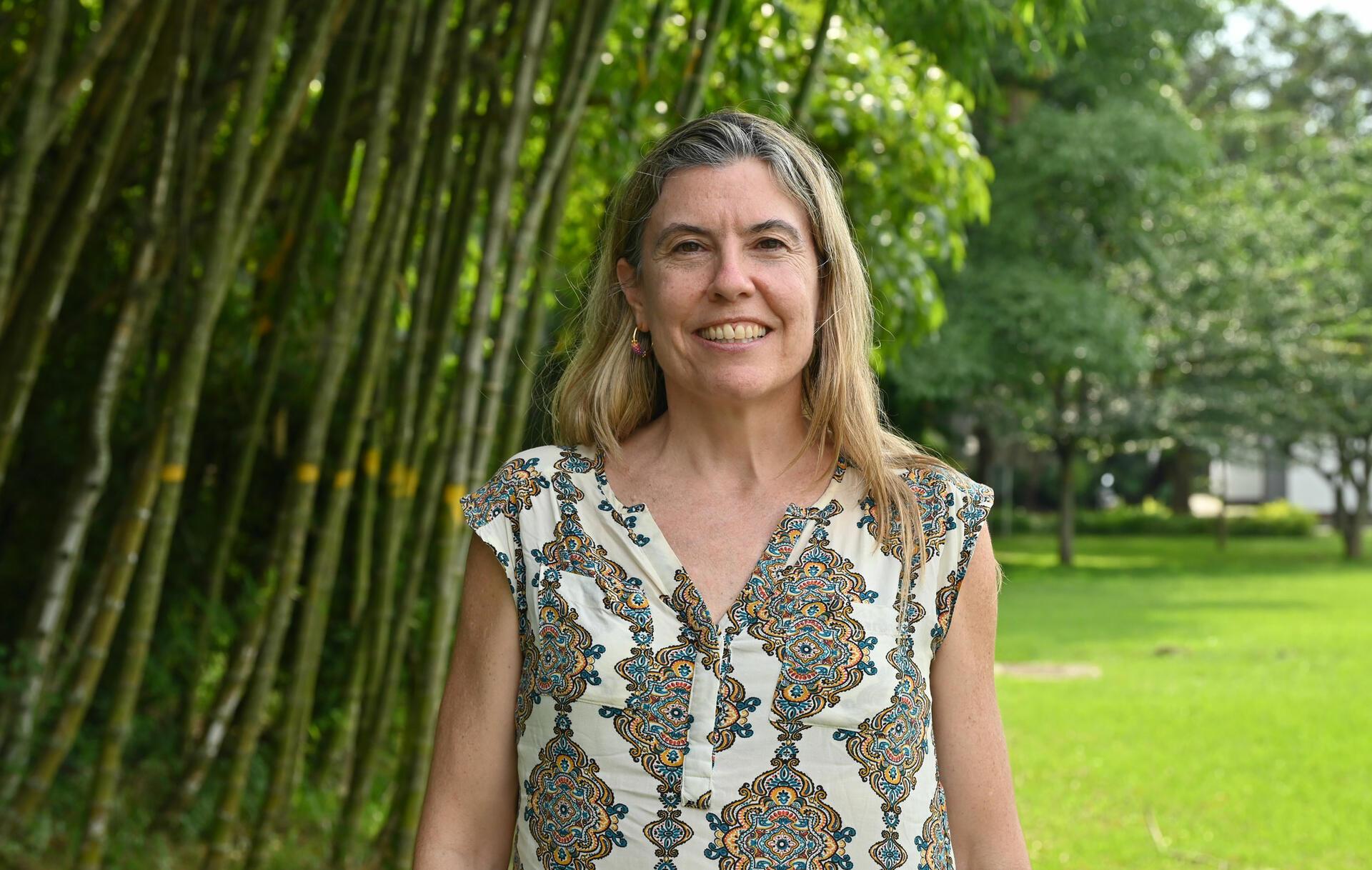

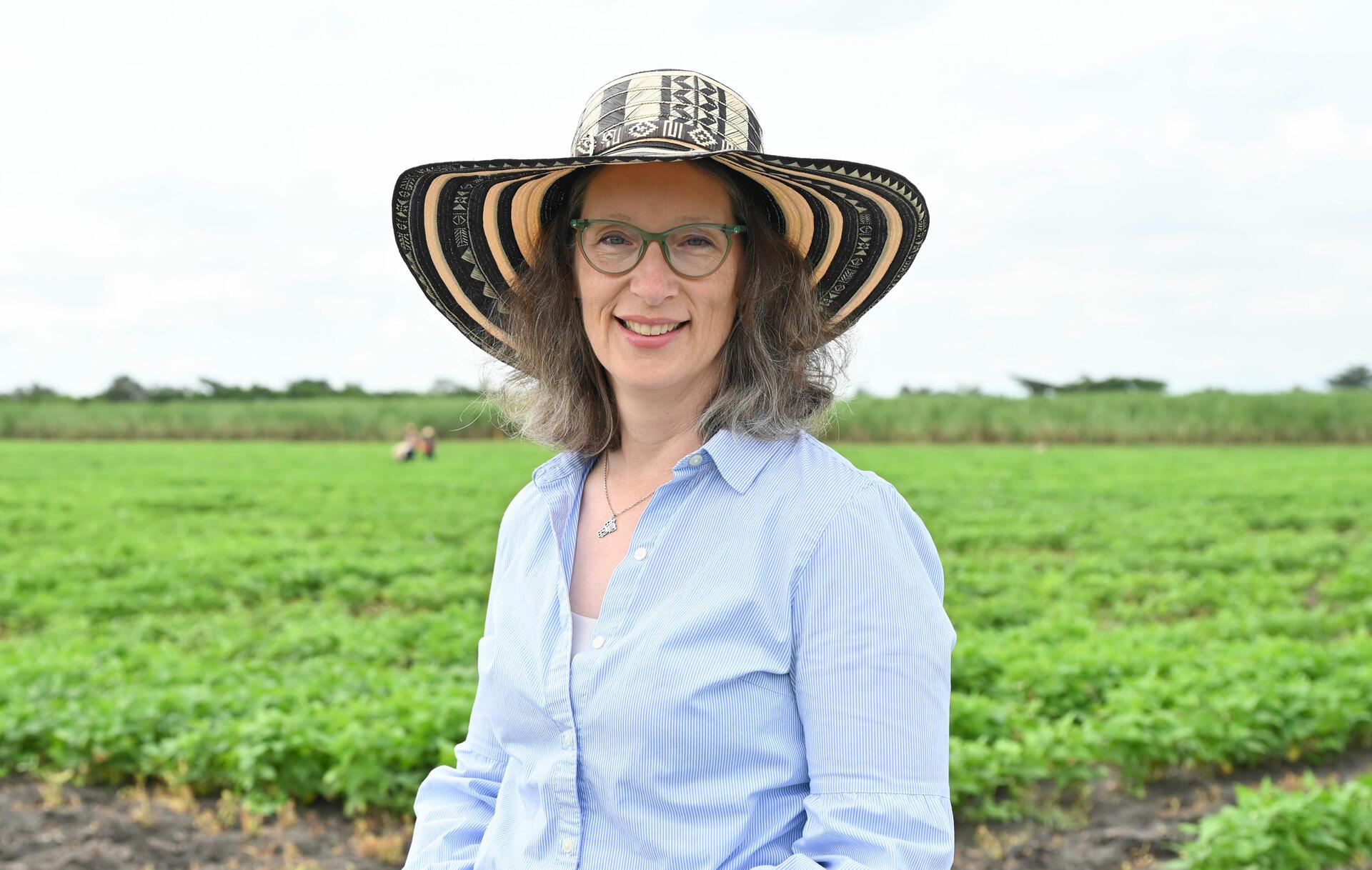
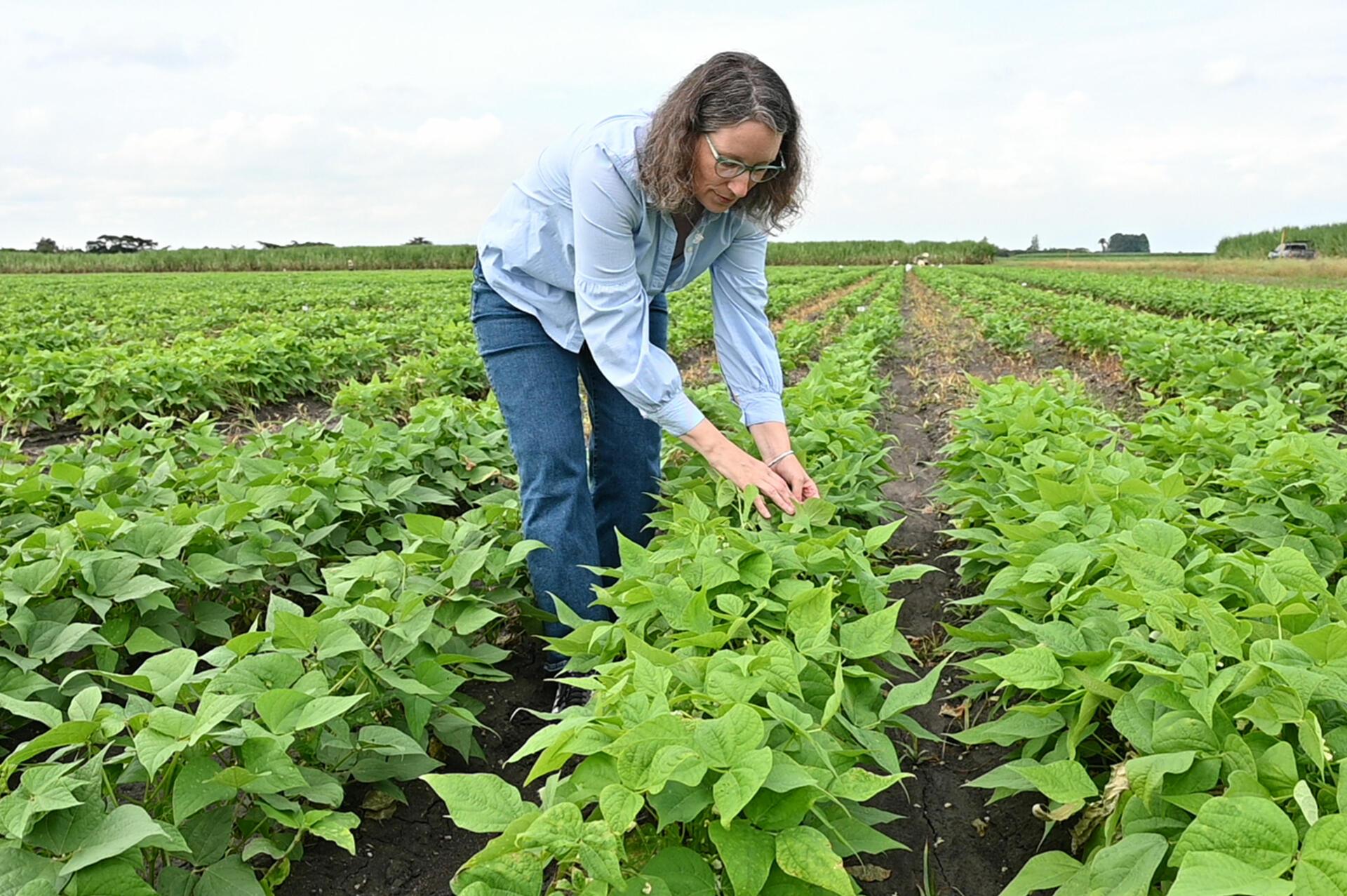
The impact of this work is visible globally. New varieties of beans, rice, and cassava, among other crops, have helped stabilize harvests, reduce losses caused by drought, and improve the nutritional quality of food. Jennifer Wilker, bean breeder for Latin America, works to expand and harness genetic diversity so that farmers can cultivate more resilient varieties that are better aligned with the demands of their markets. Her approach connects genetics with production realities and value-chain dynamics.
Plant breeding integrates data science, genomic tools, predictive models, and artificial intelligence to accelerate selection processes and increase their precision. Beyond technology, it remains a deeply human process: built on field experience, knowledge of local environments, and strategic decisions about which traits are truly valuable for society.
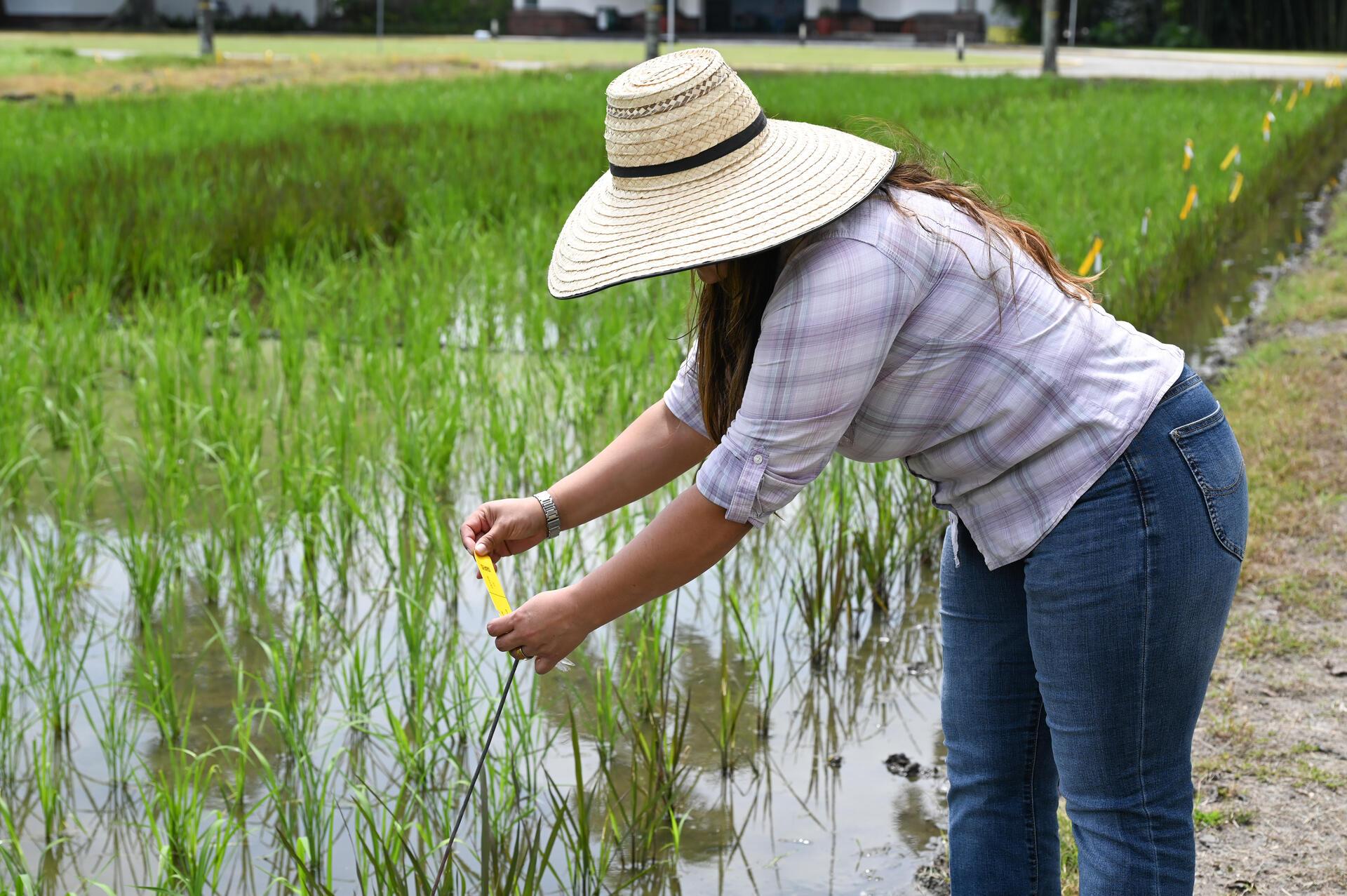
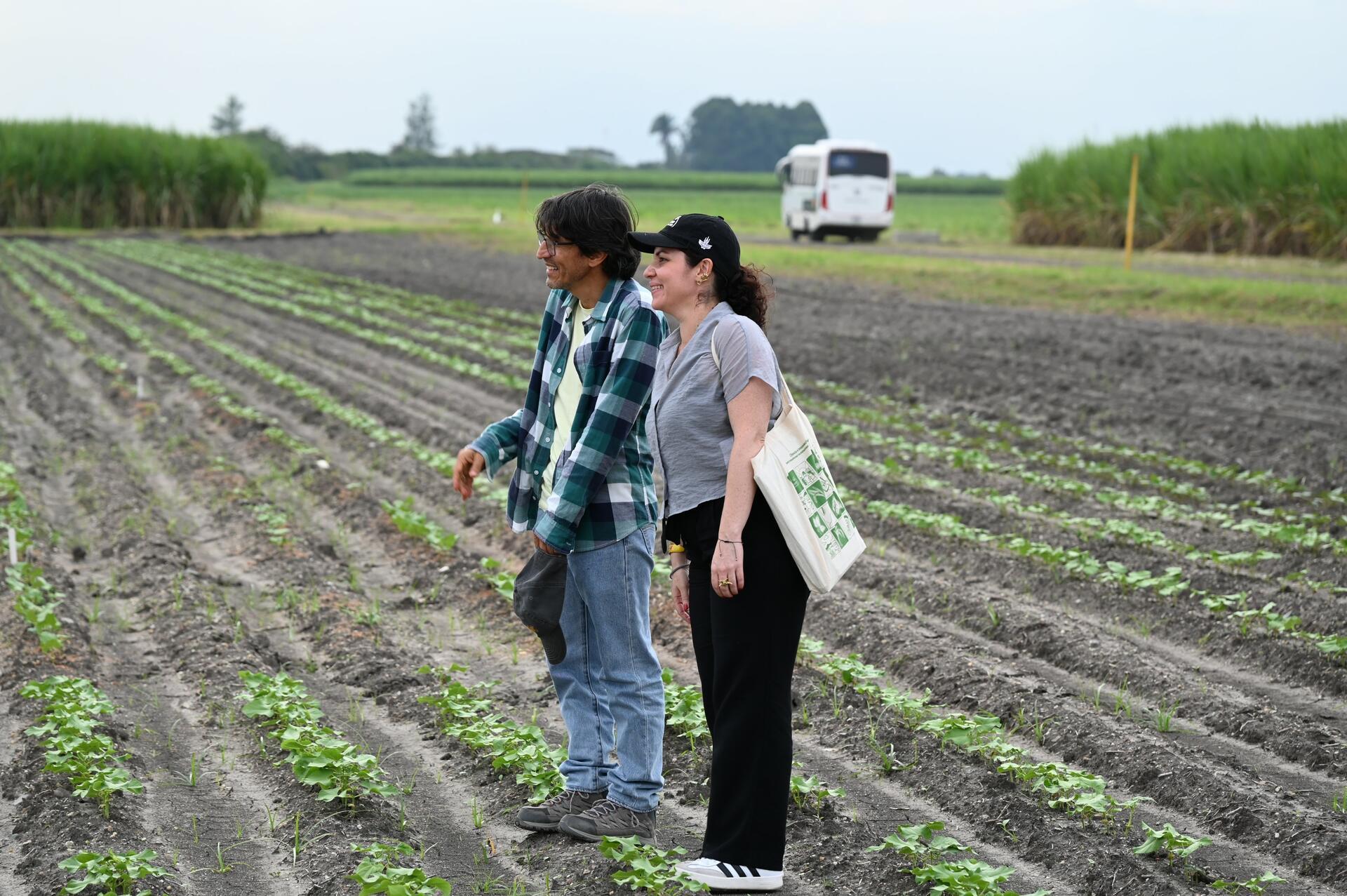
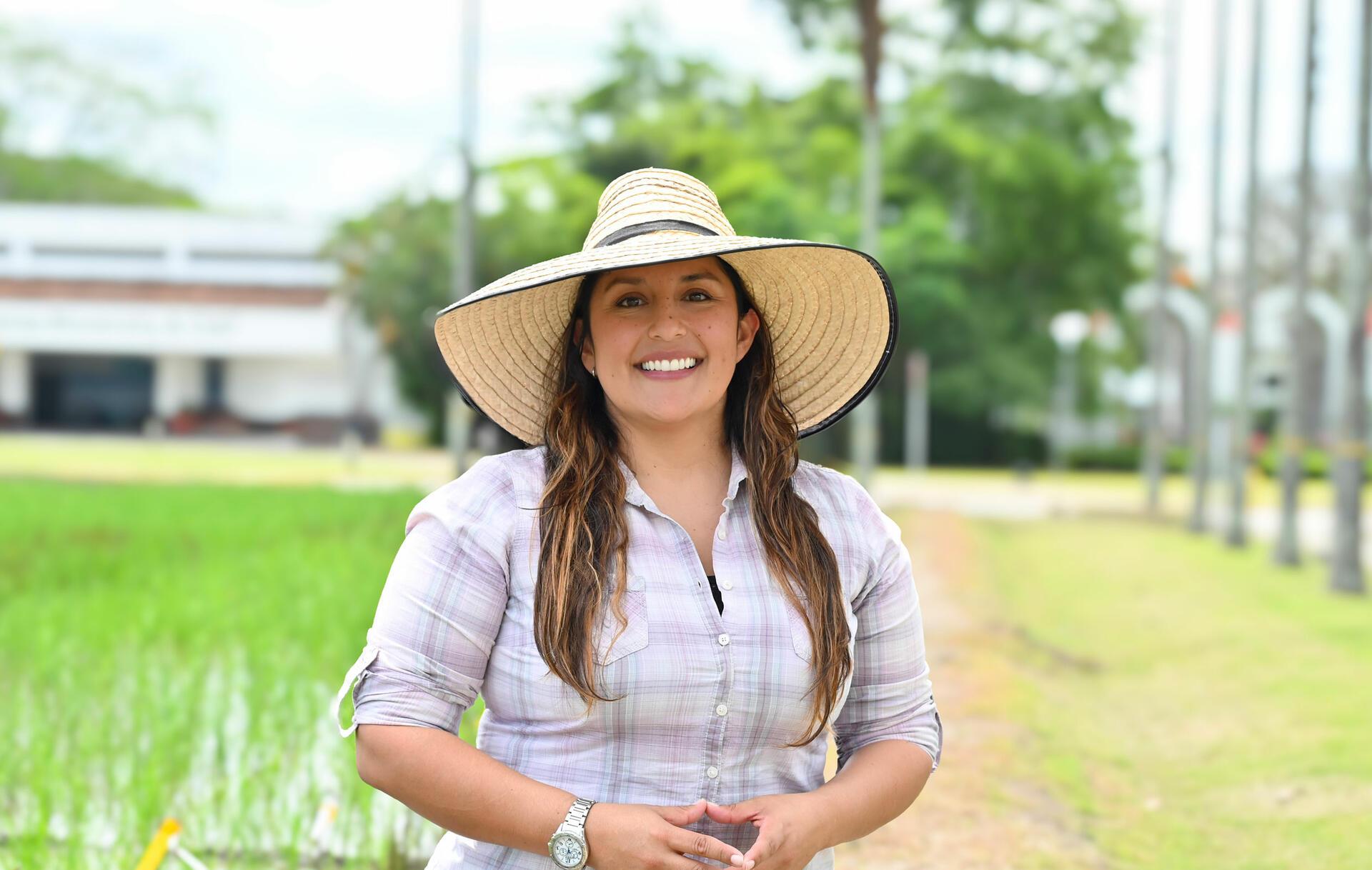
Paola Mosquera, breeder in the Alliance’s rice program, summarizes it clearly: "breeding is both art and science. It is art in interpreting how a plant behaves under real conditions; it is science in the genetic and statistical rigor that underpins every decision". She has also brought attention to a less visible dimension: the everyday experience of conducting field science as a woman. Working for hours under the sun, evaluating hundreds of plants, and maintaining technical rigor even under physically demanding conditions are part of the reality of agricultural research. This experience strengthens resilience, discipline, and meticulous attention to detail—qualities that can define the selection of a variety. This is not merely a symbolic narrative; it reflects the human dimension of applied science.
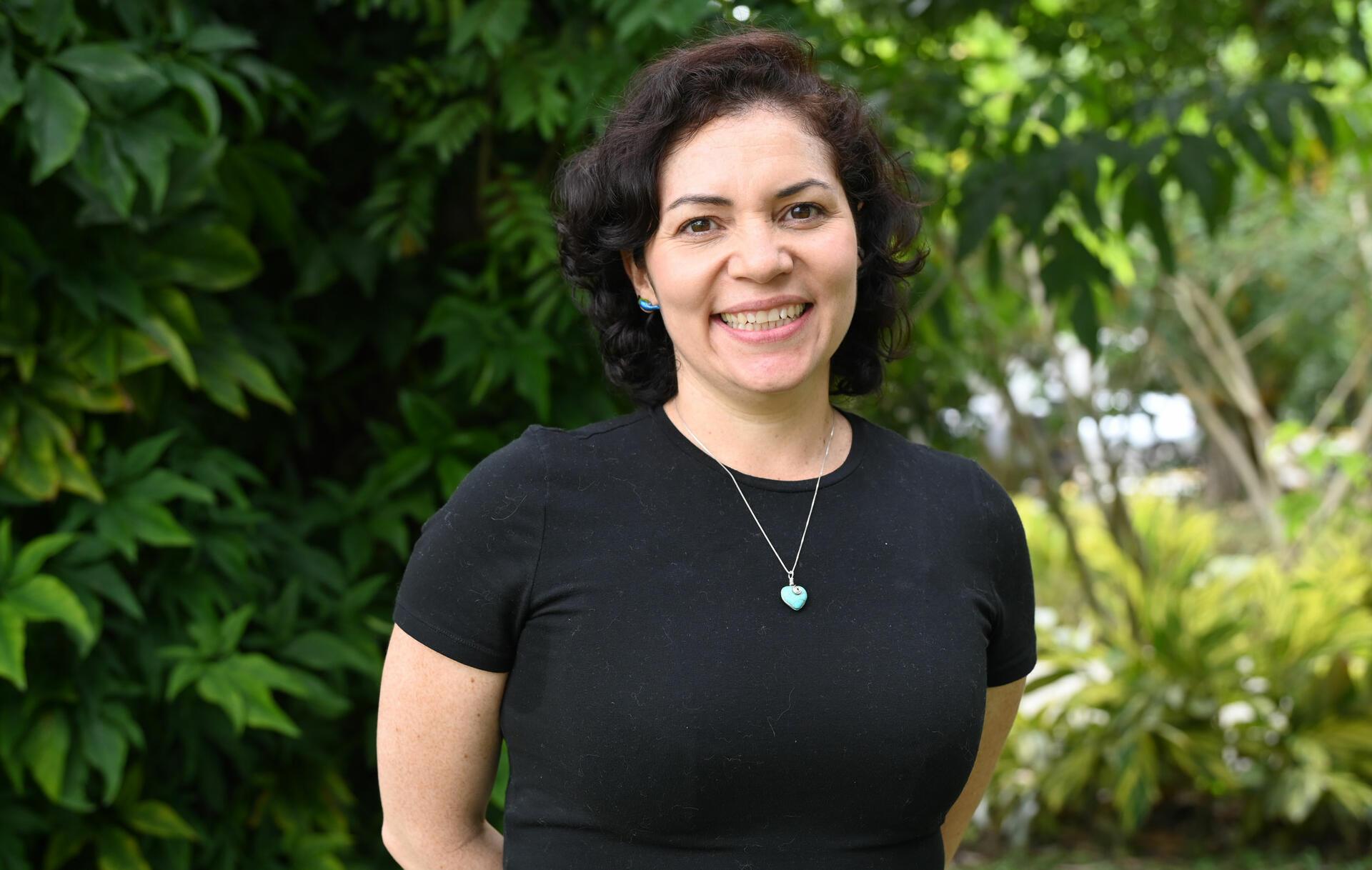
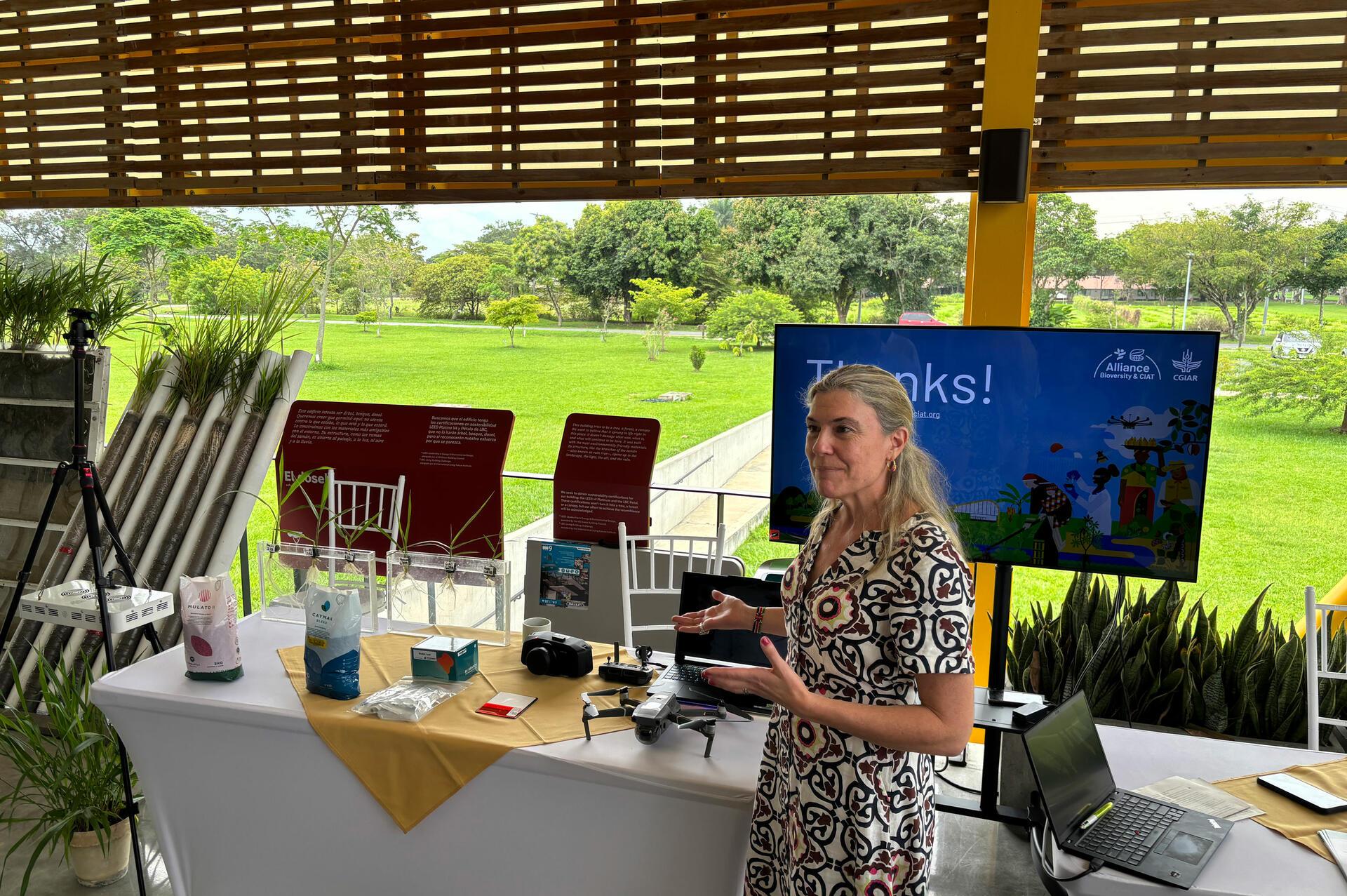
Innovation, however, does not depend solely on individual effort. María Fernanda Álvarez, Director of Crops for Nutrition and Health at the Alliance, emphasizes that advancing science requires a strong scientific base, coordination among teams, and a culture that encourages experimentation. Without scientific cohesion and continuous exchange across disciplines, slows down. Genetic improvement requires interdisciplinary dialogue and a shared strategic vision to transform knowledge into impact.
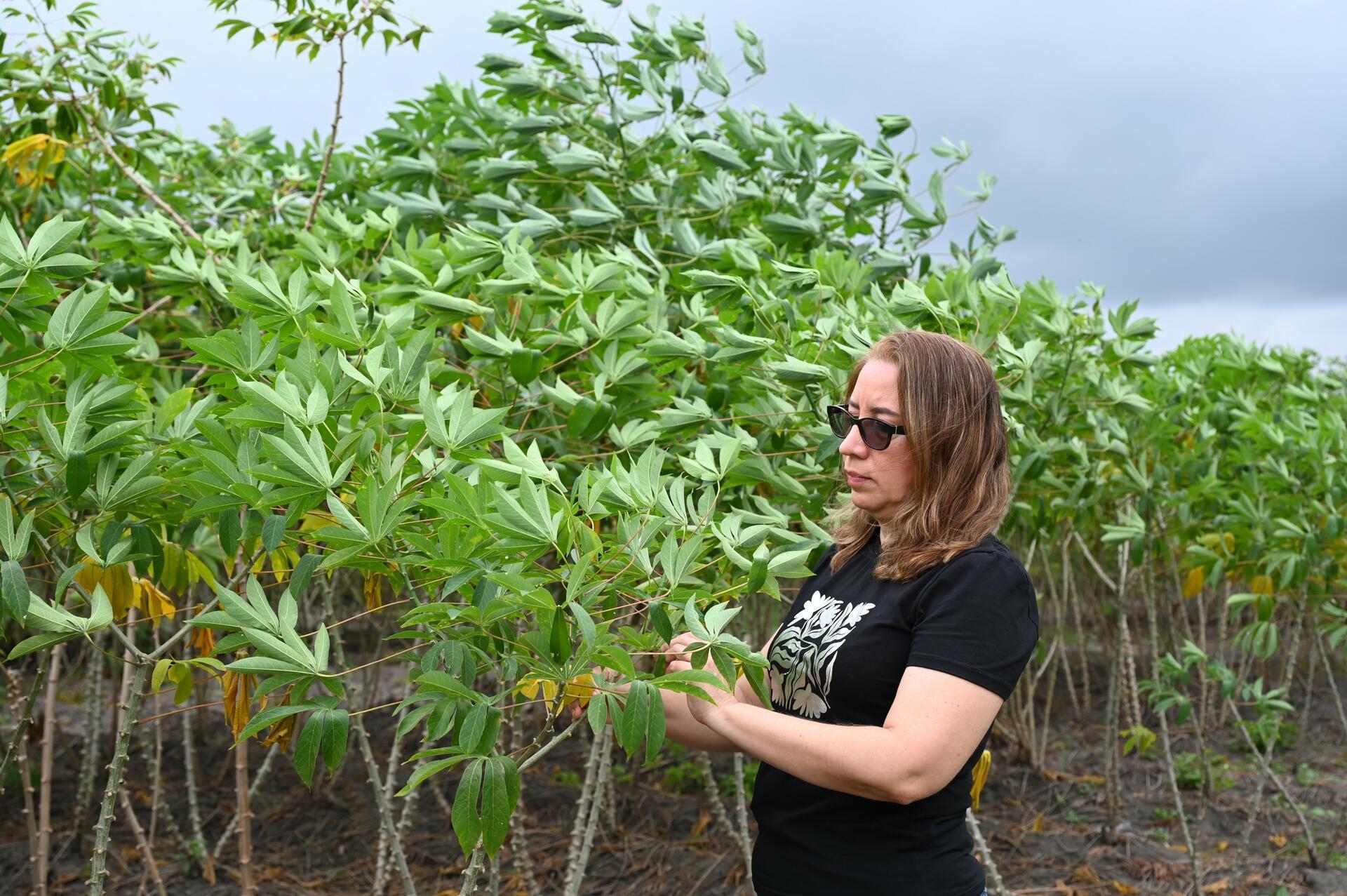
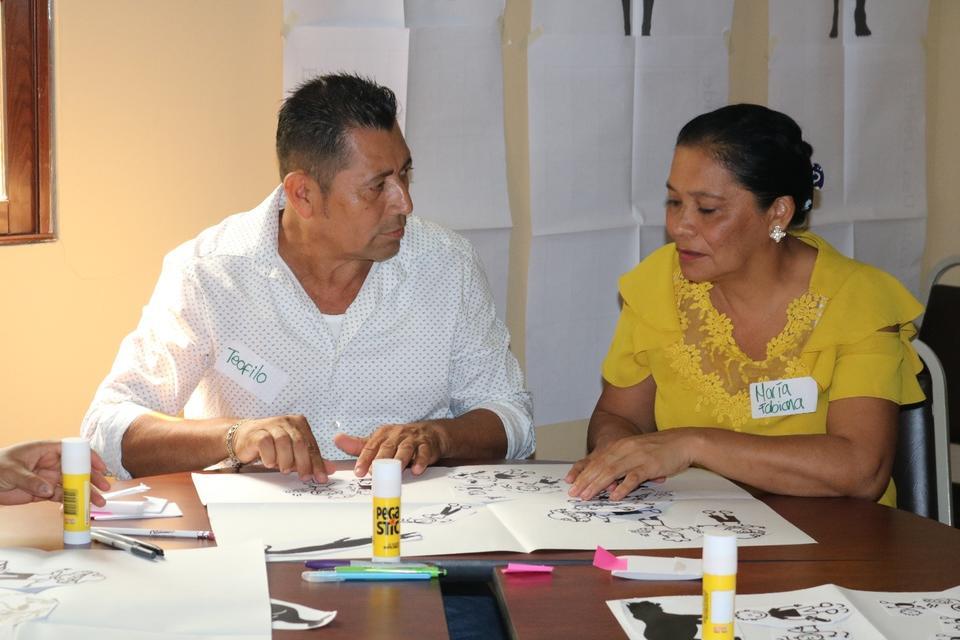
Within this framework, diversity in teams becomes a methodological asset. Sandra Salazar, member of the Alliance’s cassava breeding team, explains that diversity broadens the ways in which problems are identified and solutions are designed. Integrating different perspectives makes it possible to consider social, productive, and commercial variables that directly influence the adoption of new varieties.
Likewise, incorporating a gender perspective is not a symbolic gesture, but a technical decision. Jennifer Wilker notes that this perspective makes it possible to understand the value chain in its entirety—from the field to the kitchen and the market. This implies developing varieties that not only have high yields, but also respond to consumption preferences, distinct production roles, and barriers to access.
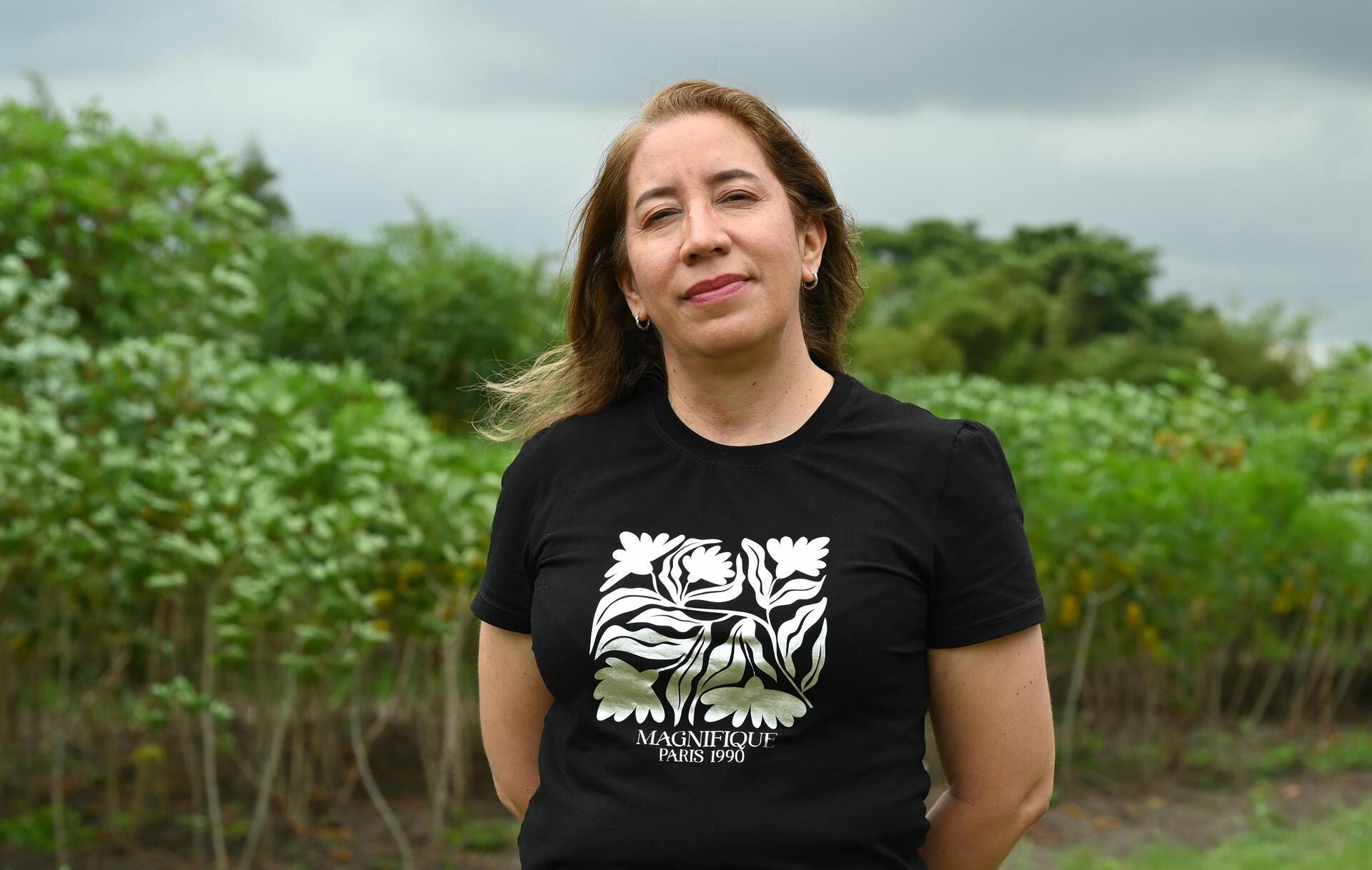
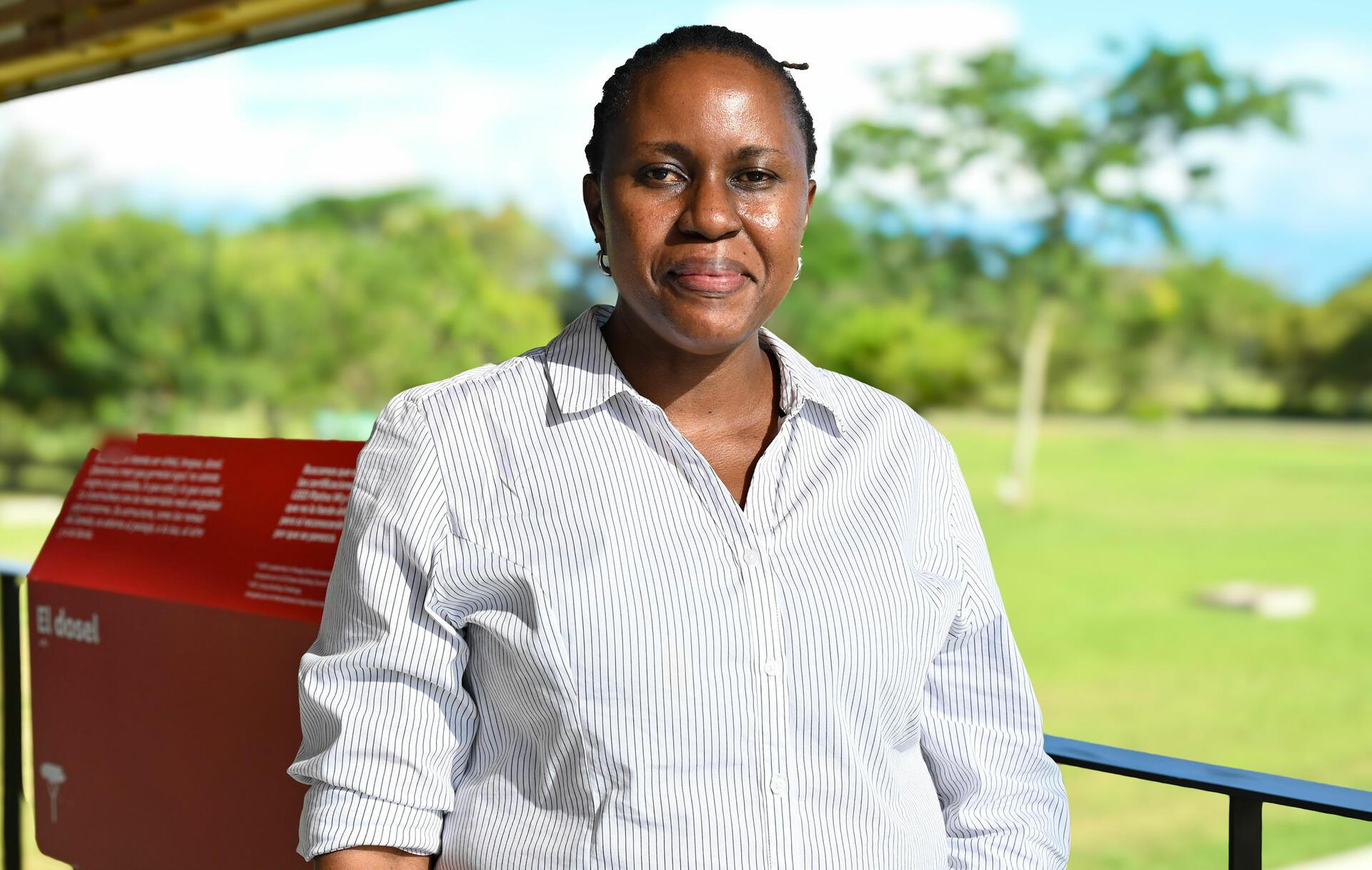
At the core of all this work lies an ethical dimension. Claire Mukankusi expresses it clearly: the goal is to ensure that no one is left behind. Every genetic decision has implications for food security, income, and opportunities for millions of people.
The genetic improvement carried out by the Alliance represents a structural investment in agricultural resilience. Each new variety represents years of research, data analysis, field evaluation, and collaborative work. But it also represents stability for producers, better nutrition for families, and reduced risks in uncertain climatic contexts. In a world where food security faces growing challenges, improved seeds are not only an agricultural innovation: they are a strategic infrastructure for global stability.