Blog Index insurance in Togo: When data turns risk into resilience


More than just a financial product, agricultural index insurance is proving to be a strategic lever for Togo’s food sovereignty. Climate analysis results, pilot trials (FarmCover, SUNU), and a co-design workshop held in Lomé on July 10–11, 2025, now offer tangible proof: when combined with digital services and international research, this solution facilitates access to credit, protects incomes, and catalyzes rural investment. This investigation, informed by materials from the Alliance of Bioversity International and CIAT, the Global Center on Adaptation (GCA), and Togolese partners, traces the ongoing momentum and its concrete impacts on agricultural system resilience.
Climate emergency under the microscope: Why insurance is becoming essential
Togo’s agro-climatic landscape is becoming increasingly complex: in the Plateaux region, average temperatures are rising by 0.23°C per decade, and in the Savanes region, the number of days above 35°C could near 20 by 2060—putting maize and soy in zones of severe heat stress. Rainfall patterns have also become more erratic, with some areas receiving under 300 mm during the second season, compromising double cropping. In this context, a drought like that of 2023 hit 40% of the agricultural GDP and 65% of the active workforce.
Index insurance flips the traditional logic: automatic payouts are triggered when rainfall or temperature crosses a predefined threshold (e.g., <200 mm). This simplicity reduces administrative costs for insurers and accelerates payments—a key advantage when financial crises strike mid-season.
For farmers, the benefits are twofold: first, the insurance policy becomes a passport to credit; second, it stabilizes cash flow and unlocks investment capacity—for improved seeds, organic fertilizers, or drip irrigation systems. For the state, it limits reliance on emergency aid and strengthens agricultural statistics through satellite-based databases.
“Supporting the development of index insurance means securing production and attracting capital to the most vulnerable areas,” stresses Dr. Mathieu Ouedraogo, Senior Scientist at the Alliance.
Yet only 15% of Togolese farmers currently have access to a parametric product. The challenge is no longer to prove the tool’s value but to overcome barriers of trust, language, and coordination that hinder its spread.
From promise to proof: What are the pilots and Lomé workshop telling us?
FarmCover, a Togolese insurtech launched by Lorica Assurance in 2022, covered 4,450 farmers in 2024—95% through loans bundled with insurance. A total of 1,968 claims resulted in payouts of 40 million FCFA, directly transferred via mobile money. Farmers report “stress-free” loan repayments, highlighting the value of indexed coverage.
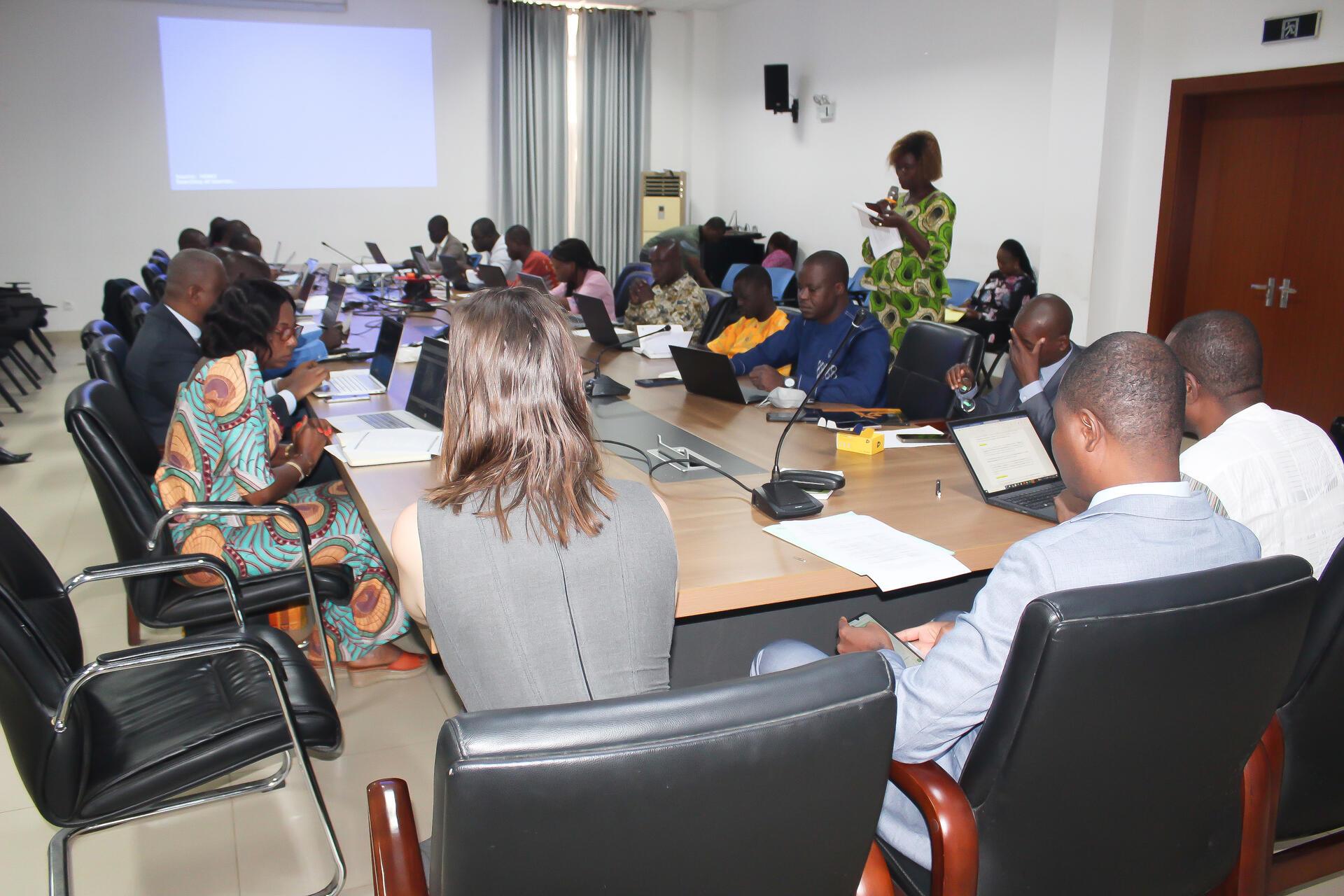
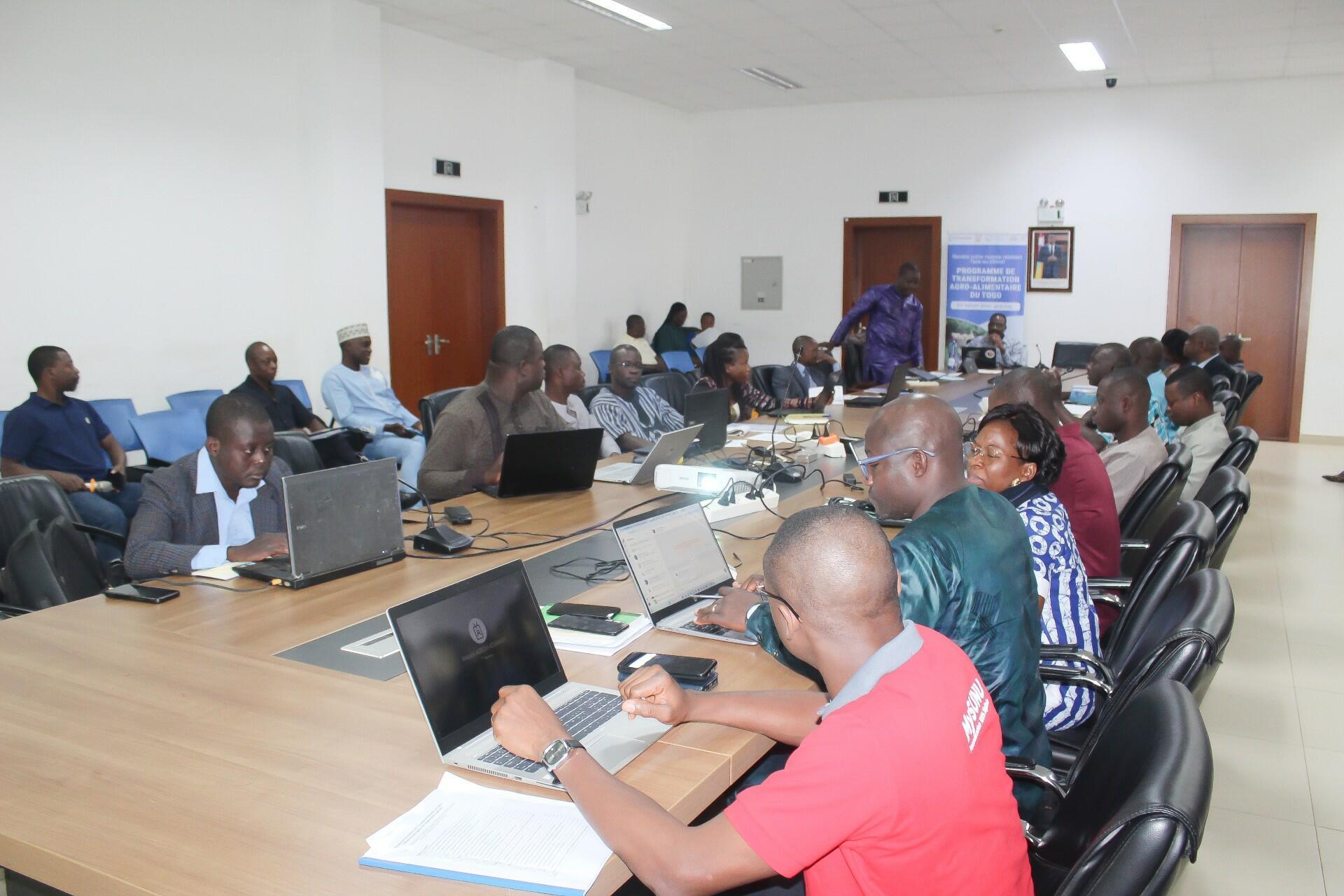
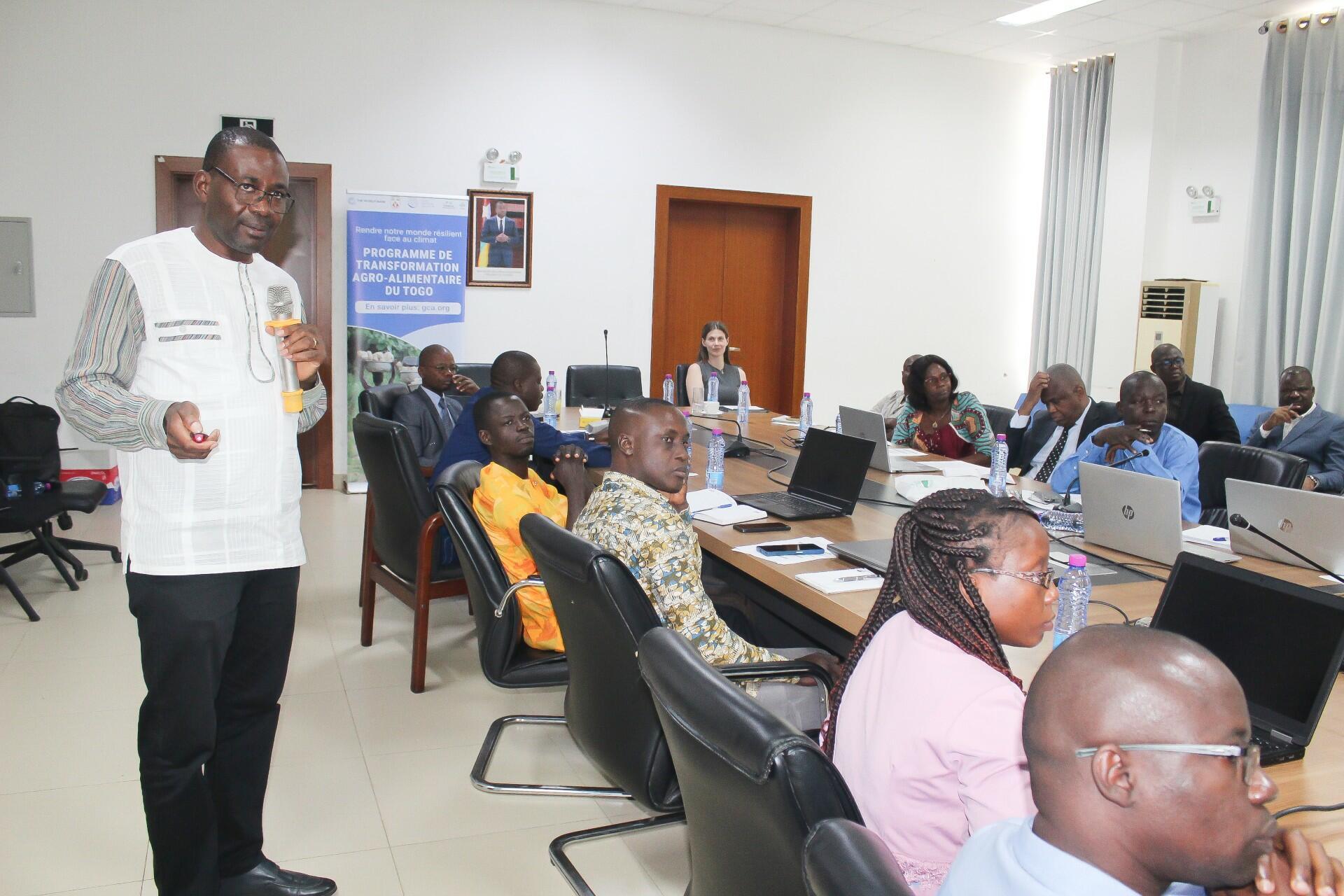
To translate these positive signs into national strategy, the World Bank, MAHVDR, GCA, and the Alliance hosted a participatory workshop in Lomé on July 10–11, 2025. The goal: test three manuals (for farmers, decision-makers, and extension agents) and build a shared roadmap. Using roleplay and field-based case studies, the workshop led to key adaptations: removing the term “frost” (not relevant locally), adding extreme winds and wildfires, and integrating audio-visual materials in Kabiè and Mina.
“We are working to make food systems more sustainable, efficient, and inclusive through co-developed science,” reminded Dr. Ouedraogo at the opening.
The workshop mandated a stakeholder mapping, the creation of a monthly feedback mechanism between insurers, ANAMET, and cooperatives, and the removal of a 6% tax on agricultural premiums to reduce costs.
All these actions align with a shared ambition: training 25,700 extension agents and reaching 50,000 households by the end of 2025. Policymakers also praised the product’s adaptability: indices can incorporate within-plot variability using satellite NDVI or be extended to cover emerging phytosanitary risks like fall armyworm or bruchid outbreaks. Innovation “labs” even allow farmers to simulate their own payout triggers—reinforcing transparency.
Trust, Technology, and Gender: Building an Inclusive Ecosystem
The main obstacle is trust: 80% of beneficiaries don’t always understand why a payout is (or isn’t) triggered. Low financial literacy is compounded by the fact that most documentation is in French, while cooperatives operate in Éwé, Kabiè, or Tem. The workshop report recommends five-minute videos, illustrated flipbooks, and interactive radio spots.
Gender is a central issue: only 0.2% of female farmers have access to modern irrigation, and less than 9% own land. Insurance could become a springboard for empowerment by bundling input+insurance packages with land titling or access to women’s revolving funds.
On the technology side, FarmCover’s platform uses MétéoSat data to track rainfall in real time, automatically calculate payouts, and credit mobile money accounts—eliminating disputes over field-based assessments. The Alliance is also developing a digital climate-smart agriculture (CSA) profile that aggregates plot data, climate history, and credit records.
“Our roadmap combines index insurance, climate information services, and climate-smart agricultural practices,” explains Dr. Ouedraogo.
As for governance, a monthly coordination cell is being established, bringing together the Ministry of Finance, ARCA, banks, and farmer organizations—a key condition to ensure index reliability, resolve claims, and align premiums with the goals of the Sustainable Agricultural Transformation Program (USD 300 million over 10 years).
Toward a national resilience policy: The catalytic role of the Alliance and GCA
Beyond its technical scope, index insurance fits within a broader climate resilience strategy led by the Togolese government and its partners. Through the African Adaptation Acceleration Program, the GCA aims to channel USD 10 billion into food security in 26 countries, including Togo. The GCA-CGIAR partnership speeds up adoption of innovations from the research network, bridging the gap between discovery science and implementation science.
Within this framework, the Alliance of Bioversity and CIAT adds scientific value: rapid risk analysis, value chain profiling, and SSP scenario modeling—tools that guide the design of customized insurance products for maize, soy, and rice.
“We are moving from risk maps to real investments,” says Dr. Ouedraogo.
In the short term, the roadmap approved in Lomé includes:
- Finalization of the manuals by August 2025;
- Training of 20 master trainers and 600 technicians;
- A pilot campaign in the Planned Agricultural Development Zones (ZAAP) starting in the 2026 season.
In the medium term, the goal is to reach 100,000 insured households by 2026 and expand the model to neighboring countries. The ultimate aim: triggering a virtuous circle in which insurance attracts private investment, boosts productivity, and reduces the state’s fiscal exposure to climate shocks.
In short, index insurance is no longer a marginal experiment—it’s becoming a cornerstone of Togo’s climate strategy. As Dr. Mathieu Ouedraogo puts it:
“When a farmer realizes that their phone can replace a claims expert and secure their credit, that’s when real scale becomes possible.” That one sentence may well mark the turning point—from promise to proof.