Impact story How Nigeria is building an early warning system for agriculture
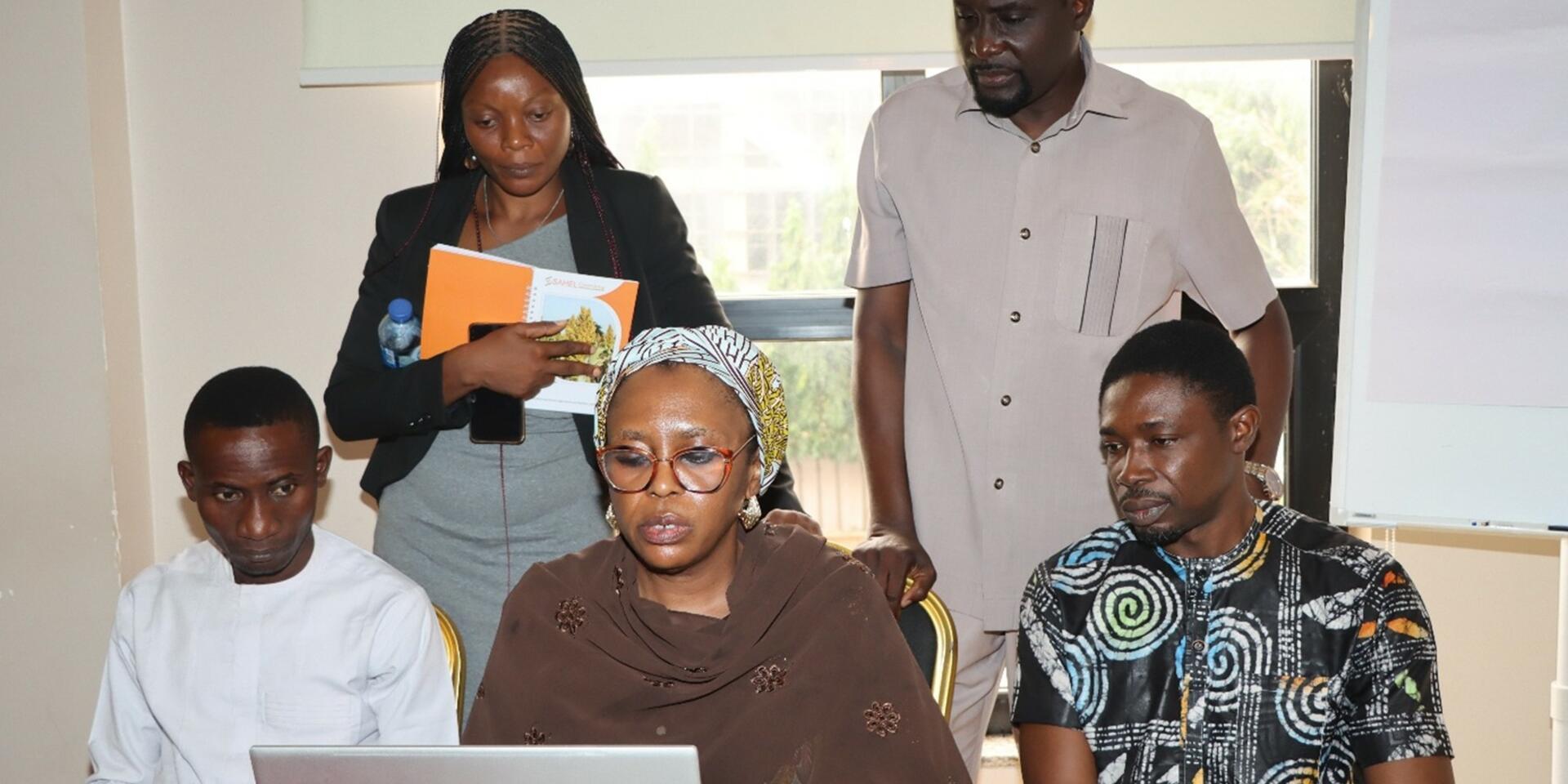

As climate uncertainty grows, so does the pressure on Nigeria’s farmers to make the right decisions at the right time. Nigeria is addressing this challenge through a public–private partnership approach that enhances the accuracy, accessibility, and timeliness of weather and climate information and an early warning system (EWS) for farmers.
Strengthening farmers’ resilience to climate risks through Nigeria’s Early Warning System
In Nigeria, agriculture sustains the livelihoods of most rural families. Yet, as climate change intensifies, uncertainty has become the new normal for farmers. The timing of rains, the length of the growing season, and the risks of droughts or floods now influence every agricultural decision, from when to plant to what crops to grow and how to manage resources.
While valuable data and insights exist to guide these decisions, they often remain locked within institutions or are shared too late to be useful. This gap between information producers and users has long limited the ability of farmers to act on time.
Bridging this gap requires more than data. It demands collaboration. That is why the Building Agricultural Systems Resilience in Nigeria project adopted a Public–Private Partnership (PPP) approach as its core. The aim is not simply to strengthen early warning systems, but to reinvent how weather and climate information is generated, translated, and delivered while ensuring that it becomes part of farmers’ everyday decision-making.
Supported by the Bill & Melinda Gates Foundation and implemented by a consortium of national and international partners, including the Alliance of Bioversity International and CIAT, Sahel Consulting, and several Nigerian agencies, the EWS project works to enhance the operational capacity of early warning actors and strengthen Nigeria’s agricultural resilience to climate shocks.
The project is ambitious in scope. It seeks to improve the analytical capacity of climate stakeholders, expand the ability to generate locally tailored climate analytics, align national early action systems for greater impact, and strengthen governance through improved inter-agency coordination.
As David Ogidan, project analyst, explains:
“The demand for relevant weather and climate information is urgent. This project is delivering that by strengthening early warning systems so that farmers can access timely, accurate information. With the right knowledge, they can decide when to plant, when to harvest, and what crops to choose. That directly improves livelihoods and builds resilience in Nigeria’s agriculture.”
A stepwise process: From mapping to action
Building an effective early warning system in Nigeria was not a one-off intervention but a carefully designed and inclusive process. Over the past year, each activity was part of a broader roadmap, from understanding the landscape of weather and climate information services (WCIS) to co-creating solutions for their delivery.
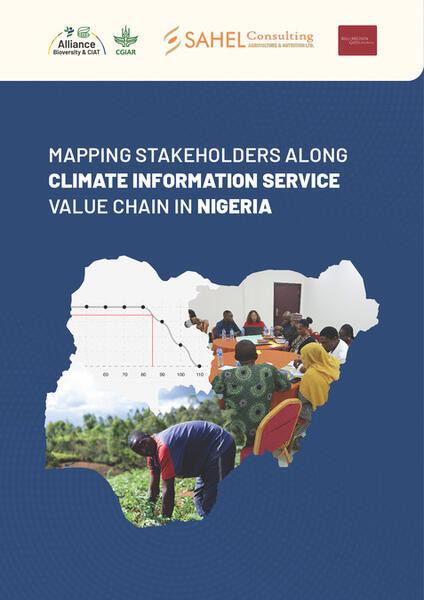
It began with a simple but important question: Which actors are involved in the weather and climate information value chain in Nigeria?
The first national workshop gathered 36 participants, 42% of whom were women, from key government agencies, research institutions, farmers’ organizations, and private sector partners. These included the Nigerian Meteorological Agency (NiMet), the Nigeria Hydrological Services Agency (NIHSA), the Nigeria Space and Research Development Agency (NASRDA), and the Federal Ministry of Agriculture and Food Security.
Together, participants mapped the WCIS value chain in Nigeria’s agriculture and food systems, identifying the key actors who produce, translate, and disseminate information and areas that need to be improved.
“The first step was to map and identify all key actors working in the weather and climate information services value chain. We then analyzed existing dissemination mechanisms and realized that to accelerate impact, we need to move beyond human-led systems and harness digital tools” explained Dr. Alcade Segnon, scientist at the Alliance of Bioversity International and CIAT.
The next workshop examined how weather and climate information flows: what works, who benefits, and who is being left behind. Participants emphasized the need to shift from fragmented, ad-hoc processes toward more connected, data-driven, and user-responsive information systems.
Through a series of stakeholder engagements and validation sessions, they reviewed WCIS value chain it reflects real-world experiences. This participatory process enabled stakeholders to not only produce a comprehensive picture of Nigeria’s WCIS ecosystem but also build consensus around next steps.
Innovation through partnership: A new PPP model
In July 2025, the project progressed through the establishment of a Public–Private Partnership (PPP) model: the cornerstone of Nigeria’s new early warning system.
Traditionally, the dissemination of WCIS has relied on government-led systems, which often struggle with limited resources, coverage, and timeliness. The PPP framework brings together government agencies, private companies, and farmer organizations to ensure WCIS are accessible, accurate, and timely delivered.
A technical workshop in Abuja marked a turning point. Stakeholders validated the proposed PPP model for disseminating WCIS to smallholders, clarified the roles and responsibilities of each actor, and developed mechanisms to ensure accountability and sustainability.
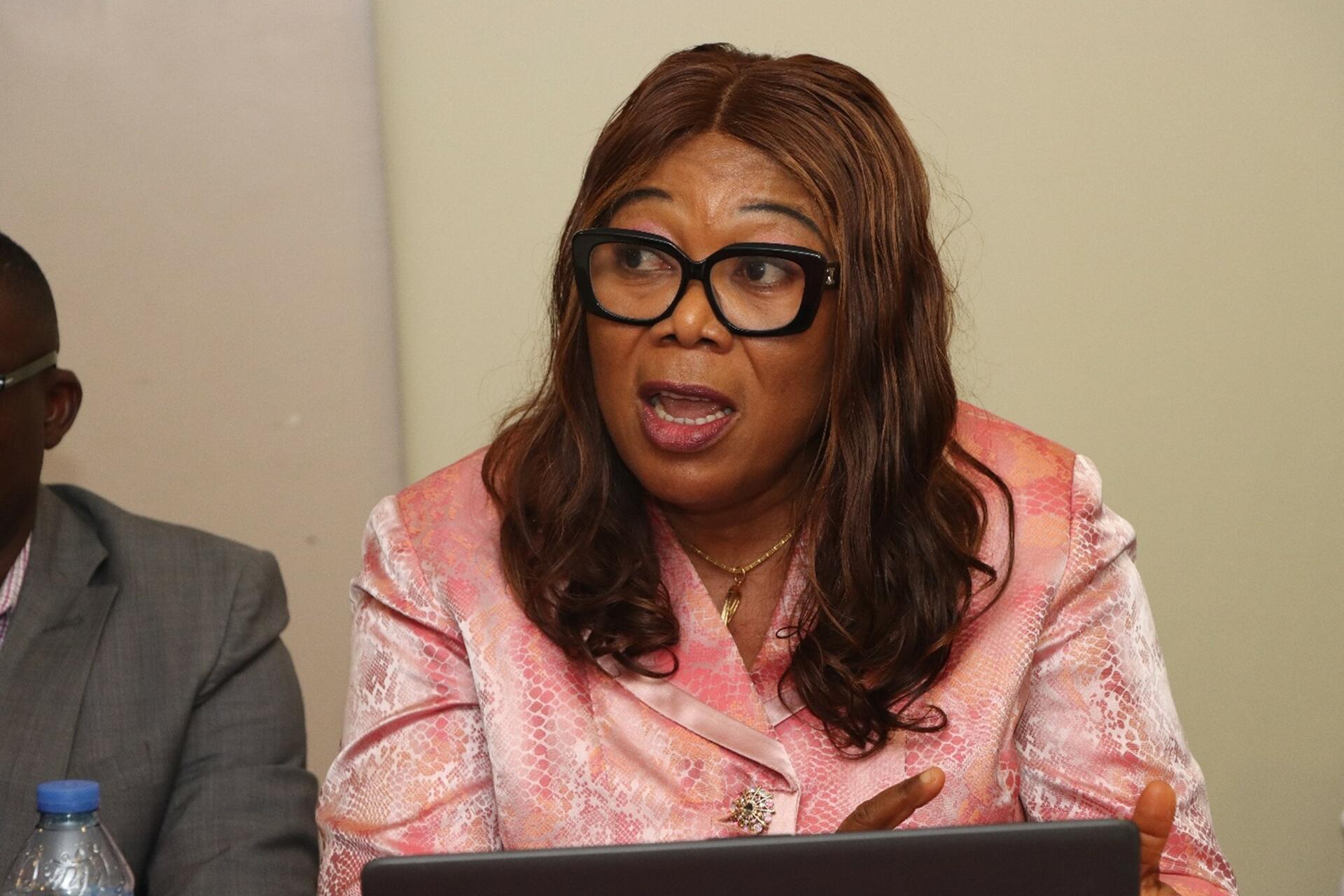
Perpetua Iyere-Usiahor, Federal Ministry of Agriculture and Food Security, Nigeria
As Dr. Robert Zougmoré, Principal Scientist at the Alliance of Bioversity International and CIAT, emphasized:
“True partnership starts with us joining forces with national partners and the private sector. Shared responsibility and shared ownership move us from simply producing knowledge to transforming how farmers make decisions and sustain their livelihoods.”
“As climate service providers, our responsibility is to generate weather and climate information. But we recognized a gap: translation, transfer, and dissemination were weak. Through this project, private institutions are engaged to strengthen these stages, ensuring that weather and climate information truly reaches end users.”
From the Federal Ministry of Agriculture and Food Security, Perpetua Iyere-Usiahor added:
“With NiMet generating data, our Ministry ensures it is translated so that by the time it reaches farmers, they know not just when to plant, but also what variety to plant, and how to time their activities effectively.”
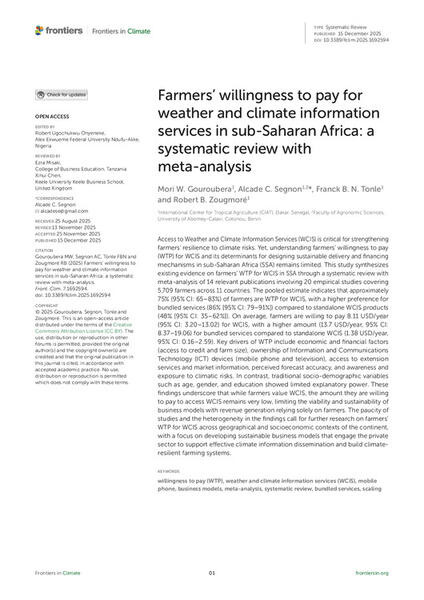
It is noteworthy that this framework is grounded in evidence. Reviews of similar initiatives in Ghana, Mali and Senegal have shown encouraging results. Farmers are generally willing to pay modest fees for reliable weather and climate information services, especially when it comes bundled with additional services such as agronomic advice or market access. Moreover, studies show that 75% of farmers are willing to pay approximately $8.11 per year for WCIS, and 86% are willing to pay $13.70 when the service is bundled with additional services. These findings confirm that a well-designed PPP model can combine efficiency with inclusivity. This ensures that services remain both sustainable and farmer focused.
Learning from regional best practices
To strengthen Nigeria’s model and draw from regional success stories, a delegation of Nigerian stakeholders embarked on a study visit to Senegal and Ghana: two countries at the forefront of weather and climate service delivery through PPPs.
In Senegal, participants observed how telecommunications companies partner with public agencies to deliver weather and agricultural advisories directly to farmers’ mobile phones. The Jokalante platform, for example, integrates feedback mechanisms, interactive voice response (IVR) systems, SMS, social media, and data collection tools, ensuring real-time, two-way communication with farmers.
In Ghana, organizations like ESOKO showcased how digital innovation connects rural communities to timely, localized weather and climate information. By combining digital delivery with training and partnerships, ESOKO demonstrated how weather and climate services can reach the “last mile” efficiently.
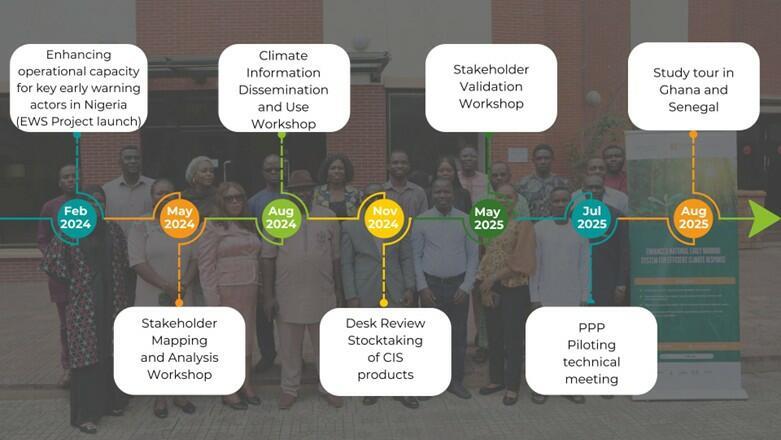
EWS project timeline
For the Nigerian delegation, the visit was eye-opening. It showed that effective weather and climate information systems depend not only on data accuracy but also on the strength of partnerships and communication channels.
Desmond Oryilo, from the Nigerian Meteorological Agency, reflected:
“What I found most valuable is how the PPP model ensures that climate information reaches even the most remote farmers in Senegal and Ghana. The collaboration between government extension officers and private telecom providers demonstrates that information can be delivered faster and more reliably.”
Similarly, Olusegun Jimoh, Climate Data Expert at NiMet, highlighted:
“The institutions we visited demonstrated that when private companies are involved, they bring efficiency and innovation to the system. Disseminating climate services is not just the role of the public sector, but a shared responsibility that makes the whole system more sustainable.”
These lessons are now being adapted to Nigeria’s context, guiding the development of a PPP framework that builds on the country’s institutional strengths while addressing its unique challenges.
From data to decisions: Farmers at the center
At the heart of the EWS project lies a simple principle: data must serve people. The true measure of success is not the number of datasets produced or the sophistication of analytical tools, but whether farmers can access information they trust and act upon.
For the Alliance of Bioversity International and CIAT, this project illustrates how climate science can move from theory to practice, from institutions to farms, and ultimately from data to decision-making.
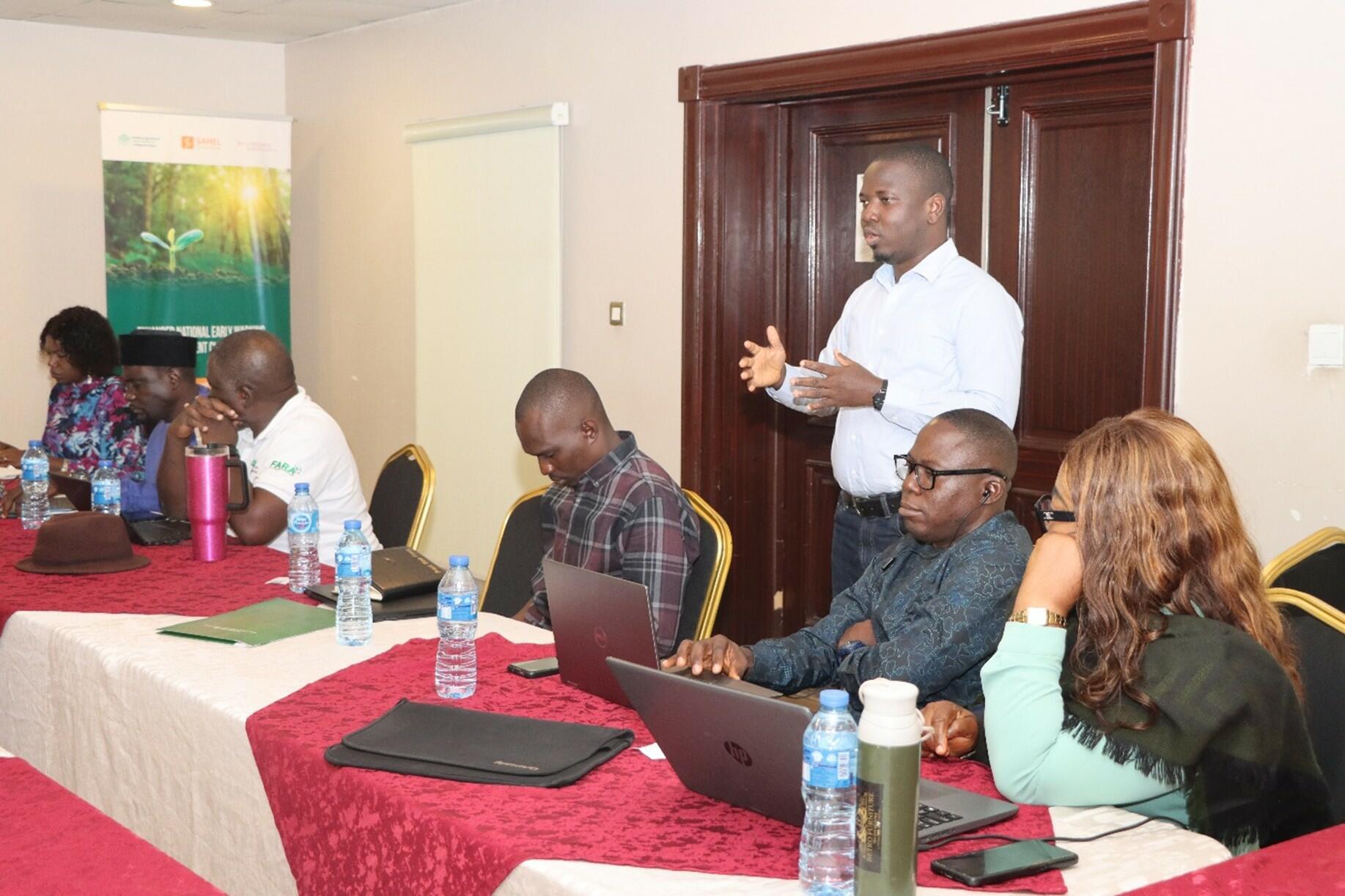
Alcade Segnon presenting during an EWS workshop
As Dr. Alcade Segnon noted:
“We expect to reach far more farmers compared to traditional dissemination methods. The pilot will generate lessons not only for next season’s activities but also for the next phase of the project. The goal is to ensure timely, digital, farmer-friendly services that transform decision-making in rural communities.”
Looking ahead, the EWS project will continue to strengthen Nigeria’s early warning system. The next phase will focus on opportunities to scale up digital solutions and develop location-specific, user-driven tools that respond to the needs of farmers across Nigeria’s diverse agroecological zones. These efforts aim to ensure that early warning information does not stop at the institutional level but flows directly to those who need it most: farmers, extension agents, and agribusiness actors.
Ultimately, the EWS project represents a new generation of climate action. One that bridges science, policy, and practice.