Blog The hidden cost of poor agent management
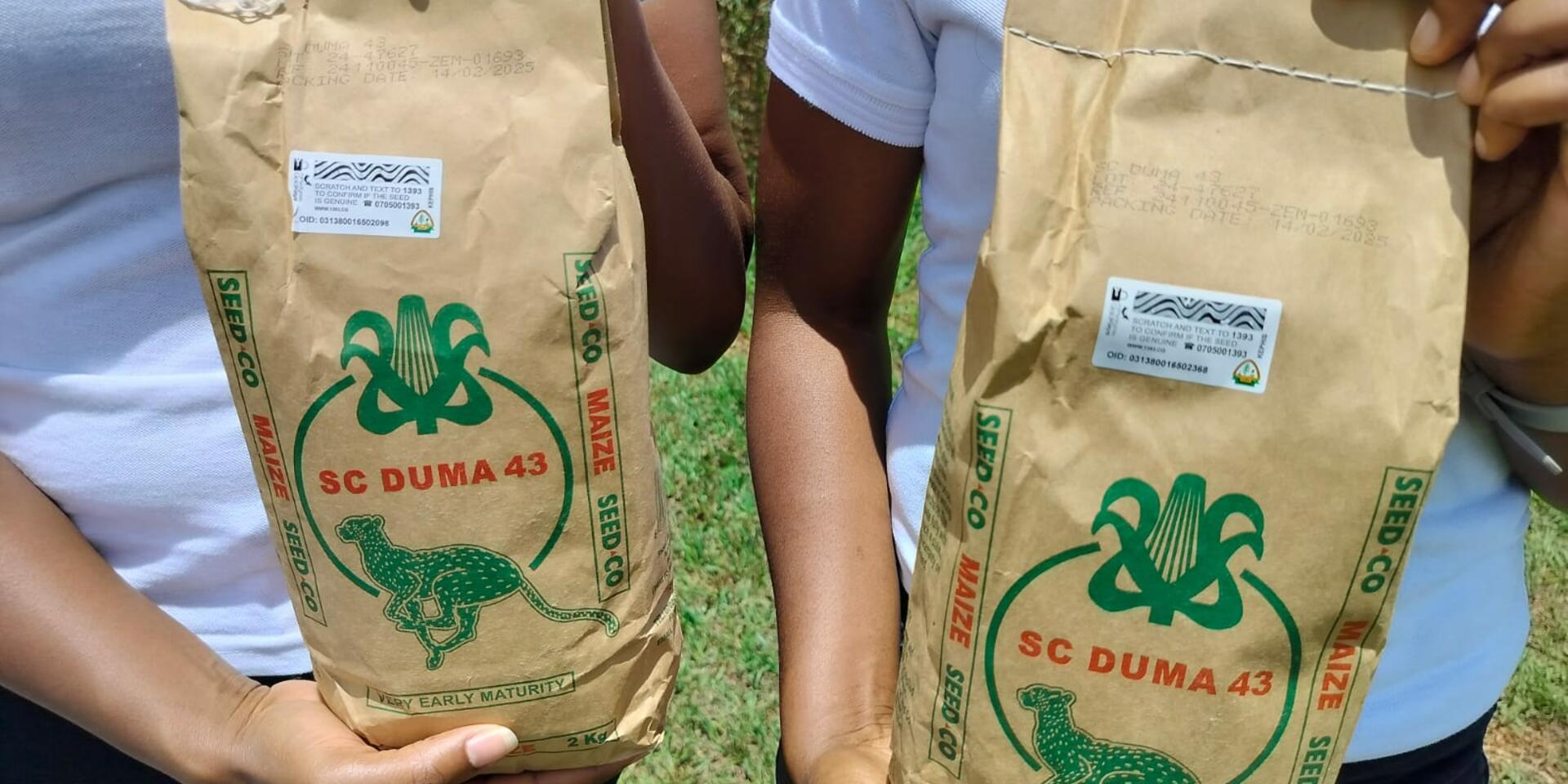

Across EMBE engagements in Africa, agribusinesses are discovering that poor agent management carries hidden costs. This insight explores how weak systems affect performance, increase costs, and limit last-mile delivery outcomes.
If agent networks are central to last-mile delivery, then how they are managed ultimately determines their effectiveness.
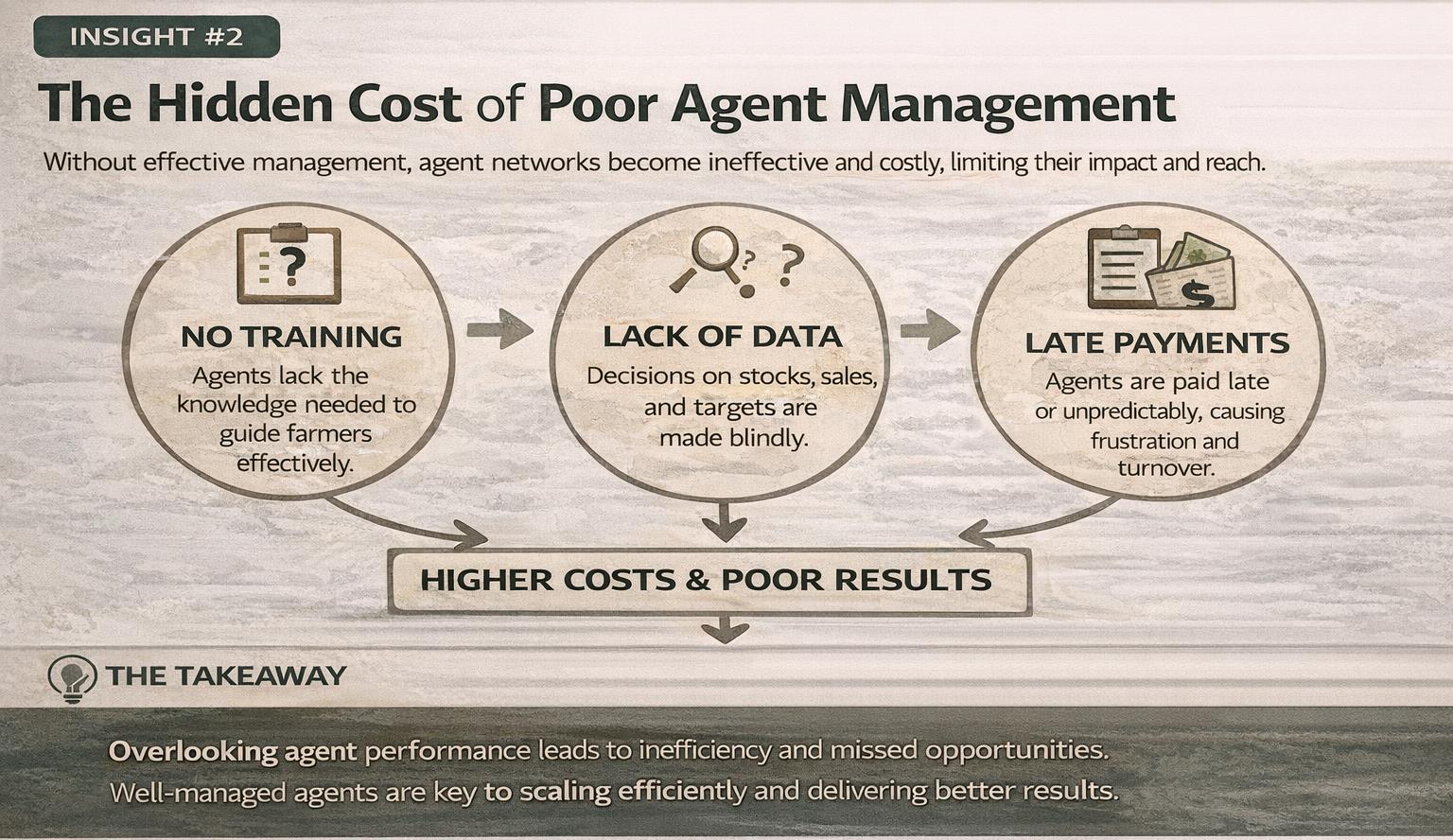
Across EMBE engagements, many agribusinesses have established agent networks but struggle to make them perform consistently. Agents often operate within systems where incentives are unclear, accountability is weak, and performance tracking is limited.
Without effective management, agent networks can become costly and inefficient. Businesses face recurring recruitment and training expenses, unreliable market information, poor demand forecasting and high agent turnover. These challenges increase operational burdens while reducing the overall impact of last-mile delivery efforts.
The hidden cost is not only financial. Weak management systems can limit farmer engagement, reduce trust, and constrain the ability of agribusinesses to scale effectively.
As agribusinesses grow, managing agent performance becomes just as important as expanding the network itself. Strong agent management systems create consistency, improve accountability, and enable better results across the entire last-mile delivery chain.
Key takeaway
Effective agent networks require more than recruitment. Clear management structures, performance visibility, and ongoing support are essential for delivering sustainable results.
This is why EMBE is developing the Agent Network Optimization Playbook to provide practical guidance on agent selection, training, performance management, and retention.
Next in the EMBE learning series
Trust Is Infrastructure in Last-Mile Delivery and how trusted relationships influence farmer decisions, strengthen adoption, and improve last-mile outcomes.
The team

Nathanial Peterson
Senior Scientist
Millicent Omala
Climate Finance Policy Expert