Blog Growing knowledge, growing impact: How Alliance mentorship shapes emerging researchers
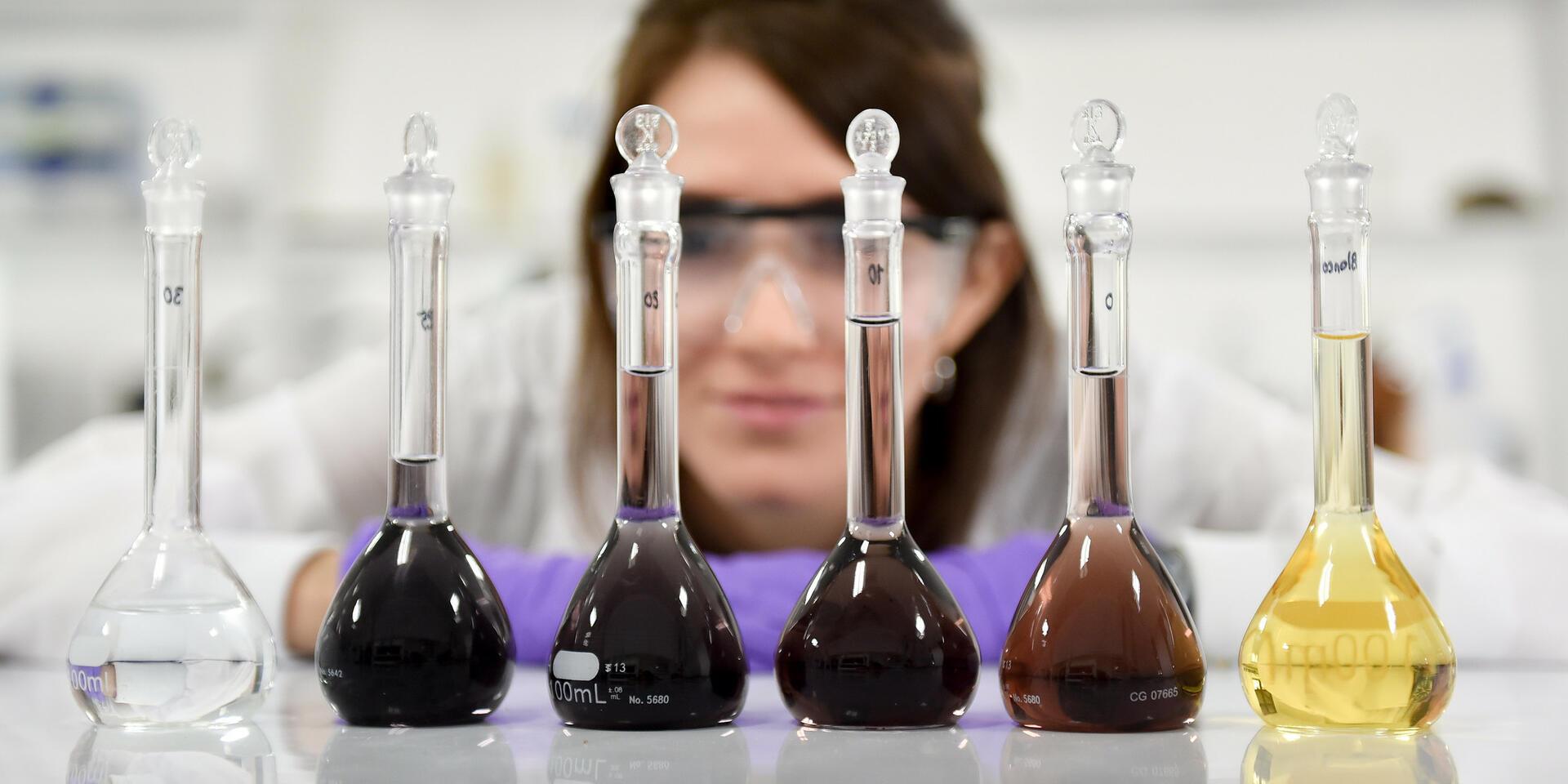

Through hands-on research, mentorship, and collaboration, the PISA unit is helping emerging scientists turn ideas into evidence and evidence into impact for sustainable food systems.
At the Alliance of Bioversity International and CIAT, the path from data to impact is also a path of learning. Within the Performance, Innovation and Strategic Analysis (PISA) unit, early-career researchers develop real-world expertise in agricultural economics, digital innovation, and climate-smart research, guided by experienced mentors and immersed in projects that make a difference.
This work has been strengthened through the collaboration between PISA, led by Elisabetta Gotor, and the Crops for Nutrition and Health Unit, led by María Fernanda Álvarez, within the strategic partnership between the Alliance and Universidad del Valle. Together, the teams have supported emerging researchers whose studies contribute to the Alliance’s priorities, from climate-resilient agriculture to inclusive digital solutions and evidence-based scaling of innovations.
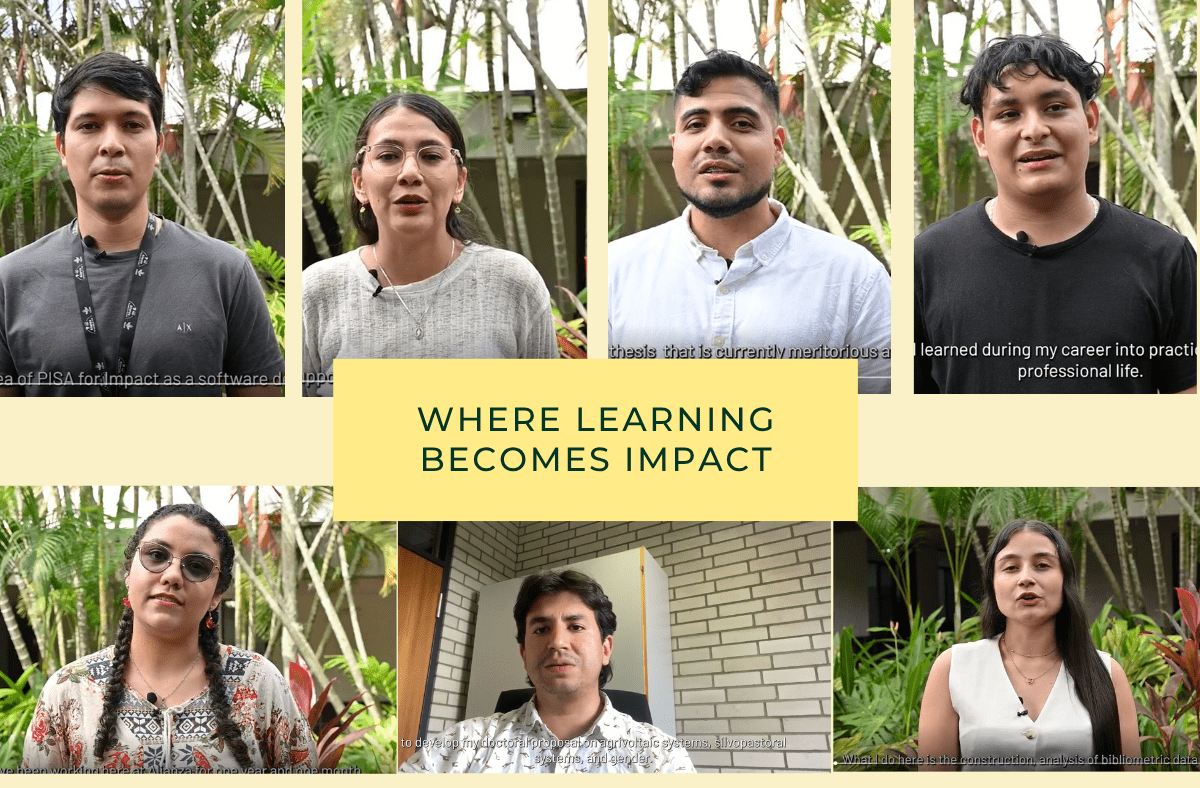
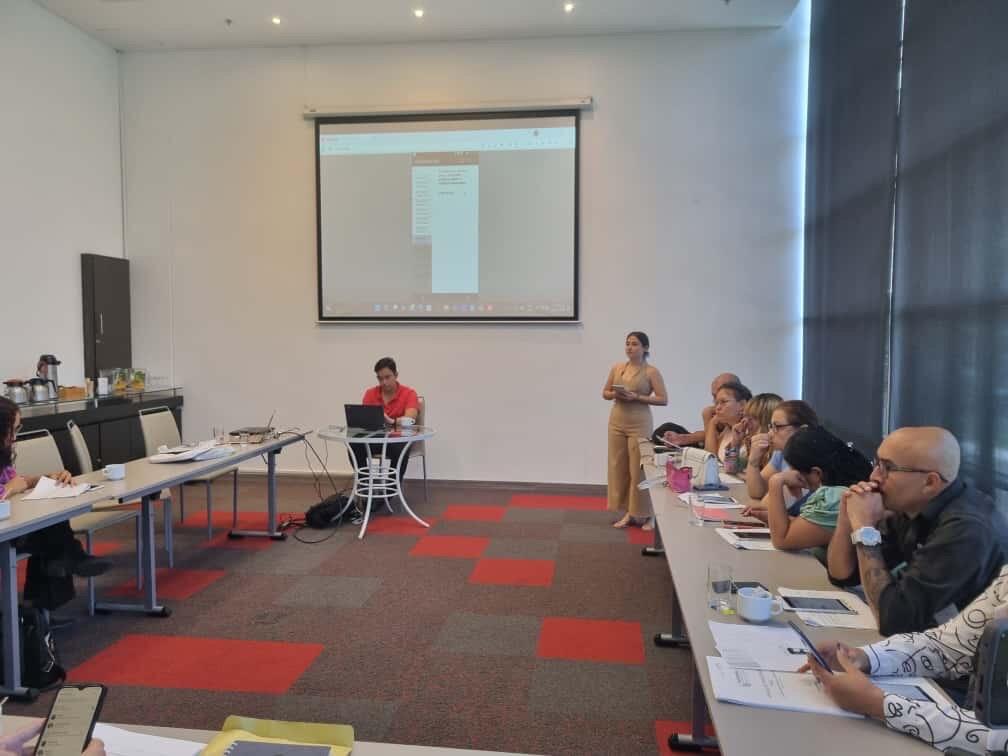
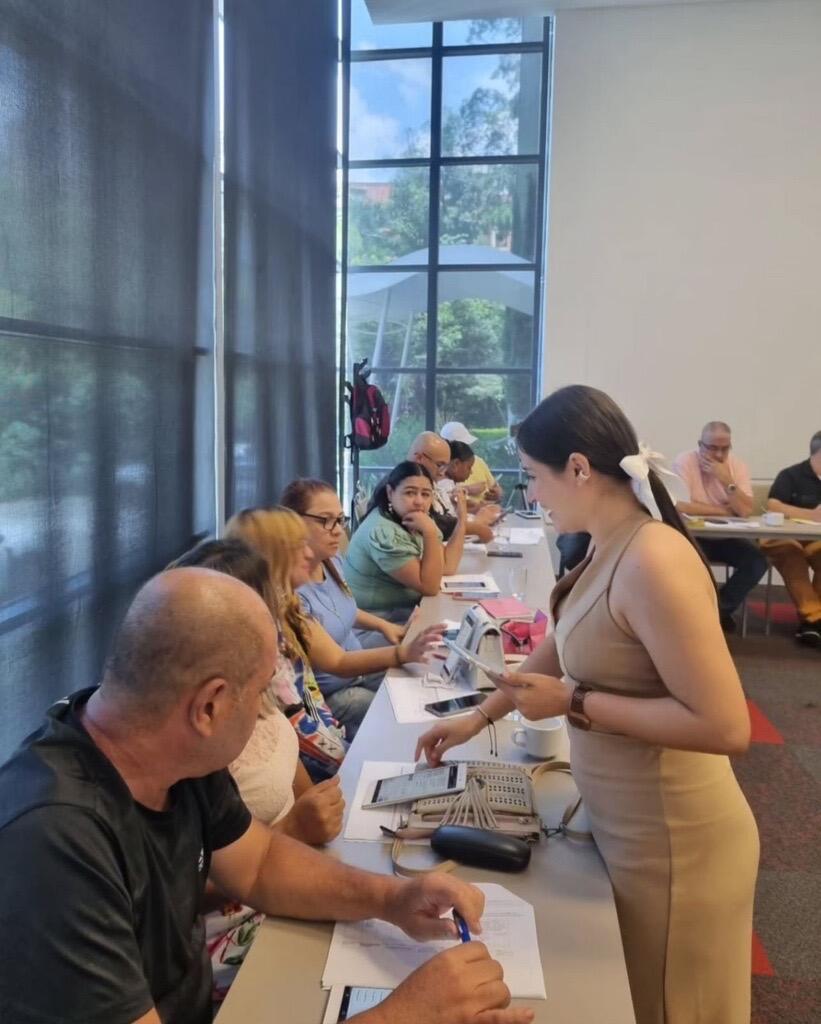
The experience begins with learning by doing. Young researchers immerse themselves in data management, impact evaluation, and digital innovation, working with real survey datasets, monitoring tools, and modeling techniques.
As Catalina Ramos shared,
“Clean data means reliable evidence and reliable evidence means better decisions.”
Her research shows that joint household decision-making in Colombian rice-farming families increases adoption of certified varieties by roughly 16 percentage points. Her findings help shape more equitable agricultural advisory services and strengthen approaches that place farmers, men and women, at the center.
Beyond data, students also explore new analytic tools and methodologies.
Clara Isela Cardona noted,
“I learned not only technical skills, but also teamwork and communication, skills that help us connect research to real-world change.”
Clara’s study demonstrated that municipalities participating in technical workshops for rice farmers significantly increased productivity, offering proof that farmer training can scale sustainable agricultural practices.
Many mentees bridge research and innovation in digital agriculture. Ricardo Pedreros strengthened agricultural data platforms like crop observatories and monitoring dashboards, enabling better decisions on climate-resilient practices. Meanwhile, José Luis Hincapié developed an AI-based information retrieval system, demonstrating how artificial intelligence and vector-based search can democratize access to agricultural knowledge.
“It’s rewarding to see technology making scientific information more accessible” he said.
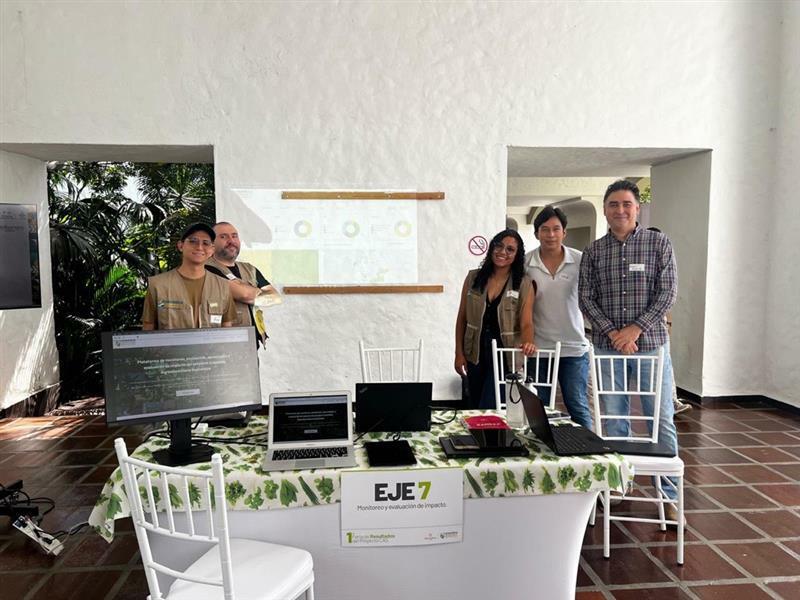
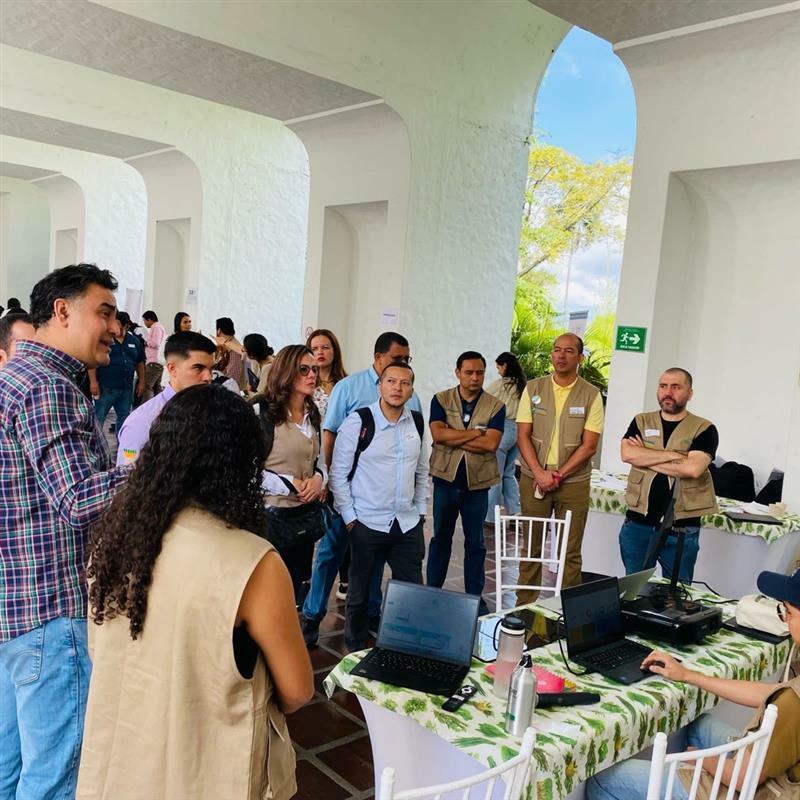
Other researchers focused on advancing evidence for climate resilience. Silvia D’Croz found that the adoption of agroclimatic forecasts by rice producers in Colombia has positive and significant effects on productivity, strengthening the case for climate-informed agriculture.
“Before joining the Alliance, agricultural economics felt very theoretical,” she reflected. “Here, I see how data tell real stories about farmers and climate resilience.”
Alongside this work, young researchers have also advanced understanding of farmer behavior and technology adoption. Manuel Francisco Moreno studied how rural households make decisions around land use and the adoption of sustainable agricultural practices.
“The mentorship I received shaped how I approach research, not only as analysis, but as a tool to improve people’s lives,” he reflects.
Manuel’s work connects socio-economic analysis with sustainability priorities, strengthening evidence on how innovations spread and how farmers respond to changing opportunities, policies, and technologies.
Finally, Nicolás Fajardo applied best-worst scaling and advanced econometrics to show how farmers prioritize traits like drought tolerance, yield, pest resistance, and nutrition, guiding breeding programs to meet farmers’ needs more effectively.
“Our work contributes to better breeding strategies and stronger outcomes for farmers,” he shared proudly.
Together, these stories highlight more than individual achievement, they reveal a model of mentorship that blends academic rigor, real-world application, and a commitment to public good. Students learn to analyze data, design tools, and evaluate interventions, while internalizing the values of collaboration, scientific integrity, and impact orientation.
As one participant put it, “This experience turned theory into practice, and practice into impact.”
Through this partnership with Universidad del Valle and targeted mentorship across the Alliance, PISA is cultivating a new generation of researchers who are advancing evidence for climate-smart agriculture, gender-responsive innovation, and data-driven decision-making, proving that when young talent is empowered, the future of food systems grows stronger.
The team
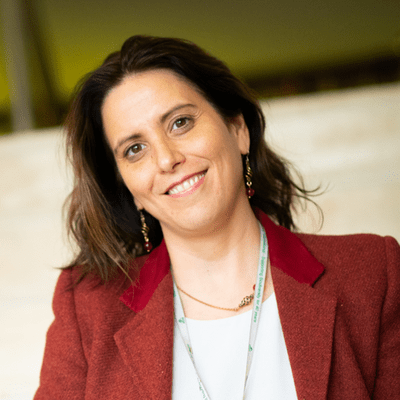
Elisabetta Gotor
Director, Land Resource Economics Unit, and Program Leader, Performance, Innovation and Strategic Analysis for Impact
María Fernanda Álvarez
Director, Crops for Nutrition and Health, and Program Leader, Rice Breeding and Genetics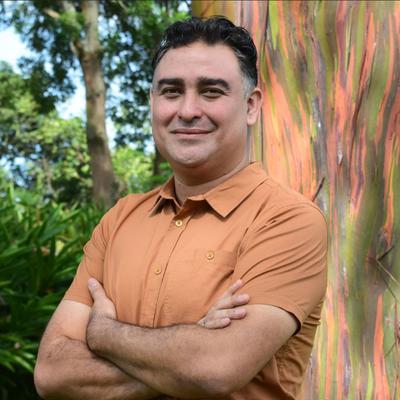
Robert Andrade
Scientist