Blog Crops in focus: How the observatories are transforming data access

In today’s world, data is everywhere, but finding the right information is often a challenge. Production statistics, trade data and research outputs are scattered across multiple platforms, making the search process time-consuming and challenging.
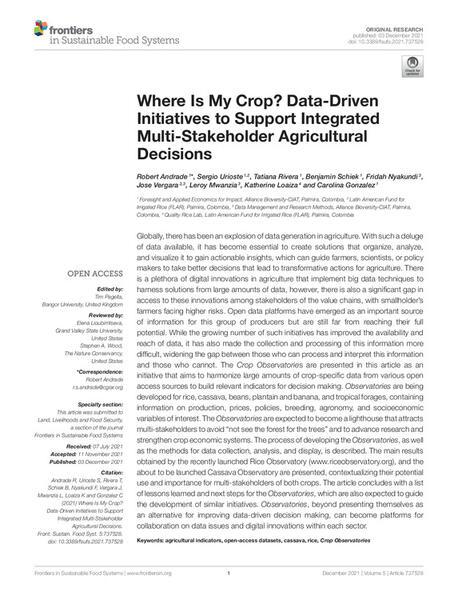
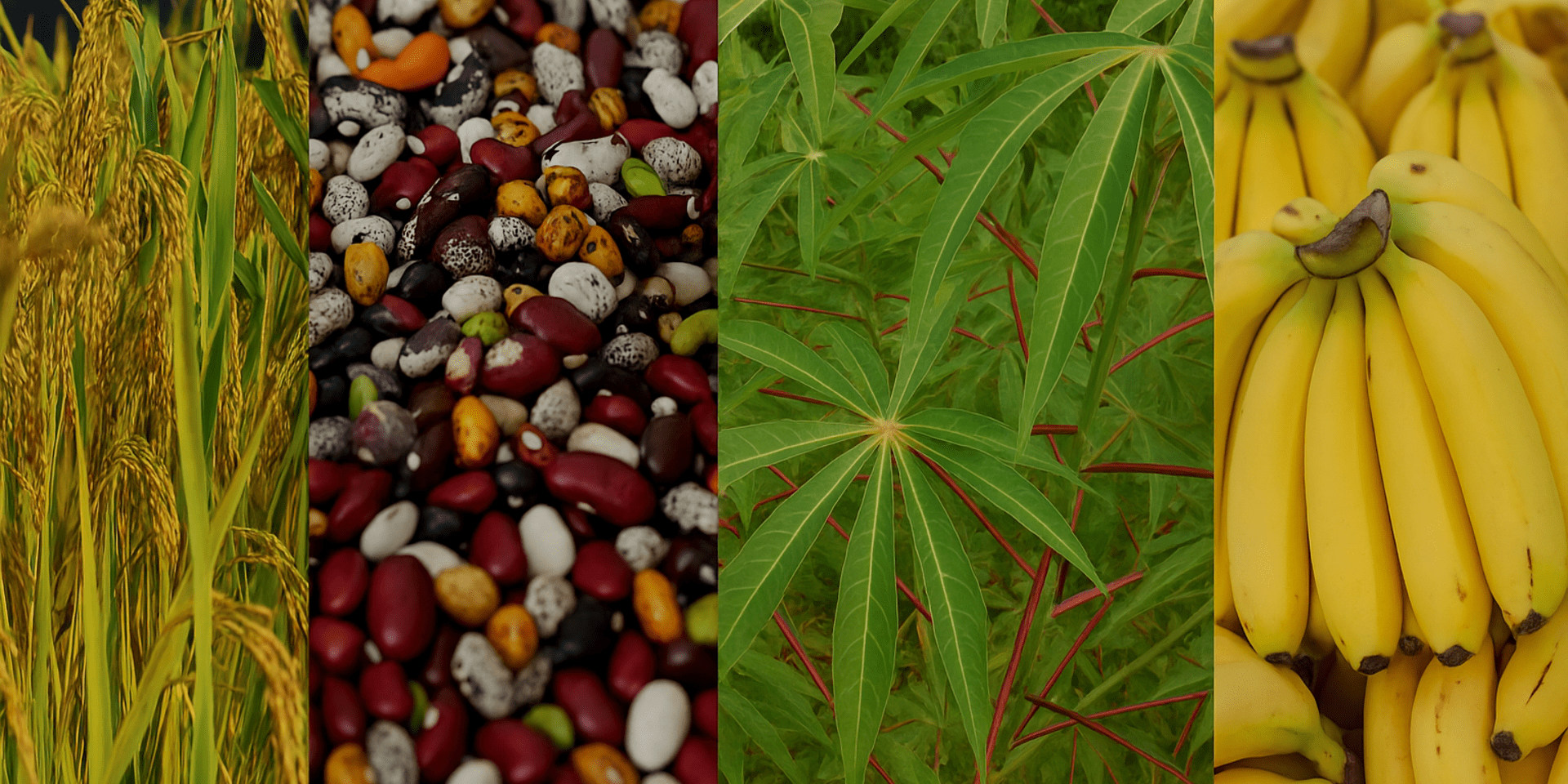
To address this, the Alliance Crop Observatories were created as a platform to integrate as much official data as possible. The observatories collect, process, and analyze information, presenting it in a user-friendly format so that stakeholders, students, researchers, or anyone interested can easily access comprehensive data related to specific agricultural commodities such as rice, Musa (bananas and plantain), common beans, and cassava.
Each observatory centralizes information on production, prices (both international and national), trade and consumption. Growing demand has driven the creation of new sections and the development of observatories for additional crops, which are currently underway.
What’s new?
Comparator: compare data across countries
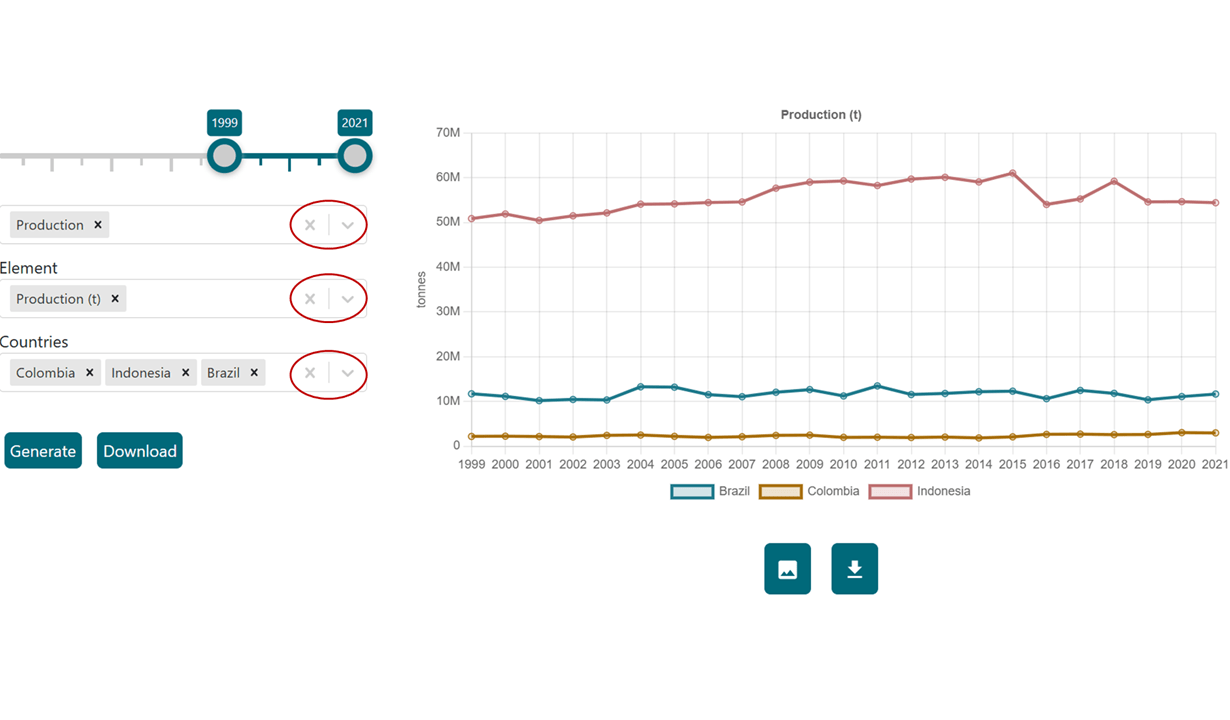
An innovative feature is the Comparator section, which allows users to analyze data across topics such as surface area, production, production value, consumption, and trade. By selecting topics, users can access indicators and country-level data worldwide, displayed through comparative graphs that highlight differences and similarities across nations.
For example, you can compare rice production volumes (in tons) between Colombia, Indonesia, and Brazil. Users can select multiple elements, generate visual comparisons for each element, and download both the data and the images.
Publications: mapping knowledge and trends
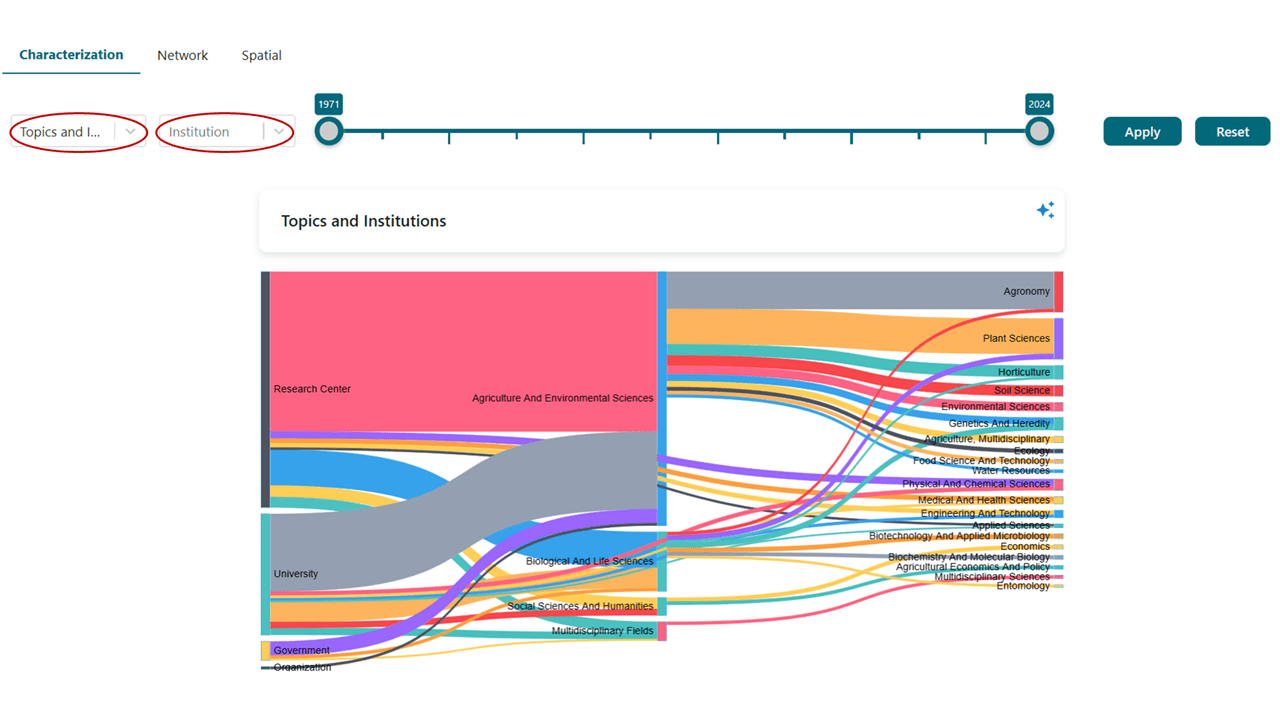
The Publications section examines how research priorities are shifting over time. Users can explore:
- Themes and topics gaining or losing prominence
- How institutions and authors connect across publication networks
- Where research is happening and which countries are leading
In the Characterization tab, you can explore how research themes evolve over time, analyze the share of specific topics, and examine the links between themes and institutions. This feature highlights which themes different institutions have prioritized and you can further narrow your analysis by selecting institutions of interest.
Soon available for rice, cassava, beans, and musa, this feature provides unique insights into the evolving research landscape.
Genebanks: tracking diversity and exchange
The Genebanks section highlights the diversity of seed varieties and their global movement among countries. Users can explore accessions, seed exchanges, and the range of varieties conserved and shared. This feature is currently available for the common bean, cassava, and forages observatories.
Spotlight on Crops
Rice
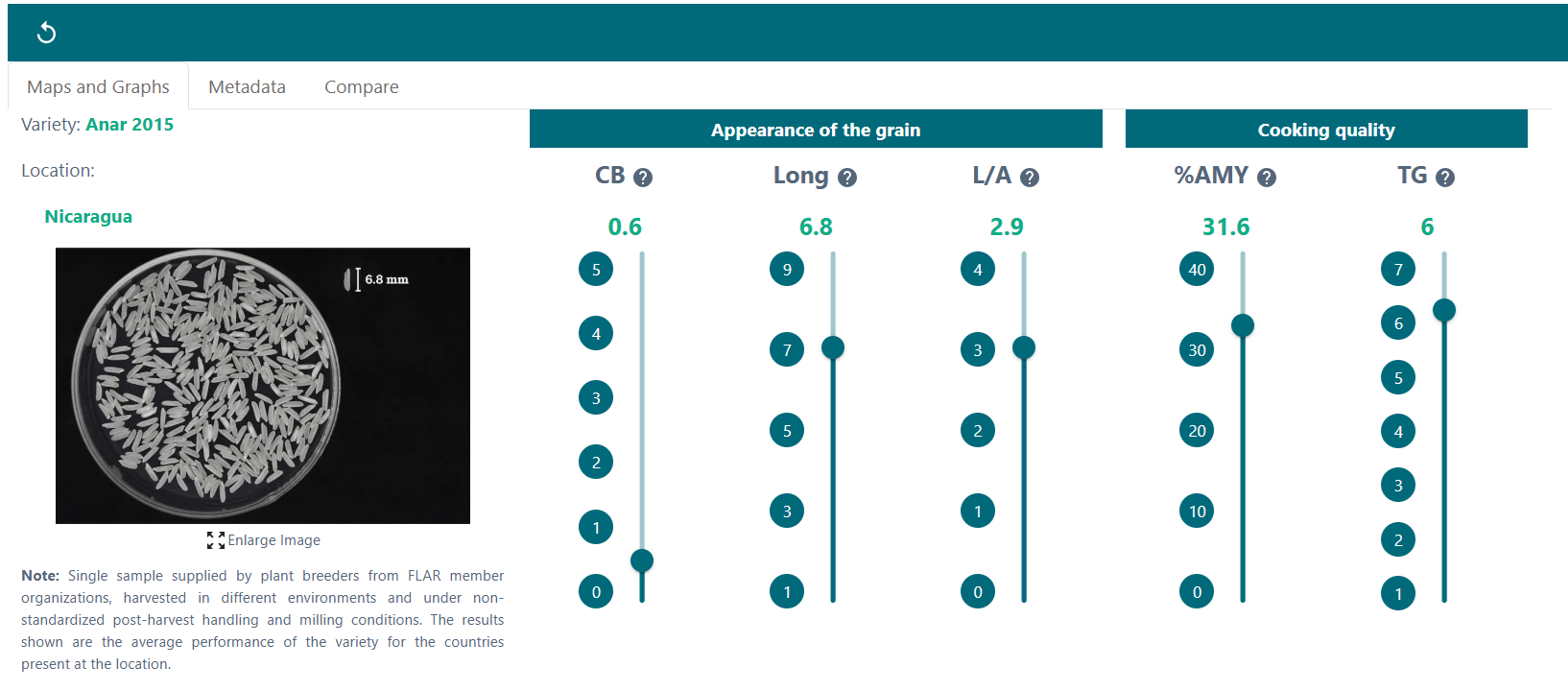
The Rice Observatory, with contributions with FLAR (the Latin American Fund for Irrigated Rice), now integrates official data from the EMSAL survey (Encuesta de Monitoreo y Seguimiento al Sector Arrocero de Latinoamérica). Users can access details on seed production in FLAR member countries, sowing and harvest dates and production data of FLAR varieties, plus resources on rice quality, including grain and industrial traits, such as tools, briefs, and other FLAR publications.
In the Grain Quality tab of the FLAR section, selecting a variety from the list displays its key characteristics, the country of origin and a reference image of the grain.
Common beans
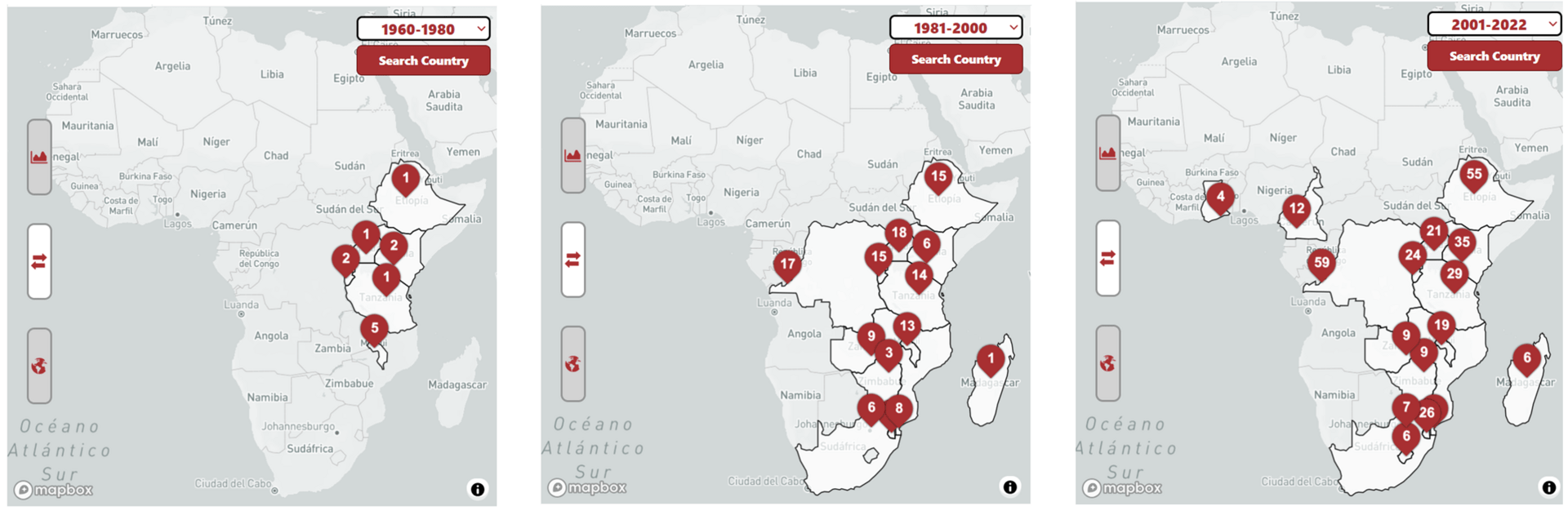
The Common bean observatory, with contributions with PABRA (the Pan-Africa Bean Research Alliance), provides data on seed production and seed variety across African countries member of PABRA. Users can track the evolution of seed types (improved, landrace or unknown) and analyze how varieties have changed over time.
In the seed varieties tab showcases how in each period more countries are becoming members of PABRA and the changes in terms of seeds released over time by country.
What’s next? New observatories coming soon!
Four new observatories are currently under development and will soon be launched: potato, sweet potato, cacao and forages. Built on a scalable and replicable platform, these will expand the reach of the observatories, creating a growing hub of agricultural knowledge accessible to stakeholders worldwide.
By bringing together fragmented data into one place, the Alliance Crop Observatories are transforming how agricultural information is accessed, compared, and used, helping to strengthen research, inform policy, and support innovation across the globe.
More information
More information related to the objective of the observatories and the new data and features for rice, cassava and common bean observatories