Blog Give entrepreneurs what they need, watch businesses soar

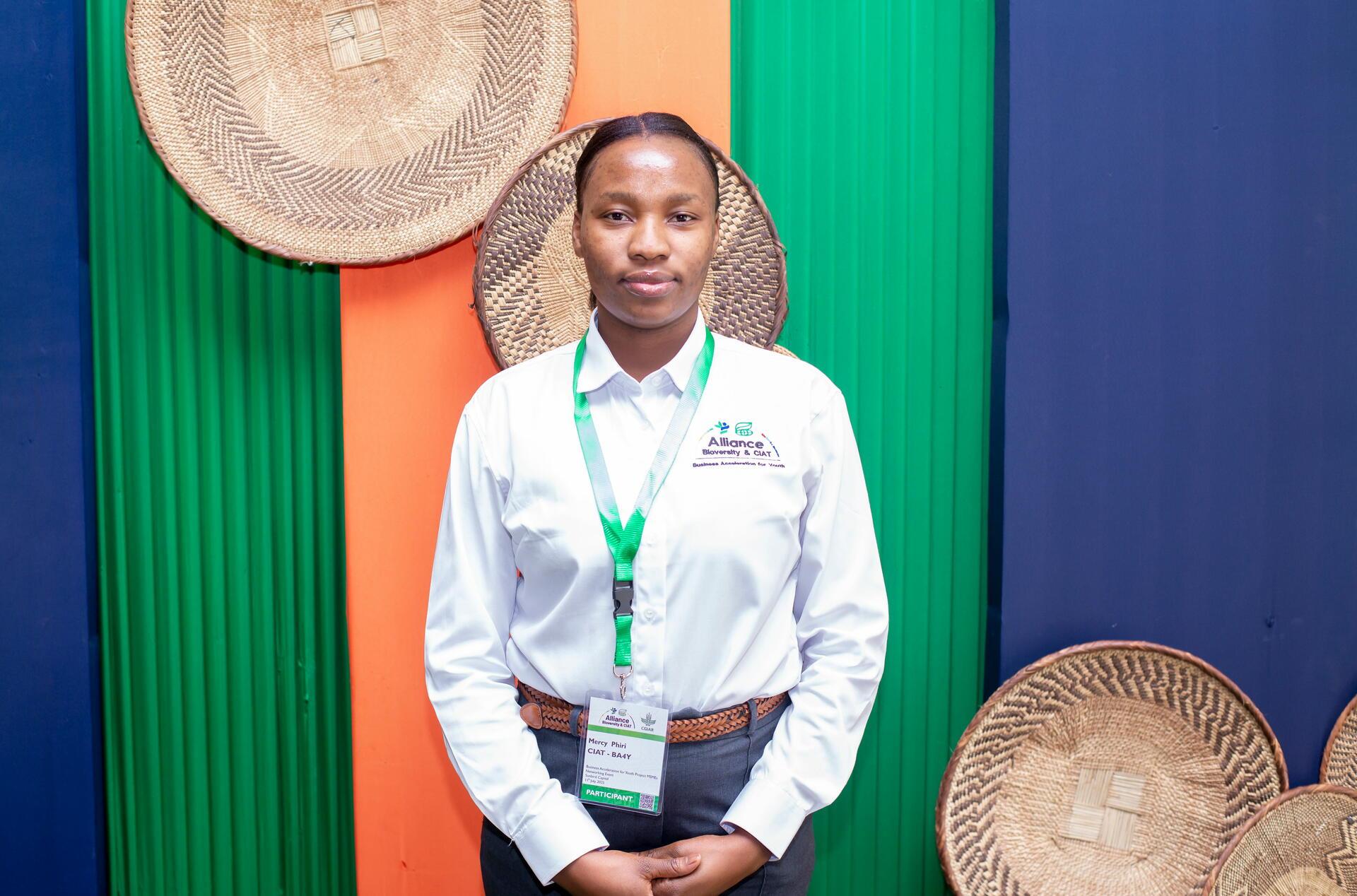
In May 2025 in Malawi, Mercy Phiri joined the Business Acceleration for Youth project expecting entrepreneurs to chase grants. Instead, working with 61 MSMEs, she discovered they were not lacking ambition, but systems and scale.
The first time I saw the Direct-to-Film (DTF) printing machine running at Brand Consult, one of the firms participating in the Business Acceleration for Youth project, I understood something no workshop could have taught me.
Before that machine, the owner, Vanessa Kwilasya, outsourced her printing, smaller margins, slower delivery, limited growth. Now she produces in-house. That machine did not just increase output. It changed her power in the market. In that moment, I realized: entrepreneurship in Malawi is not about survival. It is about leverage.
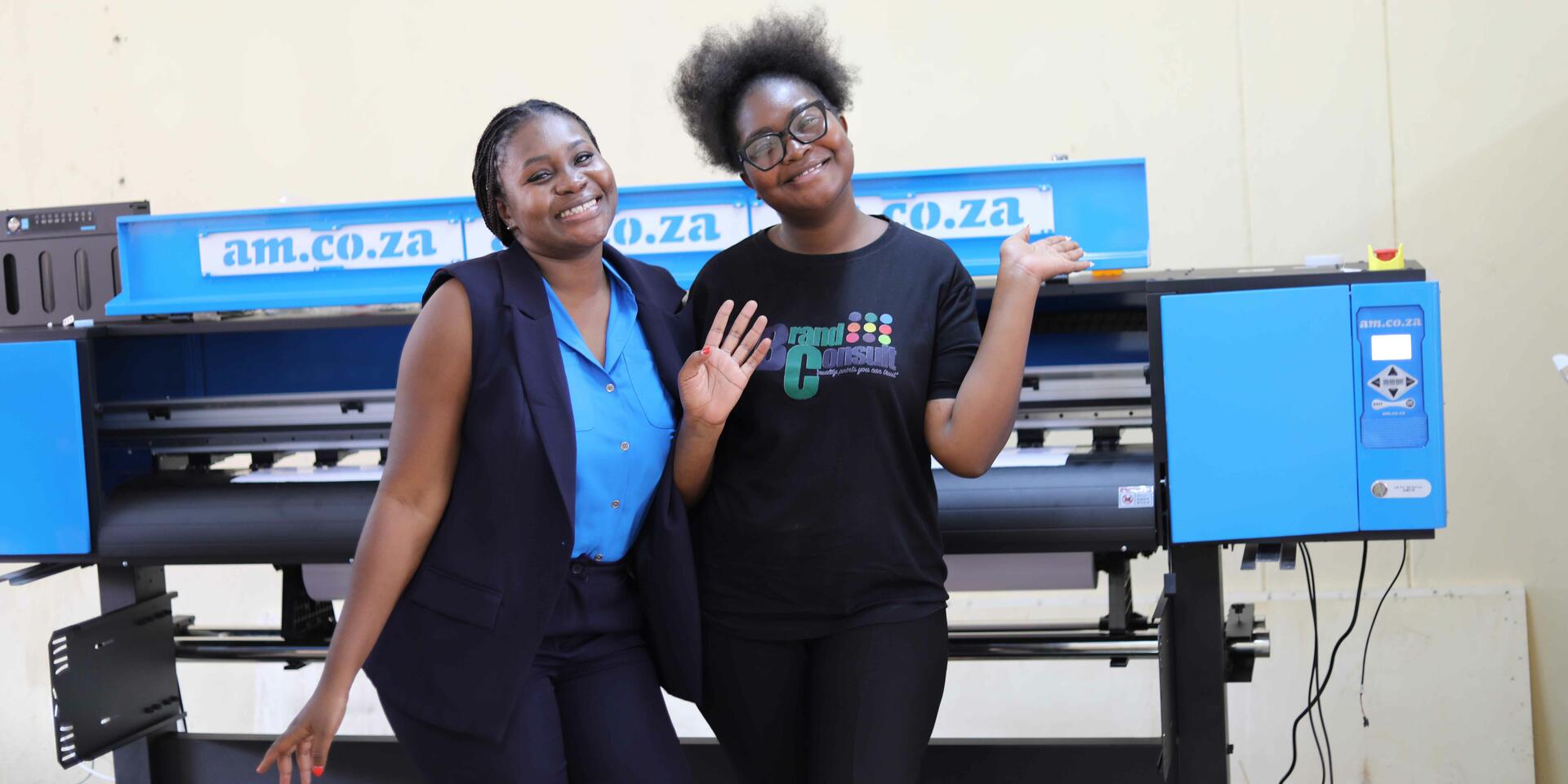
Vanessa Kwilasya with the Direct-to-Film machine made possible through grant funding.
When I joined the Business Acceleration for Youth project in May 2025, I carried a quiet assumption: many entrepreneurs were primarily chasing grants. I was wrong.
Through the program's incubation stage, 200 startups received $2,500 to launch or strengthen their businesses. What struck me was not the amount, it was the seriousness.
“They showed up for trainings,” a colleague observed. “They stuck to their budgets. They used funds for their intended goals. They did not just take the money, they worked hard to improve their products and ventures.”
This experience dismantled my assumption completely. Malawian entrepreneurs are not casually experimenting. They are deeply committed to changing their financial trajectory. The discipline is there. The ambition is there. The resilience is undeniable. What had been missing is structure.
Where good businesses stall
From the outside, it is easy to assume startups fail because their ideas are weak. From the inside, I saw something different. Most do not collapse at the beginning; they stall in the middle. They struggle with record-keeping that blocks access to finance.
They cannot meet Malawi Bureau of Standards requirements, keeping supermarkets out of reach. Sometimes, they diversify too quickly without strengthening a core product.
Forex shortages make importing machinery nearly impossible.
“It is not easy,” one entrepreneur told me. “Many people have great ideas, but the market is very different from what they imagined. Just having a good idea is not enough.”
Entrepreneurship in Malawi is not romantic. It is operational. Technical. Unforgiving. Without systems, even strong ideas plateau before too often crashing completely.
From hustle to enterprise
This is where the Business Acceleration for Youth project enables a real shift.
“What makes this program different is the needs assessment approach,” said one business development service provider. “Instead of giving everyone general training, we look at the specific gaps each entrepreneur faces.”
For some businesses, the breakthrough was branding and packaging, changing how customers perceived their product almost immediately. For others, it was financial systems like QuickBooks. For the first time, they understood their exact margins. And for growth-ready MSMEs, matching grants of up to $75,000 enabled investments in machinery that fundamentally changed production capacity.
But the grants are only part of the story. Over my internship, I worked directly with 61 MSMEs. Not all received $75,000. Some received smaller grants. Some received none. What they all received was a process: reviewing progress against milestones, identifying where they were stuck, and asking questions many had never faced; What is your gross margin? Who is your core customer? Why should they choose you?
Not every business required a machine. Some needed pricing strategies. Others needed basic bookkeeping. A few just needed someone to believe they were worth the investment.
The lesson was clear: entrepreneurs know their business. They do not always know what is missing. But when you help them name the gap, they close it.
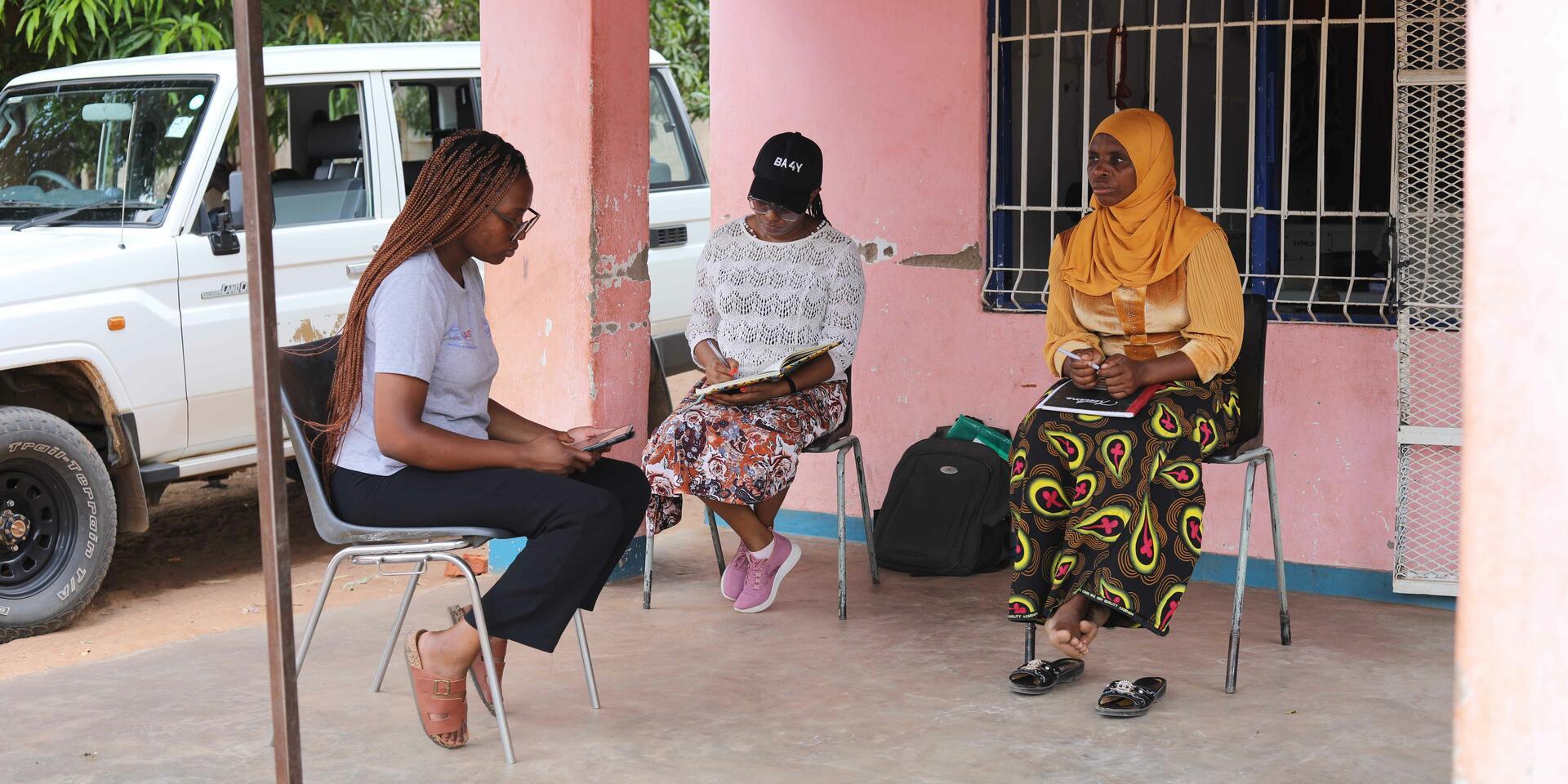
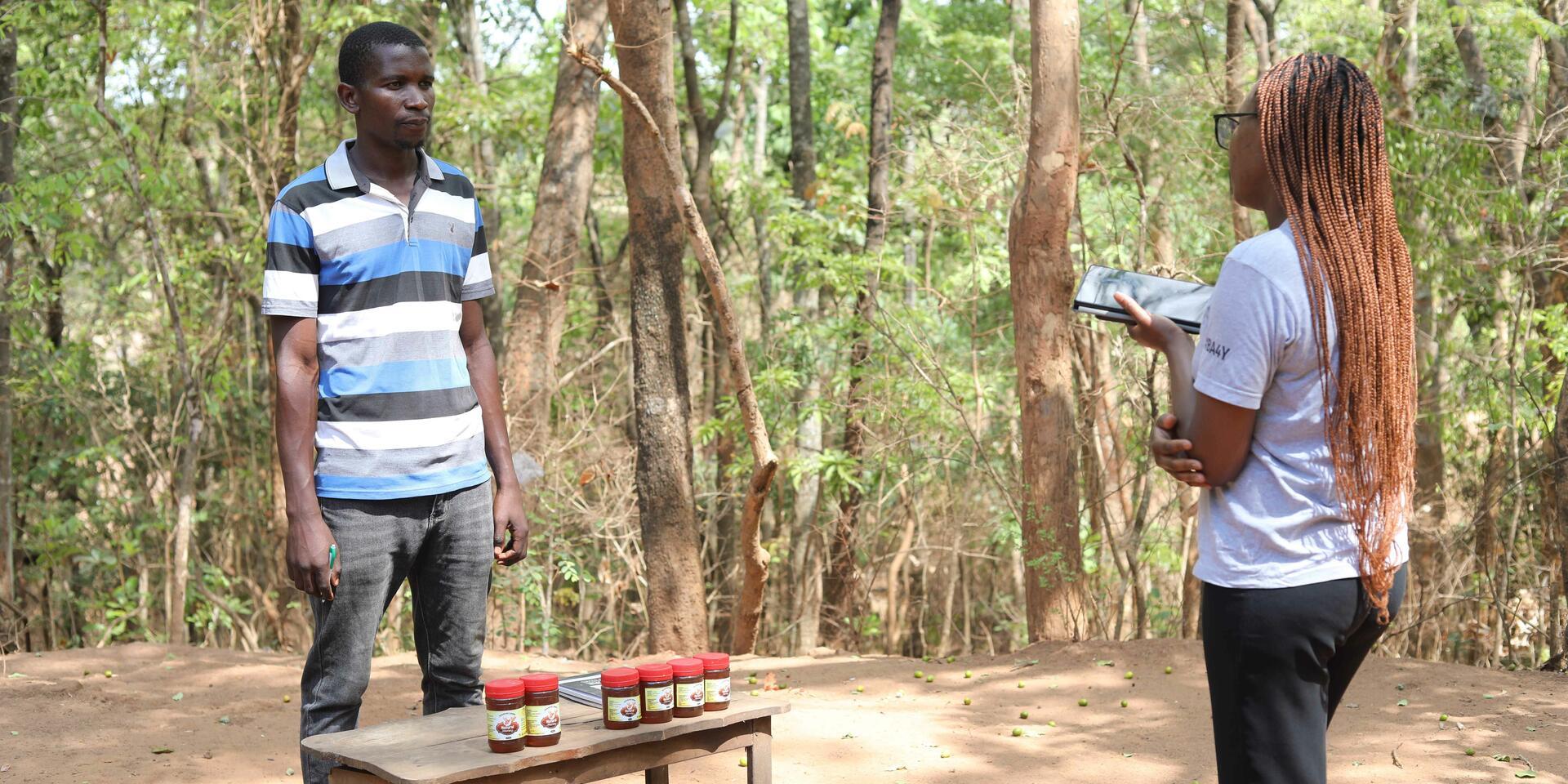
Field monitoring visit to track progress and provide hands-on support to participating businesses.
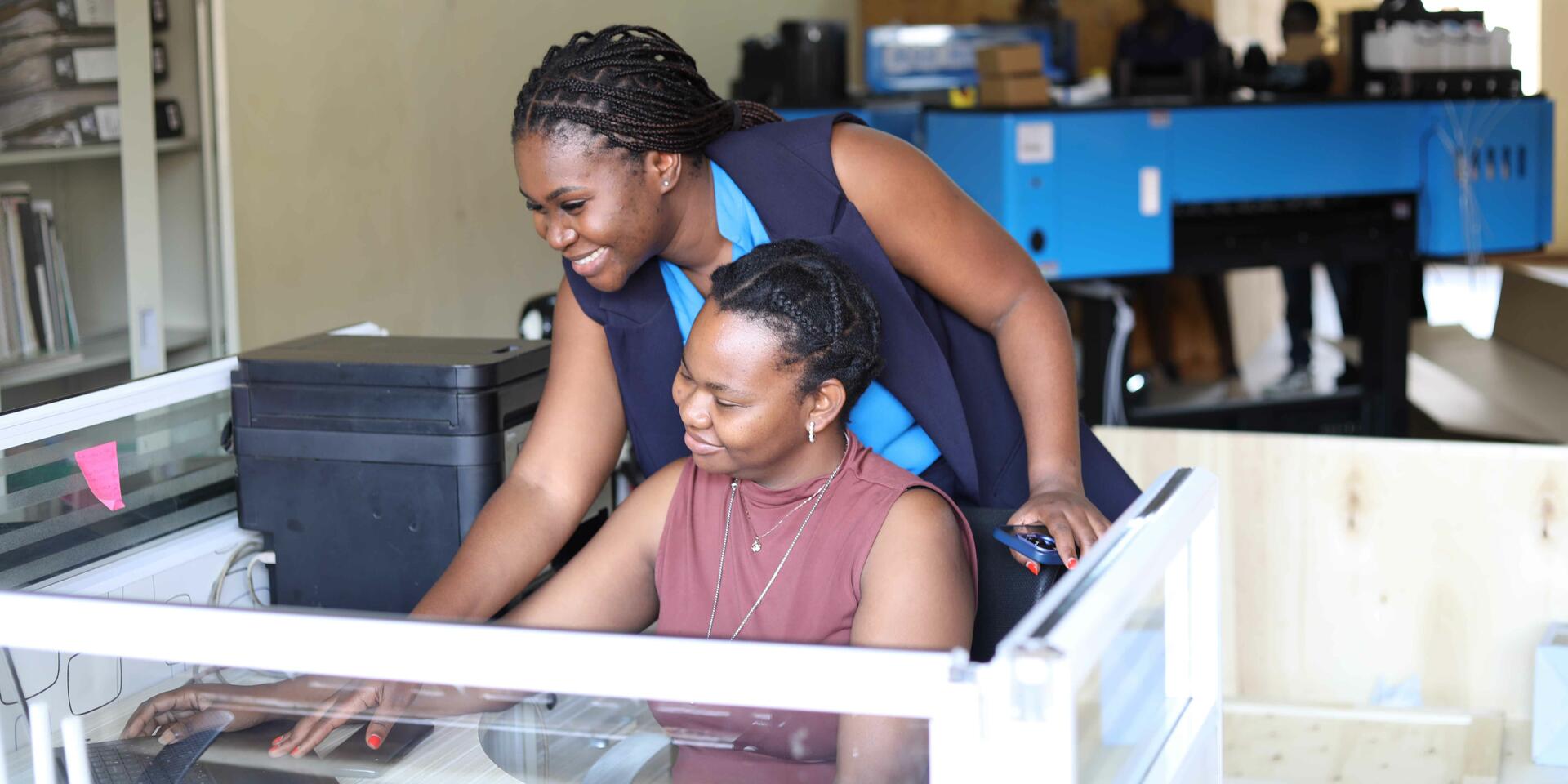
With the grant-funded Direct-to-Film machine in the background, Vanessa Kwilasya now manages her entire production process in-house.
Resilience is not the problem
Malawi's economic environment is unstable. Inflation shifts. Forex is scarce. Planning is uncertain. Yet resilience is constant.
“Our startups and MSMEs do not just give up,” a colleague said. “The environment certainly is not easy. But they are resourceful, adjusting business models and pushing forward despite everything.”
The drive is already there. Entrepreneurs are moving. The real question is whether systems move with them.
The missing link is scale
In my nine months with The Alliance under the Business Acceleration for Youth project, I have seen $2,500 turn an idea into a functioning business. I have seen proper documentation move informal operations into the formal economy, opening access to finance. I have seen a single machine change a company’s growth trajectory.
Malawi does not lack entrepreneurs, ambition, or resilience. What it lacks is scale infrastructure.
We have the drive. Entrepreneurs show up, stick to budgets, meet milestones, and refuse to quit. What is missing is enough machines, enough systems, enough patient capital, enough willingness to treat entrepreneurship as a structural driver of the economy.
If we stop treating entrepreneurship as peripheral and start treating it as structural, the results will look very different.