Blog Five priorities for turning COP17’s Yerevan Pathway into action
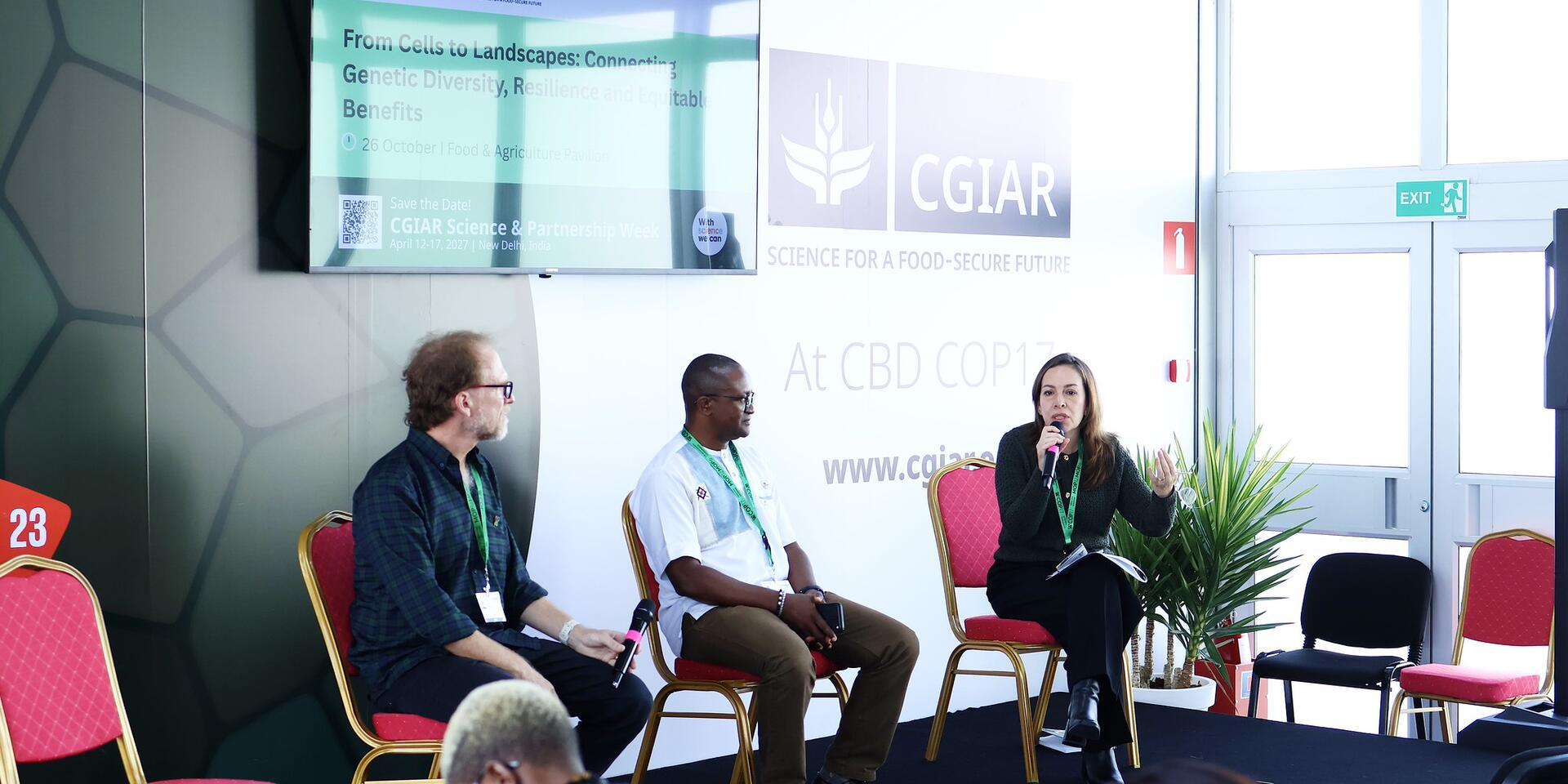

COP17 confirmed the world is not on track for its 2030 biodiversity targets, and now that I’ve left Armenia I had some time to reflect on a week of conversations and more than 50 engagements with the Alliance of Bioversity International and CIAT at the 17th Conference of the Parties to the Convention on Biological Diversity (CBD COP17).
I’m returning with many insights, new perspectives, and lots of questions too. Not every exchange was easy, but it is often from difficult conversations that innovations and research ideas spark.
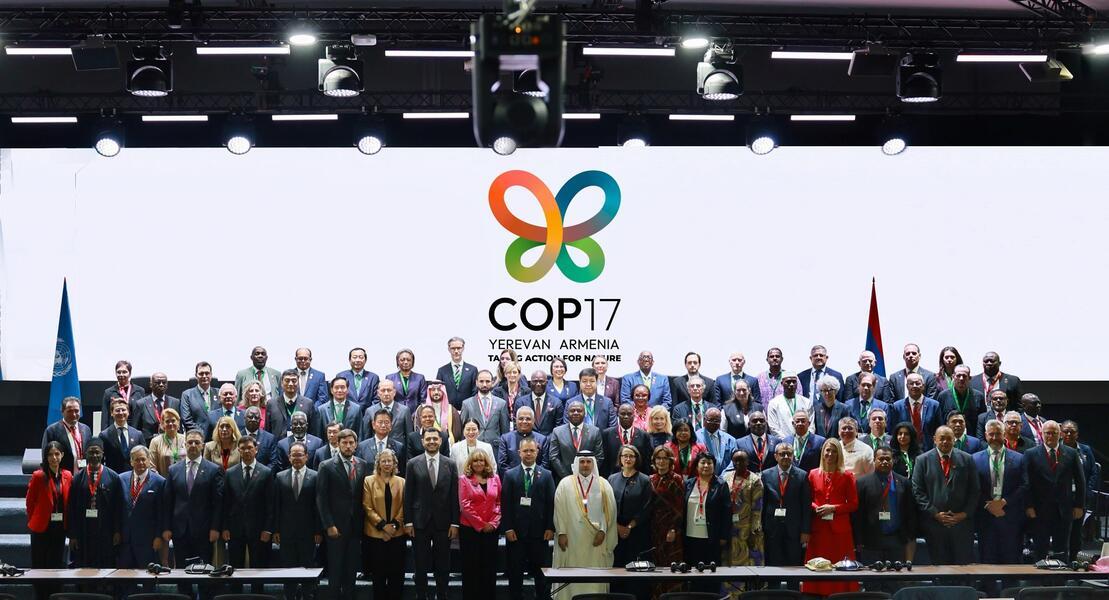
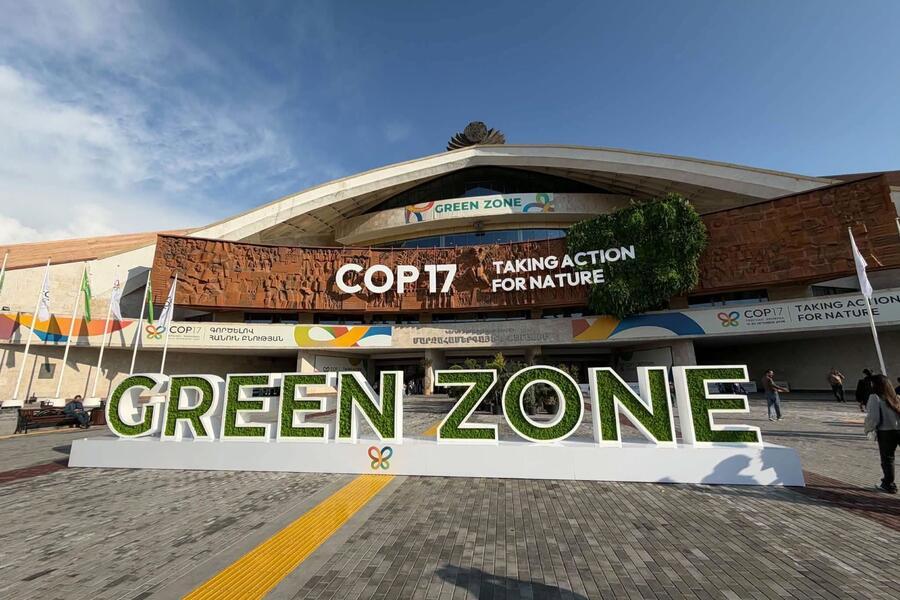
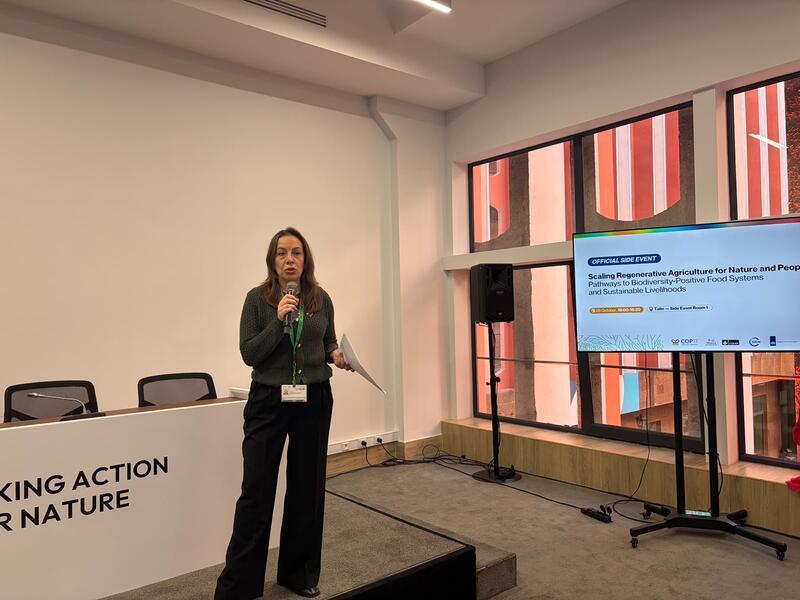
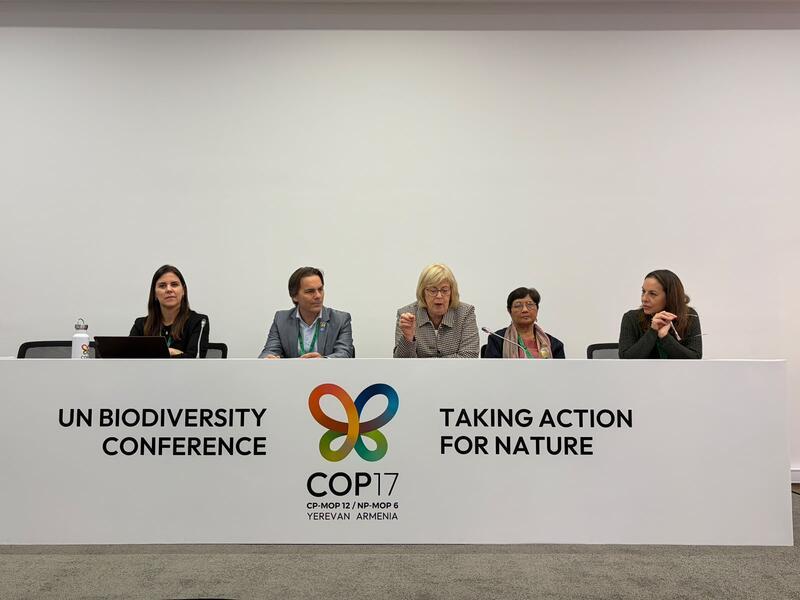
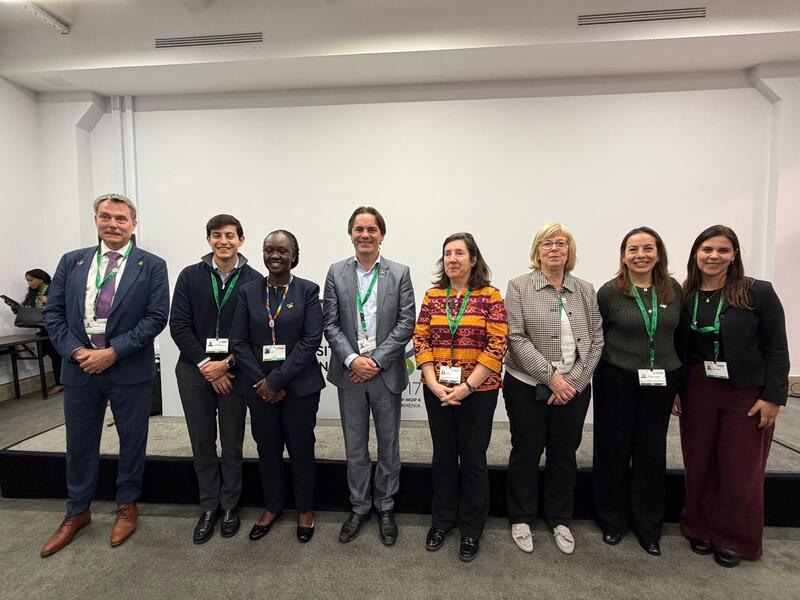
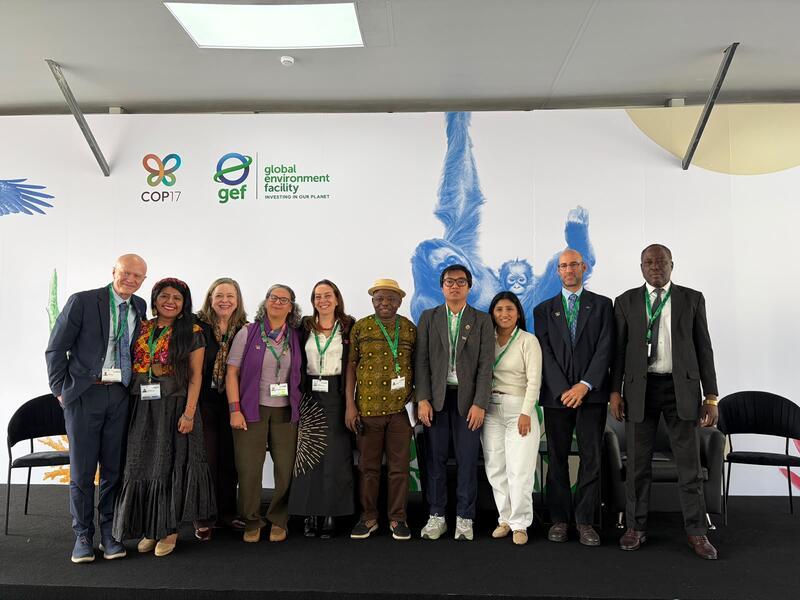
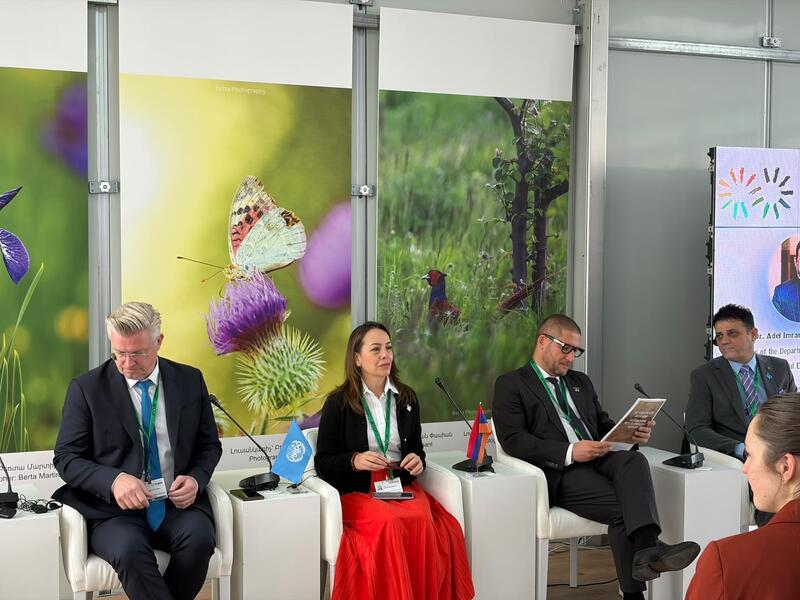
COP17 came at a critical moment. Halfway to the 2030 deadline of the Kunming–Montreal Global Biodiversity Framework (KMGBF), countries had to confront an uncomfortable reality: the world is not on track to meet the Framework's 23 targets.
The conference concluded with nearly 50 decisions and the adoption of the Yerevan Pathway, setting out priorities to accelerate implementation through 2030.
The test now is whether these commitments translate into national policies, sustained financing, and measurable results.
For me, the most encouraging conversations focused on what this requires in practice: connecting biodiversity with the policies, institutions and investments that shape how land is used, food is produced, and livelihoods are sustained.
Five priorities stood out to me as essential to turning these commitments into action.
1. Put agroecology at the center of implementation.
The solutions are already in farmers’ hands, in their fields and in the landscapes they steward. Agrobiodiversity is one of our greatest assets for transforming food systems and advancing the goals of the Kunming–Montreal Global Biodiversity Framework.
This calls for a shift in how we view agricultural landscapes. They should not be seen only as places where biodiversity is under pressure, but also as places where it can be conserved, restored, and sustainably used.
The question, reinforced by discussions at COP17, is how to support production systems that conserve agrobiodiversity while meeting farmers’ needs for productivity, income, and resilience.
Agroecology provides an approach, but scaling it requires evidence about what works under different conditions. Which combinations of crops, varieties and management practices deliver benefits? What trade-offs do farmers face? Which policies and market conditions make adoption viable?
For research, the task is to answer these questions alongside farmers and connect the findings to agricultural policy and investment decisions.
2. Understand how landscape management can support peace.
Another important insight from COP17 was the need to look beyond the traditional boundaries of biodiversity policy and recognize its connections with peace and stability, particularly where access to land and natural resources is contested.
Environmental and agricultural challenges can intensify tensions, particularly in fragile and conflict-affected contexts. But they can also create opportunities for cooperation.
A 2023 publication, co-authored by Alliance researchers, shows how collaboration around agricultural and environmental challenges can create space for dialogue between groups divided by conflict.
This does not mean that restoration automatically builds peace. It does, however, mean that how an intervention is designed—who participates, whose rights are recognized, and how benefits are distributed—matters for both environmental and social outcomes.
Science can help identify the conditions under which restoration supports both biodiversity and peacebuilding, providing evidence to inform decisions about participation, resource rights, and benefit-sharing.
3. Connect biodiversity policy with public spending and food demand.
Countries need to examine whether their agricultural incentives and public expenditure support their biodiversity commitments. Research can help identify which incentives sustain damaging practices and assess the consequences of changing them, including the implications for farmers’ incomes.
Our experience with FAO and partners through the Convention 's Initiative on Biodiversity for Food and Nutrition, showcased in a new publication launched at COP17, illustrates how this can work in practice. Public procurement policies, including school meal programs, can generate demand for diverse, locally produced foods and nutritious, underutilized species, connecting biodiversity conservation with healthier diets.
This is also where the biodiversity and health agendas come together. The Global Action Plan on Biodiversity and Health provides valuable guidance for countries and stakeholders seeking to align biodiversity strategies with health policies. I particularly welcome the prominent place it gives to agriculture and food-related measures, recognizing that how we produce food, the diversity of what we grow and the quality of what we eat are fundamental to both ecosystem health and human well-being.
4. Measure agricultural biodiversity in ways that inform decisions.
What gets measured gets acted on.
Biodiversity targets only matter if we can tell whether we are making progress. COP17 reinforced the importance of accountability, but also raised a practical question: are countries measuring the changes that matter?
Indicators must be scientifically credible and feasible for national institutions to use. That requires investment in data, methods and local capacity, alongside clarity about the decisions each indicator is intended to inform.
Because what we cannot see, we cannot properly protect or build policy around.
5. Make biodiversity investments credible and accessible.
Finance was one of the most difficult issues in the COP17 negotiations, and rightly so.
The finance challenge concerns both the volume of funding and its ability to reach farmers and landscapes.
Research can strengthen investment decisions by establishing baselines, assessing costs and expected benefits, identifying risks, and verifying results. It can also test whether financing arrangements are accessible to smallholders and whether returns and benefits are distributed fairly.
At the Alliance, we need to work with financial institutions and local partners from the outset. An intervention with strong scientific results still needs a workable delivery model, clear responsibilities, and financing suited to the people expected to implement it.
What this means for our research
Taken together, these five priorities point to a broader shift in how we need to approach biodiversity action. We must move away from treating food, nature, climate, health and development as separate policy areas and start addressing them as interconnected parts of the same challenge.
Science has an essential role in making this possible, but science alone is not enough. Research can accelerate implementation by helping countries determine where to begin, which interventions to prioritize and how to reconcile competing objectives. This requires evidence on what works, under which conditions, at what cost and for whom. At the Alliance, we are committed to working with national institutions and partners to translate that evidence into policy choices and investment plans, and to assess whether implementation delivers the intended benefits for biodiversity, food security and livelihoods.
Genetic diversity is another fundamental part of this equation. Collections in genebanks, diversity maintained on farms and crop wild relatives provide options for adapting food systems to changing conditions. Conservation must be linked to access, use, and fair benefit-sharing.
This integrated approach also means breaking down silos between the three Rio Conventions on biodiversity, climate, and land.
As I emphasized during my statement at the CBD COP17 High-Level Segment, a land-use decision can affect biodiversity, carbon, water, food production and livelihoods simultaneously. Research should make those interactions explicit, including where objectives conflict, so that countries can make informed choices.
The real work begins after COP17
The Yerevan Pathway gives countries renewed direction for accelerating biodiversity action. But commitments will mean little unless they change what happens on the ground.
I left COP17 encouraged by the growing convergence around these priorities, but also aware of the urgency. With only four years remaining until the 2030 targets, there is little time to lose.
The next phase of the global biodiversity agenda must be about implementation and ensuring that agricultural landscapes, food systems, and the people who sustain them are at the heart of that change.