From the Field Financial Innovation and Climate Services Strengthen Livestock Farming in Guatemala

Author: Daniela Arce Gómez, Co-author: Mónica Paola Hernández.
The Alliance of Bioversity International and CIAT is conducting research and training for technicians in livestock finance to identify and minimize agro-climatic risks. These actions aim to strengthen sustainable livestock practices and increase the sector's productivity through resilience to climate variability.
Livestock farming is essential for Guatemala's economy and the livelihoods of many communities. However, the challenges of climate change such as droughts, floods and other climatic variations, pose ongoing threats to the stability and growth of this sector. What is being done to address these challenges, and how are stronger tools being provided to livestock farmers to make their production more sustainable and financially viable?
One innovative response comes from the financial sector, especially the work done through microfinance institutions to offer loans tailored to the specific needs and risks of livestock farmers. These loans provide funds at affordable interest rates, as well as offering comprehensive solutions that address specific climate risks such as droughts, floods, frost, earthquakes and high temperatures. Trained technicians provide farmers with tools to increase their productivity and reduce losses due to climate change.
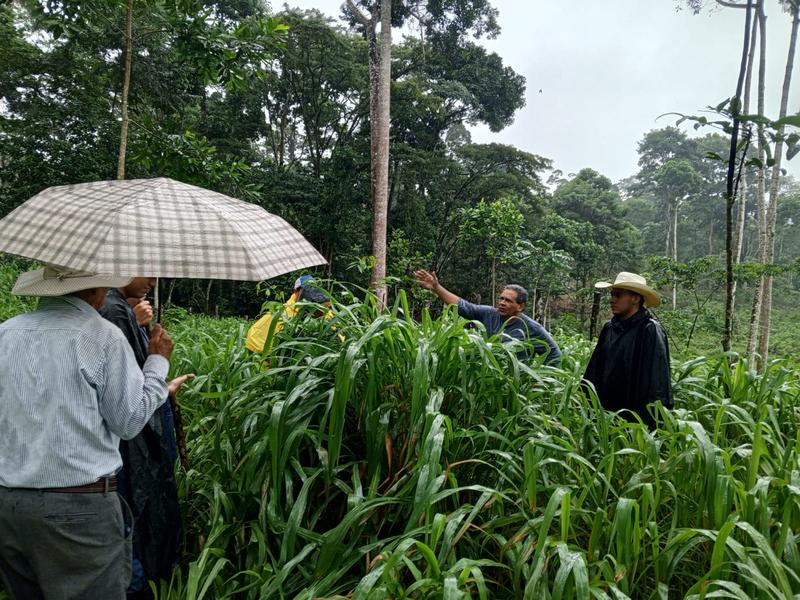
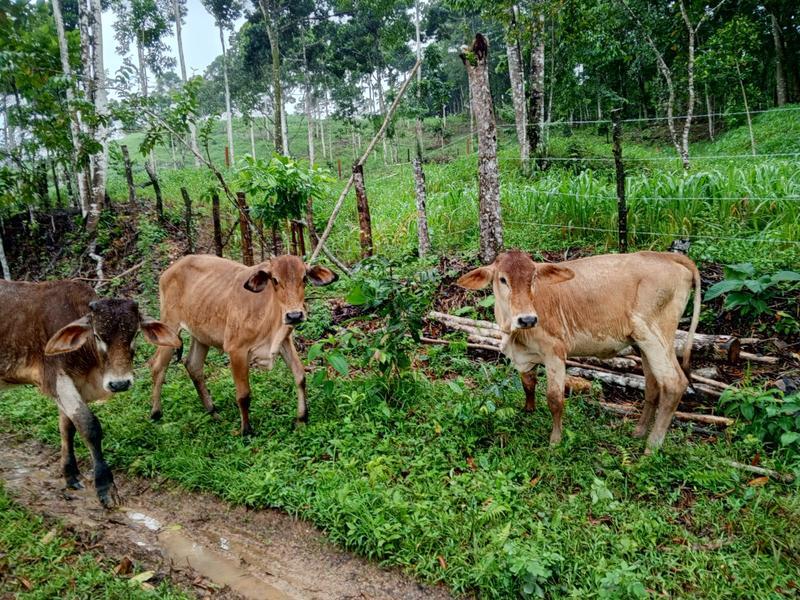
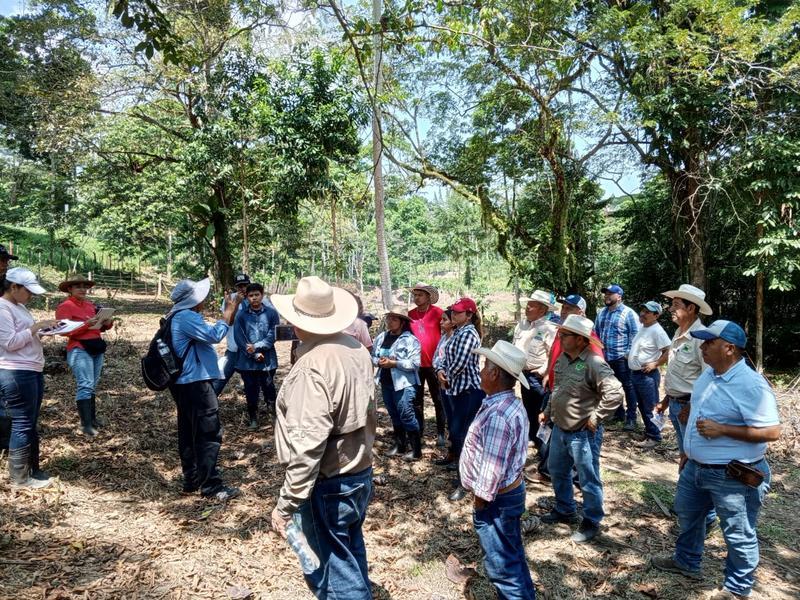
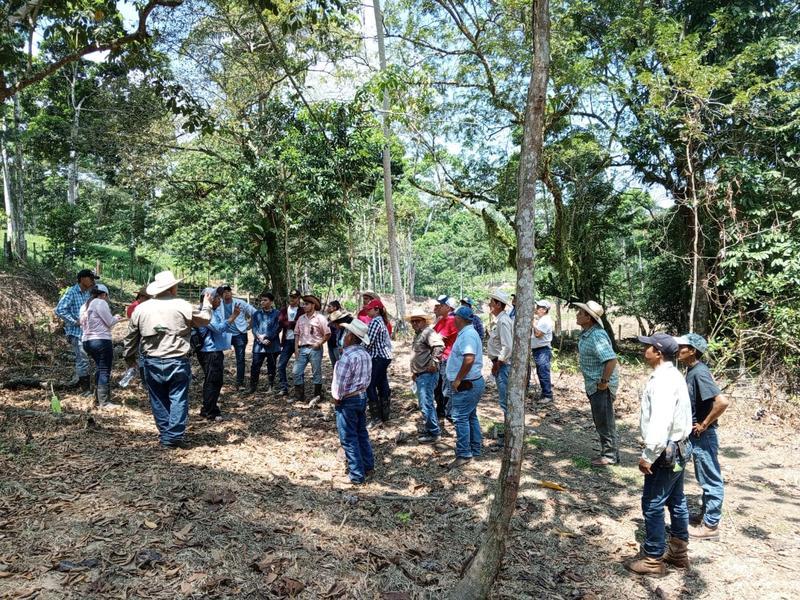
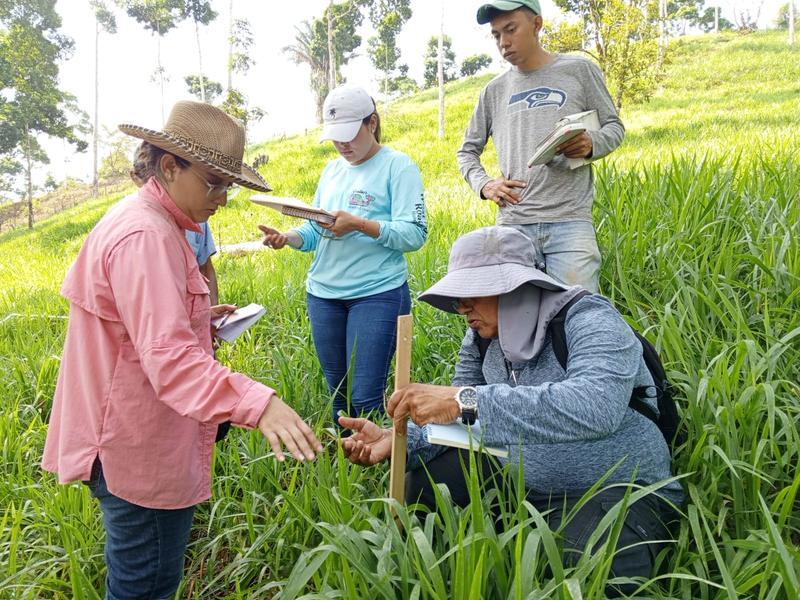
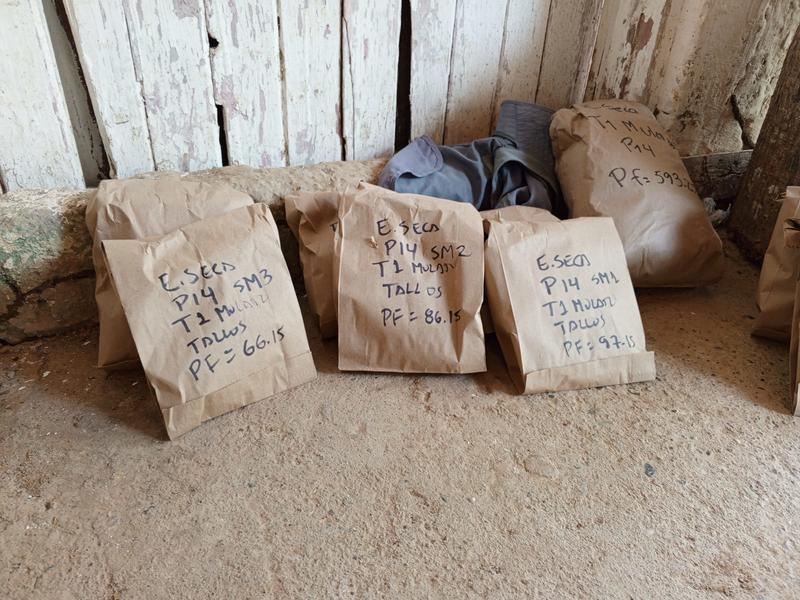
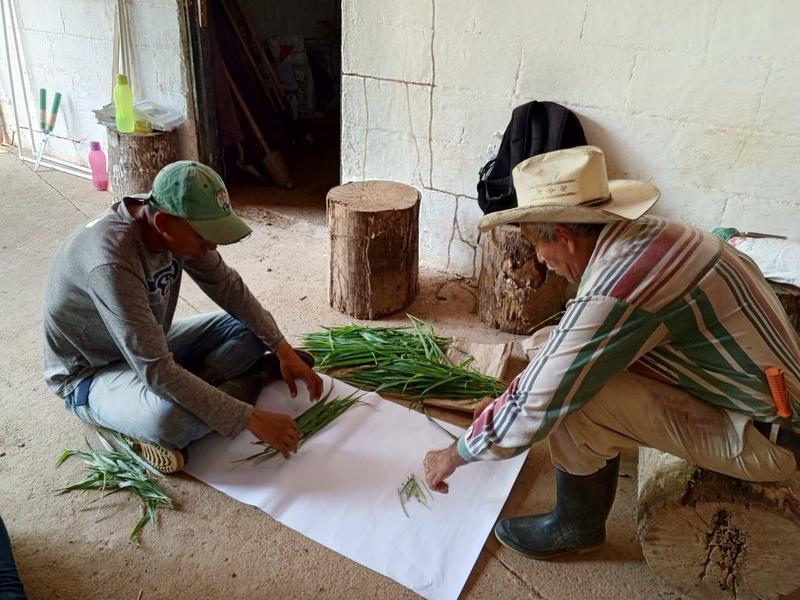
In addition to offering a lower interest rate and greater opportunities for financial benefits, this innovation is accompanied by technical agronomic advice. This advice identifies the most sensitive risks for each farm and the best practices to counter climate effects, providing guidance on the interpretation of climate forecasts and practices to prepare for climate variability. This allows for more sustainable, productive and resilient development of the livestock sector.
In the process of training for accessing agro-climatic information, livestock farmers are learning how climate can affect their activities, and what actions to take accordingly, using climate forecasting platforms with recommendations on crops and farming practices adapted to changing climatic conditions. This training empowers farmers to make informed decisions and maximize the resources available to them in their production process.
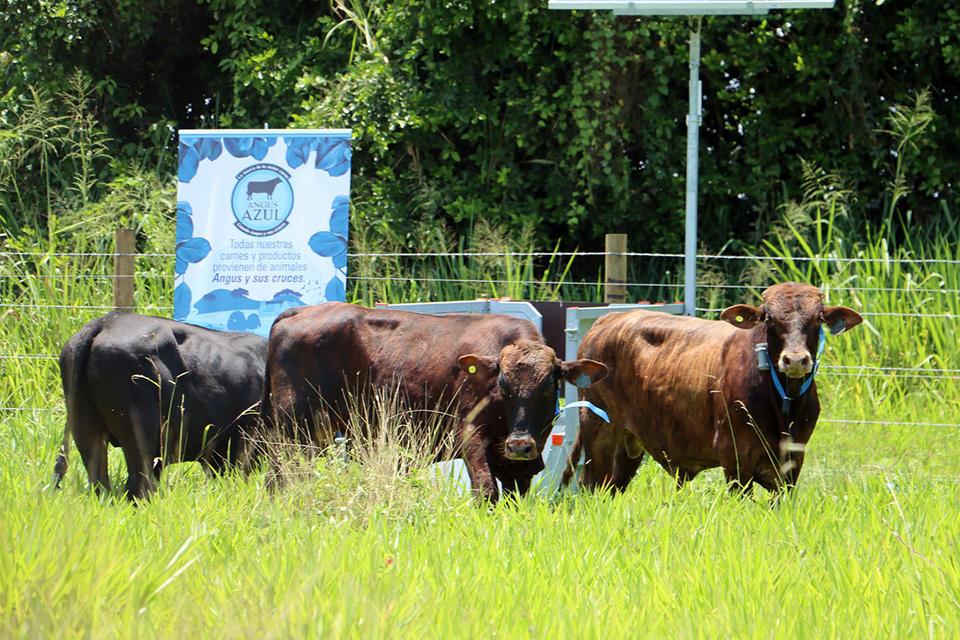
Beneficiaries have taken part in in participatory assessments of pasture types, comparing traditional methods with innovations developed by the Tropical Forages Research Area of the Alliance of Bioversity and CIAT. This has enabled them to identify practices more adaptable to their farms and pasture varieties more resistant to drought and other extreme weather conditions, contributing to the sustainability of their economic activity and the environment.
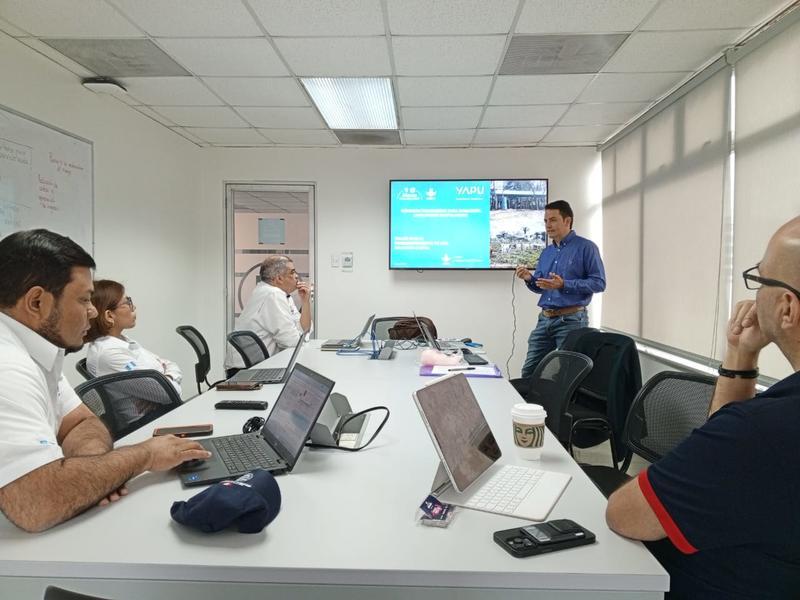
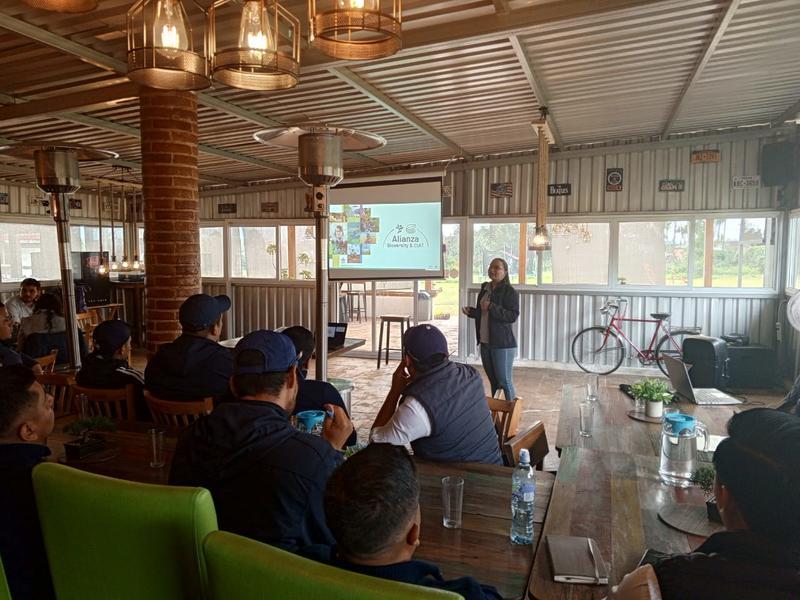
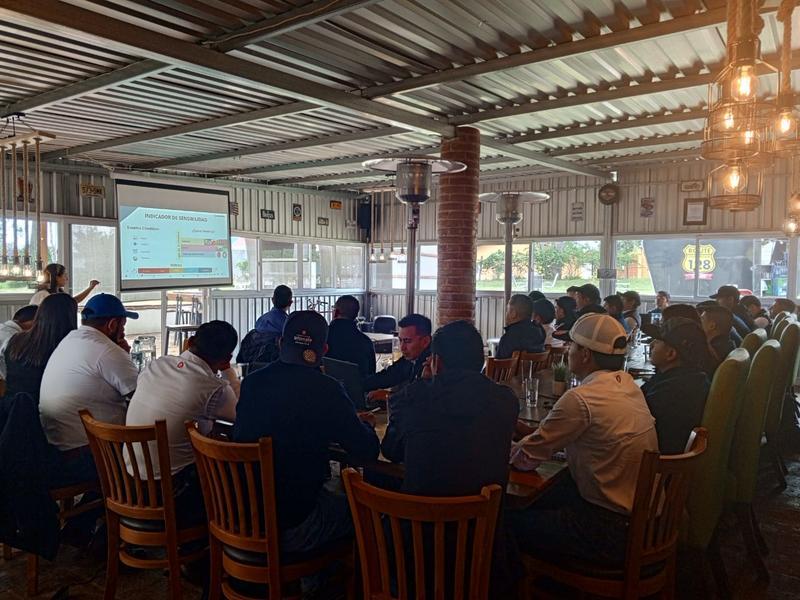
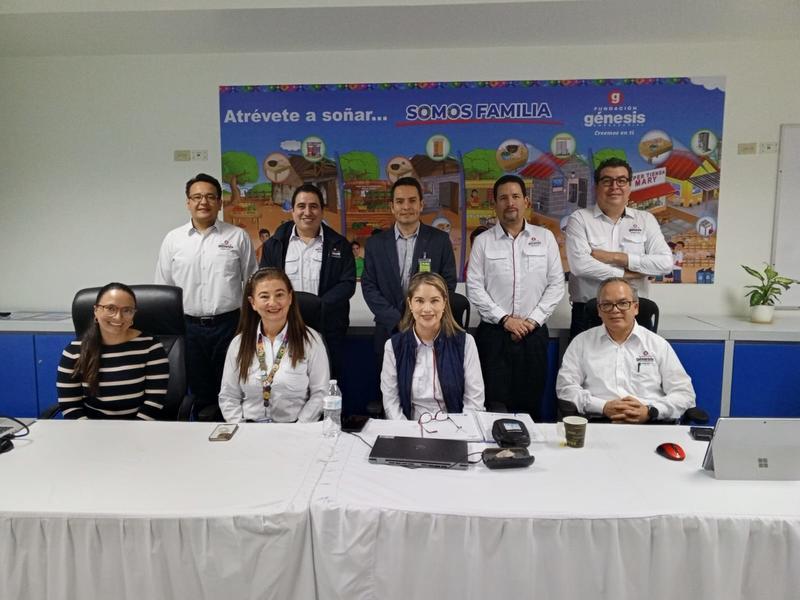
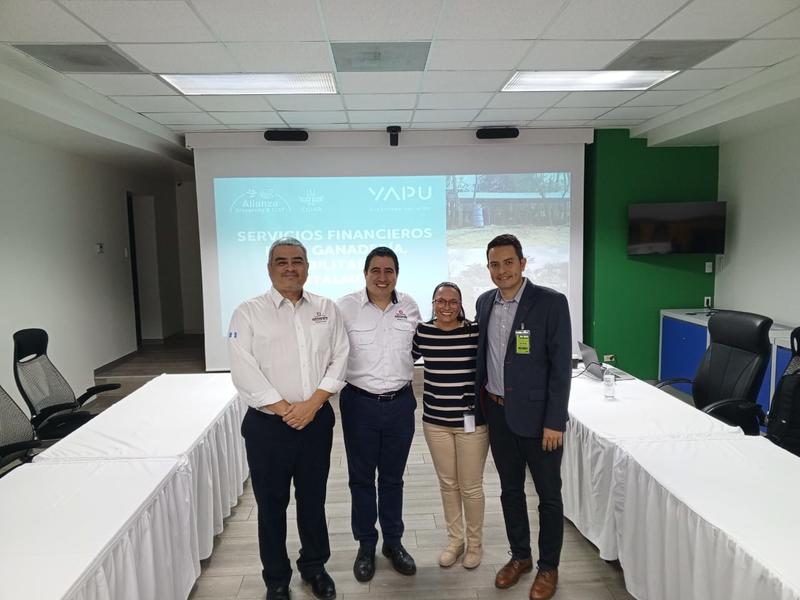
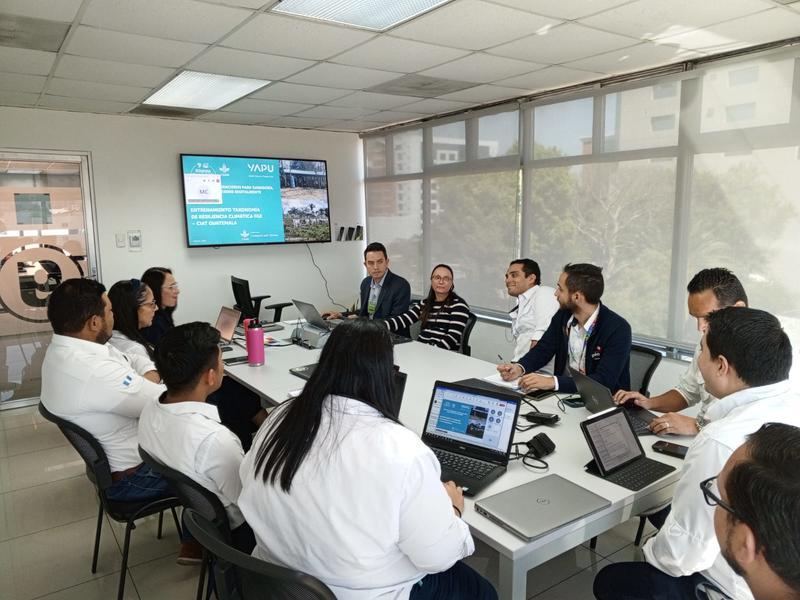
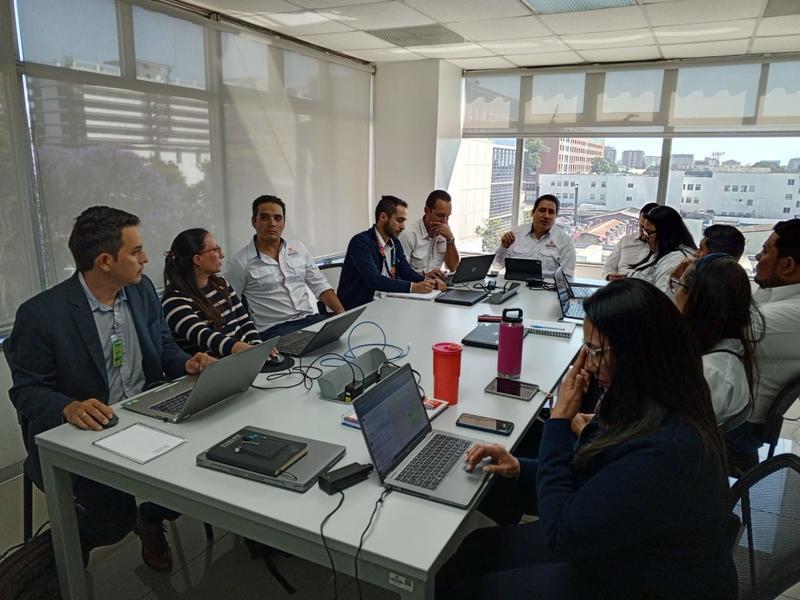
Through research on the livestock sector and its needs in Guatemala, farmers' need for access to agro-climatic information and financial services has become clear. Together, these aspects promote sustainable actions, improve livestock quality, increase productivity and facilitate adaptation to climate variability.
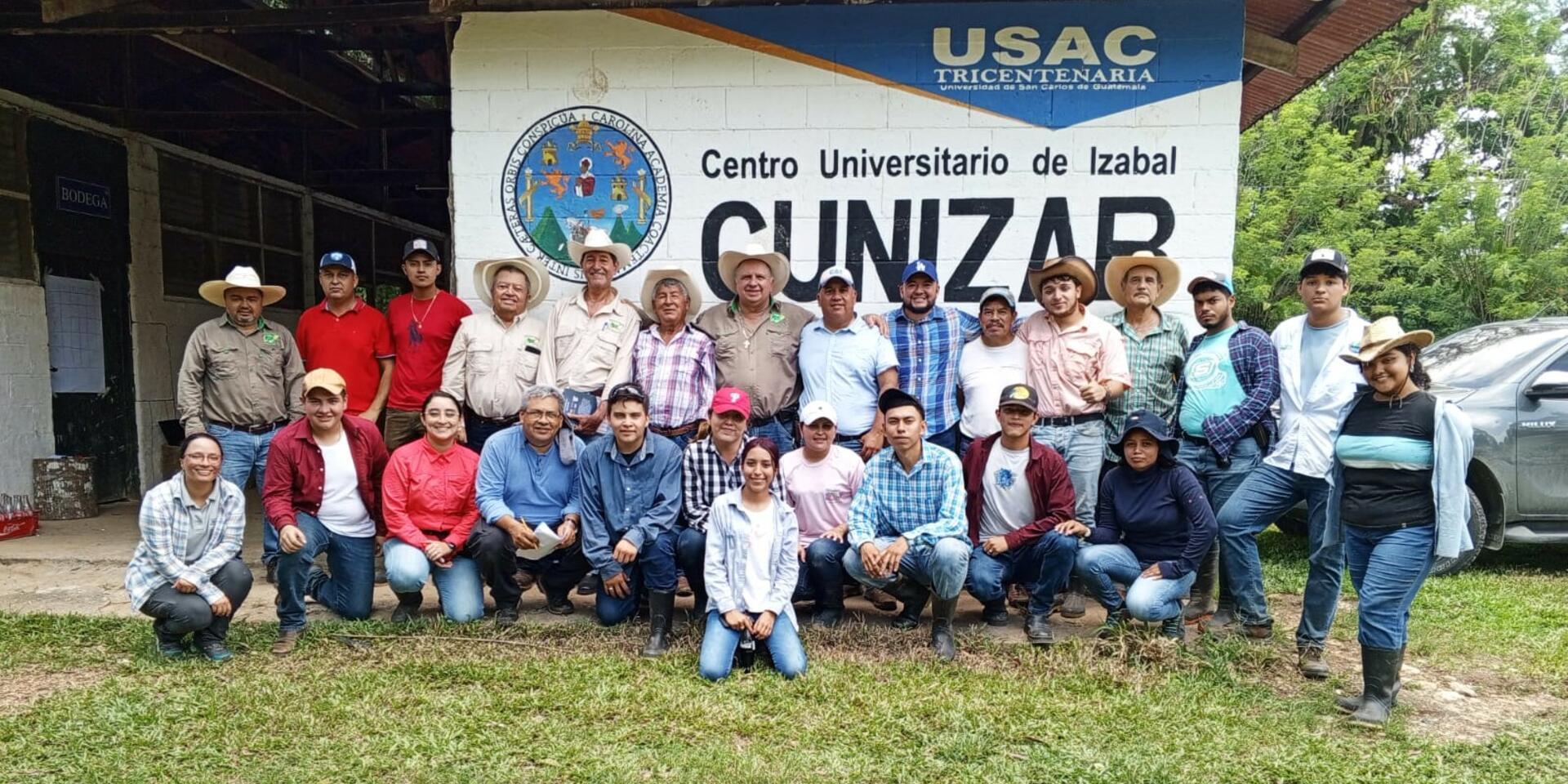
A notable success story is in the department of Izabal, where the livestock association appointed members to participate in climate monitoring and evaluation programs in the Local Technical Agroclimatic Committees (MTA). Members not only interpret seasonal climate forecasts, but also generate specific recommendations for the livestock sector in collaboration with entities such as the Guatemalan Ministry of Agriculture, Livestock and Food. This allows them to understand how the weather affects their production and what actions to take to minimize losses.
The work to provide more robust tools to livestock farmers in Guatemala is proving to be fundamental to their sustainable development and their ability to cope with climate challenges. Through a combination of tailored financial services, access to climate information and technical training, the livestock sector is moving towards greater resilience and prosperity in a changing climate.