Press and News What happens when farmers design finance? Lessons from the ShambaShield playbook
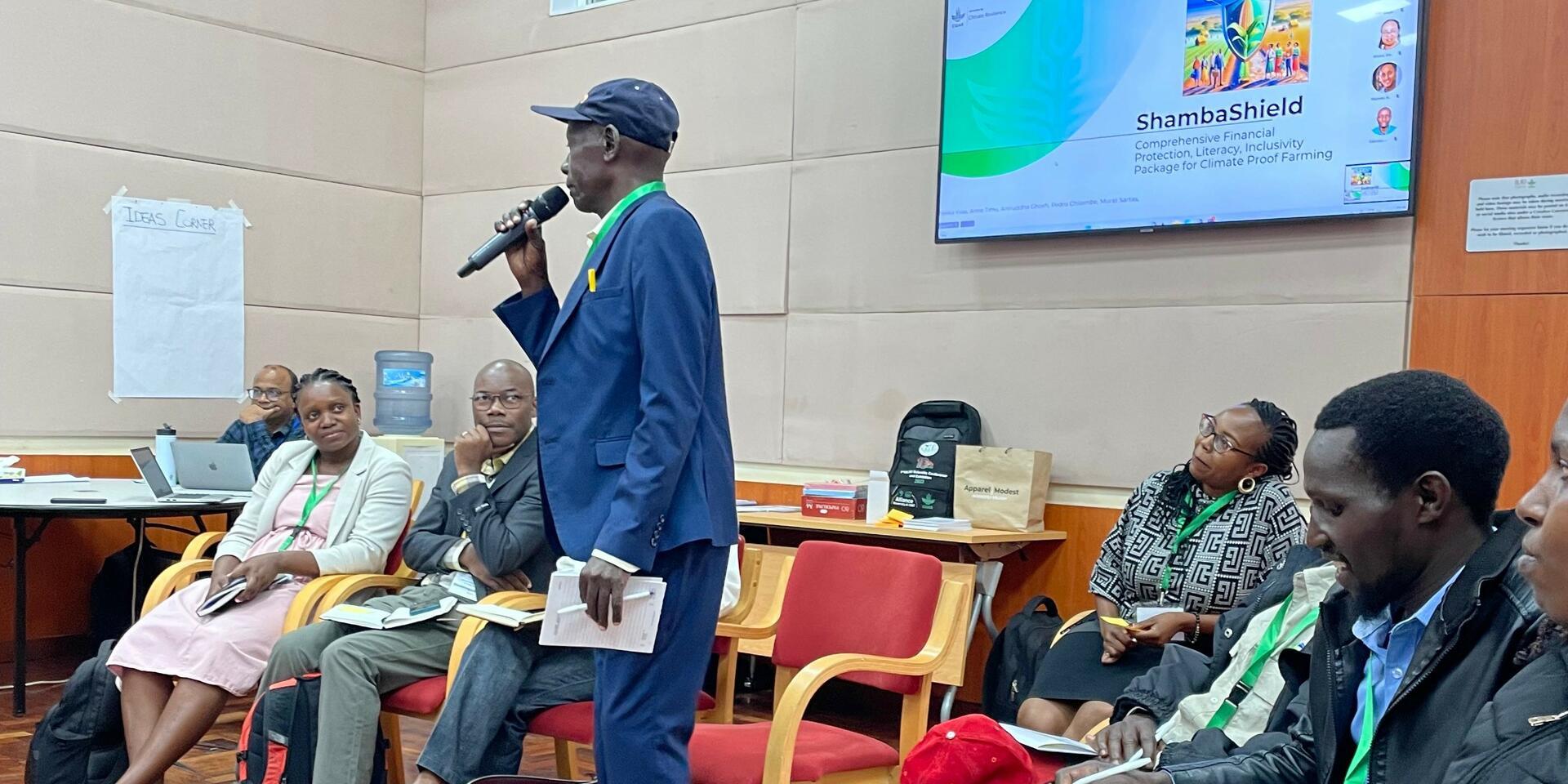

The ShambaShield Playbook charts a new path for climate finance in Kenya, showing how farmer-driven design can make financial tools more inclusive, practical, and resilient for smallholders facing a changing climate.
What if the future of farm finance wasn’t about rolling out more products, but about listening more closely? Across rural landscapes, smallholders encounter financial services that feel distant, with their tools designed elsewhere, delivered quickly, and rarely adapted when they fail to take root. Yet behind every farmer’s decision to take a loan, buy insurance, or follow advice lies a careful story of risk, resilience, and calculation.
The ShambaShield Playbook, developed by the Alliance of Bioversity and CIAT together with CGIAR partners in Kenya, takes this reality as its starting point. It is not a market-ready product, but a conceptual roadmap that is a synthesis of field lessons, behavioral insights, and design thinking. Its guiding principle is simple: design with farmers, and not for them. That spirit of co-creation runs through every tool, template, and case insight in the Playbook.
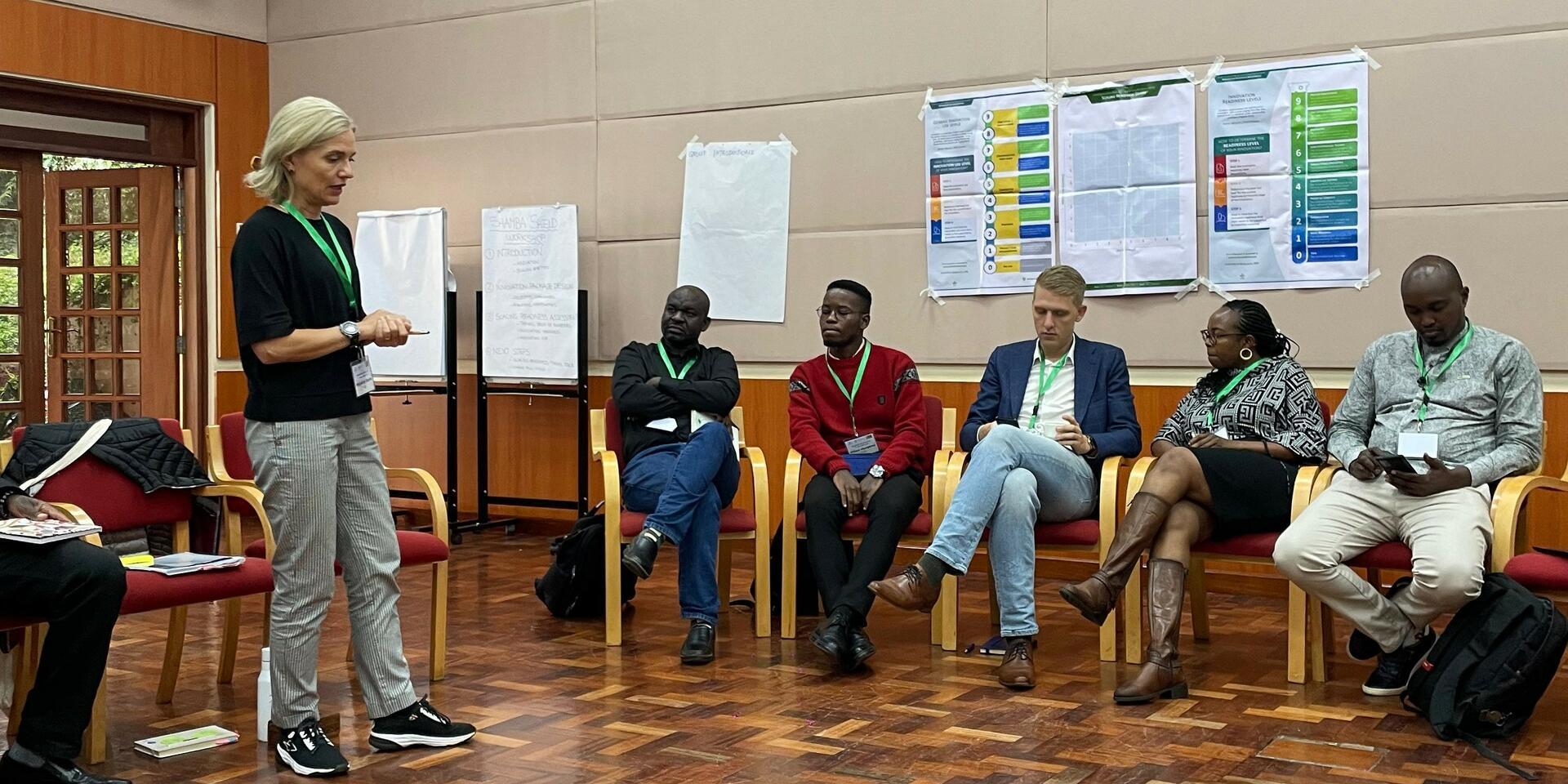
Understanding the wider ecosystem is key since finance doesn’t flow in isolation but moves through a web of farmers, loan officers, cooperatives, and insurers, each carrying their own constraints and motivations. Farmers balance household needs against new risks, cooperatives act as trusted bridges, and youth or women often face steeper barriers, from lack of collateral to limited access to digital platforms. The Playbook brings these perspectives into focus, reminding us that bundled services can only succeed if they account for these interdependencies.
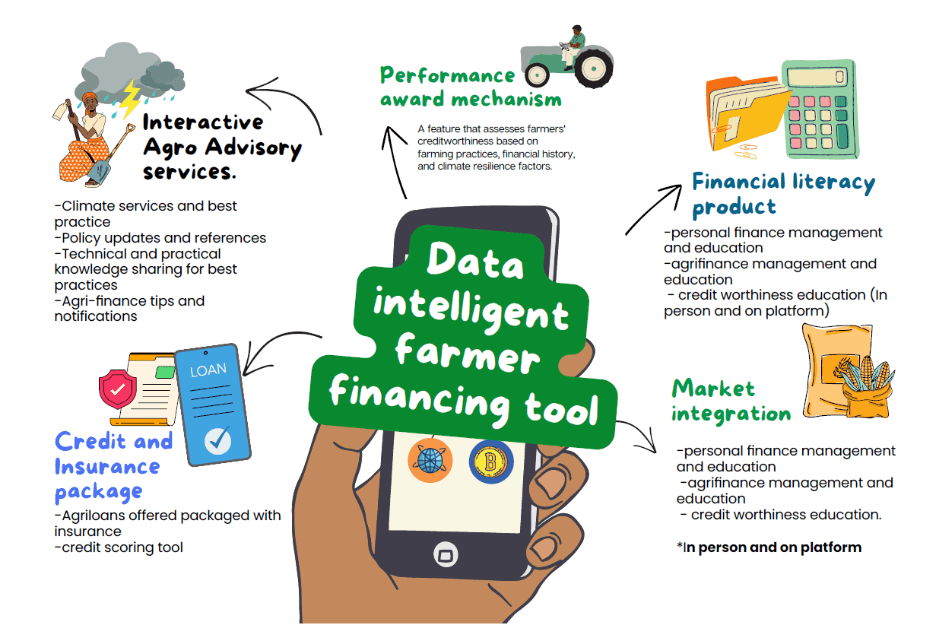
Some of its most intriguing features are the visual tools it provides. The Adoption Journey Map, for example, illustrates how farmers shift from awareness to loyalty, highlighting that uptake is never automatic. First impressions, peer influence, and gradual trust-building often matter more than the product itself. Equally thought-provoking is a prototype concept map that imagines a financing tool where credit is woven together with insurance, climate advisories, financial literacy, and even performance incentives. It’s a glimpse of how resilience could emerge not from a single service, but from integration.
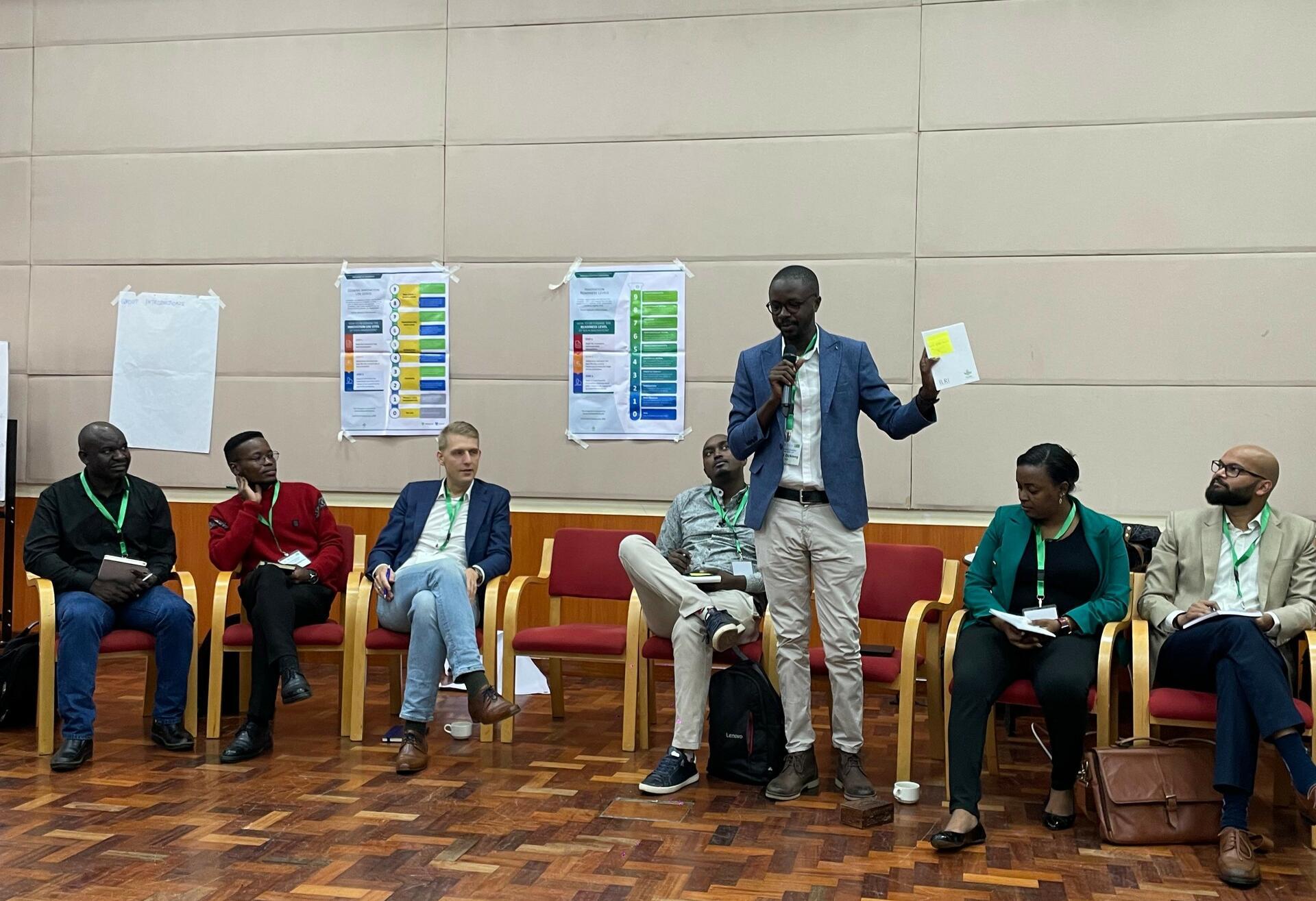
The Playbook’s recommendations distill lessons from interviews, workshops, and field tests: co-create with farmers from the outset, bundle services with purpose, design for trust and inclusion, and commit to testing and iteration.
The Playbook is an invitation to explore, to adapt, and to reimagine how finance can build resilience when farmers are placed at the center.