Research Articles What five grams of durum wheat seed can become
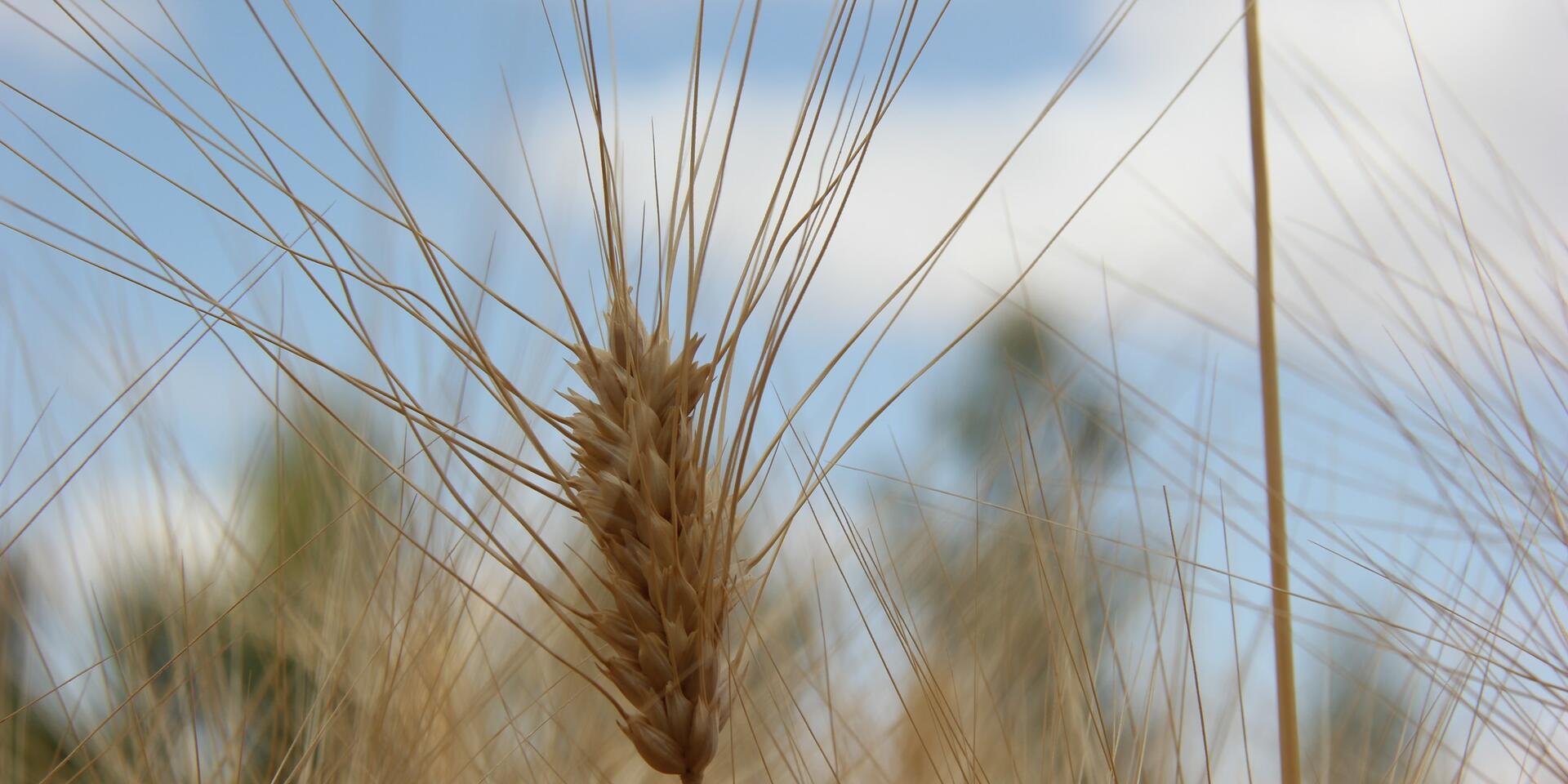

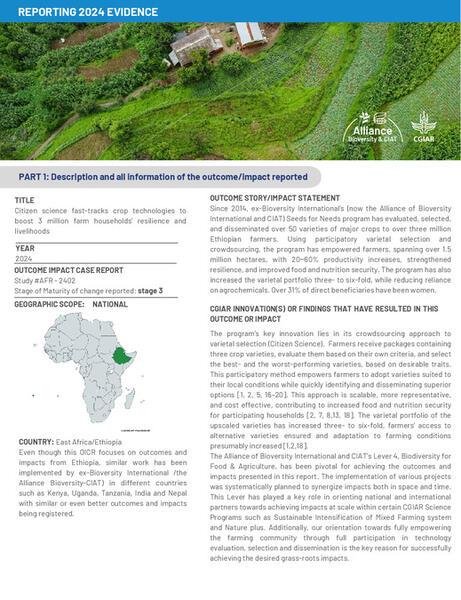
In 2014, the beginning fit in the palm of a hand. Five grams of durum wheat seed, the weight of a few paperclips, poured into a small packet after a visit to the Ethiopian Biodiversity Institute genebank. Starting from five grams poses a multiplication problem. Seed has to become more seed before it can become bread. That meant seasons of restraint, the kind that isn’t romantic when the hungry months arrive and the grain store starts to echo.
For up to five years, many of the farmers who joined the Seeds for Needs initiative held back what they could have eaten. They planted and harvested, and then planted again, building seed stocks slowly, carefully, season by season, until there was enough to share, and only later enough to taste.
It is easy to praise patience from a comfortable distance. It is different to practice it when school fees are due, when rain comes late, when the price of fertilizer rises again. That is why the heart of this story is not the seed. It is the people who refused to treat seed as a short-term transaction.
The farmer who became a researcher
A farmer opens a small package and finds not one variety, but three. No glossy brochure. No promise that one is “the best.” Just three names, three sets of grains, and a simple task: plant them, observe them, judge them.
This is TRICOT, the triadic comparisons of technologies approach that powered Seeds for Needs. Farmers receive three varieties, grow them under their own conditions, and rank them using their own criteria. Heat tolerance, drought resistance, taste, storability, the way a stalk stands after wind, the way a grain fills when the rains are uneven.
If you have spent time around research stations, you know how carefully they control variables. Same soil preparation, same dates, same irrigation schedules, neat plots measured with tape. Useful, but limited. Ethiopia’s landscapes do not behave like a single research station. Altitude shifts quickly. Microclimates sit side by side. One hillside catches fog while the next one bakes.
So the trials scattered themselves across thousands of micro-experiments, planted by thousands of hands; became something no single team could have manufactured. When farmers are treated as evaluators, something subtle happens. People lean in. They pay attention differently. They argue respectfully about what matters most.
Seed moves by trust, not trucks
The program did not scale because we found a magical variety and pushed it across the country. It scaled the way good seed often does: through relationships. By 2024, around 17,000 direct beneficiary farmers had accessed seeds across more than nine crop types and 179 varieties, and over 31 percent of those direct beneficiaries were women. These farmers did not keep the seed story to themselves. They grew seed on about 2,899 hectares and produced over 11,349 tons of seed, enough to feed families and, crucially, to share.
Community seed banks added another layer of security, the kind that matters most when shocks hit. In places like Tigray, Amhara, and Oromia, farmers asked for community seed banks, and several were established to keep diverse local varieties circulating, especially when crises threaten the usual channels. In a drought year or a year of conflict, seed access can mean the difference between recovery and collapse. A seed bank is not just a storage room. It is a promise that a community can start again.
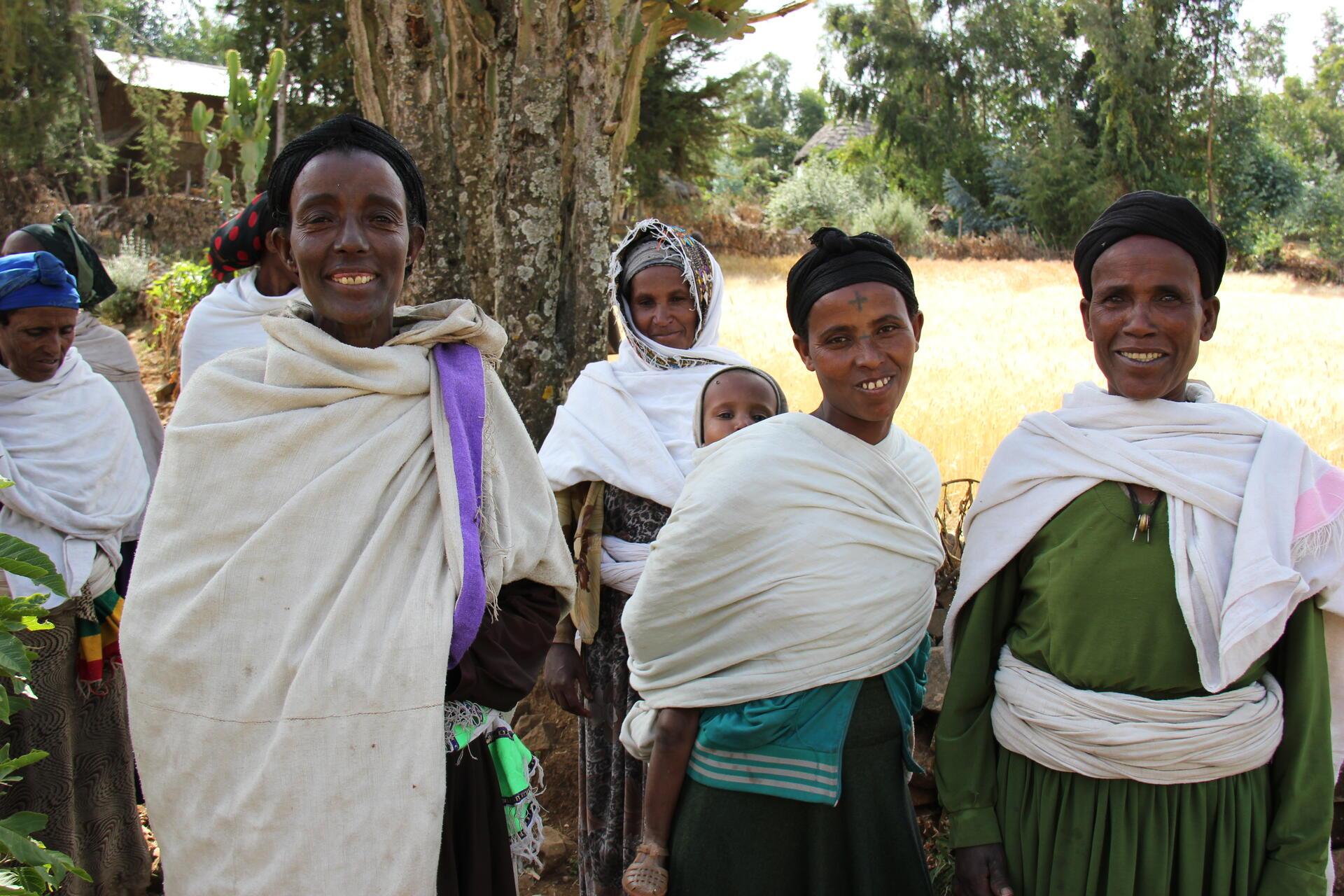
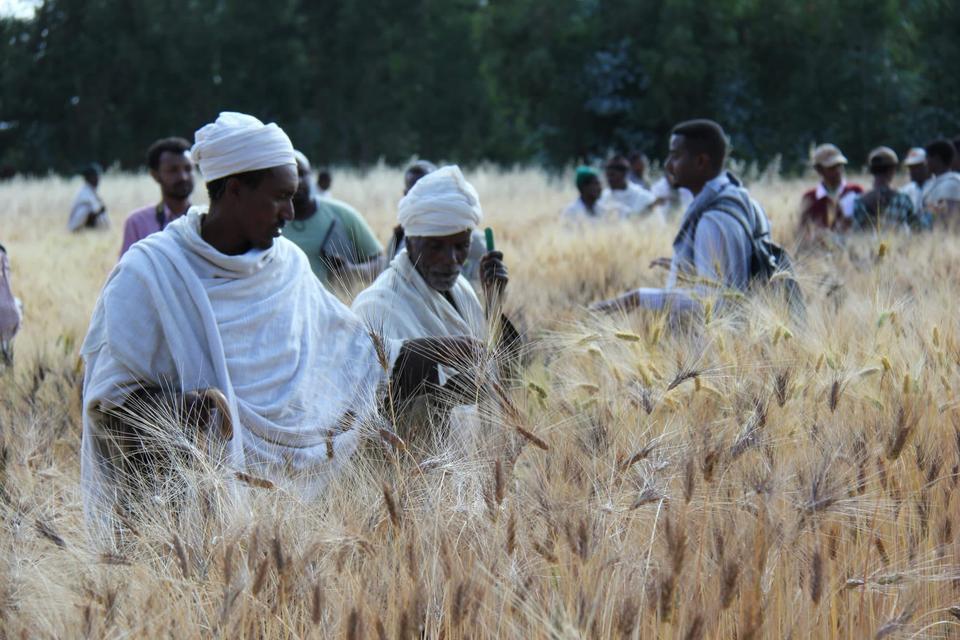
Farmers from around the region came to learn about the durum wheat diversity trials, Amhara Region. Photo: Bioversity
When the numbers finally caught up to the hope
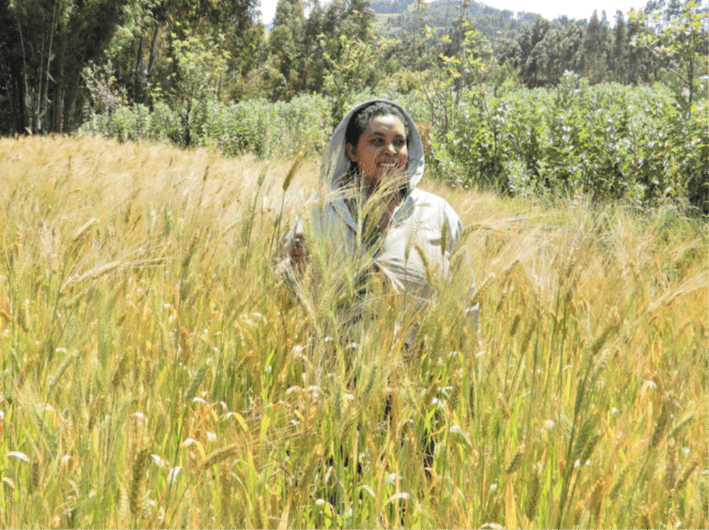
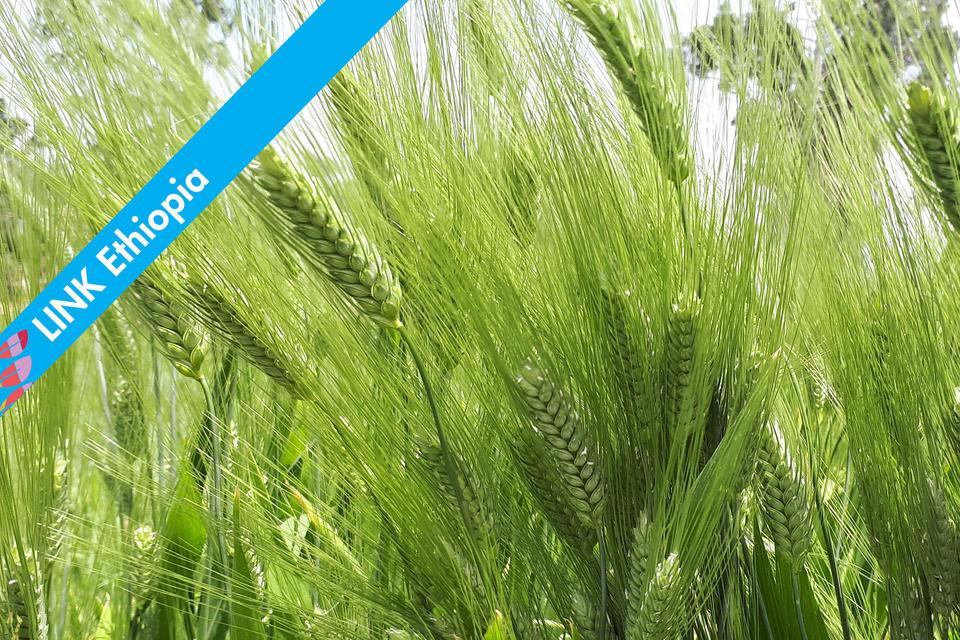
Durum wheat variety performance of female farmer farm. Photo: BI/ DK Mengistu
Ten years after those five grams, the scale became hard to picture. By 2024, roughly 3 million farmers across Ethiopia had cultivated Seeds for Needs varieties on about 1.5 million hectares, producing around 4.5 million tons of cereals and pulses annually. That production is estimated to account for about a third of Ethiopia’s national production of those crops, a share that would have sounded like exaggeration back in the first seasons of careful multiplication.
The improvements were not only about quantity. Reported productivity increases ranged from 20 to 60 percent, depending on crop and context, and reliance on agrochemicals fell by roughly 50 to 75 percent. For a farmer, that reduction is not an abstract environmental win. It is fewer costly inputs, less exposure to chemicals, and often a calmer relationship with the land.
There are other details that don’t fit easily into headlines but matter in kitchens. Many farmer varieties, the so-called landraces, carry nutritional qualities that modern breeding sometimes sidelines. The initiative notes higher levels of essential micronutrients and polyphenol compounds in some traditional varieties compared with improved ones, supporting better nutrition for households who depend heavily on what they grow.
When farmers told us the waiting was worth it, they rarely spoke in the language of “resilience.” They spoke about not running out before the next harvest. About children staying in school. About having surplus to sell without gambling everything on expensive inputs. About a field that holds steady when rains do not.
When policy listens
One of the most surprising turns in the story happened far from the fields: Ethiopia revised its seed policy in a way that recognized farmer varieties for registration and cultivation when they meet certain criteria, a shift influenced by the demonstrated performance of these local varieties. Three durum wheat varieties selected and purified from farmer varieties were officially registered for commercial production: Rigeat, meaning stable; Wehabit, meaning productive; and Melfa, named after the village where it was acquired.
If you work in agricultural development, you know how rarely this happens. A genebank sample becomes a nationally recognized variety. A farmer’s judgement becomes part of the formal system. The boundary between “informal” and “official” softens, just enough to let diversity breathe.
What five grams really measured
Looking back, the five grams were never the most important measure. The real measure was the willingness of farmers to act as custodians before they were beneficiaries, and the willingness of researchers to share authority before they could claim results. Seeds for Needs worked because it treated farmers not as end users of science, but as co-authors of it.
Ten years is a long time in a funding cycle. It is a very long time in a hungry season. Yet this story insists on a stubborn truth: some of the most powerful agricultural changes are not “rolled out.” They are grown, multiplied, argued over, selected, purified, shared, and protected by communities who can’t afford for innovation to be fragile. Five grams turned into harvests across 4.5 million tons, yes. Patience was the design.