Blog Driving climate-smart horticulture: Empowering Ethiopia’s small-scale producers through collaboration
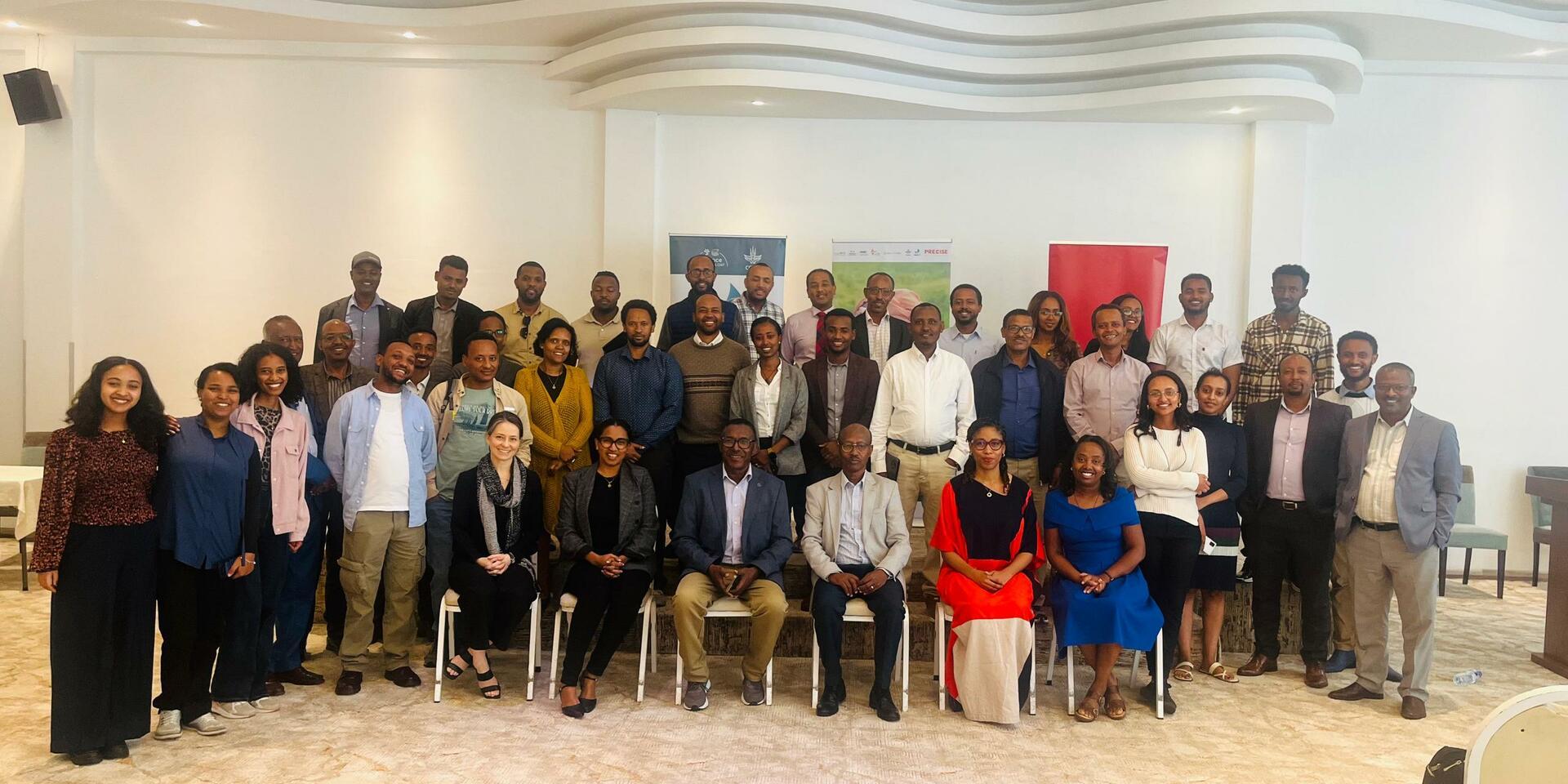

The Accelerating Climate-Smart Horticulture in Ethiopia initiative (ACT-H) gathered stakeholders to support smallholder farmers facing climate risks. Through collaborative workshops, policymakers, financial institutions, researchers and private sector actors identified key solutions: financial inclusion, gender-responsive approaches, improved irrigation, diversified value chains and climate-informed insurance. Integrating climate data into lending models, ACT-H promotes innovative partnerships, strengthened market access and inclusive financial strategies. The initiative will scale climate-smart agriculture, empowering Ethiopian smallholder producers, particularly women and vulnerable communities.
How can small-scale horticultural producers in Ethiopia cope with the increasing impacts of climate change?
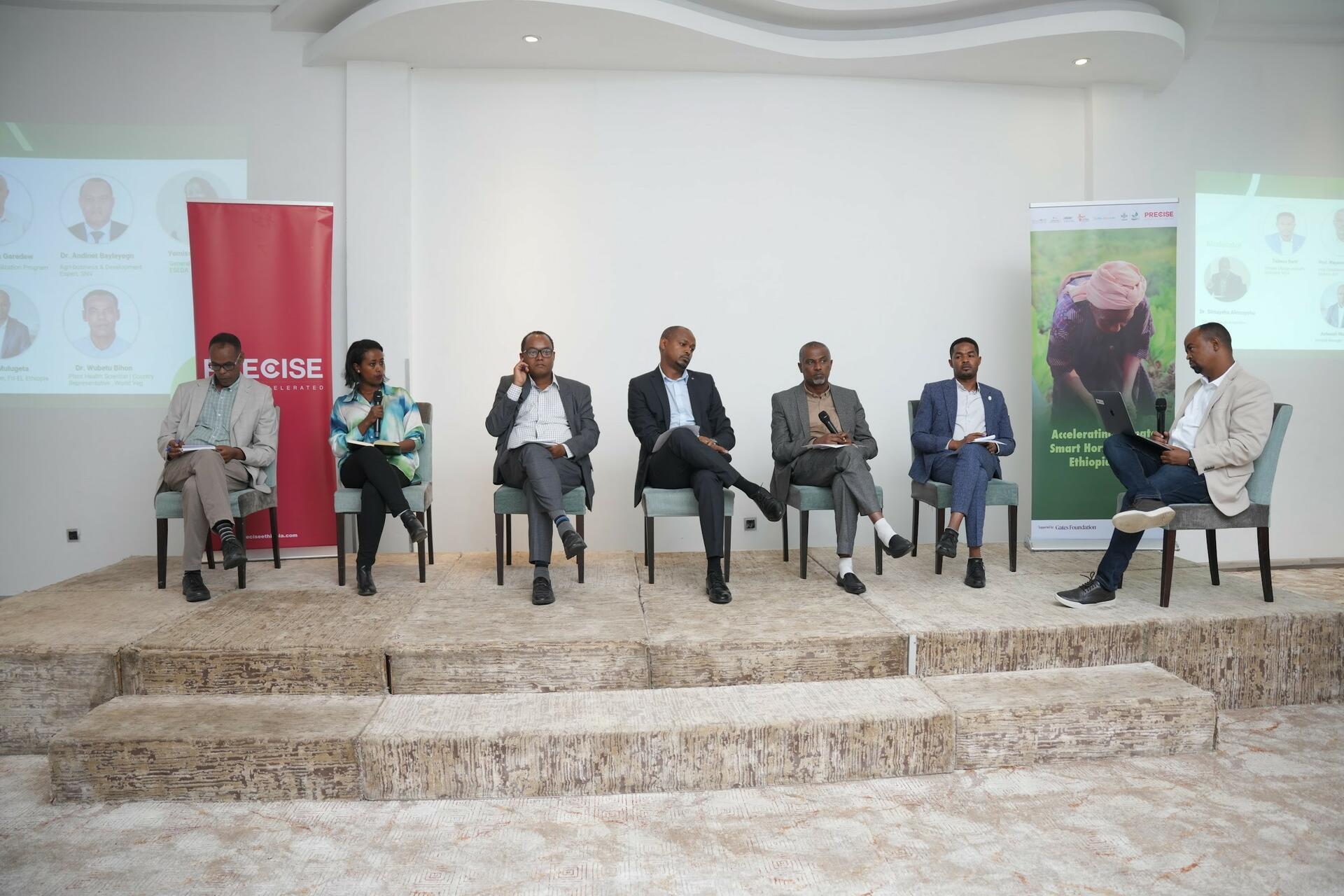
To address this critical question, the ACT-H initiative brought together a diverse range of stakeholders – policymakers, researchers, financial institutions, and private sector actors. Their shared goal? To design and implement solutions that enhance the resilience of horticultural farms, drive innovation and foster long-term partnerships, while prioritizing the most vulnerable populations - particularly women and economically disadvantaged communities. At the heart of this effort, the ACT-H Knowledge Sharing and Co-Design Workshops highlighted three key drivers to support smallholder farmers:
- Climate adaptation strategies to improve productivity and strengthen resilience to weather shocks,
- Strong market connections to ensure access to stable buyers and key value chain actors, and
- Enhanced financial inclusion to enable long-term investments in sustainable farming practices.
By co-developing a unified four-year approach, the ACT-H initiative is equipping its partners and stakeholders with the tools to unlock new market opportunities and ensure the long-term sustainability of horticultural production in the face of climate challenges.
Collaborating to drive innovation
Stakeholders first participated in a dynamic knowledge-sharing session to foster a collaborative platform where key players could align their efforts. The workshop identified critical challenges and emerging opportunities, emphasizing the need for strategic partnerships with corporations, banks and civil society to drive sustainable change.
The session explored cluster-based production models to improve efficiency and scale, alongside gender-responsive strategies to ensure that women farmers benefit equitably from climate-smart interventions.
Building on these insights, the co-design session focused on translating ideas into action, shaping a framework for ACT-H’s implementation. Priorities included bundled financial solutions—insurance, credit facilities and climate-informed lending—to mitigate financial risks for smallholders. Stakeholders also explored value chain diversification, expanding beyond avocado to include bananas, tomatoes and onions, while strengthening cold-chain infrastructure to stabilize pricing and support exports.
To improve climate resilience, participants highlighted irrigation solutions including solar-powered innovations and water management systems. Strengthening farmer aggregation models was another key focus, fostering stronger farmer-buyer connections and ensuring long-term sustainability.

The role of local financial institutions
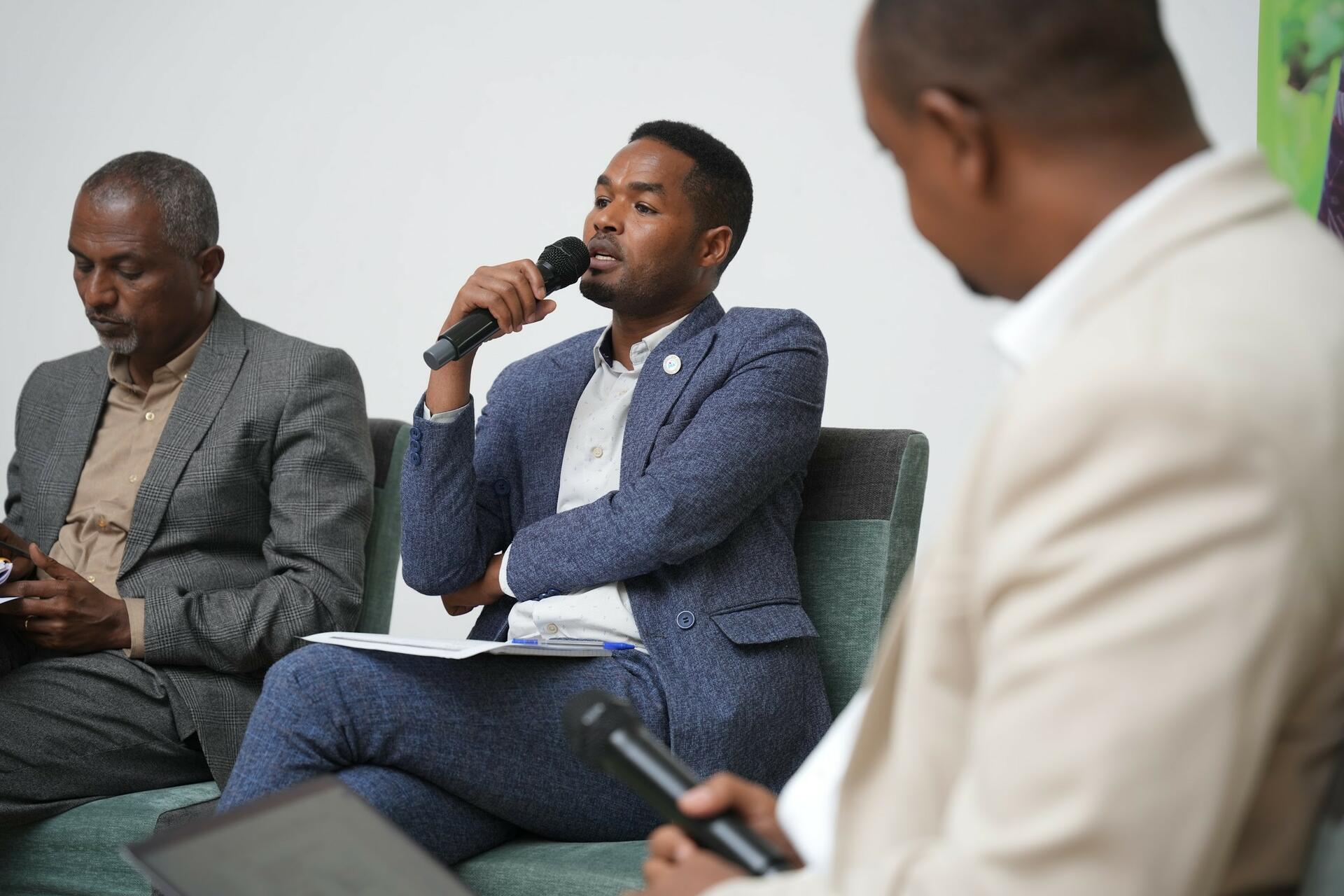
A major focus of the workshop was addressing access to finance—a critical barrier for smallholder farmers. While banks offer larger loans using 'Second Level Land Certificates' as collateral, microfinance institutions rely on joint liability models, often limiting farmers' access to sufficient credit.
A key challenge identified was that climate risk is not factored into loan pricing models. Despite increasing climate threats, agricultural insurance remains largely absent from credit products due to cost concerns. However, index-based insurance solutions - such as Area Yield Index Insurance - have enrolled over 400,000 farmers across Ethiopia’s key agricultural regions.
"Ethiopia’s lending sector has a supply shortage pushing financial institutions to prioritize profitable businesses unless they are mission driven to serve smallholder farmers. Even with this mission, the Coop still finds it difficult to roll out loans to farmers." – Misgana Degefa, Cooperative Bank of Oromia
CGIAR knowledge supporting ACT-H
As a key partner in the ACT-H initiative, the CGIAR ImpactSF will support financial institutions in expanding climate-smart lending by:
- Leveraging climate data analytics through the ImpactSF Analyzer to help financial intermediaries assess risks,
- Co-developing gender-responsive financial products focused on irrigation and horticulture,
- Integrating de-risking mechanisms into loan structures, reducing financial barriers for farmers and agri-SMEs, and
- Designing tailored loan products that incorporate incentives and risk-mitigation strategies.
By embedding climate-conscious financial solutions into the ACT-H initiative, ImpactSF is helping scale access to capital for small-scale farmers and agri-SMEs, ensuring long-term financial sustainability.
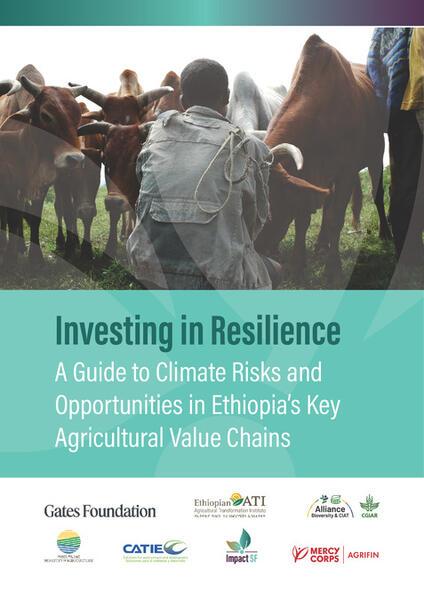
To further complement ACT-H’s efforts, ImpactSF showcased the ‘Investing in Resilience’ report co-developed with ATI and key Ethiopian stakeholders in the CLIM-ARM project, offering actionable strategies for mitigating climate risks in Ethiopia’s key agricultural value chains. The report provides science-based investment blueprints, guiding policymakers, investors, and farmers toward sustainable agricultural transformation and informed decision-making.
Scaling impact beyond the workshop
ACT-H marks the beginning of a collaborative effort to strengthen climate resilience in Ethiopia’s horticulture sector. Key takeaways from the workshop will guide the next phase of ACT-H’s implementation, ensuring:
- Stronger climate-smart practices for small-scale horticulture producers,
- Improved access to markets and finance, particularly for women and vulnerable farmers, and
- Broader partnerships that drive impactful interventions at scale.
Partners: Precise, ATI, IWMI, Alliance, CInI, and Global SDG 7 Hubs, Gates Foundation
Keep exploring