Blog Connecting science to society through art: Lessons from Wangari Maathai
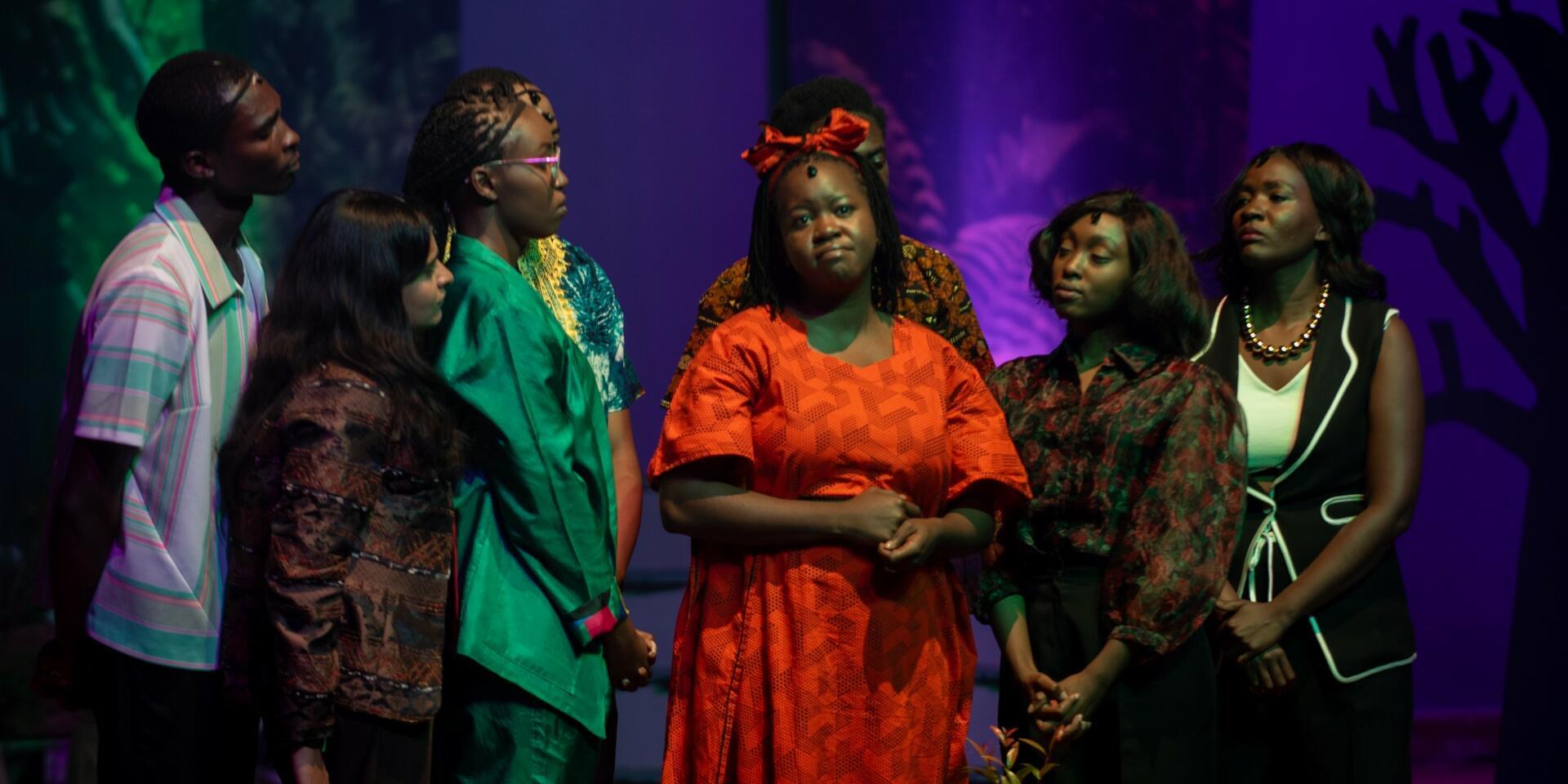

In Nairobi, the Alliance of Bioversity International and CIAT and Too Early For Birds used theatre to share Wangari Maathai’s legacy, connecting science to society and inspiring action on conservation and food systems.
Restore landscapes with farmers.
The world is pledging to restore forest landscapes - but empowered farmers and local communities should be centric to that. MyFarmTrees gives smallholder farmers the science, the tools, and the resources to plant the right native trees, and the blockchain technology to prove every single one grew.
 Donate now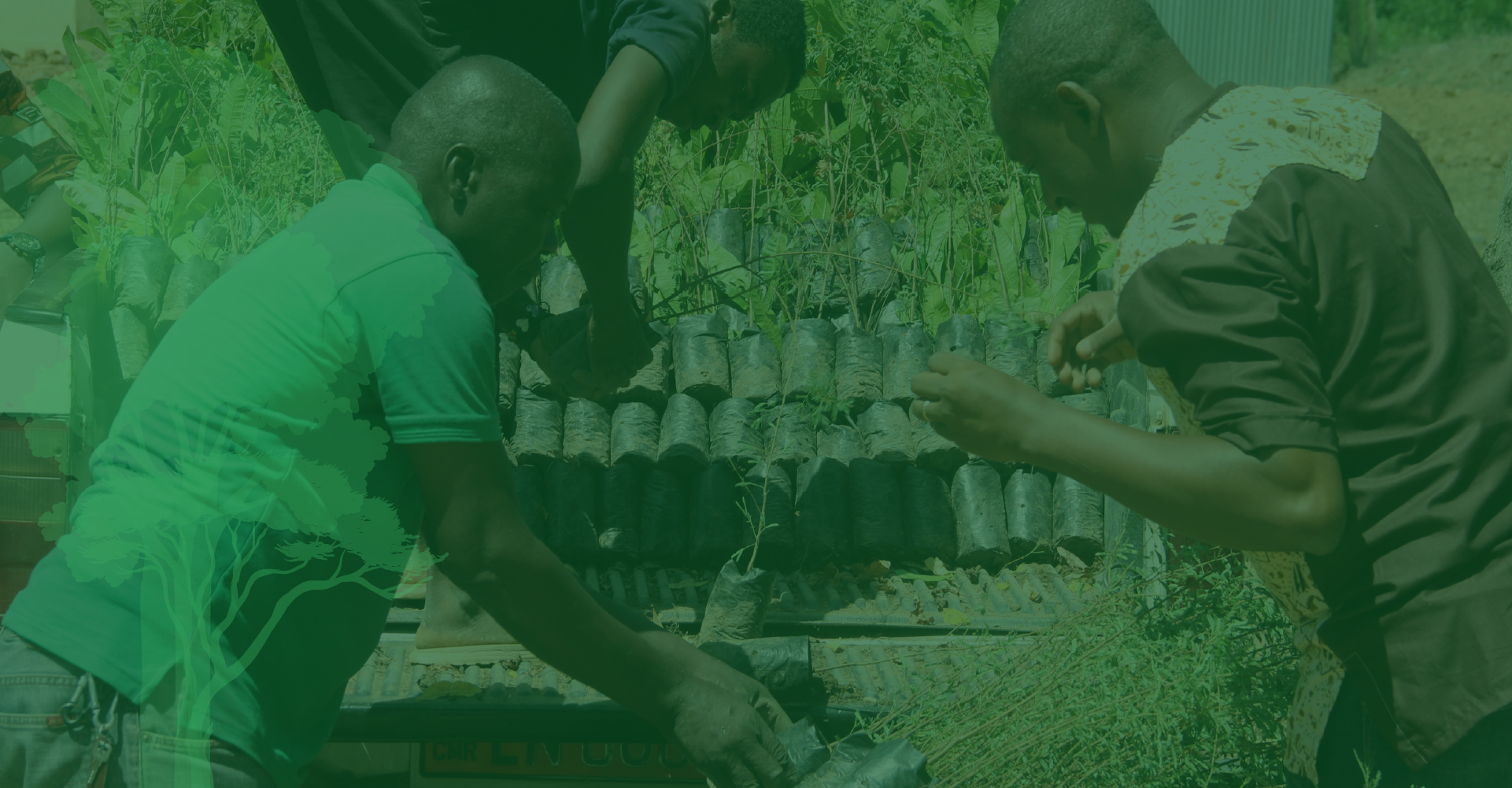
Science and art are increasingly evolving from separate disciplines into powerful collaborators. In current times, science is no longer confined to data and theory, it is being translated into human stories, emotions, and lived experiences. Education, information, inspiration, memory, and even the future of science are now expressed through film, theatre, music, poetry, and other creative forms. In doing so, science becomes not only informative, but also accessible, memorable, and deeply engaging. It resonates with audiences in ways that facts alone often cannot. At the center of this intersection stands the enduring legacy of Wangari Maathai — a matriarch of science in Africa, for Africa and the world; a scientist, environmentalist, and movement builder whose story will continue to inspire generations.
The matriarch of science
Prof. Wangari Maathai (1940–2011) was a Kenyan environmentalist, scientist, and the first African woman to receive the Nobel Peace Prize (2004). Trained in biological sciences, she broke barriers as one of the first women in East and Central Africa to earn a PhD and later became a professor at the University of Nairobi. She founded the Green Belt Movement in 1977, mobilizing rural women to plant millions of trees, restoring degraded landscapes while creating income and agency for communities.
Beyond titles and achievements, she was a true matriarch of science in Africa and beyond. She redefined science as a powerful tool for community transformation, positioning it as a bridge connecting the environment, livelihoods, and justice. Her work demonstrated that conserving the environment is not just about protecting nature, but about sustaining water systems, improving soil health, strengthening food systems, and building resilience.
When storytelling becomes science communication
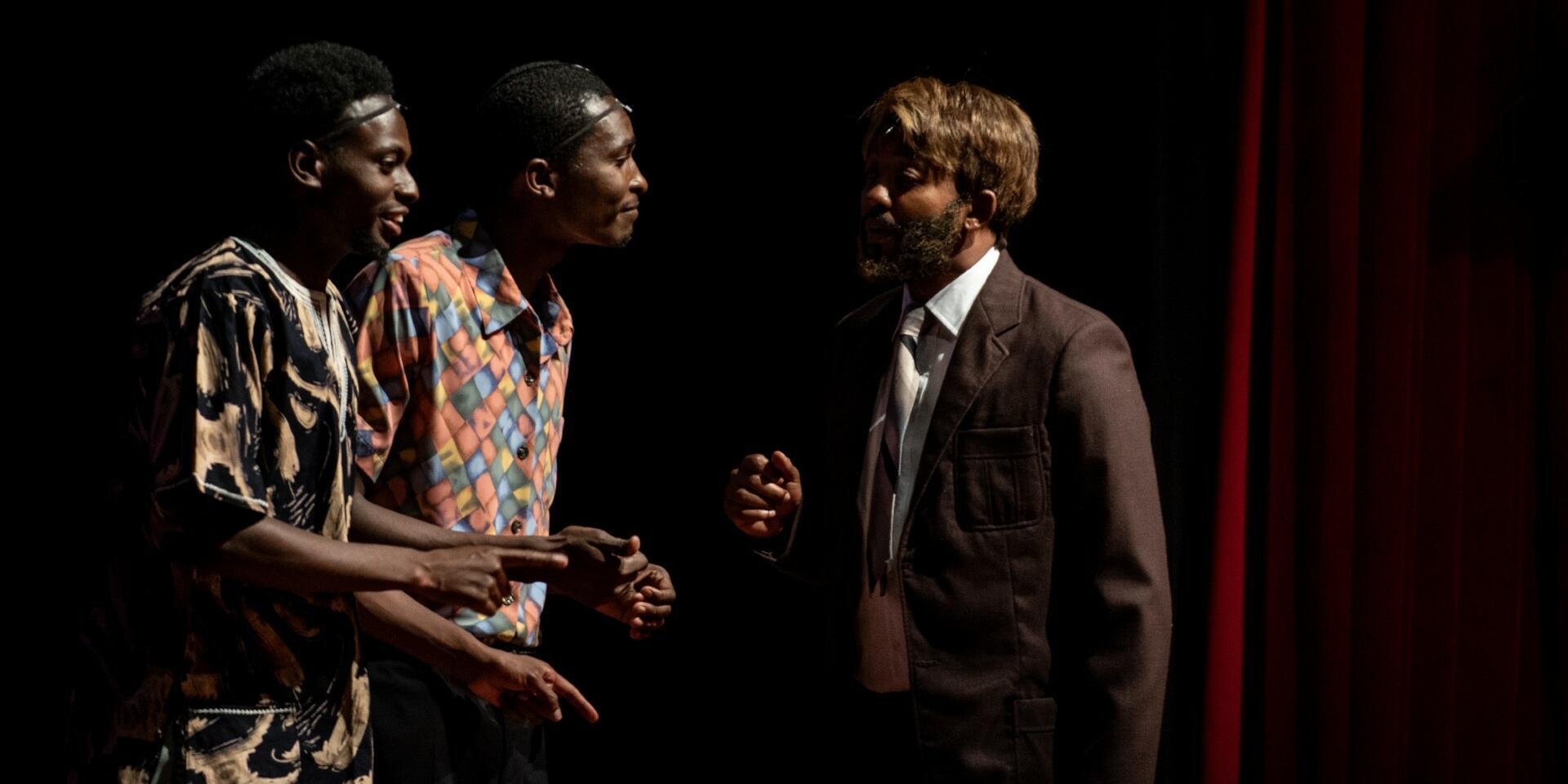
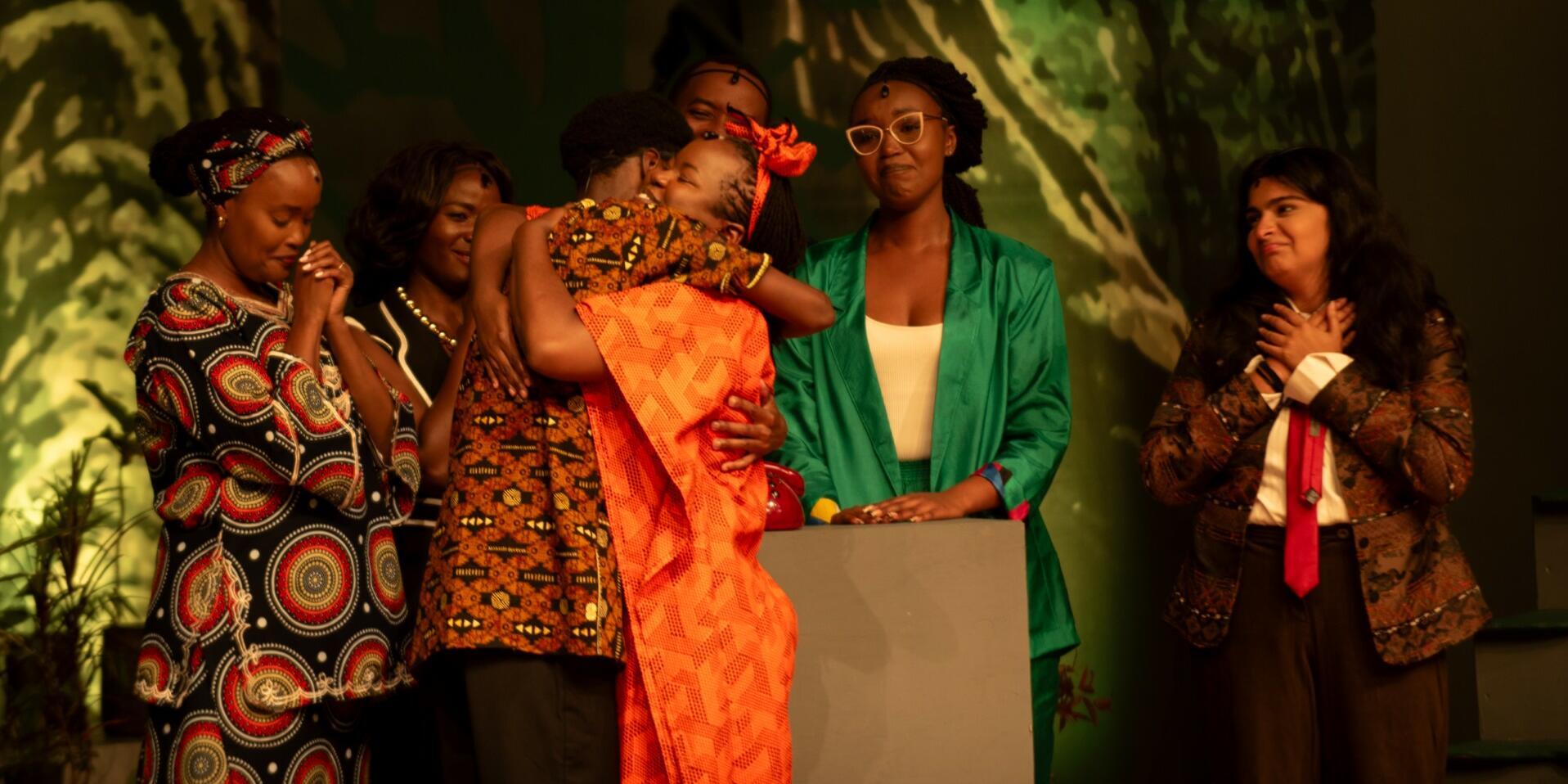
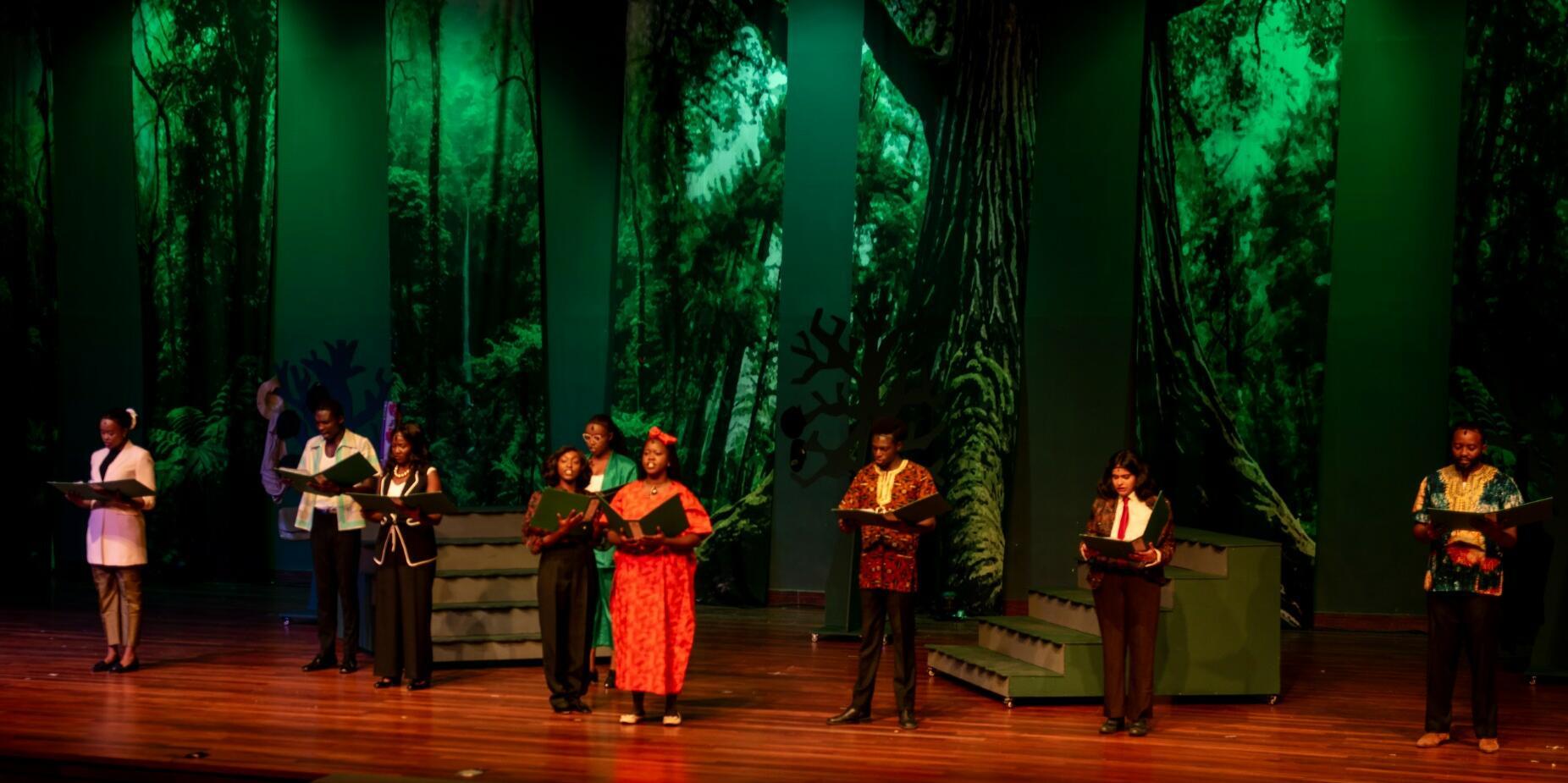
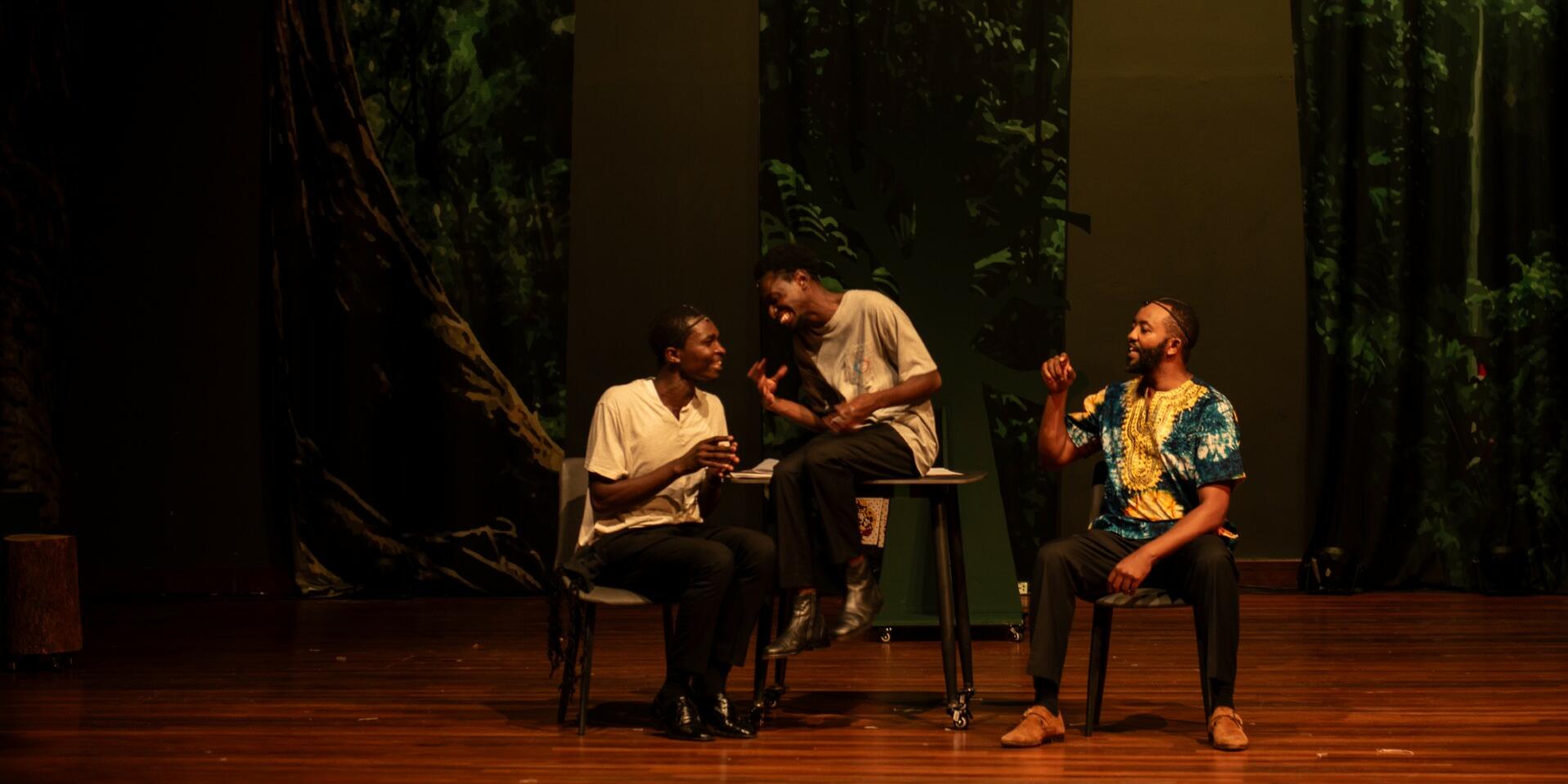
That legacy is now being reimagined in an unexpected yet deeply impactful way through theatre. In partnership with the Alliance of Bioversity International and CIAT, the acclaimed Kenyan storytelling collective Too Early for Birds brought to life the Wangari Maathai Edition, staged at the Jain Bhavan Auditorium in Nairobi. During the event, the Alliance showcased its work on conservation, bringing the field to the people. It was an opportunity not only to show but also to explain initiatives around the conservation of trees, seeds, and food systems-core to its mission.
The Wangari Maathai production refused to let history remain buried in the past. Instead, it brought to life the environmental struggles she fought, the systems she challenged, her commitment to conservation, especially through tree planting and the courage she embodied. What unfolded on stage was not nostalgia, but a living, breathing call to awareness, action, partnerships, and strategic investment in conservation of trees, food systems, the environment, water resources, soils, and the broader ecosystem.
As science continues to evolve, so too must the ways we share it. Bridging science and art is not simply about creativity—it is about connection, relevance, and impact. By bringing science closer to people’s everyday experiences, we create space for deeper understanding, collective responsibility, and meaningful action. In carrying forward the legacy of Wangari Maathai, this fusion of disciplines reminds us that the future of science lies not only in discovery, but in how powerfully we tell its story—and who gets to be part of it. Indeed, Prof. Wangari Maathai did not just plant trees. She planted ideas, resistance, and possibility.