From the Field What makes climate finance bankable?
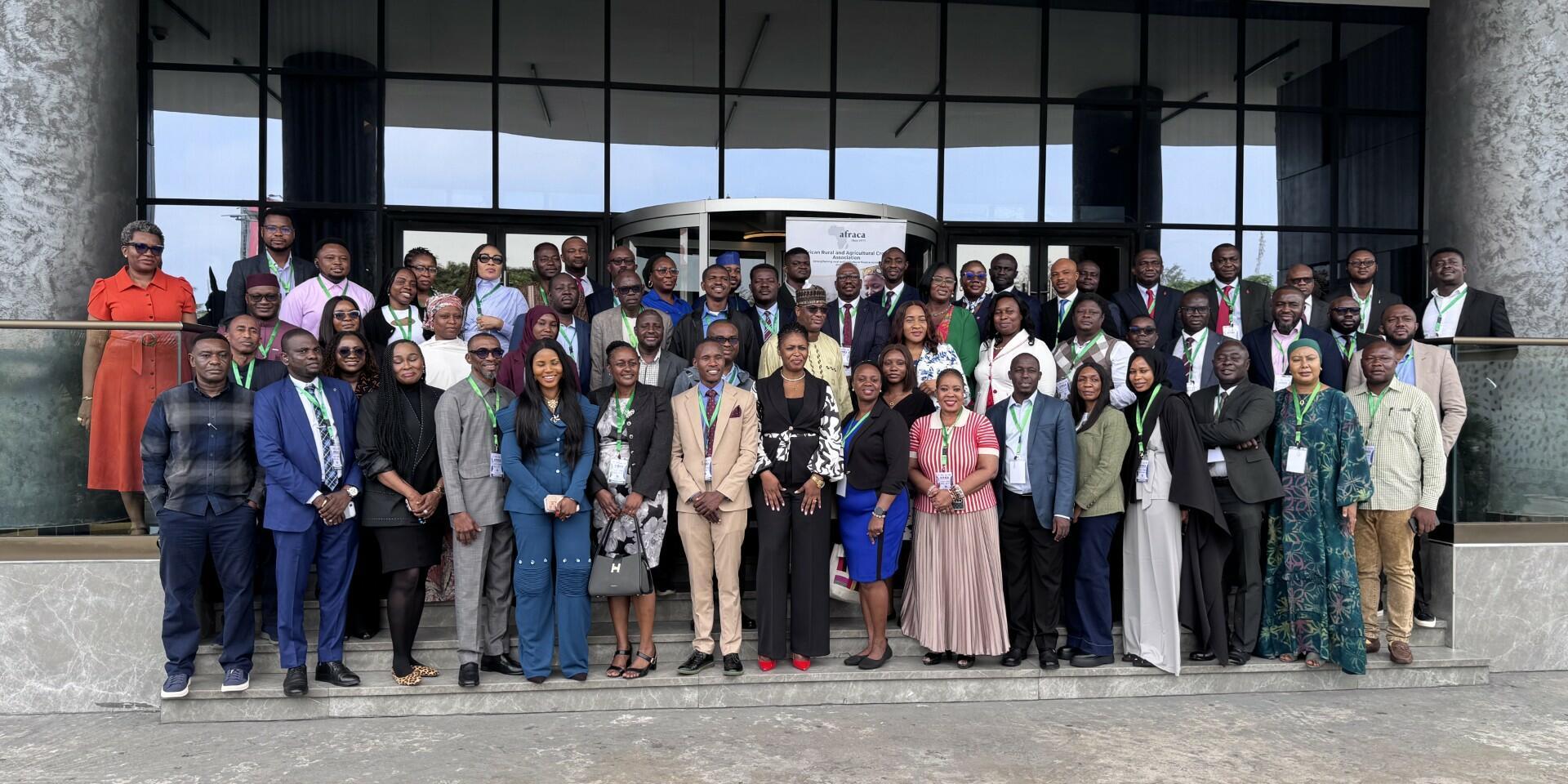

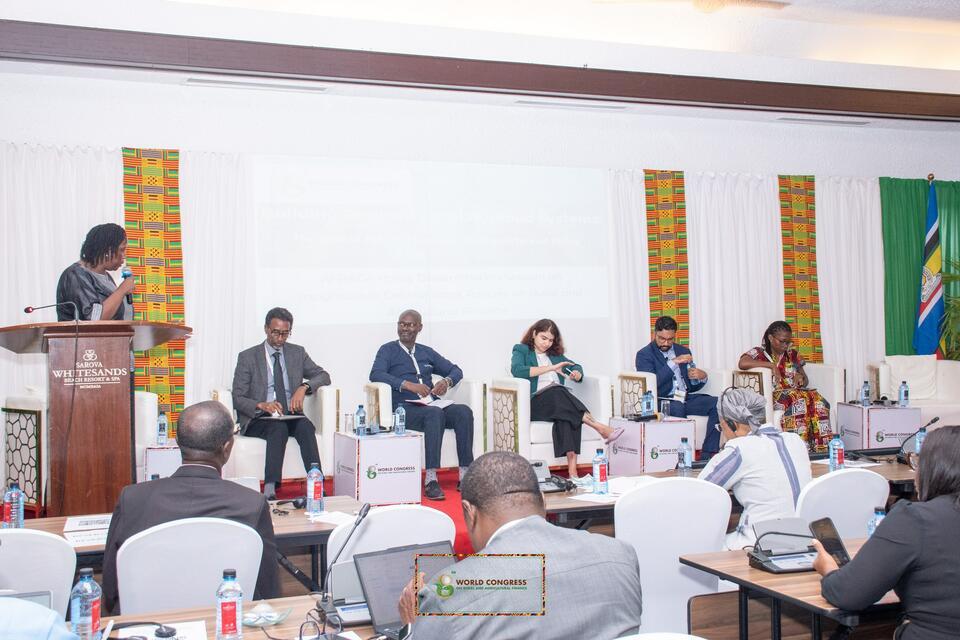
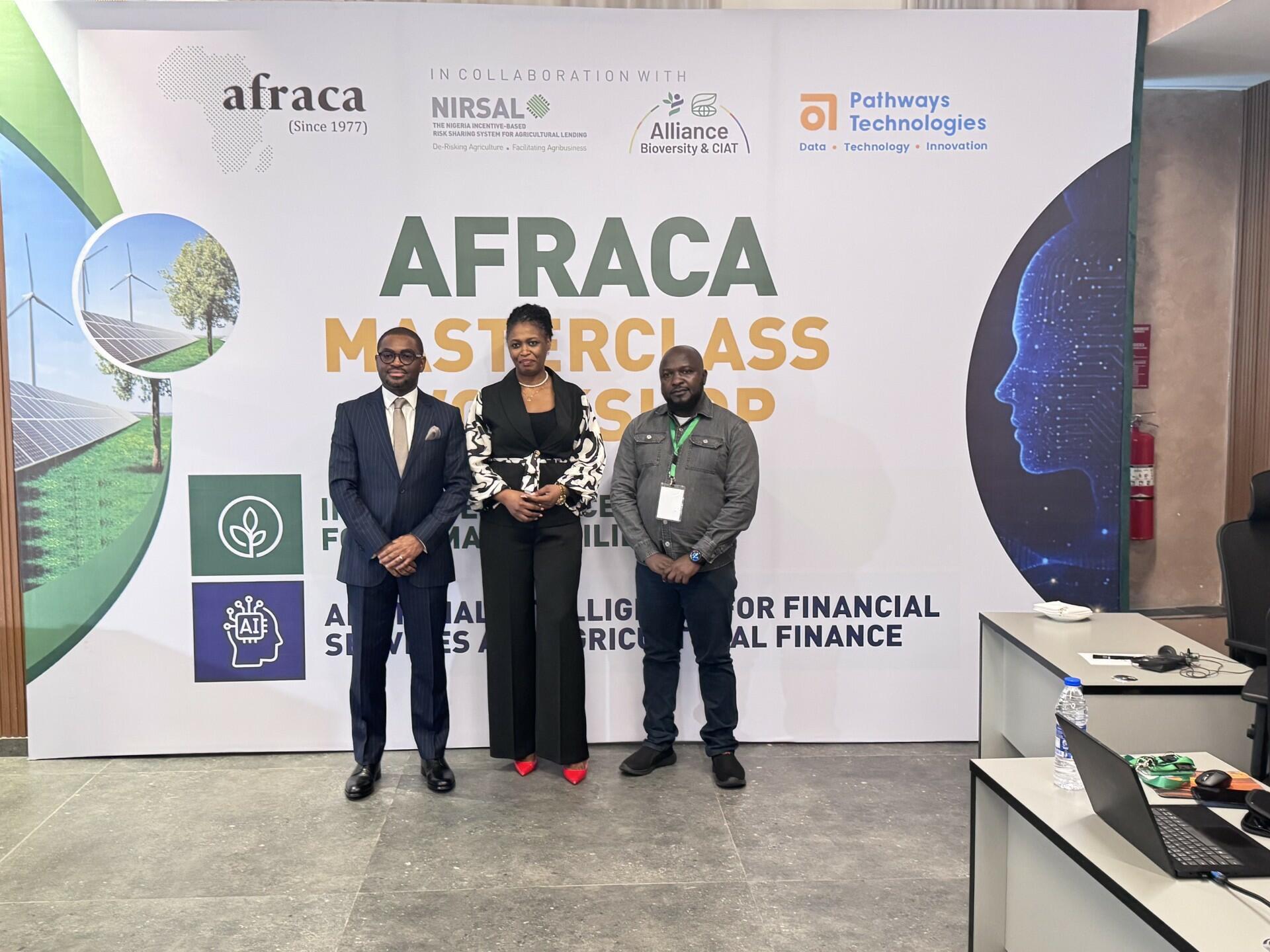
In Lagos (Nigeria), with support from the Alliance, AFRACA convened a masterclass in August 2026 to strengthen financial institutions’ capacity to develop credible, climate-ready financing proposals.
Climate finance can exist, financial institutions can be willing to support climate-resilient agriculture, and farmers and businesses can be facing increasingly serious climate risks, yet those three realities do not automatically produce investment. Between identifying a climate problem and financing a response lies a demanding process of establishing where the risk exists, what it means economically, who or what is exposed, what barriers stand in the way of a response, and whether the proposed solution can deliver measurable results.
This gap came into focus in Lagos, Nigeria, where the African Rural and Agricultural Credit Association (AFRACA), with support from the Alliance, brought together the Nigeria Incentive-Based Risk Sharing System for Agricultural Lending (NIRSAL), commercial banks, regulators, development finance institutions, insurance, agricultural research representatives and other partners. Their discussions pointed to a challenge that extends well beyond one training: knowing that climate finance exists is very different from having the institutional capacity to turn climate risk into an investment proposition that can withstand financial and technical scrutiny.
Climate change may be visible in changing rainfall patterns, flooding, drought and temperature variability, but financing decisions require those hazards to be understood in much more specific terms: how they affect a particular location, asset, borrower, business or agricultural value chain, and what those effects mean for the performance of an investment.
What climate risk means for lending
For a farmer or agricultural business, climate shocks can reduce production, damage assets, interrupt transportation, restrict market access, and weaken revenues. For a lender, those same effects can influence cash flow and repayment capacity, turning what initially appears to be an environmental concern into a financial risk. That connection cannot be established by simply adding “climate change” to a conventional lending assessment.
A financial institution needs to understand which hazard matters, where it is occurring, who or what is exposed, and how that exposure could affect the performance of the investment being financed.
For agricultural lenders, assessing climate risk means looking beyond production to understand how disruptions can affect the wider value chain, including harvesting, processing, transportation and marketing. Flooding, drought or temperature variability at any of these points can affect production, cash flows and market access, and ultimately a borrower’s ability to repay. Looking across the full value chain therefore gives financial institutions a stronger basis for understanding the risks associated with an investment and designing financing solutions that respond to those risks, rather than relying on a one-size-fits-all lending approach.
Understanding where climate risk sits within an investment also helps determine how that investment should be financed. Climate finance can take different forms, including grants, concessional loans, credit guarantees, subsidies, green and blue bonds, and carbon credits, but identifying an available instrument is only part of the equation. The financing structure must respond to the identified risks and barriers while also serving the financial institution and the people or businesses it is intended to serve.
Building a credible climate rationale
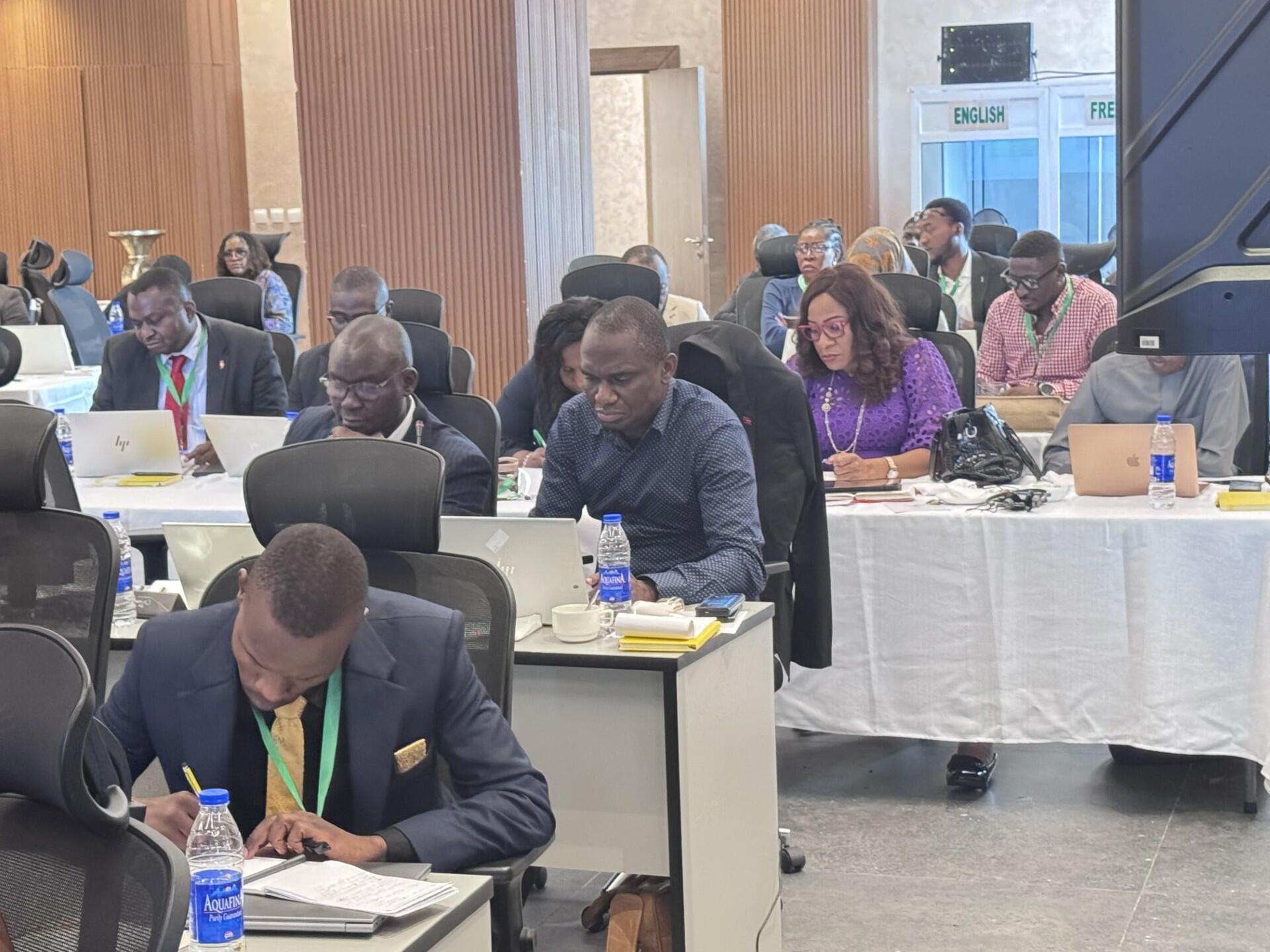
For institutions seeking climate finance, a proposal's strength begins with how precisely the climate problem is defined and supported by evidence. Rather than relying on sweeping national claims, the climate rationale should establish the problem at the scale of a specific community, value chain, or geography, drawing on multi-year trends and recognized sources such as IPCC reports, national communications, and local or academic studies.
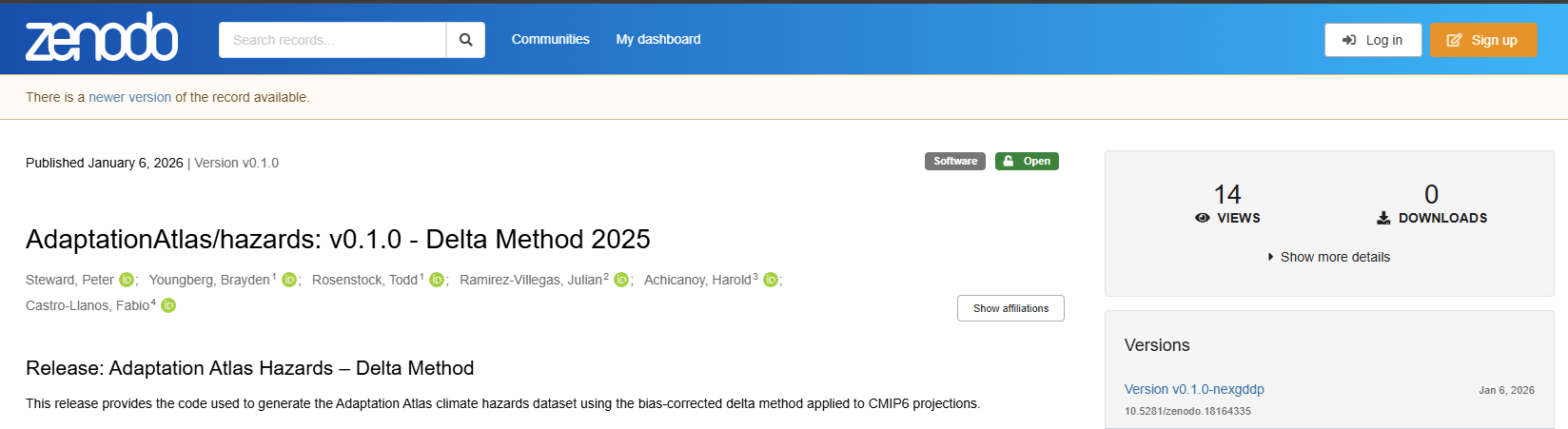
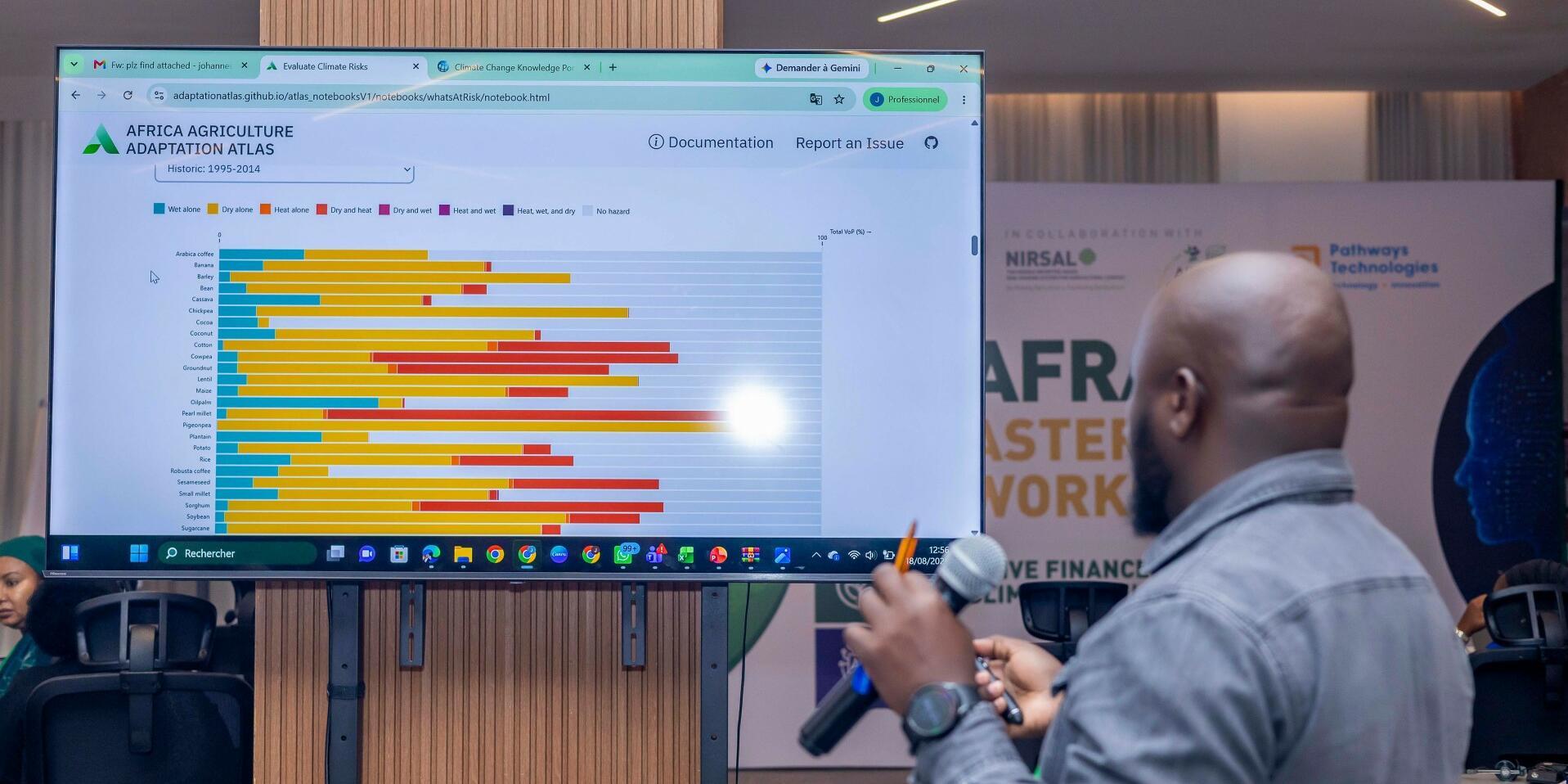
The Adaptation Atlas provides another way to sharpen this analysis, helping identify geographically specific hazards, exposure, vulnerability, and hotspots that can be linked to risks within a particular value chain.
From there, the proposal needs to show what prevents people, businesses or institutions from adapting and how the proposed activities respond to those barriers, while setting out measurable climate outcomes and co-benefits, demonstrating the potential for transformational change, aligning with national priorities, and incorporating stakeholder and gender considerations from the design stage. This creates a clearer connection between the documented climate problem and the proposed intervention, rather than relying on climate vulnerability alone to justify the investment.
Financial justification remains part of the same proposition, with value for money, an appropriate financing structure and credible implementation considered alongside the climate rationale. Taken together, these elements provide the specificity and evidence needed to move from a general case about climate vulnerability to a proposal that clearly sets out the problem it intends to address, the response being proposed and the results it is expected to deliver.
The cost of finance matters
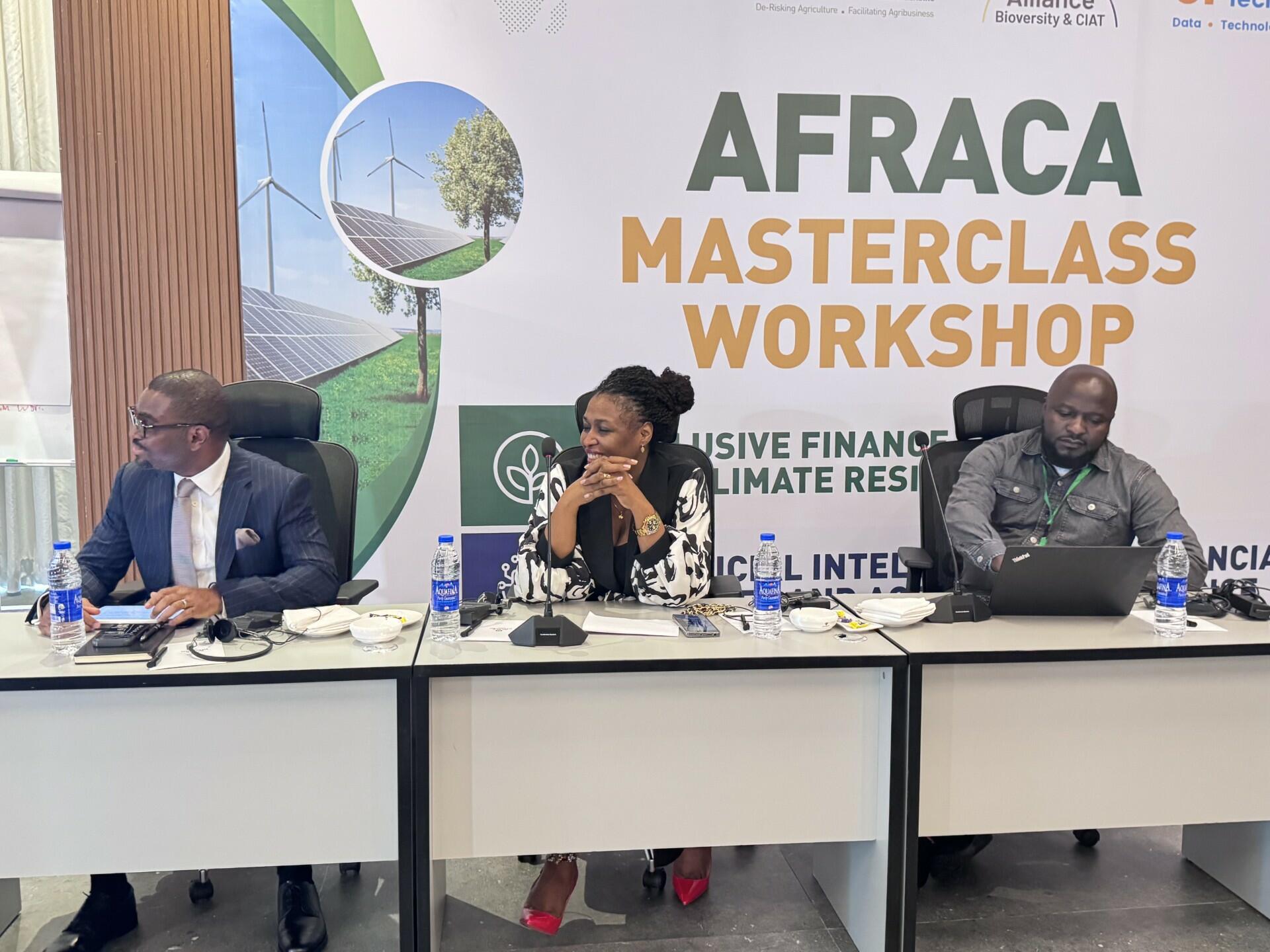
For commercial financial institutions, expanding agricultural and climate-related lending has to be considered alongside the cost of funds, the risks involved and the opportunity costs of deploying capital.
These considerations help explain why some investments may require concessional support or risk-sharing mechanisms before they can be financed on terms that work for both the institution providing the capital and those seeking it.
Guarantees, blended finance, concessional resources and technical assistance can help reduce the risks and transaction costs that make some climate-resilient investments difficult to finance on purely commercial terms. Development finance institutions can also play an intermediary role by simplifying access to climate funds, aggregating smaller transactions and reducing the administrative burden that individual financial institutions may otherwise have to carry.
The role of these mechanisms is not to set aside commercial considerations, but to use public and concessional resources to address risks and barriers that markets alone may not absorb, while mobilizing commercial capital where it is viable. Structuring finance in this way can make climate-related investment more accessible without separating the climate objective from the financial realities that determine whether an institution can ultimately provide the financing.

How do you measure climate impact?
As financial institutions expand climate related financing, they also need credible and practical ways to measure and verify the environmental outcomes of the activities they finance. Measurement, reporting and verification (MRV) provides that evidence, helping institutions demonstrate legitimate results while reducing the risk of making environmental claims that cannot be substantiated.
The challenge is doing this at a reasonable cost. Accessible, standardized approaches for investments such as climate-smart agriculture, renewable energy and irrigation could make it easier for institutions to monitor results without creating a measurement burden that makes the financing itself more difficult to implement. Questions raised by participants in Lagos reflected this practical concern, particularly around how institutions can credibly track and verify climate impact, as well as how existing regulatory frameworks can translate more effectively into day-to-day institutional practice.
The discussion also extended to insurance, with a question about how climate and green finance instruments apply to insurance products, highlighting an area where further practical learning may be needed. Together, these issues point to areas where financial institutions still need practical guidance and tools as they move from understanding climate finance to applying it within their own products and operations.
Building practical pathways to climate finance
For financial institutions looking to engage more effectively with climate finance, some of the most immediate needs are practical ones: climate-rationale checklists and proposal templates, location- and sector-specific climate-risk screening tools, targeted proposal clinics and technical assistance, clearer pathways to climate funds, and affordable approaches to measuring and verifying results. Together, these could make it easier for institutions to move from identifying a financing opportunity to developing a proposal that is technically sound and workable in practice.
Access also depends on how well the institutions within the climate-finance system work together. Stronger collaboration among financial institutions, development finance institutions, accredited entities, regulators and climate funds could help simplify access, reduce the administrative burden on individual institutions and strengthen the use of blended finance, guarantees and other risk-sharing mechanisms where commercial financing alone may be difficult.
Development finance institutions can be particularly useful in this process by aggregating smaller transactions and providing stronger intermediation between climate funds and financial institutions.
There is also value in documenting climate-finance transactions within the local context so that institutions can learn from practical experience rather than starting from scratch. Alongside stronger regulatory coordination and continued learning around insurance and risk-transfer solutions, these examples could help build the institutional knowledge needed to structure and implement climate finance more effectively.
The conversations in Lagos showed how much of this work depends on bringing the right institutions into the same discussion. AFRACA, with support from the Alliance of Bioversity International and CIAT, convened NIRSAL, commercial banks, regulators, development finance institutions, insurance, agricultural research representatives and other partners whose questions reflected the practical challenges of putting climate finance to work. The opportunity now is to turn that shared understanding into stronger institutional capacity, clearer pathways to finance and, ultimately, investments that support more resilient agriculture, businesses, livelihoods and communities.
The Alliance team

Pedro Anglaze Chilambe
Research Team leader, Climate Finance
Chris Miyinzi Mwungu
Postdoctoral Fellow
Shalika Vyas
Associate FellowKeep exploring