From the Field Cidra papa in Colombia: how a traditional crop is beginning to gain ground in the country’s agrifood systems

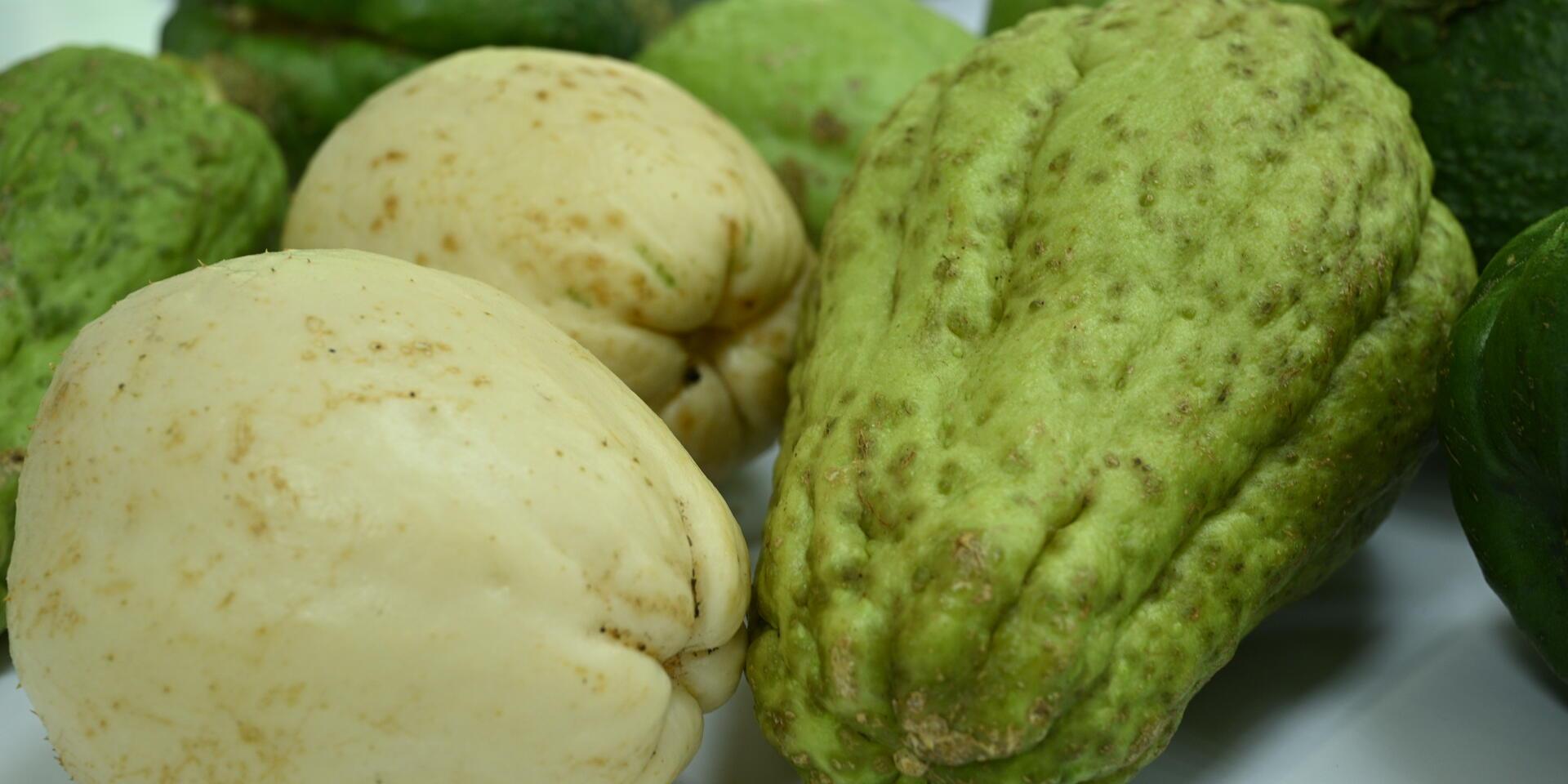
In Colombia, cidra papa, also known as guatila or chayote, is neither a new nor an unfamiliar crop. It has always been there: in farms, home gardens, and traditional kitchens. It is one of those foods that are part of everyday life in many territories, consumed without much explanation simply because it has always been there; and yet, this familiarity has not necessarily translated into recognition.
For a long time, cidra papa has remained in a discreet position within agrifood systems: present, but not very visible; known, but not strongly positioned. Today, that perspective is beginning to shift more decisively.
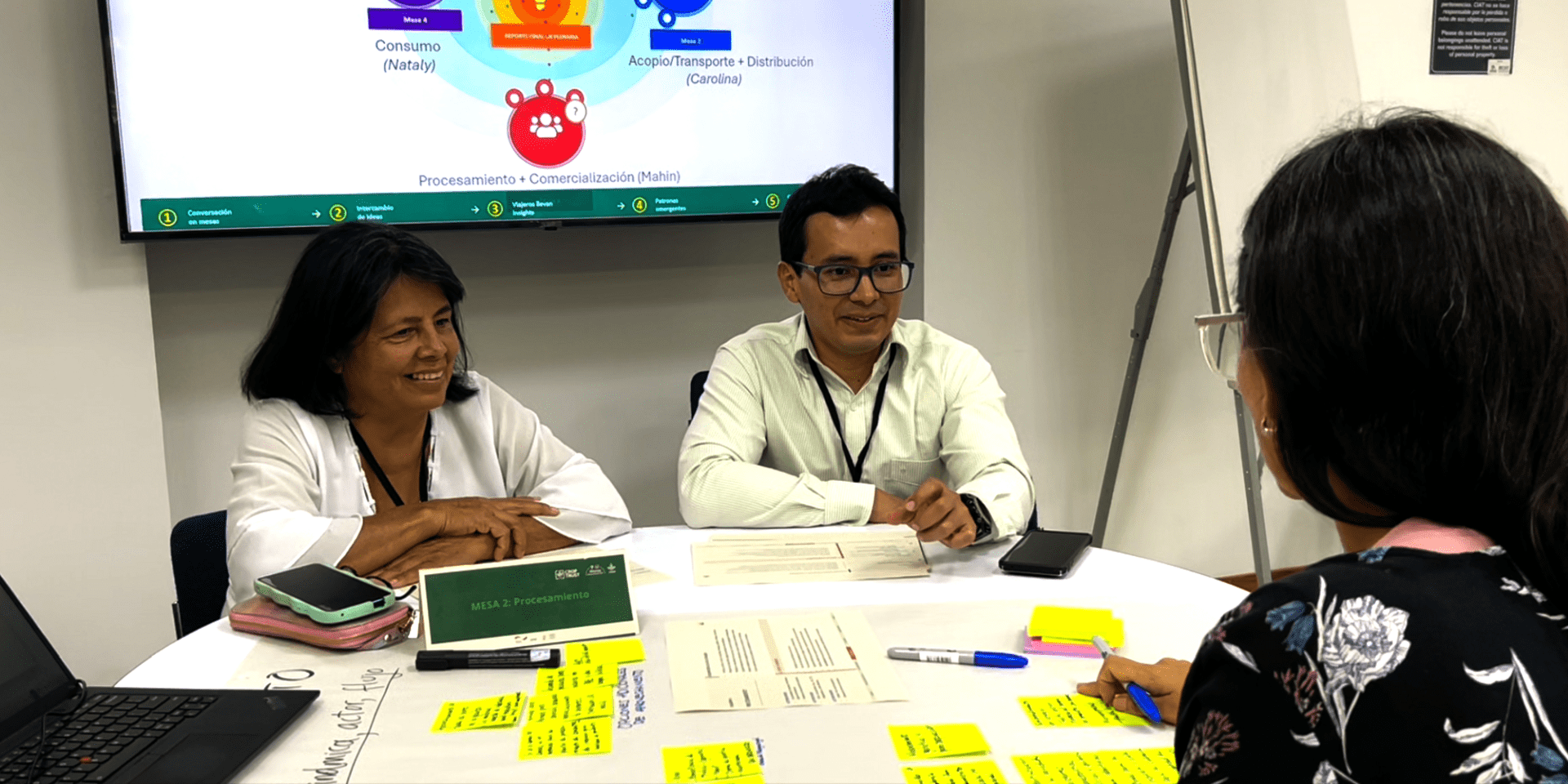
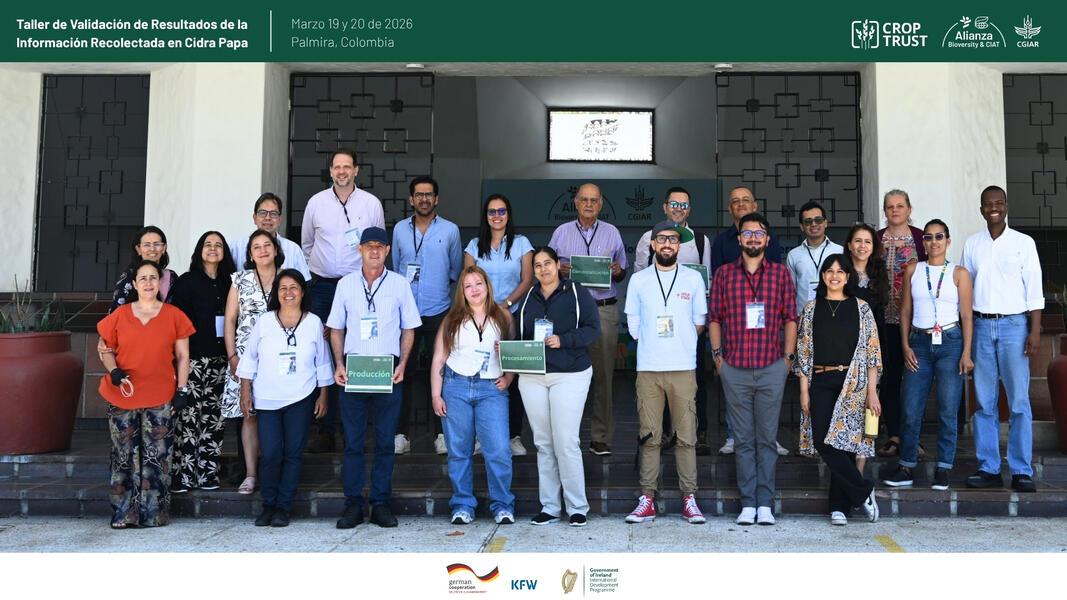
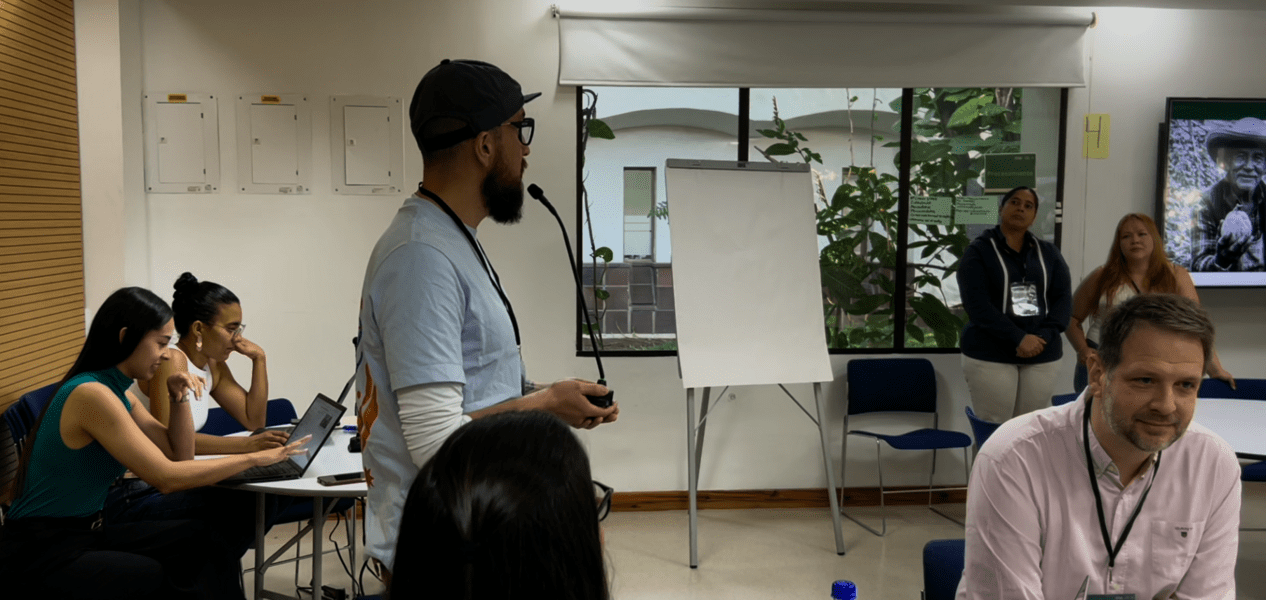
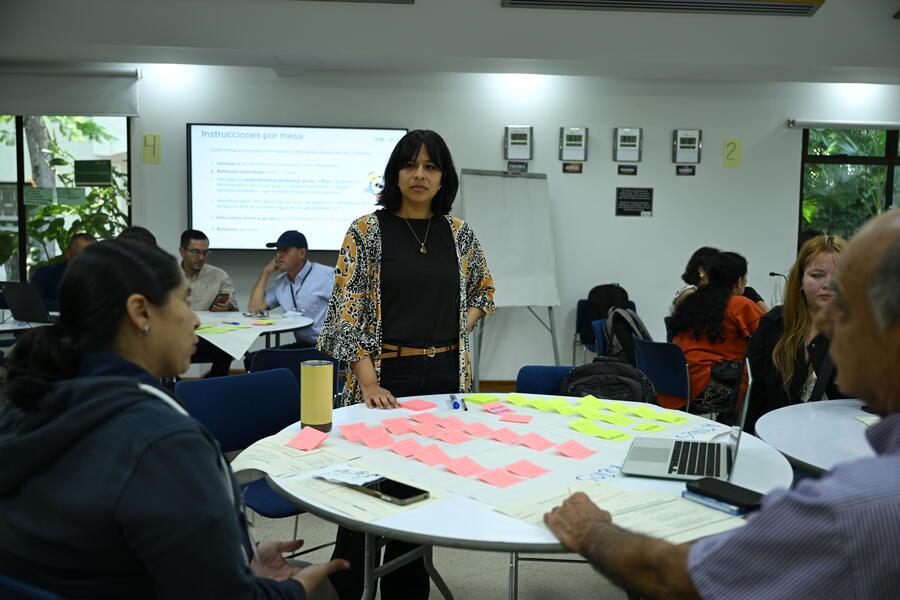
Within the framework of the validation workshop on cidra papa results, led by the Bioversity & CIAT Alliance under the Crop Trust’s Power of Diversity Funding Facility (PDFF) project, actors from across the value chain: producers, processors, traders, researchers, and institutions, came together to analyze its current state, share experiences, and reflect on its potential.
More than a technical space, this meeting opened a key conversation: understanding what is happening with cidra papa and what is needed to strengthen its development, increase its commercialization, and expand its consumption.
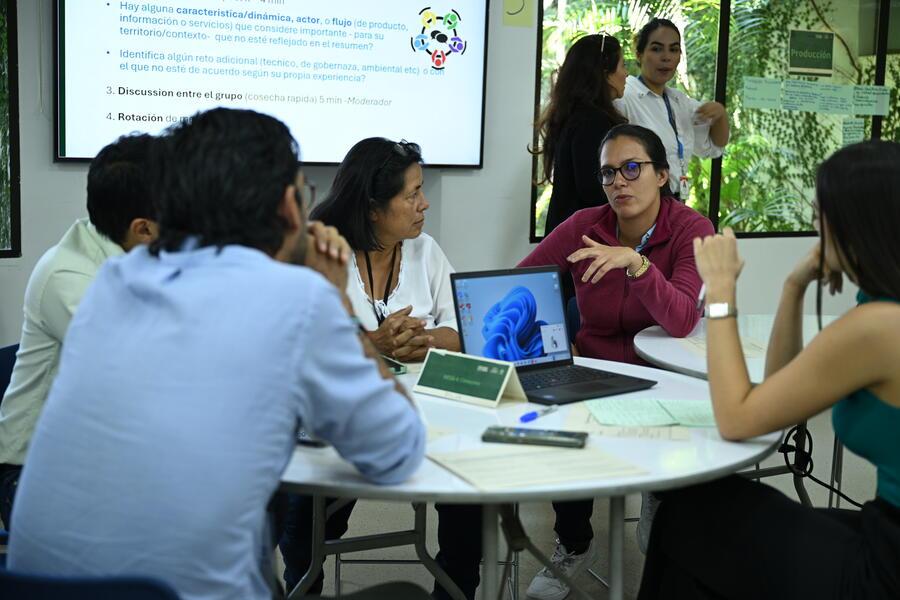
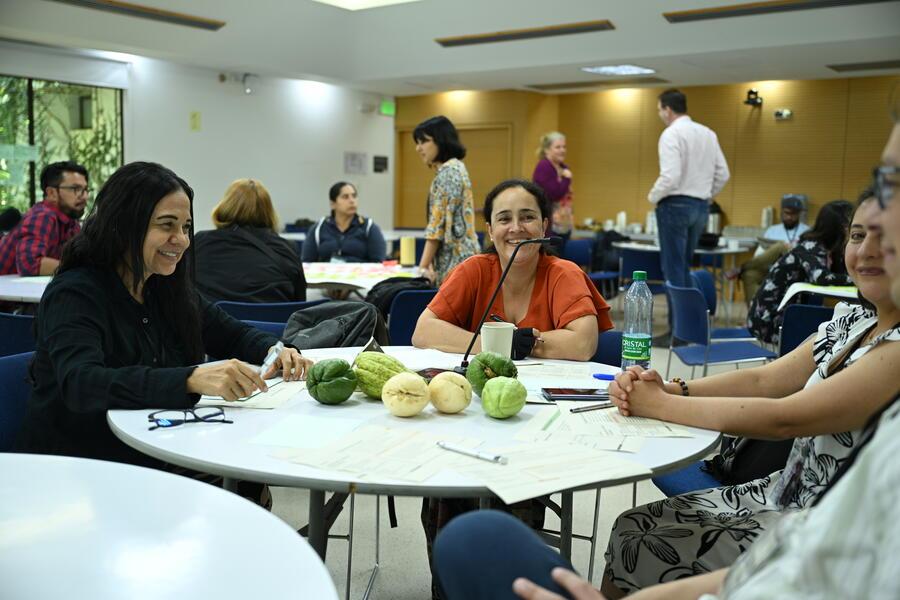
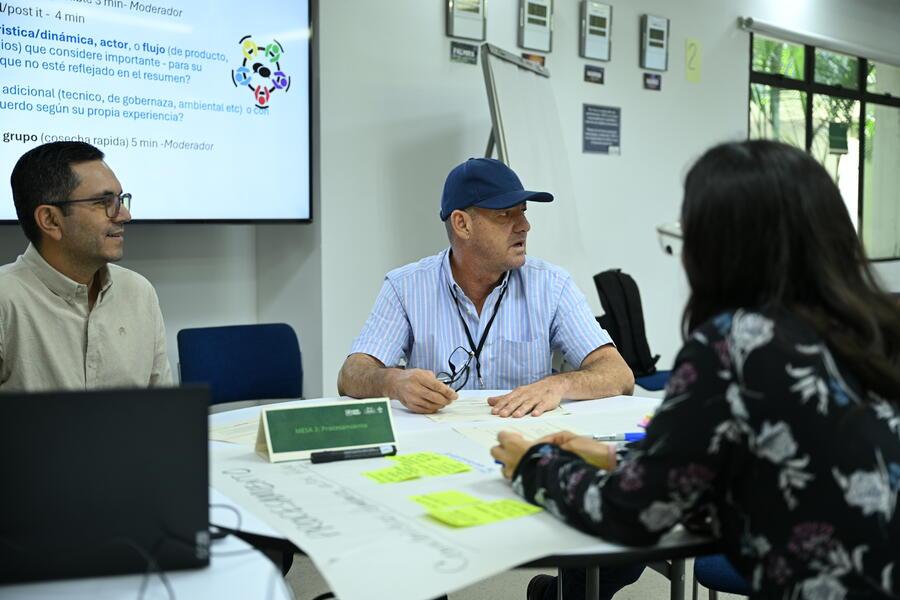
In this context, what happens when actors from across the value chain come together to look at the same crop?
One of the main contributions was the opportunity to connect actors who usually work in isolation. From those producing in the territory to those transforming or marketing the crop, the dialogue made it possible to recognize that each link plays a fundamental role, but that greater integration is needed, along with more and better conversations on how to promote this crop and its consumption. In this way, research-generated information was contrasted with practical experience, building a more comprehensive vision. In this process, it became clear that the challenges do not respond to a single factor, but rather to the interaction of multiple elements throughout the chain.
As discussions progressed, cidra papa began to be understood within a broader context. In a scenario where only a few crops account for a large share of diets, cidra papa represents an opportunity to diversify diets, strengthen food security, and contribute to more resilient systems in the face of climate change.
However, leveraging this potential requires going beyond its availability. Although it is present in multiple regions, its production is often maintained as a complementary crop, without a formal and structured value chain.
The lack of planning, volume estimates, and a more business-oriented vision, combined with low consumer awareness, limits its projection into broader markets. Thus, rather than being a crop yet to be developed, cidra papa emerges as a system that already exists, but still needs strengthening in order to consolidate.
So how can the diversity of cidra papa drive its transformation, and what is needed to strengthen these initiatives?
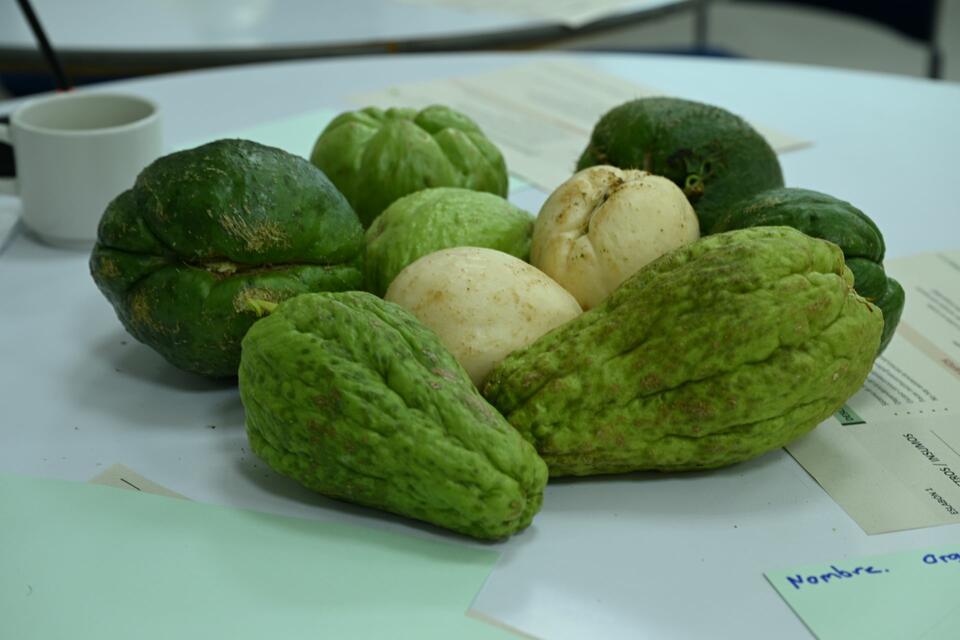
One of the most relevant aspects was the crop’s diversity. There are multiple varieties with differences in texture, flavor, and cooking performance, which opens market opportunities for differentiation and the development of new products.
In different territories, this diversity is already reflected in transformation experiences, ranging from traditional preparations to innovative proposals. However, its growth faces limitations in access to technology, infrastructure, and formalization processes. More than a lack of ideas, the challenge lies in strengthening the conditions that allow these initiatives to consolidate and scale toward more sustainable models.
Another key point is consumption. Although cidra papa is available, its presence in the market remains limited and concentrated in specific niches. It is not widely integrated into everyday diets, which reduces its dynamism. This raises a clear challenge: it is not enough to produce; it is necessary to generate demand. To achieve this, it will be essential to strengthen its positioning, increase consumer awareness of its benefits and properties, and explore new forms of use.
With this system perspective, what explains its current development and what opportunities are beginning to emerge?
The dialogue made one idea clear: the challenge does not lie in a single point, but in how the entire system connects. Information gaps, weak articulation among actors, logistical challenges, and the lack of business models have, so far, limited the translation of its potential into development.
At the same time, cidra papa already has strong foundations: it is an adaptable crop, requires low management inputs, and has the capacity to contribute to healthier, more resilient, and more sustainable food systems.
This is where the ongoing work becomes meaningful. Rather than starting from scratch, it is about recognizing what already exists, connecting capacities, and organizing knowledge to open new opportunities. Because cidra papa does not start from an idea, but from a process already underway. And the next step is clear: to continue building, collectively, the conditions that allow this crop to strengthen its contribution to territories, biodiversity, and more diverse and sustainable agrifood systems.