From the Field Ready for the rains: Bean seed, lime, fertilizer prepare school gardens in western Rwanda
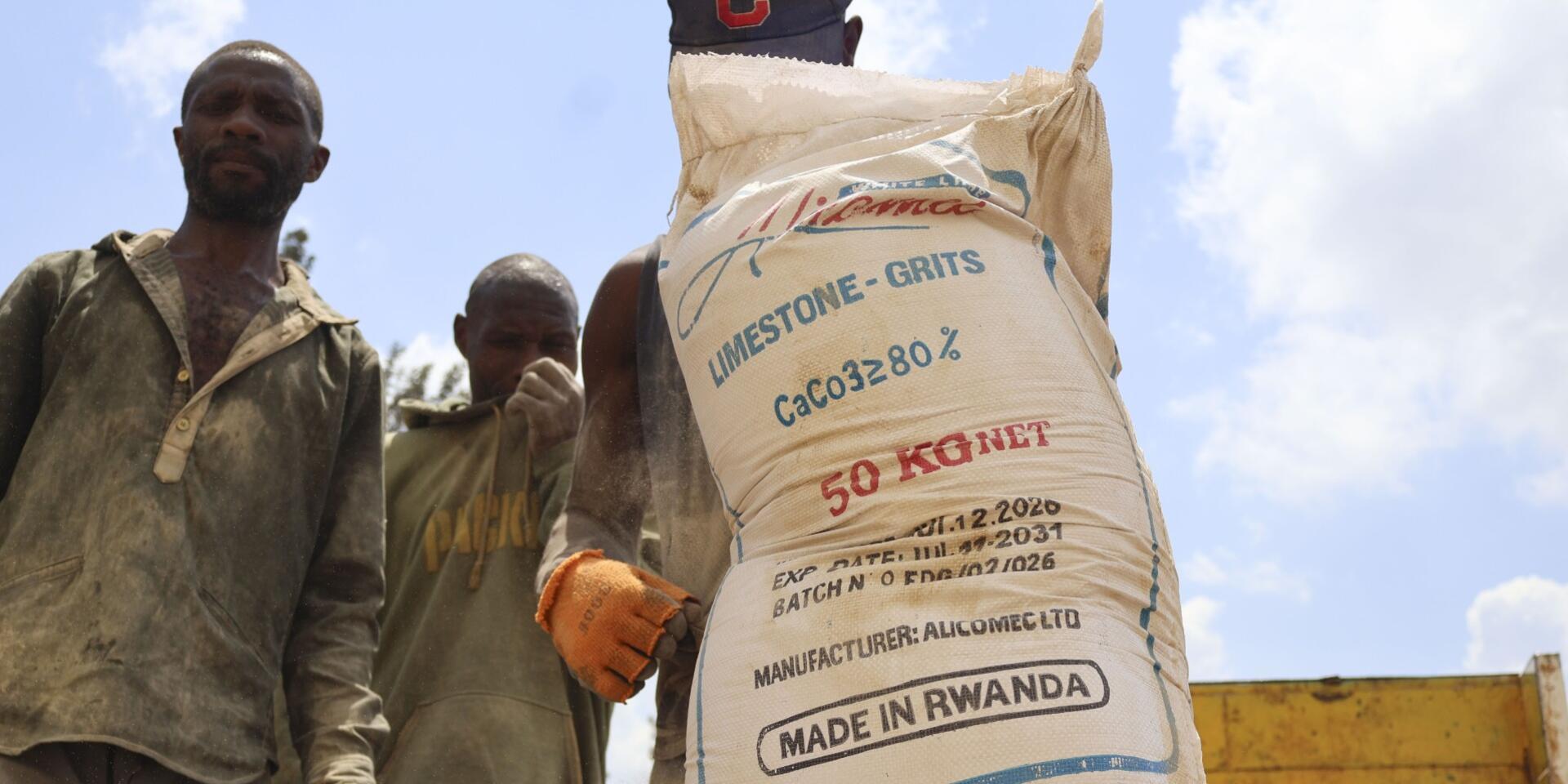

The Scaling Sustainable School Feeding Innovations (3SFI) project, supported by the Swiss Agency for Development and Cooperation, is distributing bean seed, lime and foliar fertilizer to schools in Rwanda’s Western Province to improve soil health, boost harvests and provide more nutritious school meals ahead of the planting season.
You can give a plant the best seed and fertilizer, but if the soil is too acidic, you may still be setting it up to struggle. That is the challenge facing many farmers in Rwanda, where soil acidity affects more than 45% of the country’s arable land. Now, through the Scaling Sustainable School Feeding Innovations (3SFI) Project, which is strengthening school feeding by combining agriculture, nutrition education and community engagement, schools in the Western Province are receiving agricultural lime to help turn the situation around.
An often-overlooked ingredient
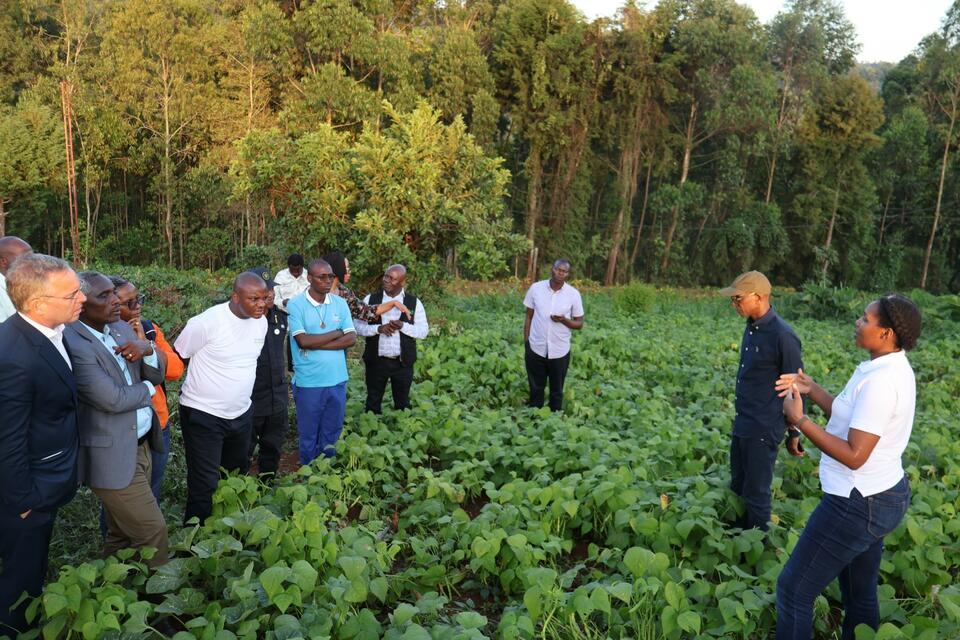
A school garden harvest is shaped well before the first seed goes into the ground. That is the thinking behind a season of preparation in the country’s districts of Karongi, Nyamasheke and Rusizi, led by the 3SFI project. This season, schools are receiving three complementary inputs to prepare their gardens for planting: bean seed, foliar fertilizer and, for those with acidic soils, agricultural lime.
While farmers pay considerable attention to seed and fertilizer, the condition of the soil in which crops grow can determine whether those investments deliver the expected results. Aluminum and manganese can reach levels that are toxic to plant roots, while essential nutrients such as phosphorus become less available for crops to absorb. Applying agricultural lime helps reduce soil acidity, creating better conditions for crops to establish, absorb nutrients and grow.
The scale of the challenge is considerable. A 2024 study by researchers from the International Maize and Wheat Improvement Center (CIMMYT) and the Rwanda Agriculture and Animal Resources Development Board (RAB) found that more than 45% of Rwanda’s arable land has acidic soils.
Lime, however, is not an overnight solution. It needs to be applied correctly and worked into the soil, with quantity and timing guided by soil assessments and agronomic advice. The potential returns make the effort worthwhile. In a survey of 261 Rwandan households, researchers estimated that applying lime increased bean yields by approximately 450 to 520 kilograms per hectare, with benefits that could last several cropping seasons. For schools with acidic soils, addressing this underlying problem is an important step towards getting more from the land they cultivate.
Preparing the ground for planting
Supported by the Swiss Agency for Development and Cooperation (SDC), the project is implemented by the Alliance of Bioversity International and CIAT through the Pan-Africa Bean Research Alliance (PABRA), in collaboration with the Government of Rwanda.
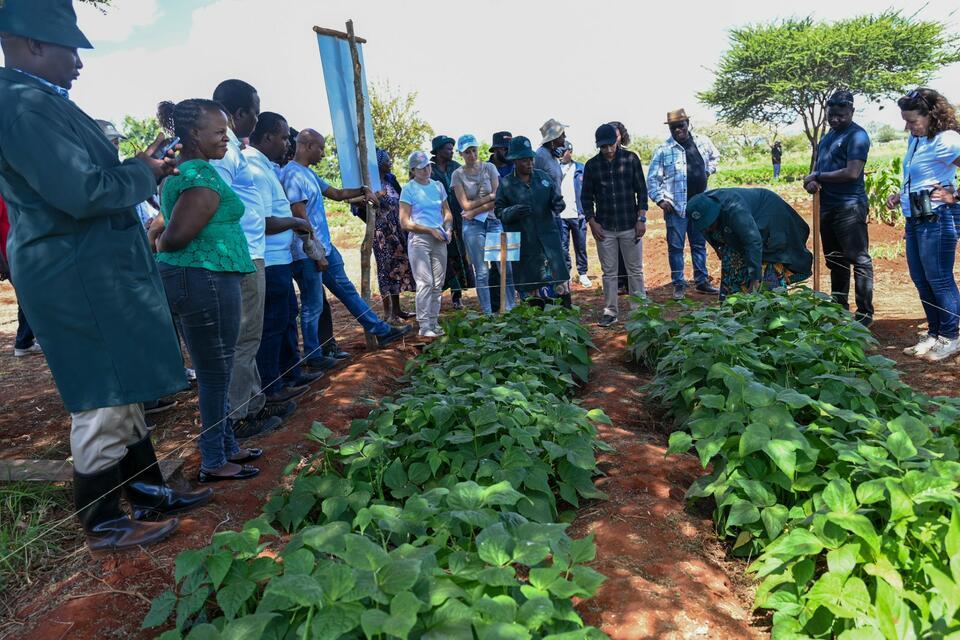
Beyond supplying agricultural inputs, the intervention is helping schools understand what their gardens need to produce a good harvest. It also equips teachers and learners with practical agricultural skills they can apply in their school gardens and, potentially, in their own communities.