Blog Bananas: An essential crop at risk and an opportunity for impact

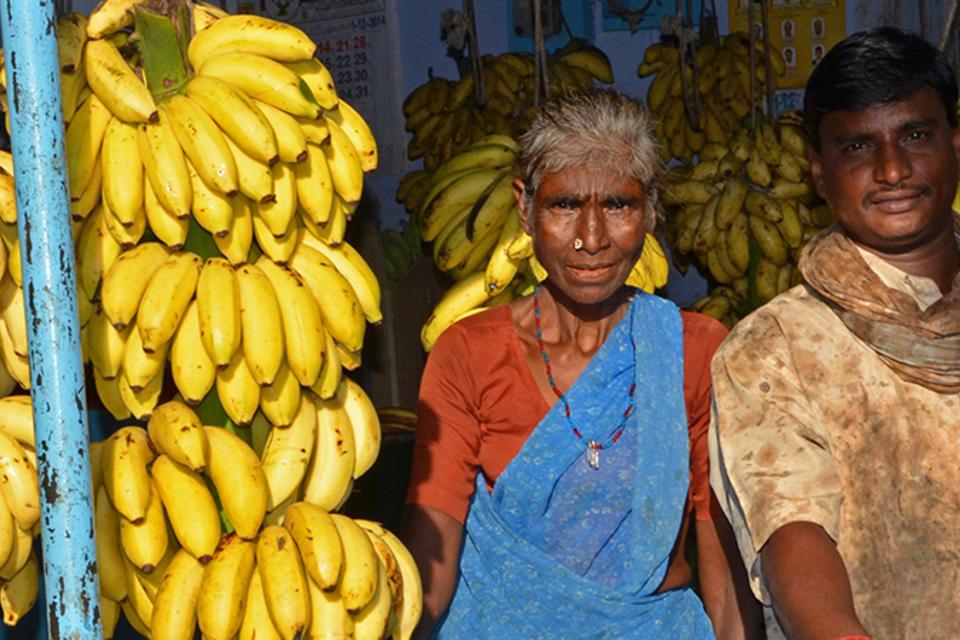
In tropical regions around the world, bananas are far more than a staple food; they are a lifeline. This crop provides food, income, and economic stability for millions of smallholder farmers and plays a critical role in global food security.
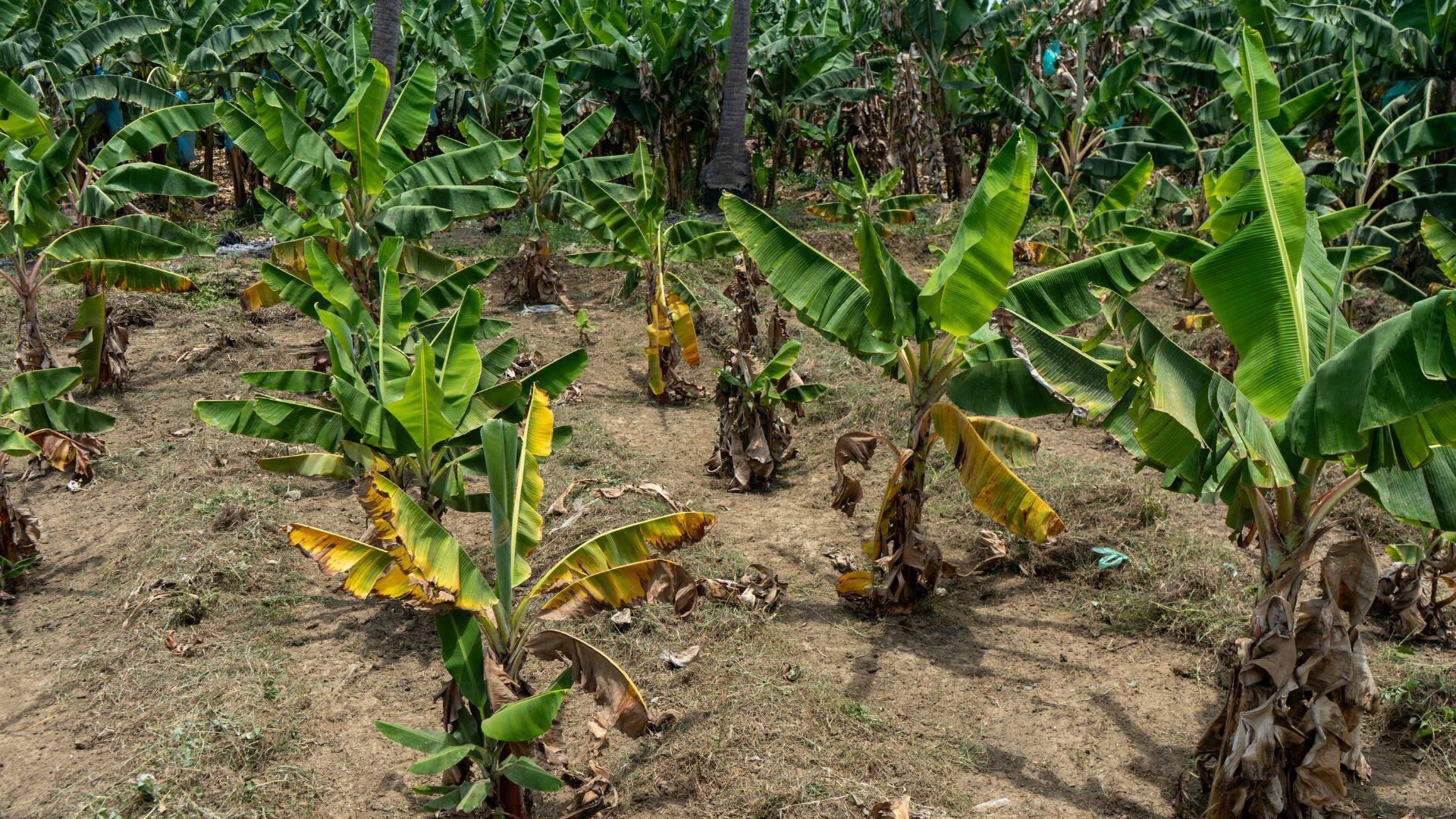
Yet, despite its importance, banana production is increasingly under threat. Climate change, soil degradation, and the spread of devastating diseases are putting its long-term sustainability at risk. Addressing these challenges is not only an agricultural priority but also a development imperative.
A fragile system behind a global staple
At the heart of the problem lies a structural vulnerability: global banana production depends on a narrow genetic base. While this has enabled efficiency and scale, it has also created a system highly exposed to risk.
As leading researchers highlight, most bananas consumed worldwide come from a small number of closely related varieties. This genetic uniformity means that a single disease or environmental shock can have widespread and devastating consequences.
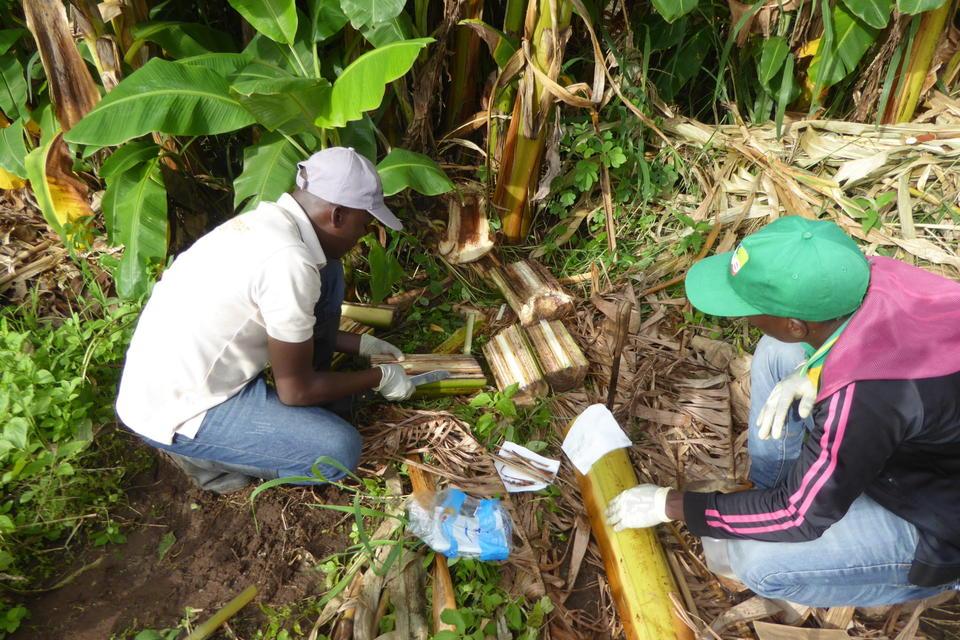
This risk is already materializing. Diseases such as Black Sigatoka, Fusarium wilt and Moko are causing severe production losses. Management of these diseases is key for resilience of the crop, however some of these pathogens, like fusarium, can persist in the soil for years, making recovery extremely difficult and increasing long-term vulnerability.
The implications go beyond agriculture. Reduced yields translate into lost income for farmers, increased food insecurity, and weakened rural economies.
Climate change is accelerating the challenge
Compounding these risks is the growing impact of climate variability. Temperature fluctuations, droughts, and extreme rainfall events are becoming more frequent and unpredictable, directly affecting crop performance.
As in any crop, banana productivity is shaped by the interaction between genetic traits and environmental conditions. Even high-performing varieties can fail if they are not adapted to local climates or cannot withstand emerging stresses.
This underscores a critical point: sustainable banana production requires an integrated approach that considers genetics, environment, and management practices together.
A strategic solution: unlocking genetic diversity
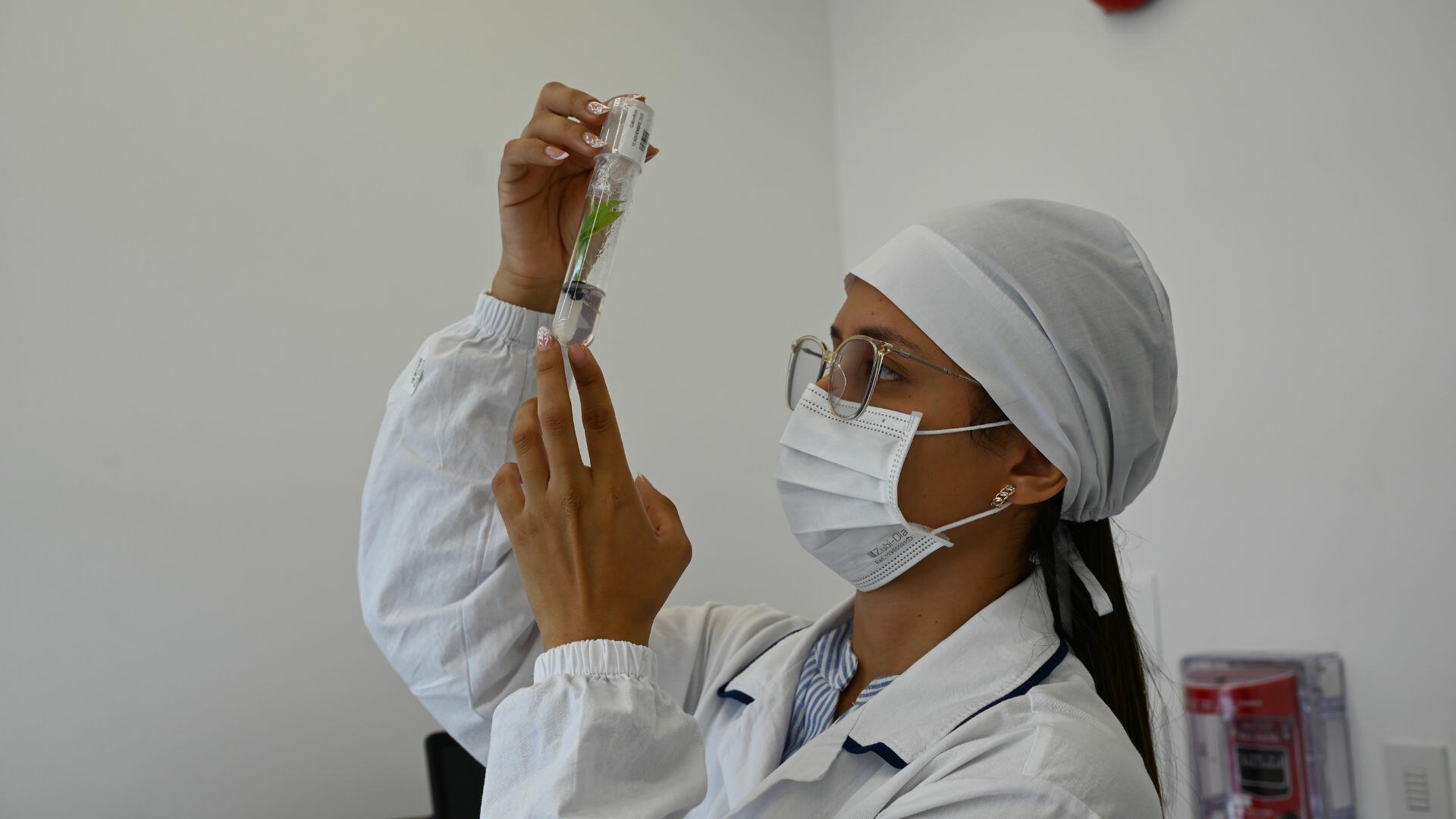
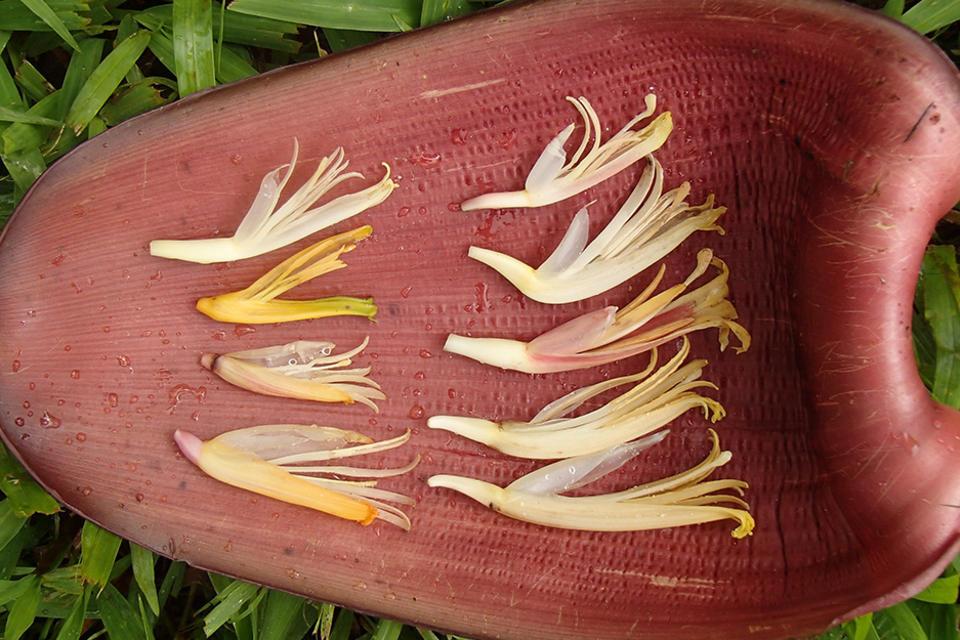
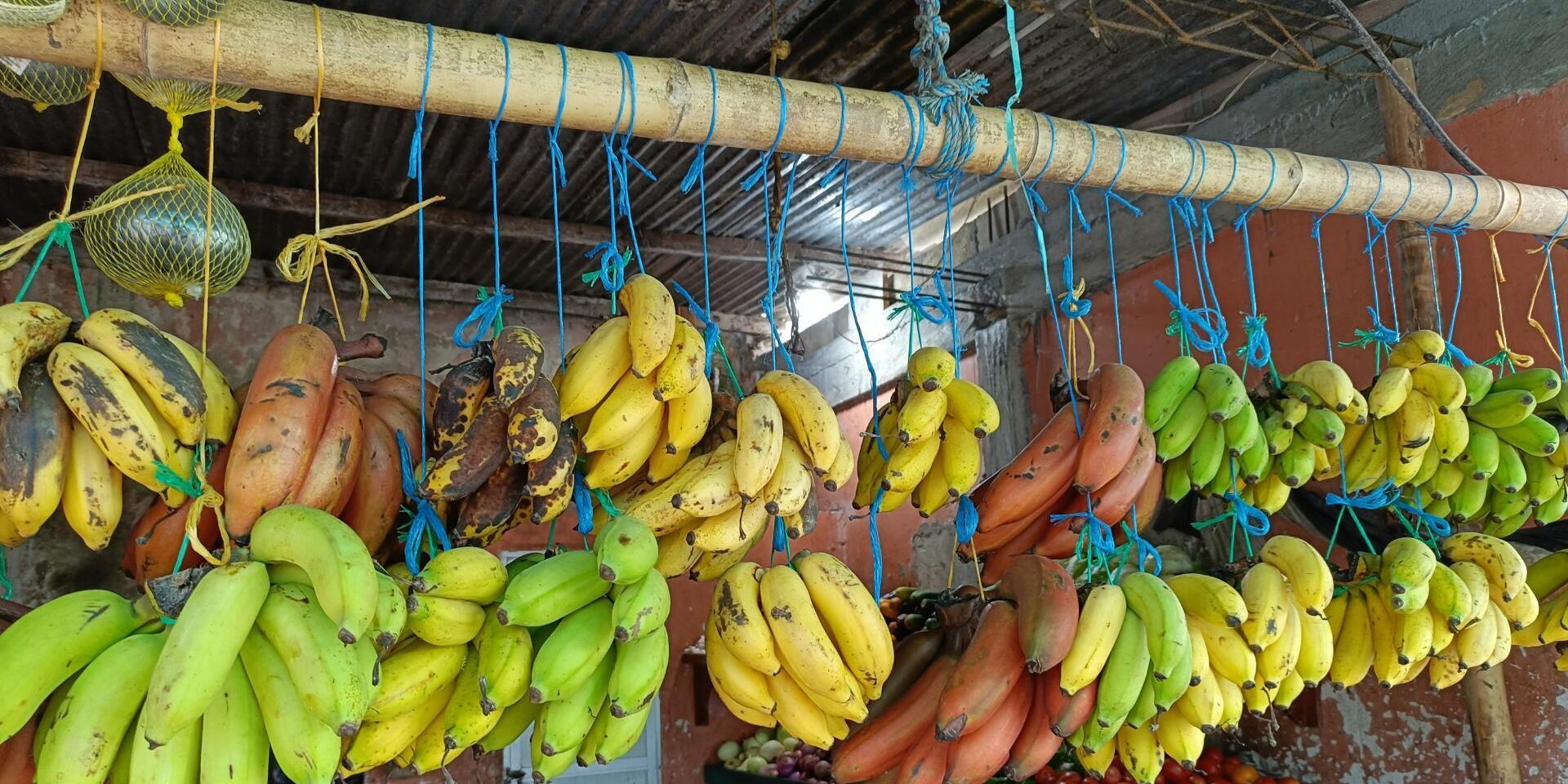
Amid these challenges, a powerful solution is within reach—banana genetic diversity. While global markets rely on a few dominant varieties, hundreds of underutilized banana types exist, many of which hold traits essential for resilience, productivity, adaptation to diverse environments, improved nutrition, and stronger livelihoods.
These include resistance to diseases, tolerance to extreme climates, and adaptability to diverse farming systems. Preserved in global germplasm banks, this diversity represents a critical, yet underleveraged, resource for transforming banana production.
The Alliance of Bioversity International and CIAT is at the forefront of this effort—working not only to conserve genetic resources, but to translate them into practical, science-based solutions that farmers can adopt.
Delivery impact: resilient systems and stronger livelihoods
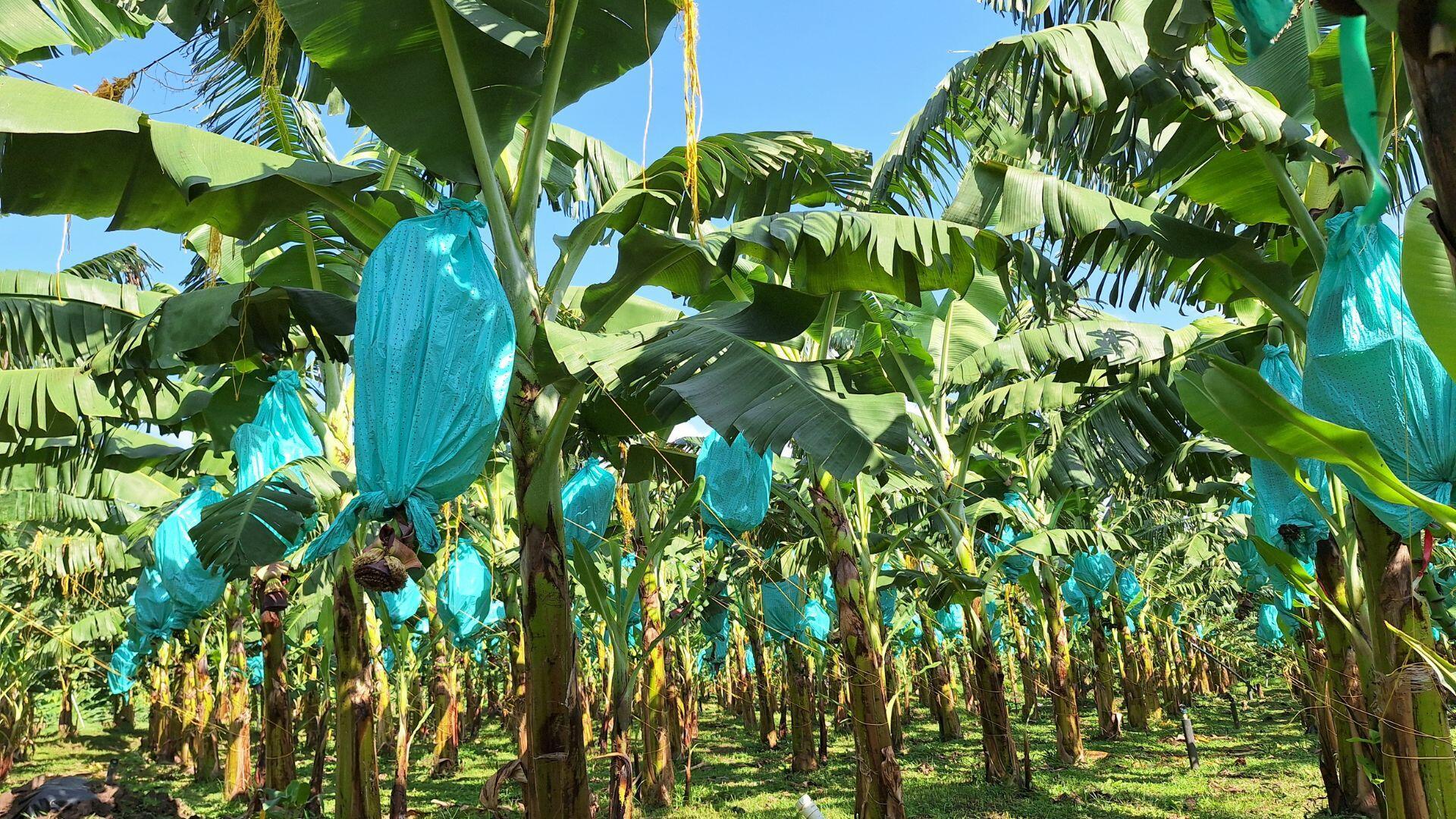
Integrating genetic diversity into banana production systems offers a pathway to resilience. By reducing reliance on a single variety, farmers can better manage risks and adapt to changing conditions.
The benefits are tangible:
- More stable and reliable yields
- Reduced crop losses due to disease
- Lower production costs and input dependency
- Greater resilience to climate shocks
For smallholder farmers, this means improved income stability and more secure livelihoods. For food systems, it means greater sustainability and resilience in the face of global challenges.
An opportunity for transformative investment
Investing in banana genetic diversity is an opportunity to generate high-impact, scalable solutions at the intersection of agriculture, climate resilience, and food security.
Such investments can:
- Safeguard a critical global food source
- Strengthening rural economies and reducing poverty
- Enhance climate adaptation in vulnerable regions
- Support sustainable agricultural transitions
Looking ahead
Banana Day, celebrated on April 15, is more than a symbolic moment—it is a call to action. The future of this essential crop depends on our ability to rethink production systems, harness biodiversity, and strengthen collaboration across sectors.
With the right support, we can move from vulnerability to resilience—ensuring that bananas continue to nourish communities, sustain livelihoods, and contribute to a more food-secure future.
Team

Lorena López-Galvis
Postdoctoral Fellow
Sebastien Carpentier
Principal Scientist, Banana Program Leader