Blog Balancing food security and biodiversity: Co-designing regenerative pathways in Kenya’s Central Highlands

In Kenya’s Central Highlands, the future of feeding communities while conserving biodiversity is at a crossroads. Production systems in the region are hindered by erratic and declining rainfall, soil fertility loss, watershed degradation, and increasing climate stress. Furthermore, intensive farming, land fragmentation, shrinking land and water sources, and overgrazed rangelands are degrading the very ecosystems that sustain rural livelihoods.
To respond to these challenges, a coalition of visionary partners including the Nature Conservancy (TNC); the Centre for Training and Integrated Research in ASAL Development (CETRAD); Micro Enterprises Support Program Trust (MESPT); Sustainable Agriculture Foundation (SAF); CABI; Kenya National Chamber of Commerce (KNCC); and multiple CGIAR centers (the Alliance of Bioversity and CIAT, IWMI, ICRISAT and CIP), joined forces under the Central Highlands Eco-Region Foodscape (CHEF) initiative. Their goal: to co-create actionable, science-backed solutions that catalyze regenerative agriculture transformation through targeted water, finance, and rangeland interventions to restore productivity and enhance biodiversity.
Data insights from the ground: a reality check
In November 2024, CGIAR - in collaboration with other CHEF partners - conducted a baseline survey in three counties of Kenya. The objective was to generate evidence that can inform the design of interventions to strengthen sustainability of the vulnerable agropastoral systems in the region. The baseline survey collected data from 622 households across Meru, Laikipia, and Nyandarua counties to assess farming practices, smallholder diversity, climate-risk coping strategies, gender dynamics in decision-making, and adoption of sustainable agriculture.
The analysis focused on four critical themes:
1. Current practices: documenting existing agricultural and land management practices across different farmer groups,
2. Gender and youth Integration: assessing the level of inclusion, participation, and challenges faced by women and young people in agriculture,
3. Climate change mitigation and integration: identifying the role of behavioral factors in nudging adoption of climate resilient practices and technologies, and
4. Farmer segmentation: classifying farmer groups based on characteristics such as resources, production potential, and market access, to better target interventions.
Key takeaways painted a vivid picture:
- 45% of households rely on agriculture as their primary source of income
- 40% were food and nutrition insecure
- Over 90% experienced floods and 84% experienced limited rainfall
- 59% experienced soil fertility loss and 49% experienced soil erosion.
These numbers could rise if key landscape risks (such as unpredictable seasonal weather, soil erosion, nutrient depletion, limited access to credit and unfavorable markets) are not addressed. Despite these challenges, optimism thrives. The survey revealed strong potential for scaling climate-smart innovations and building capacity to expand low-cost, high-impact technologies like small-scale irrigation, improved seed systems and sustainable agricultural practices such as crop diversification.
Co-design in action: Bridging science with soil health and conservation
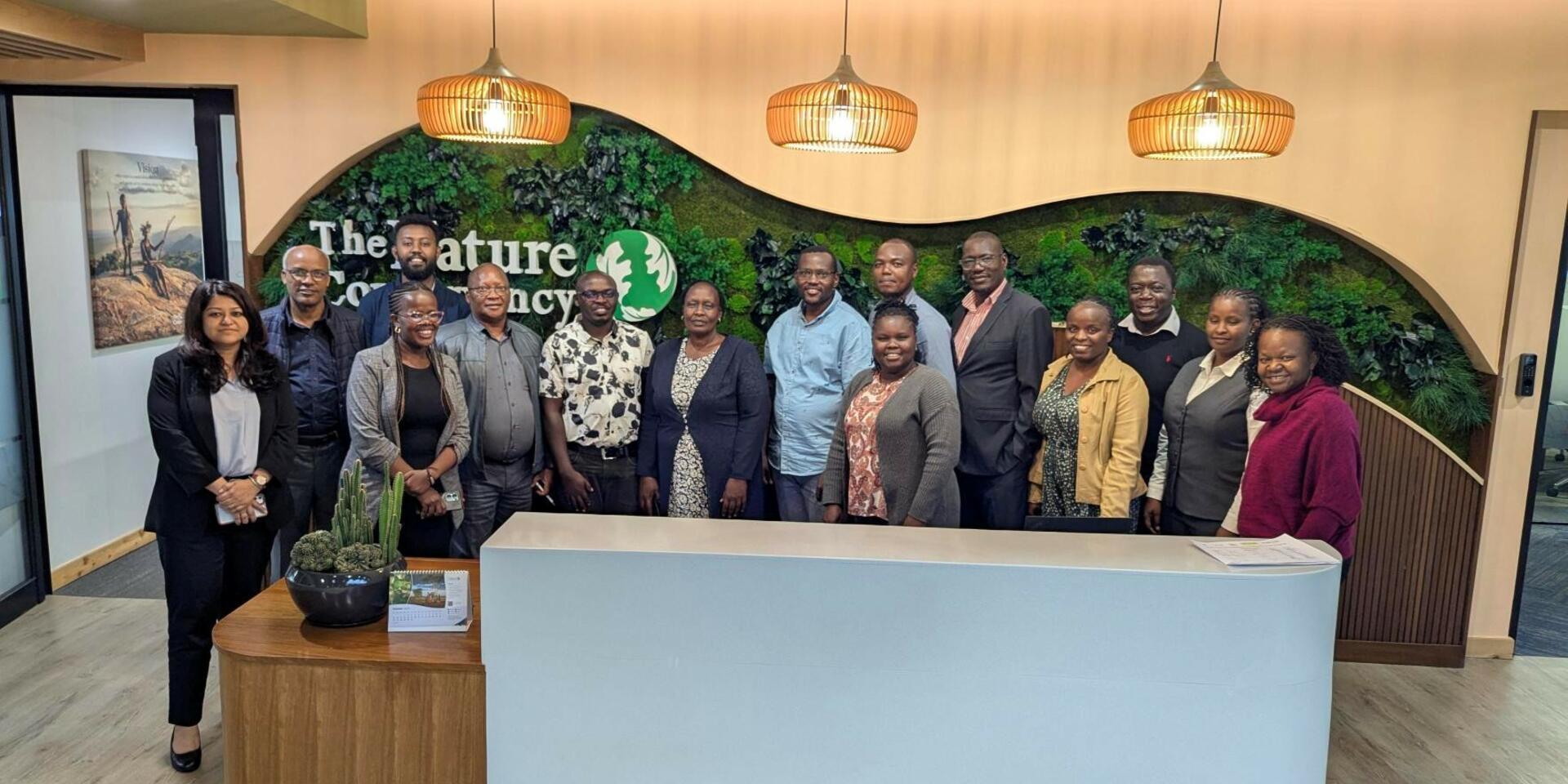
A two-day workshop was held in Nairobi on October 27–28, 2025, bringing together CHEF partners to translate baseline findings into the co-design of context-specific interventions. When CHEF partners gathered for co-design workshops, the energy was eminent. The discussion wasn’t just about 'what needs fixing' but about how to build synergy.
“Our entry point will be co-designing strategies that increase water-use efficiency for optimal crop production without harming downstream ecosystems,” noted Bernice Sainepo, Director of CHEF.
“And indeed, our science must speak effectively to both policymakers and grassroot producers to drive real impact,” added Dr. Boniface Kiteme, Director of CETRAD.
This spirit of collaboration turned data into direction, translating insights into actionable pathways for water, soil, biodiversity, and livelihood regeneration.
Water: the stream of change
Water emerged as both the greatest challenge and the biggest opportunity. The decision to make water a central theme across the portfolio is driven by two related questions: how do partner activities impact freshwater outcomes, and how can regenerative agriculture (often costly) be made more accessible to smallholder farmers? From micro waterpans, weirs, and drip irrigation to water metering and governance reforms, the teams explored innovative ideas to make every drop count with solutions including:
- agricultural interventions that improve water outcomes and contribute to climate resilience,
- credit funds through 'savings and credit cooperative organizations' (SACCOs) to finance smallholder water technologies,
- farmer-to-farmer learning hubs linked to agricultural training centers (ATCs), and
- capacity-building curricula approved by government to strengthen water resources users’ associations (WRUAs) and promote behavioral change in water use.
Regeneration from farm to market
Beyond water, attention turned to conservation agriculture (zero tillage, mulching, crop rotation and agroforestry) as proven tools for improving soil health and food security. Equally exciting was the idea of market-driven regeneration. Partners explored how produce off-takers could stimulate demand for sustainable crops through contract farming, ensuring profitability and inclusion. Other highlights included:
- expanding climate-smart technologies such as zai pits, matego systems, and ripping;
- positioning diverse forages as a key value chain for land restoration, productivity gains, climate resilience, and livelihood diversification;
- promoting indigenous and underutilized crops for nutrition diversity; and
- supporting generation and delivery of field decision tools, soil health monitoring, seed and fodder systems, and nutrient management.
Collective action for a regenerative future
The strength of the CHEF initiative lies in its unified purpose: bringing together diverse minds, institutions, and community voices under a shared vision. Through deep collaboration, the partners are weaving a regenerative portfolio that blends science, innovation, and local knowledge to transform Kenya’s foodscapes. Their collective efforts are not only empowering communities to lead the way in shaping resilient, equitable, and sustainable farming systems, but are also laying the groundwork for a future where vibrant ecosystems and thriving livelihoods reinforce each other.
As Godfrey Nyang’ori - a MEAL expert from MESPT - noted: “We have developed and tested financial inclusion models over the past 20 years, with solid evidence of their impact. What’s needed now is contextualizing them to CHEF’s adaptive finance strategy for effective scaling.” His insight underscores the importance of pairing proven approaches with place-based innovation to accelerate meaningful change.
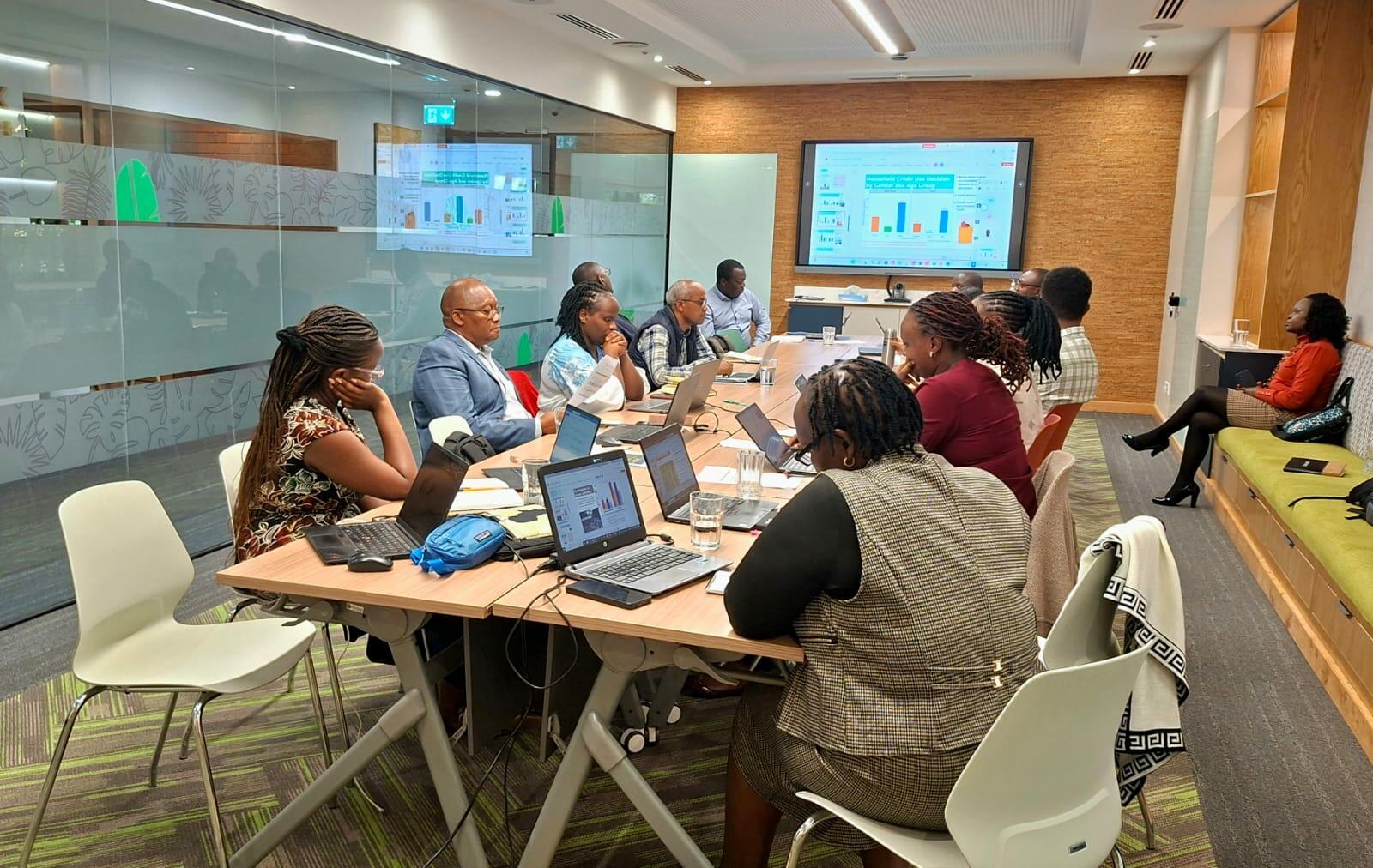
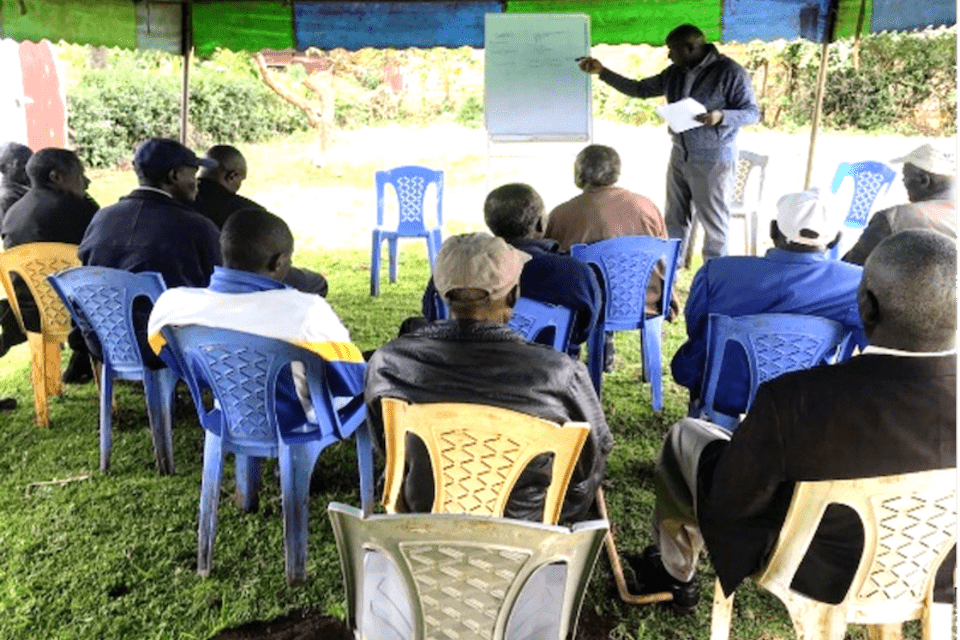
Participants discussing baseline survey findings during the workshop. Photo credit: Boaz Waswa/CIAT
Co-designing the future
From data to dialogue, and from farms to policy tables, CHEF’s collaborative approach proves that when science and creativity meet, transformation happens. As the Central Highlands evolve, this initiative stands as a beacon of what’s possible when partnerships are rooted in trust, equity, and shared stewardship of the land. Because regenerating landscapes isn’t just about growing crops and rearing livestock, it’s about growing hope.
“Let’s join hands in reimagining the future of Kenya’s Central Highlands, making every seed, every drop, and every partnership count”, said Michael Kinyua - CGIAR-CHEF project team lead - while wrapping up the workshop.