Blog A new direction, a growing enterprise: How BA4Y helped Rita Kumwenda move from confectionery to a year-round mushroom business
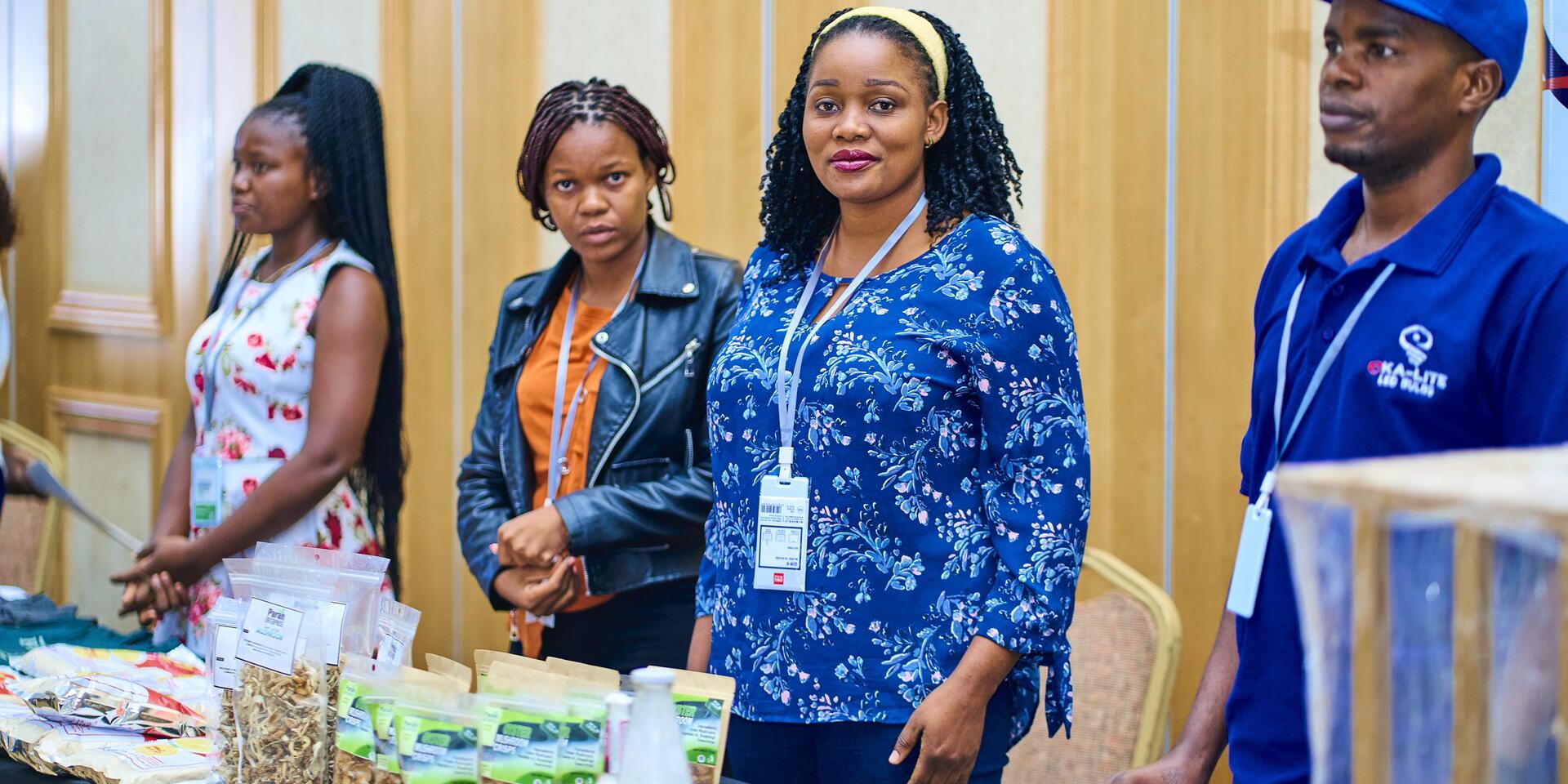

Rita Kumwenda now runs a thriving mushroom business in Zomba, Malawi. BA4Y training, a grant and mentorship helped her overcome early production failures to supply mushrooms year-round, create jobs and increase her income.
Rita Kumwenda arrived at the Business Acceleration for Youth (BA4Y) incubation programme intending to pitch a confectionery business. A session on solving community problems changed her direction.
The facilitators encouraged participants to look at the challenges around them and consider how an enterprise could respond. Rita recalled a gap she had observed while working with the University of Malawi’s Flask-Mush Project: naturally occurring mushrooms were most readily available during Malawi’s rainy season, but customers wanted them throughout the year.
What had previously been an observation became a business opportunity. Rita reconsidered her confectionery proposal and set out to cultivate mushrooms, offering customers in Zomba a supply beyond the natural season.
She had exposure to the mushroom sector but had never run a mushroom enterprise. Recognising demand was one step. Learning to plan, manage and sustain production would be another.
Turning the opportunity into a business
Rita identifies BA4Y’s Business Plan Development sessions as particularly important in helping her move from an idea to a structured enterprise. She learned to plan activities and make projections, while costing and record-keeping lessons gave her tools to understand and monitor the business.
“Through the costing lessons, I am now able to calculate the true cost of each product. I also learned record-keeping, which helps me track my progress and make better business decisions.”
These lessons addressed responsibilities that were new to her as an entrepreneur. Producing something customers wanted would not, by itself, establish whether the business was performing well. Rita needed to understand product costs, maintain records and use that information to guide decisions.
Her first customers were health-conscious individuals who already enjoyed mushrooms and wanted to buy them outside the rainy season. Their interest provided an initial market for the enterprise.
A $2,500 BA4Y grant enabled Rita to construct a production house and begin cultivating white oyster mushrooms. The training helped her develop the business plan; the funding provided infrastructure to implement it.

When the first two batches failed
The first batch failed. So did the second. The losses exposed Rita’s biggest early challenge: she did not yet have enough technical knowledge to cultivate mushrooms successfully. A market opportunity, business plan and production house were important foundations, but reliable production required additional expertise.
She continued learning through practice and mentorship. BA4Y connected her with Loulou Farms, a participant in its acceleration programme with more experience in mushroom production. During a visit to Lilongwe, Rita learned directly from the enterprise.
Loulou Farms introduced Rita to blue and black oyster varieties and taught her the appropriate harvest timing and size for quality mushrooms. She also advised her on packaging dehydrated mushrooms. Rita says she continues to apply this guidance.
The connection complemented the business training with practical knowledge specific to her enterprise. Planning, costing and record keeping helped her manage the business; peer learning strengthened her cultivation, harvesting and packaging practices.
Starting production had exposed a skills gap that was less visible at the planning stage. Continued learning and access to an experienced producer helped Rita respond.
Increasing production and making more of the harvest
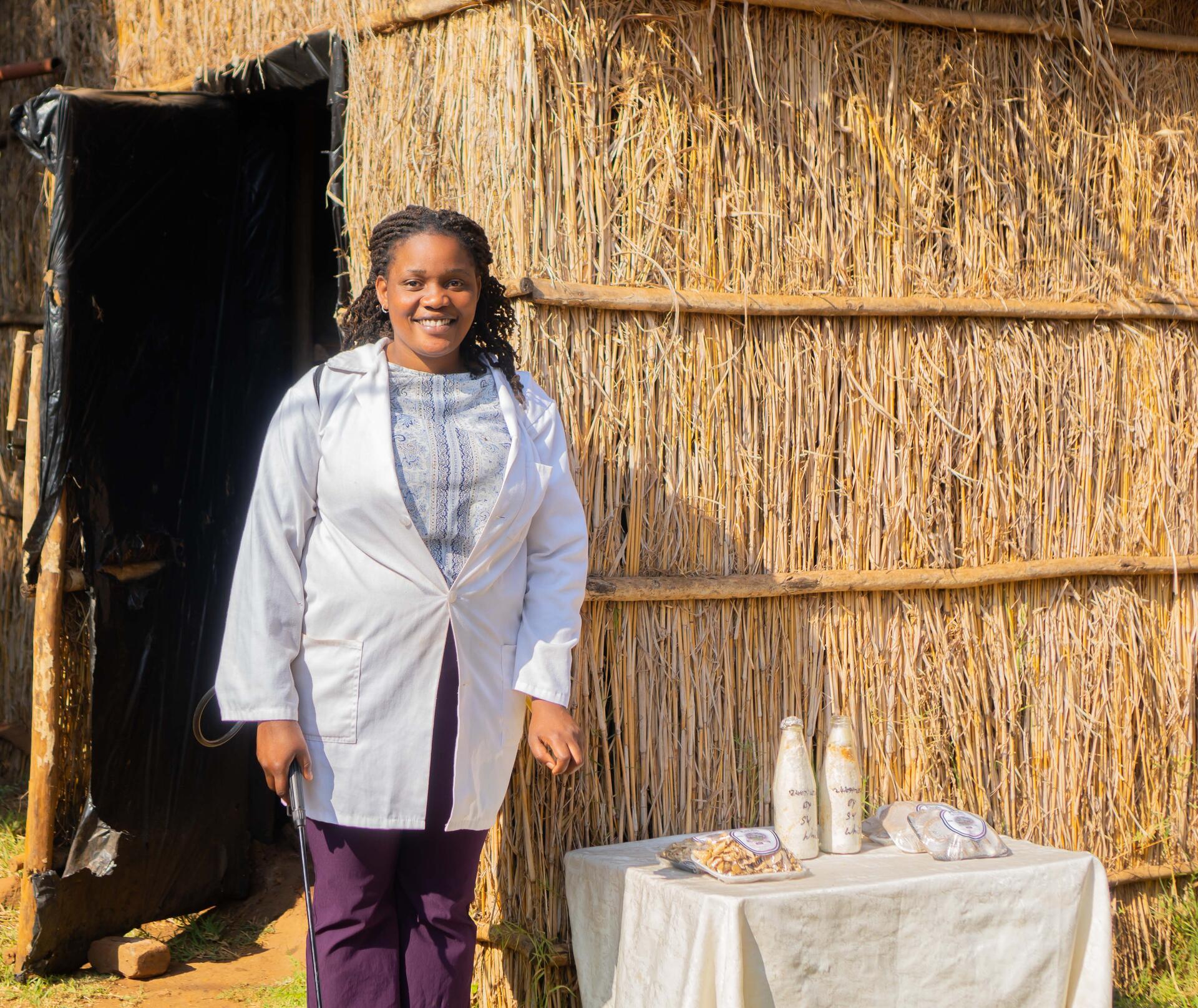
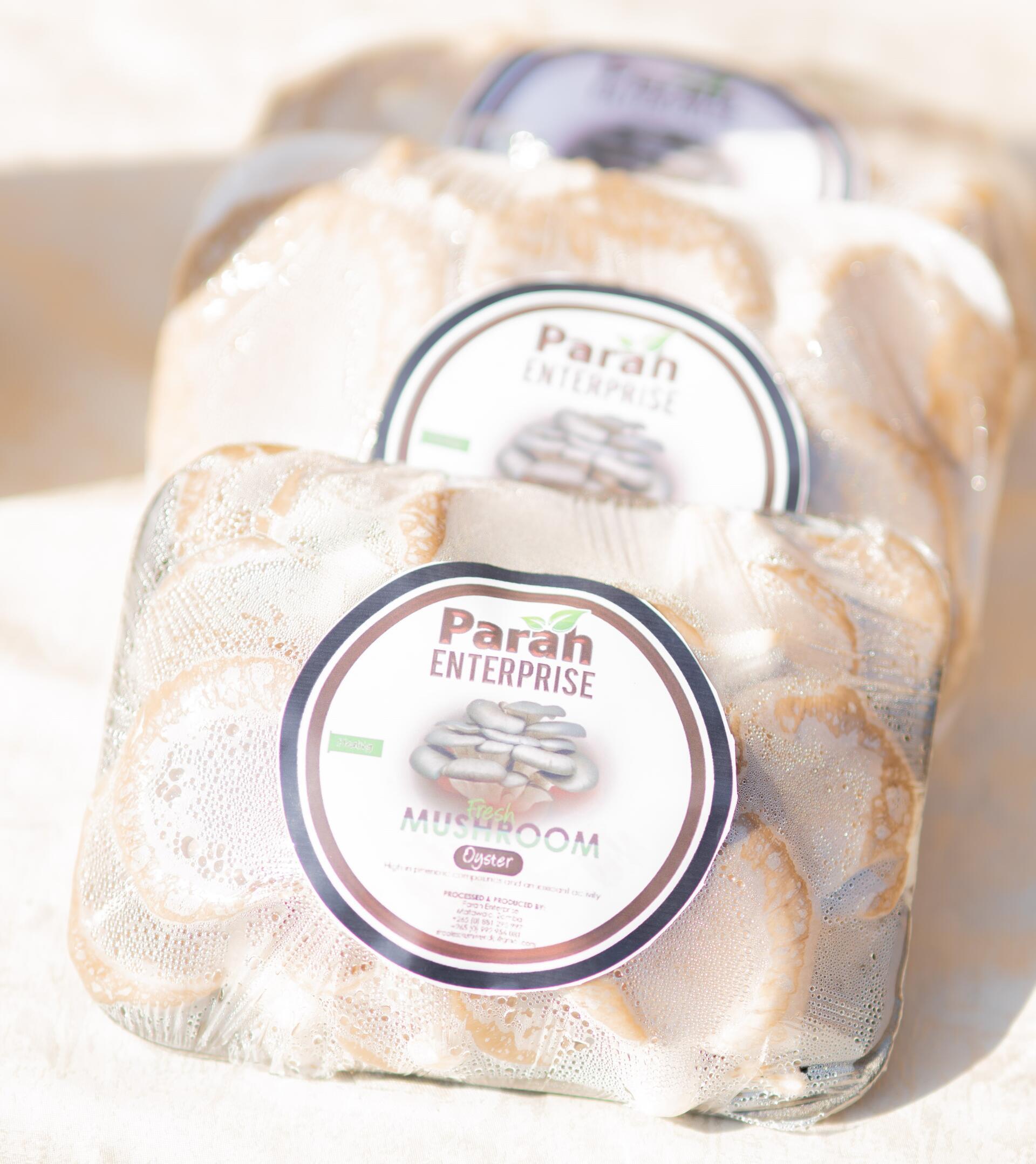
Rita now produces mushrooms throughout the year. She reports weekly output of 70-100 packs, compared with 10-12 packs when she started, and says she sells almost all her production. A pack now sells for MWK 3,500, up from MWK 2,500 when she began.
Monthly sales have grown from approximately MWK 100,000-120,000 in the early stages to MWK 900,000-1.4 million today, before expenses.
Her customers include individuals, restaurants, hotels and institutions such as the University of Malawi. Fresh mushrooms sell best, followed by dried mushrooms.
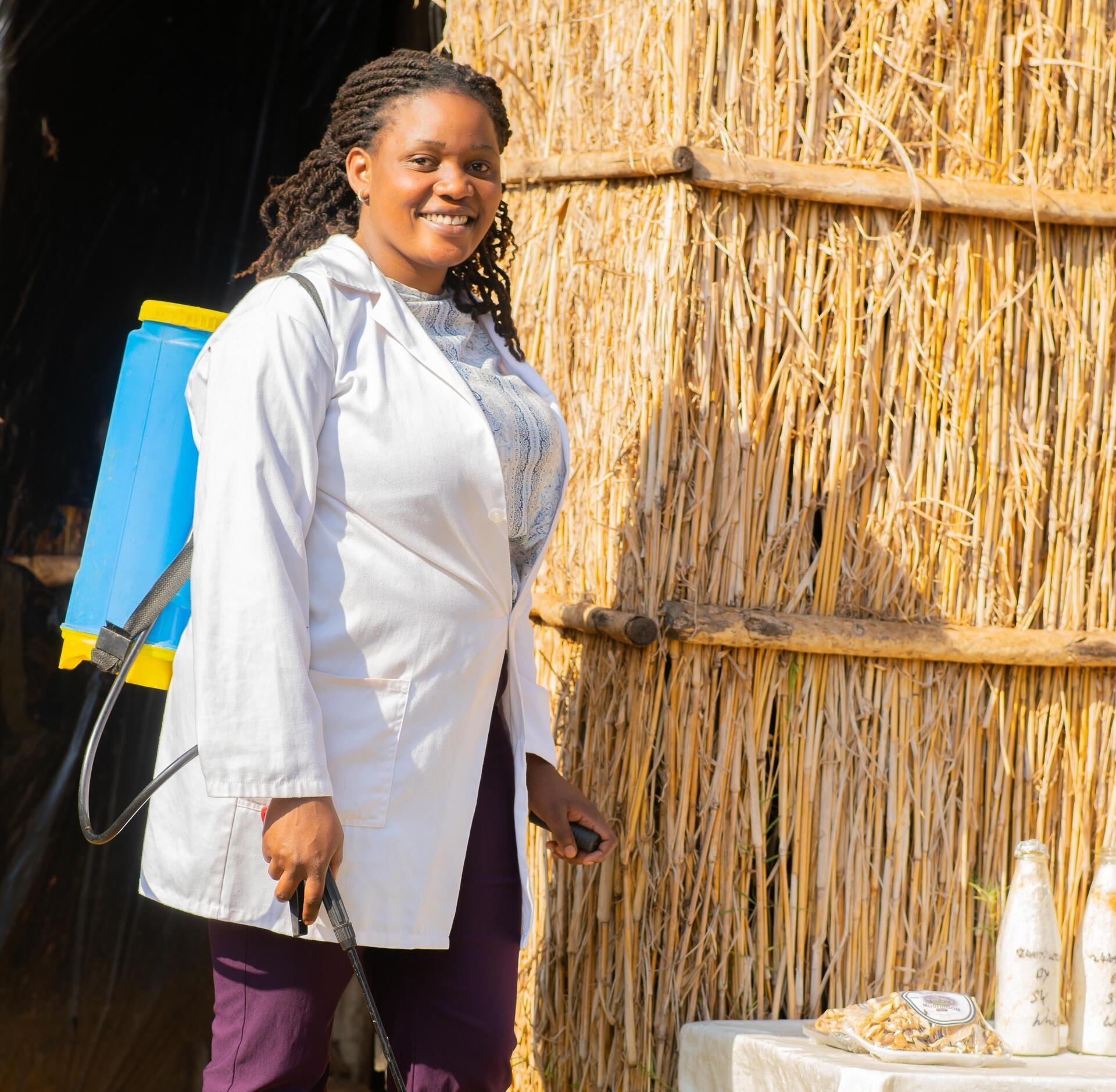
As production developed, Rita introduced dried mushrooms and mushroom crisps to reduce post-harvest losses and add value. Processing offered additional ways to use a perishable harvest and sell it in different forms.
The enterprise employs three full-time workers, each earning MWK 120,000 per month, and engages five part-time workers as needed, paying MWK 15,000 per day depending on the work undertaken. Rita reports that the business has strengthened her household’s financial stability while creating paid work for others in the community.
Applying business skills to further funding
The skills Rita acquired through incubation remained useful beyond establishing production. She secured $5,000 from the Tony Elumelu Foundation in 2024, followed by $13,000 from the National Youth Council of Malawi and $9,600 through the University of Malawi’s Community Actionable Research Projects for Enterprise (CARP-E) initiative in 2025. Together, these awards amount to $27,600. Funding is being disbursed in tranches, with disbursement still ongoing.
Rita credits BA4Y’s business-plan development and proposal-writing lessons with helping her apply for and secure this support. Skills first used to structure the enterprise also helped her present its plans to prospective funders.
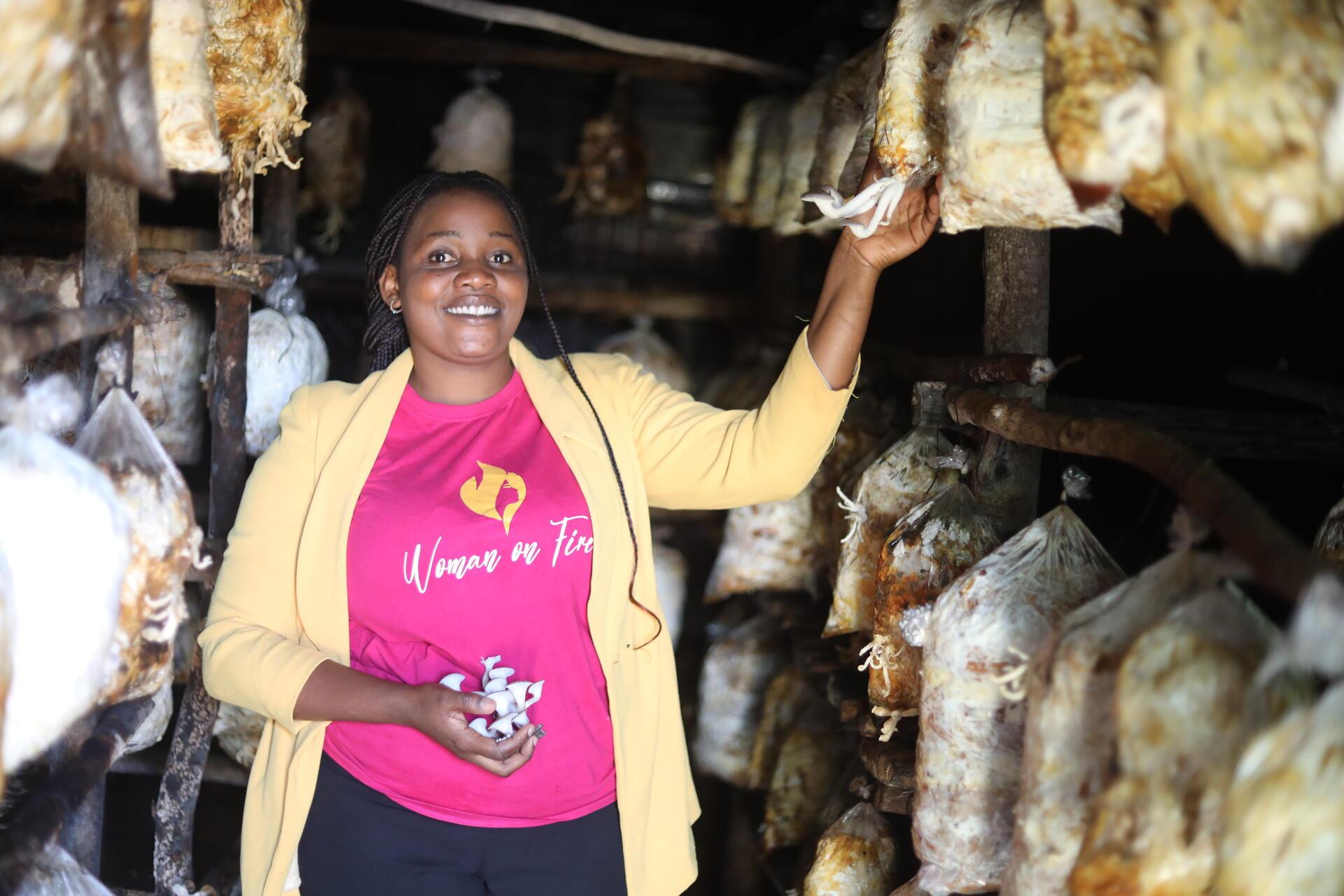
The additional funding has supported equipment, raw materials and land acquisition. Equipment acquired includes a chaff cutter, incubator, dehydrator, oil remover and packaging equipment. Her expansion plans include permanent greenhouses for button and oyster mushrooms and a laboratory on the acquired land. The laboratory responds to a constraint Rita has encountered directly: limited availability of mushroom spawn. She is working towards producing her own spawn to address that shortage.
Extending the impact and the learning
Through CARP-E, Rita has trained 300 farmers in mushroom production. She reports that more than 50 continue to grow and sell mushrooms, extending the application of production skills beyond her own enterprise.
Her journey illustrates how complementary forms of incubation support can help a new entrepreneur progress. Business training strengthened her planning and management; seed funding established production; practical mentorship helped her address technical gaps. She later applied business-planning and proposal-writing skills to secure further funding.
“The most important difference BA4Y made is that it turned my idea into a real, structured business," said Rita.
Keep exploring