
Time2Graze
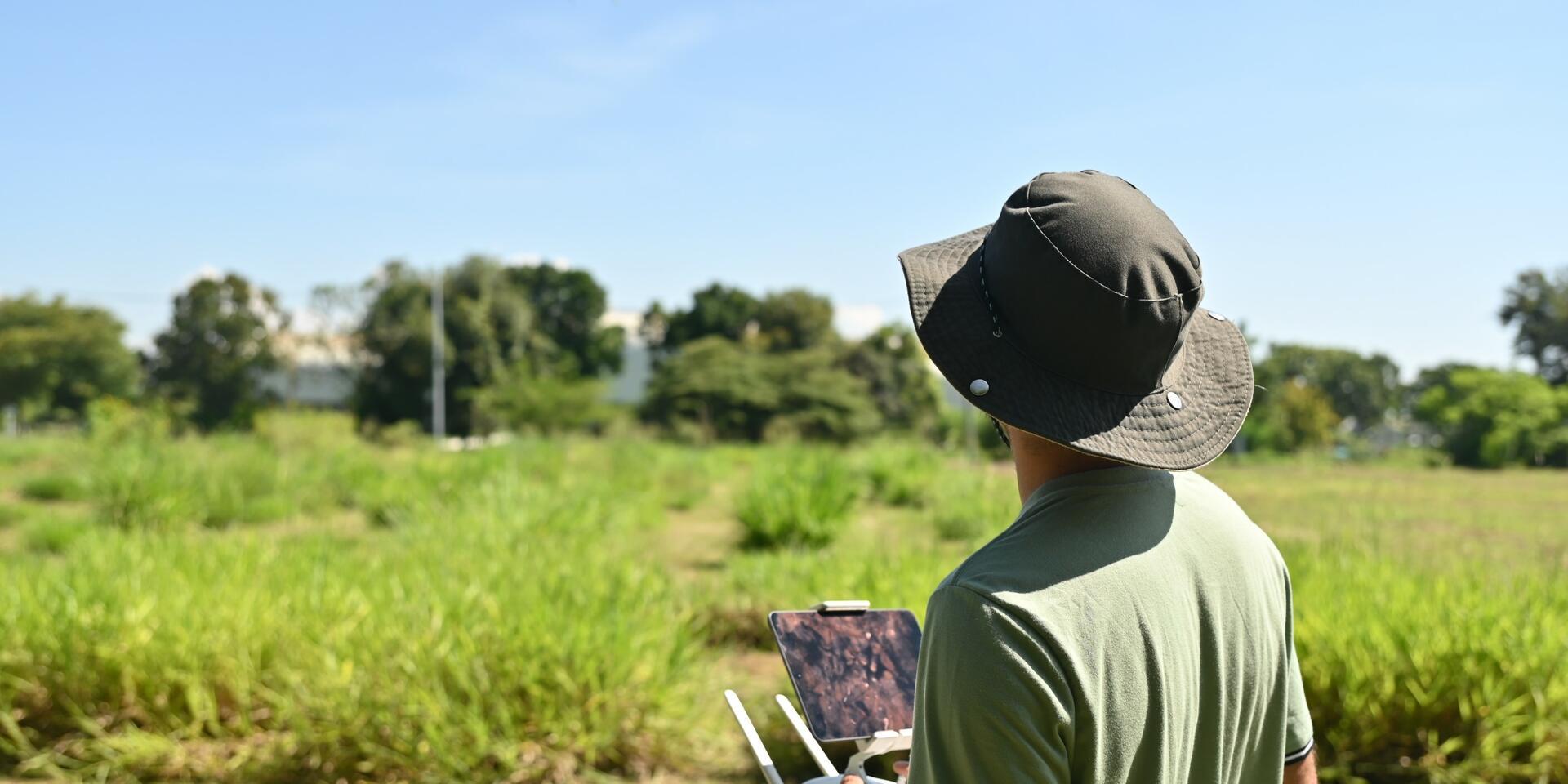
Time2Graze aims to improve grazing management in tropical livestock systems by developing a decision support system (DSS) for farmers in Colombia and Brazil, with the goal of future expansion across tropical Latin America. The DSS will combine earth observation data, pasture models, and user inputs to deliver targeted guidance—such as ground cover alerts and stocking rate recommendations—via SMS, web, and mobile applications.
Project Name (full): Time2Graze: improving grazing management decisions of livestock systems in Tropical America
Start and end date: 2025-2028
Geographic area, countries: Americas; Colombia, Brazil
Funders: Global Methane Hub
Description
More than 90% of methane emissions from ruminants come from grazing or mixed production systems and a vast majority of such emissions occur in Global South countries. Low milk and beef yields per animal in such geographies lead to methane emissions intensities that are 2-6 times higher than in the Global North. There are severe limitations to reduce methane emissions through dietary manipulation cost-effectively on grazing conditions. However, there is a large potential to attain substantial reductions in methane emissions per kilogram of protein produced by applying sustainable grazing management practices. The grazing management decision-making process of farmers, ranchers and pastoralists is based on matching their herd's requirements (demand) with their farm or grazing area's amount of available pasture (supply).
However, timely and accurate information on pasture availability is not available nowadays and direct estimations are extremely time consuming or unaffordable. Recent advances of proof-of-concept research are combining diverse types of satellite data to estimate pasture biomass weekly with good enough accuracy. This could enable the construction of a public data system able to provide geographically explicit (10m resolution) and near real-time (5-7 days) information of pasture biomass for the decision-making of different users. Nutritive value estimations based on satellite data are being explored too with some early success. The biomass data needs to be available to target users (livestock producers and their advisors or employees) as actionable information to improve their decision-making process.
Given that both production systems and the people in charge of them are highly heterogeneous across the globe, such information needs to be tailored to their needs and preferences. There is a wide experience in the technology industry related to the design of DSSs using a 'user experience design' approach: an iterative process that enhances the usability and future rate of adoption of tools by involving the users in the design and development process. For this purpose, it is important to engage and empower local public and private organization's that represent such target users in each country. These actors will also be determinant for building technical capacity locally for the sustainability and expansion of the improved grazing tools developed.
Key activities
The project will focus on:
- Co-design and prototype: Within two years, co-design with at least 50 diverse stakeholders (livestock producers, researchers, extension agents and the private sector's testing network) in selected pilot regions in Colombia and Brazil and develop a functional DSS prototype. This prototype will integrate earth observation data (Sentinel-1/2), Urochloa/Megathyrsus grasses models, and user inputs to offer tailored guidance that includes (ground cover alerts, e.g., >70% fractional vegetation cover FVC), rotation reminders, stocking rate advice, e.g., ~50% utilization) via at least two channels (e.g., SMS, web, mobile app)
- Validate and refine: By year three, validate the DSS prototype through on-farm trials with at least 20 representative farmers, demonstrating usability (e.g., >70 System Usability Scale score) and achieving ~70% accuracy for earth observation-derived fractional vegetation cover/biomass estimates against ground truth, refining the DSS based on feedback
Project leaders

Juan Andres Cardoso
Plant ecologist and physiologistProject members

Jacobo Arango
Program Leader, Tropical Forages
Alejandra Marín
Scientist I