Sustainable and Agroecological Transition of Food Systems in Africa
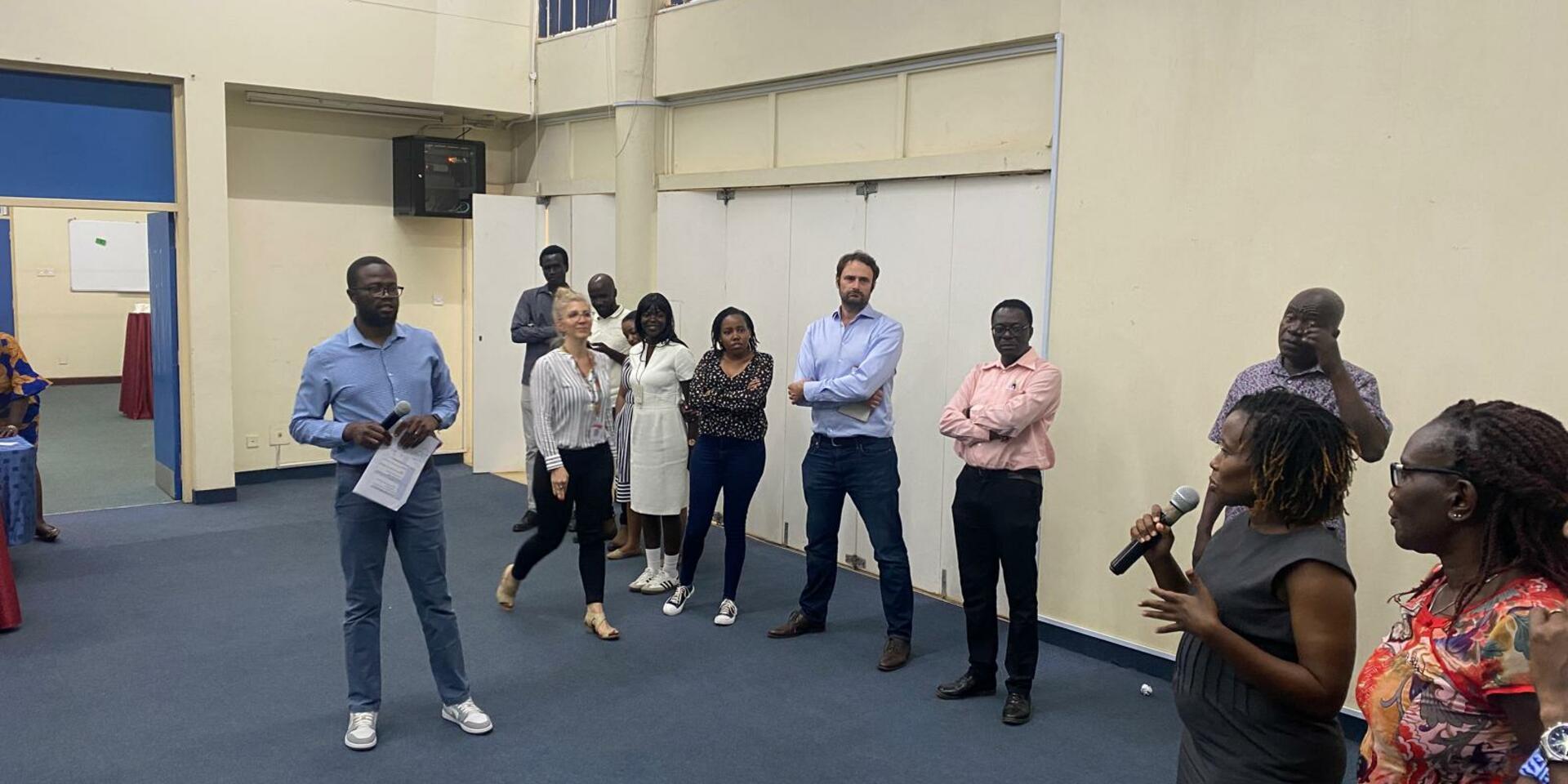
The overall objective of the project is to support public decision-making towards the Green Transition in Africa by providing scientific evidence of the potential of upscaling agroecology with models at different scales, using three different national case-studies in Africa.
Project Name (full): Modelling Pathways for a Sustainable and Agroecological Transition of Food Systems in Africa (MoSAF)
Start and end date: 2025 - 2026
Region, countries: Kenya, Mozambique and Senegal
Funders: It is funded by the Joint Research Center (JRC) of the European Commission as part of the DeSIRA+ project
Partners: SDSN (Sustainable Development Solutions Network), CIRAD
Brief Description
The project aims to contribute to the transformation of agrifood systems in Africa towards increased sustainability and resilience by providing evidence-based arguments on the potential of upscaling agroecology to deliver multiple benefits for food security, nutrition, income, health, environmental sustainability, and local development. It was launched in April 2025 in three African countries - Kenya, Mozambique, and Senegal. These countries represent diverse agroecological zones and contrasting political contexts, providing fertile ground for comparative analysis. This project, which has high potential for capitalization and replicability, aims to equip public decision-makers with robust data, define pathways to accelerate the agroecological transition, and strengthen science-policy interfaces in food systems. Especially, for each country, the first phase of the project will assess the current state of agroecology, synthesize existing knowledge on plausible futures, and understand how quantitative models can contribute to the scaling up of agroecology, together with local actors including decision-makers. In a second phase, identified scenarios will be tested by using modelling tools to understand to which extent and under which conditions agroecology could help policy makers achieve several objectives at national level: food security, income and job generation, climate mitigation and biodiversity conservation targets, among others.
Key activities
- Review of scenarios developed, methods used, and results from existing foresight initiatives through literature review and discussion with stakeholders (participatory workshops);
- Co-development with stakeholders of new scenarios to close knowledge gaps and inform the agroecological and sustainable transition of food systems in Senegal, Kenya and Mozambique;
- Identification of data needs and gaps to be able to develop models and simulate the relevant scenarios;
- Development of models at different spatial levels to quantify synergies and trade-offs across environmental and socio-economic outcomes of implementing the scenarios;
- Engagement with stakeholders at all steps of the project to orient the modelling process and ensure the up-take of the project’s findings;
- Increasing local capacity to use models and scenario analysis in decision-making;
- Dissemination of results with stakeholders and policymakers.
Project leaders
Sarah K. Jones
ScientistProject members
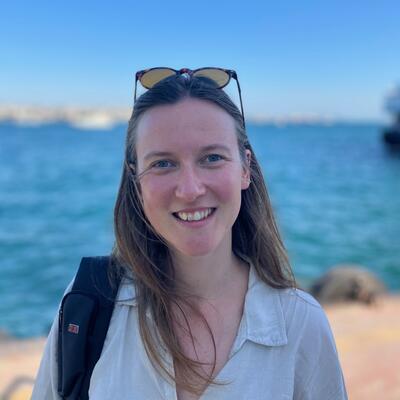
Charlotte Chemarin
Research Associate