Livestock Champion Farmers
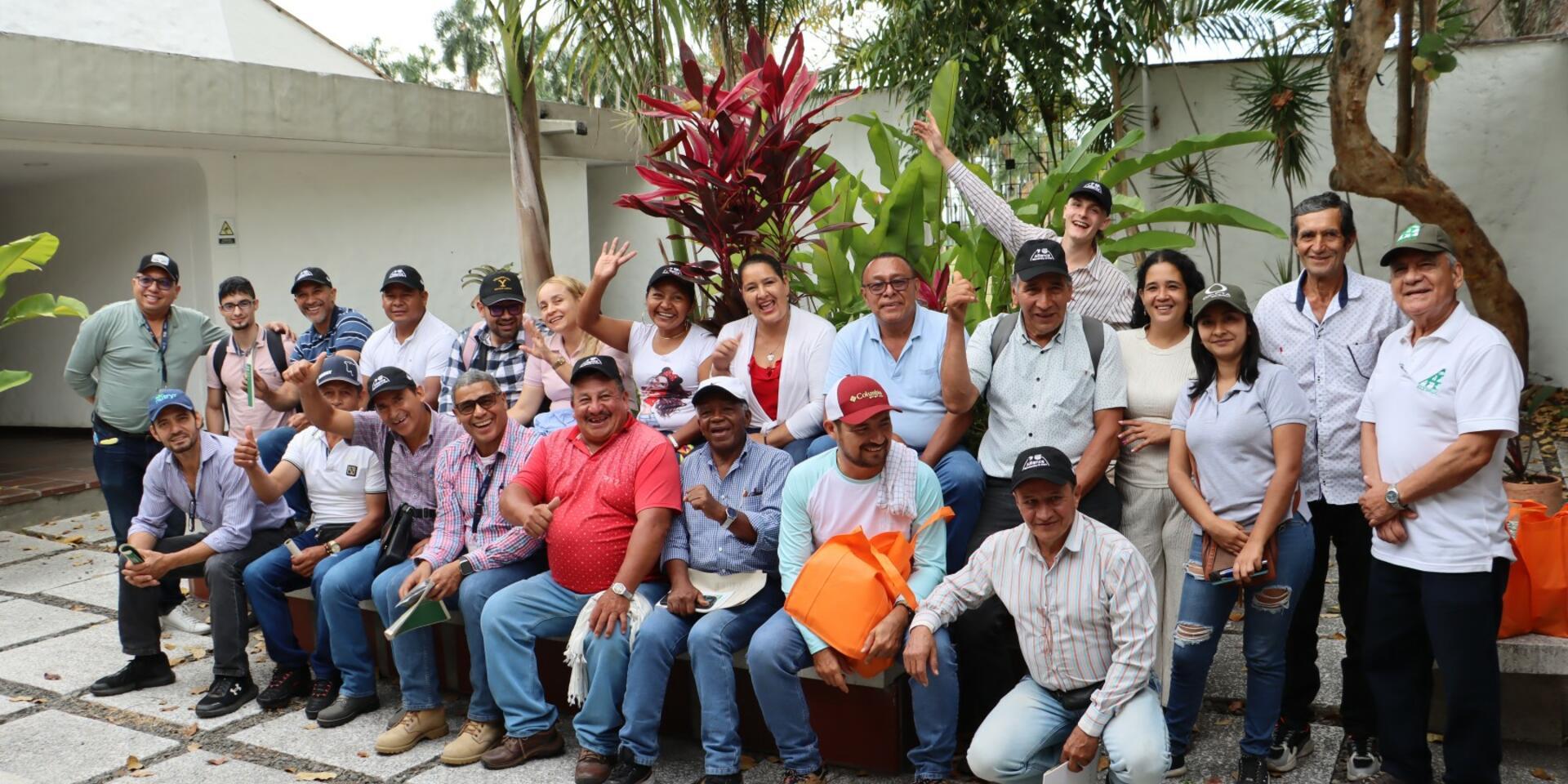
Project name: Capacity Building for Small- and Medium-Scale Livestock Producers in Valle del Cauca
Start and end dates: 2026
Geographic area: Valle del Cauca, Colombia
Funding: Sustainable Animal and Aquatic Foods (SAAF)
Partners: ILRI, WorldFish, Azoovalle (Asociación de Zootecnistas del Valle), and municipal secretariats of agriculture in Valle del Cauca.
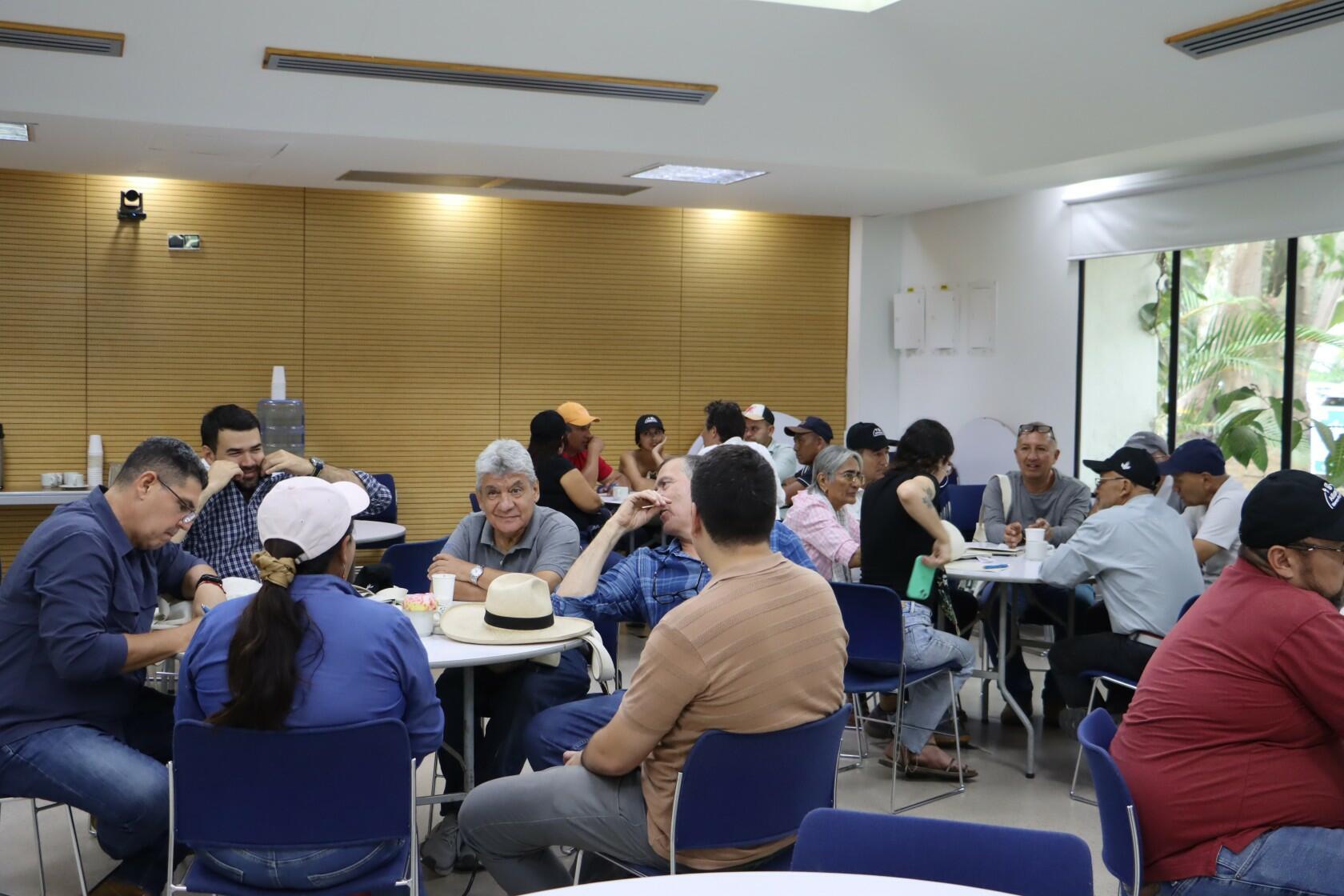
The project seeks to accelerate the transition toward more sustainable and climate-resilient livestock production in Valle del Cauca and northern Cauca by promoting the adoption and scaling of technologies, forage materials, and livestock practices adapted to local conditions. Its approach combines producer training and networking, the identification of lead farmers who can help spread knowledge and practices, and the establishment of pilot sites and demonstration plots that bring solutions developed by the Alliance of Bioversity International and CIAT directly to local communities. At the same time, the project works with institutions and other sector actors to strengthen capacities, build partnerships, and advance actions that support the scaling of these solutions, while integrating climate information into farm-level decision-making.
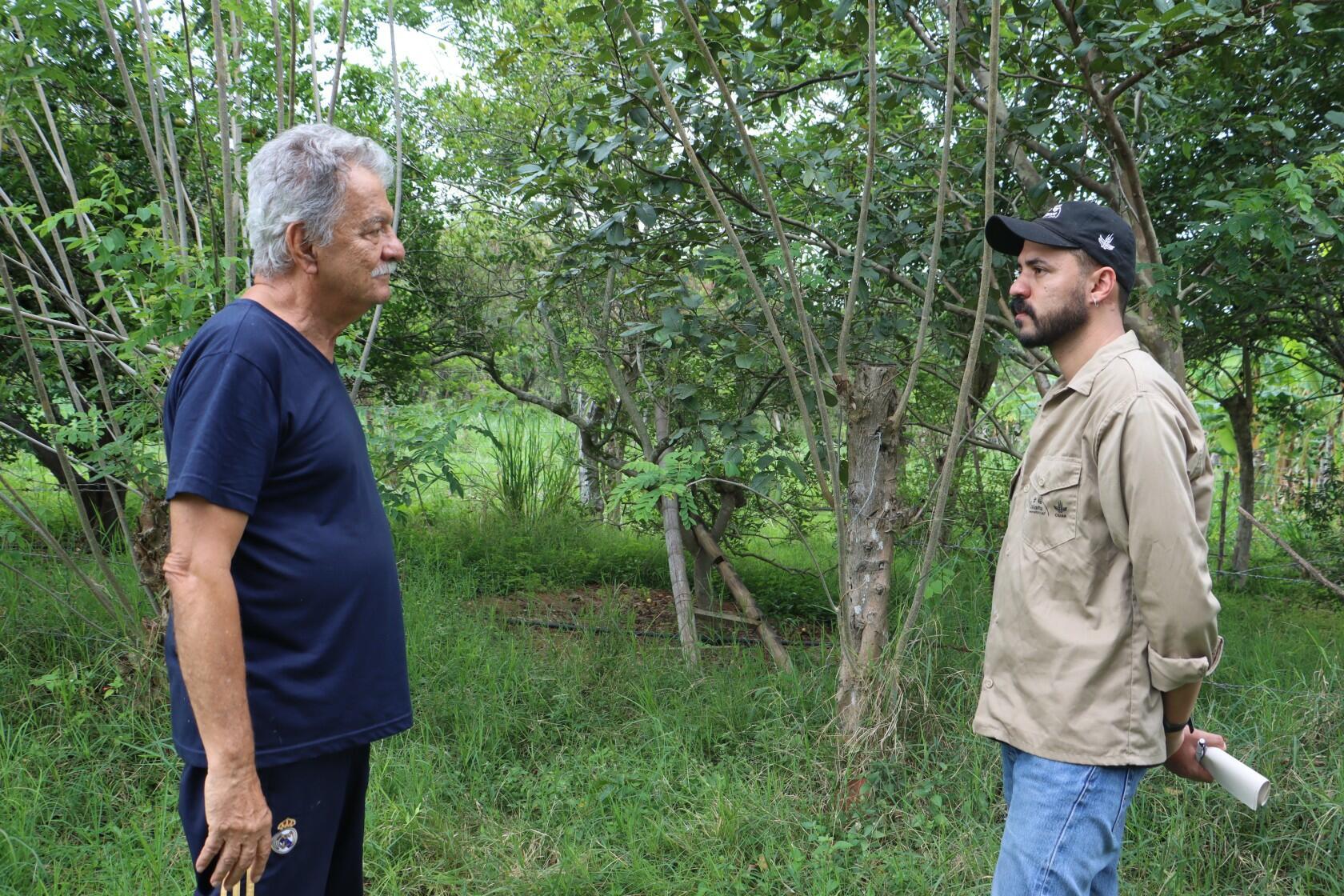
Livestock production in Valle del Cauca and northern Cauca faces challenges linked to climate variability, deforestation, low productivity, and limited biomass availability during dry periods, as well as the impacts of floods and other extreme events. In this context, adopting sustainable livestock practices and forage materials suited to changing climate conditions can help maintain productivity, strengthen the resilience of farming systems, and reduce emissions associated with livestock production. However, adoption also depends on producers’ ability to access and use climate information when making production decisions. There is an opportunity to connect these two components so that producers can make better-informed decisions under changing climate conditions.
The project proposes an integrated approach that combines the technical knowledge and technologies developed by the Tropical Forages Program with climate information and local capacities. In addition to facilitating access to forage technologies and sustainable practices, it seeks to understand producers’ needs, interests, and barriers to adoption, while exploring opportunities for diversification such as water harvesting, aquaculture (with WorldFish), and animal genetics (with ILRI). Activities will take place directly in local communities through a network of producers, lead farmers, and demonstration plots where solutions can be tested, adapted, and replicated under real-world conditions. This approach aims to strengthen the Alliance of Bioversity International and CIAT’s presence and experience in the region and generate models that can be replicated in other communities across Colombia.
Key activities
- Assess producers’ needs, interests, and capacities, including their access to, understanding of, and use of information on extreme climate events.
- Facilitate the adoption and scaling of technologies, forage materials, and sustainable livestock practices developed by the Alliance of Bioversity International and CIAT and its partners.
- Establish pilot sites, trials, and demonstration plots with lead farmers who can serve as local champions and help spread knowledge and practices within their communities.
- Integrate climate information with sustainable technologies to strengthen farm-level decision-making and resilience to events such as droughts and floods.
- Identify opportunities for production diversification and synergies with other technologies and expertise available in the region.
Project leaders
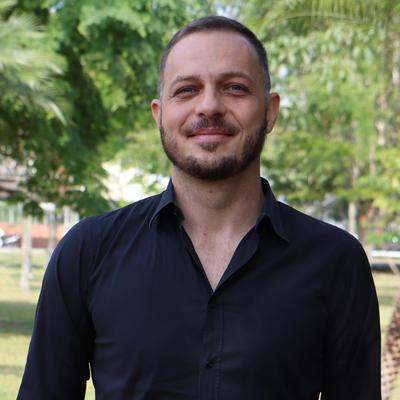
Stefan Burkart
Senior Scientist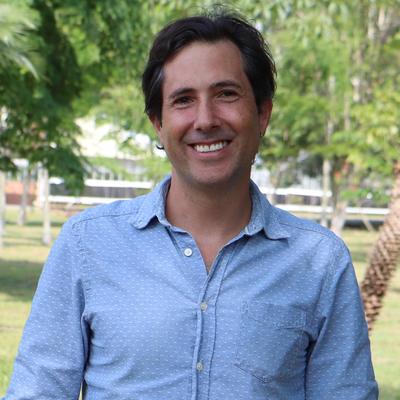
Juan Andres Cardoso
Plant ecologist and physiologistProject members
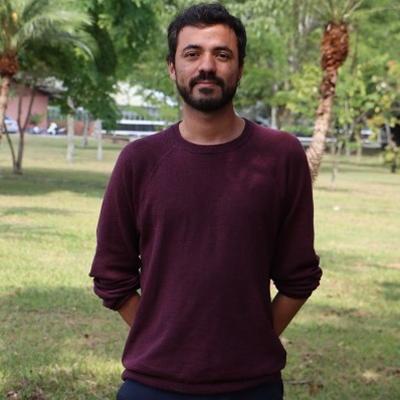
Danny Sandoval
Research Associate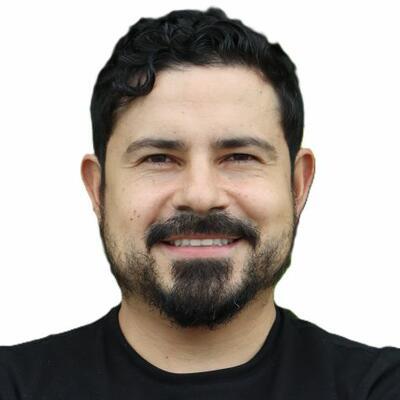
Alejandro Ruden
Research Coordinator
Mauricio Efren Sotelo-Cabrera
Research Coordinator II
Mateo Pazos Cárdenas
Research Associate
Natalia Triana-Ángel
Postdoctorate Researcher, Gender and Social Inclusion
Mildred Mayorga
Research Coordinator I