Projects and Flagship Initiatives in Zimbabwe
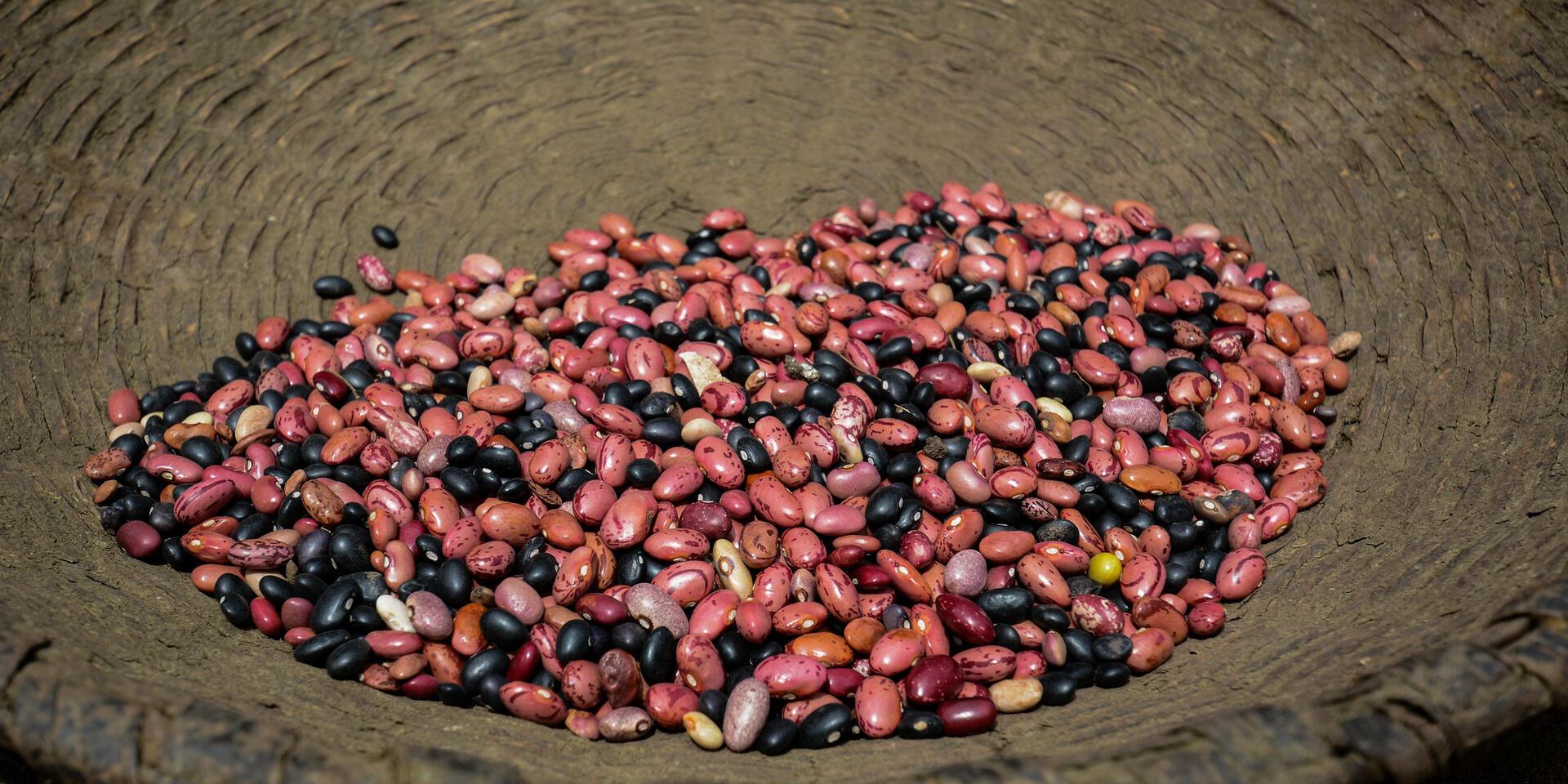
These projects and flagship initiatives in Zimbabwe are designed to strengthen smallholder farming systems, enhance natural resource management, and support the country’s Vision 2030 goals for sustainable development.
Support to the Agroecology Coalition Secretariat
This project, supported by IFAD and the European Commission (EC), aims to strengthen global coordination and implementation of agroecology as a transformative approach to food systems. While agroecology is increasingly recognized as key to addressing climate change, biodiversity loss, and declining soil health, efforts remain fragmented across countries and institutions, limiting scale and impact. Supporting the Agroecology Coalition Secretariat enables better coordination among stakeholders, alignment of policies and strategies, mobilization of financing, and dissemination of evidence and best practices. This in turn accelerates the transition toward more sustainable, resilient, and equitable food systems, particularly benefiting smallholder farmers in vulnerable regions.
Building Equitable Climate-Resilient African Bean and Insect Vectors (BRAINS)
The BRAINS Project aims to transform agriculture in 15 African countries by integrating beans, beneficial insects, and fruit trees like mangoes, citrus, and avocados, promoting low-carbon practices, and enhancing climate resilience, particularly among women and youth farmers through climate-smart technologies. It is implemented by PABRA and icipe in partnership with several NARS and private sector actors.
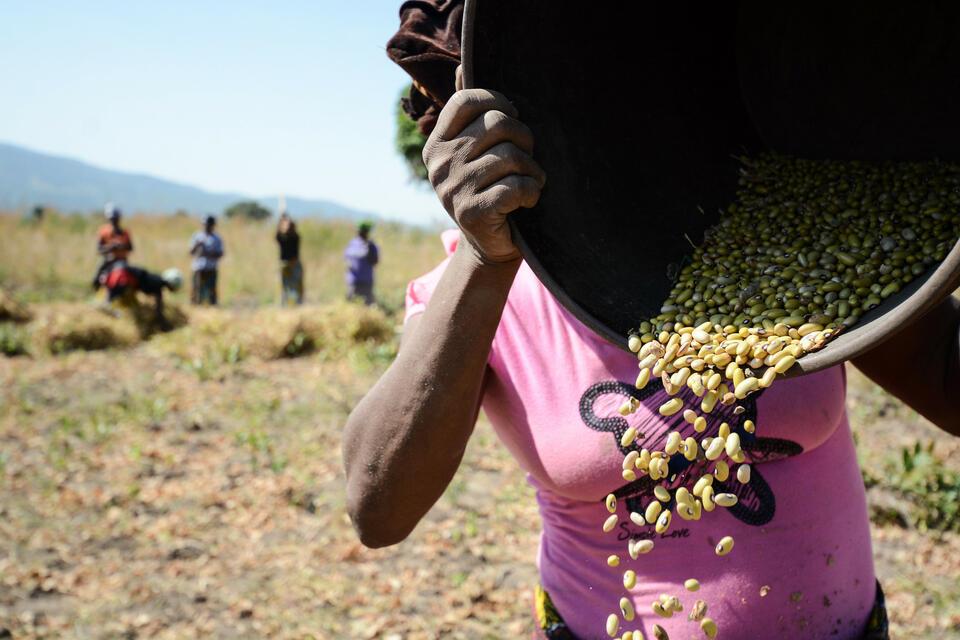
Demand Led Capacity Building Framework for the Bean Corridor Approach Project
The PABRA Academy is a capacity-building initiative of the Pan-Africa Bean Research Alliance (PABRA) aimed at addressing identified capacity building gaps of partners along the bean value chain. The PABRA Academy Fellowship is sponsored by PABRA, a constituent of the Alliance of Bioversity International and CIAT. Using PABRA's capacity-building framework, which is aligned with the bean corridor approach, the PABRA Academy seeks to identify and address the knowledge and skills gaps initially with national bean researchers and expand to other actors and institutions at the three bean corridor hubs of production, aggregation and consumption while corresponding with essential activities and processes along the bean value chain in Africa.

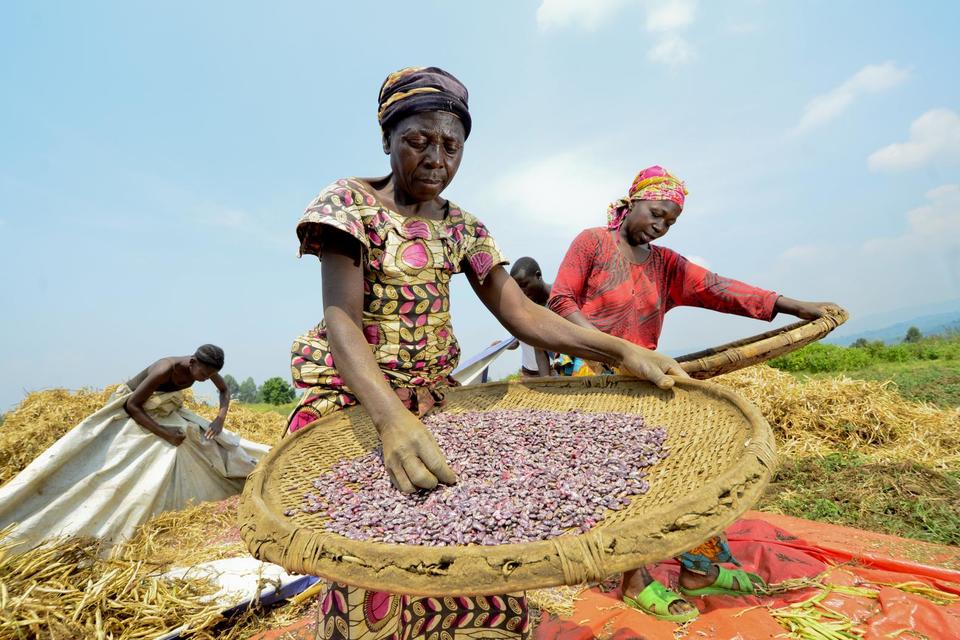
Beans For Women For Empowerment In Eastern DRC (BEANS4WOMEN)
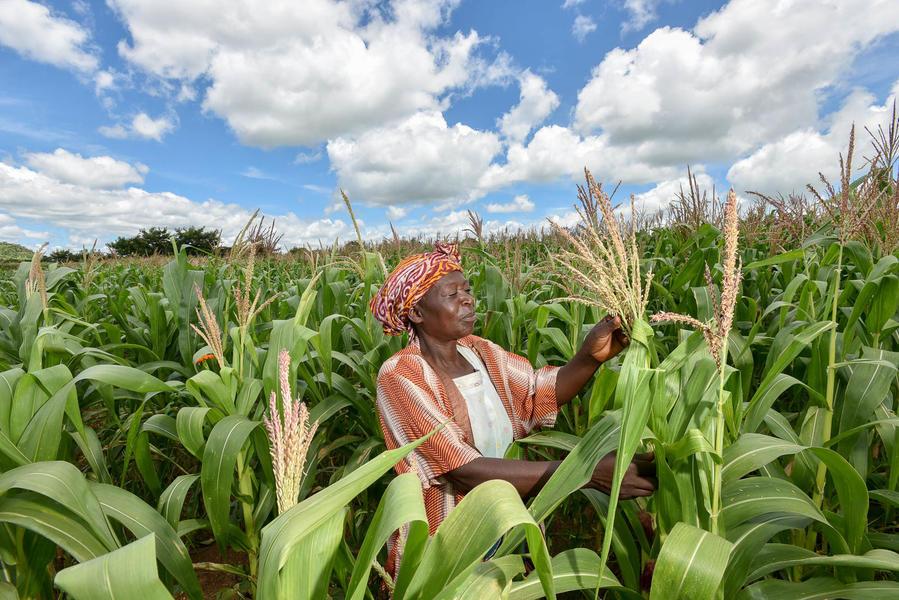
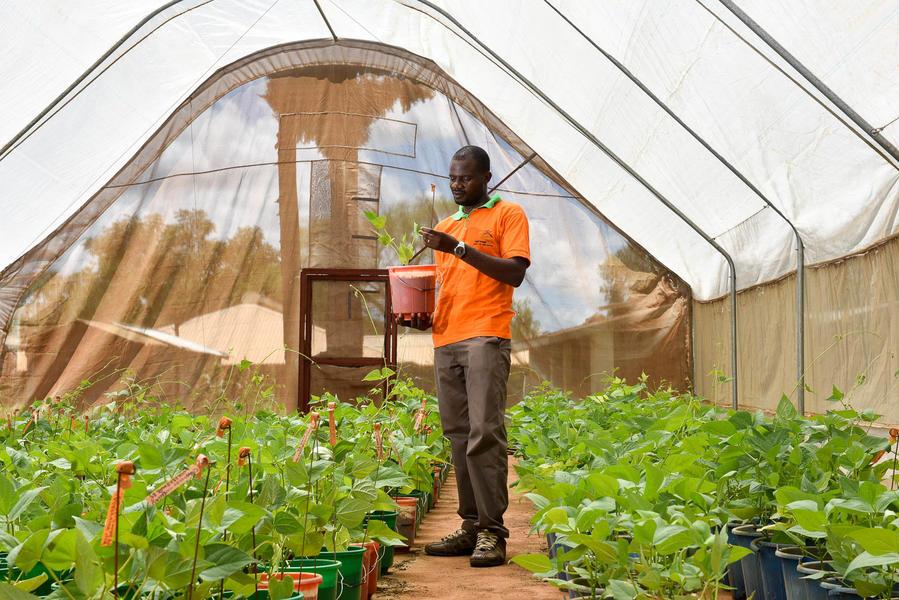
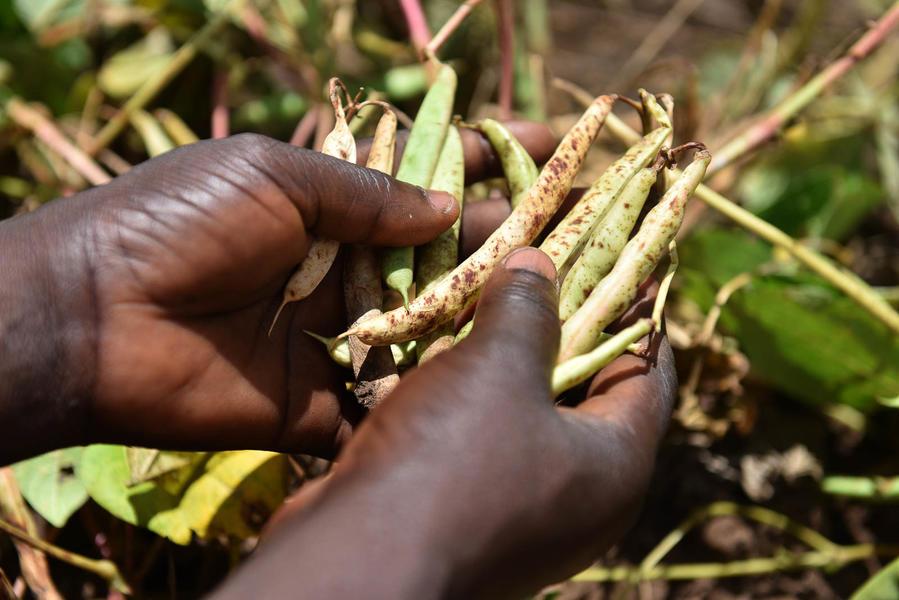
Beans for Women for Empowerment (B4WE) project seeks to improve the entire beans value chain by providing rural women with resources, training, and social support to transform their lives and uplift their communities.
Technologies for African Agricultural Transformation Phase II (TAAT II)
TAAT aims to deploy proven agricultural technologies to transform farming practices in Zimbabwe. This initiative focuses on improving crop yields, reducing post-harvest losses, and increasing farmers' incomes, thus contributing to national food security and economic growth.
1000 Farms Research Platform
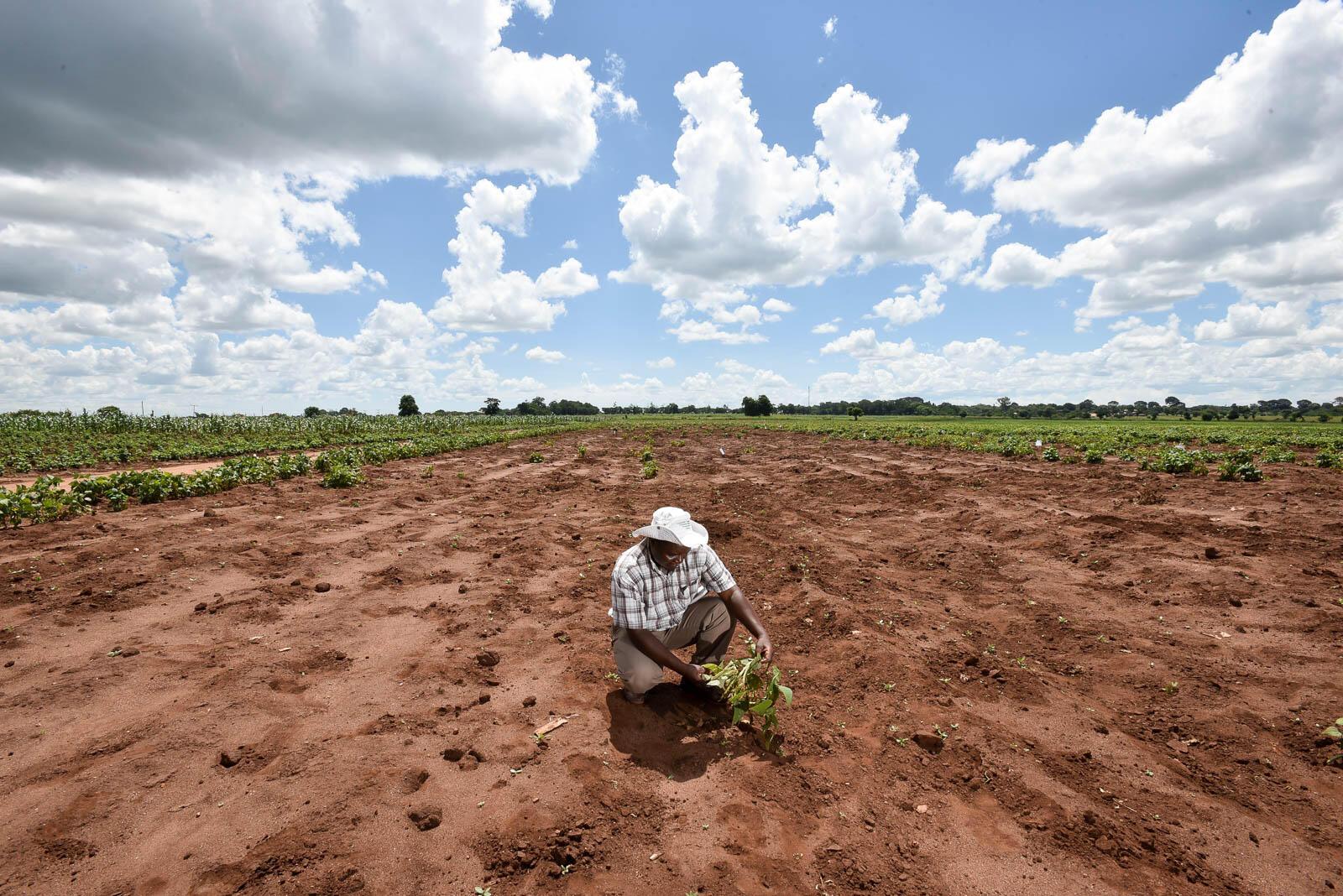
Funded by the Gates Foundation, the 1000FARMS Research Platform is an Africa-wide initiative to improve on-farm testing of new crop varieties by generating reliable performance data and farmer feedback under real field conditions. It builds a network of digitally supported on-farm trials that engage farmers in testing and validating candidate varieties so that breeding programs can deliver high-performing, climate-adapted, and farmer-preferred crops. The platform uses participatory approaches, digital tools, and data science to close the gap between breeding research and farmers’ needs, helping ensure that new varieties are suitable for local environments and can be recommended for scaling.