Projects and Flagship Initiatives in the Philippines
Building on decades of research and partnerships in the Philippines, our work brings together climate science, biodiversity conservation, digital innovation and locally relevant solutions to address the interconnected challenges facing farmers, food systems and natural resources.
Championing agriculture resilience
The Alliance’s long-standing partnership with the Philippines’ Department of Agriculture has paved the way for more context-specific interventions to reduce smallholder farmers’ susceptibility against climate-related risks and adapt with its inevitable impacts.
National planning and investments for resilience
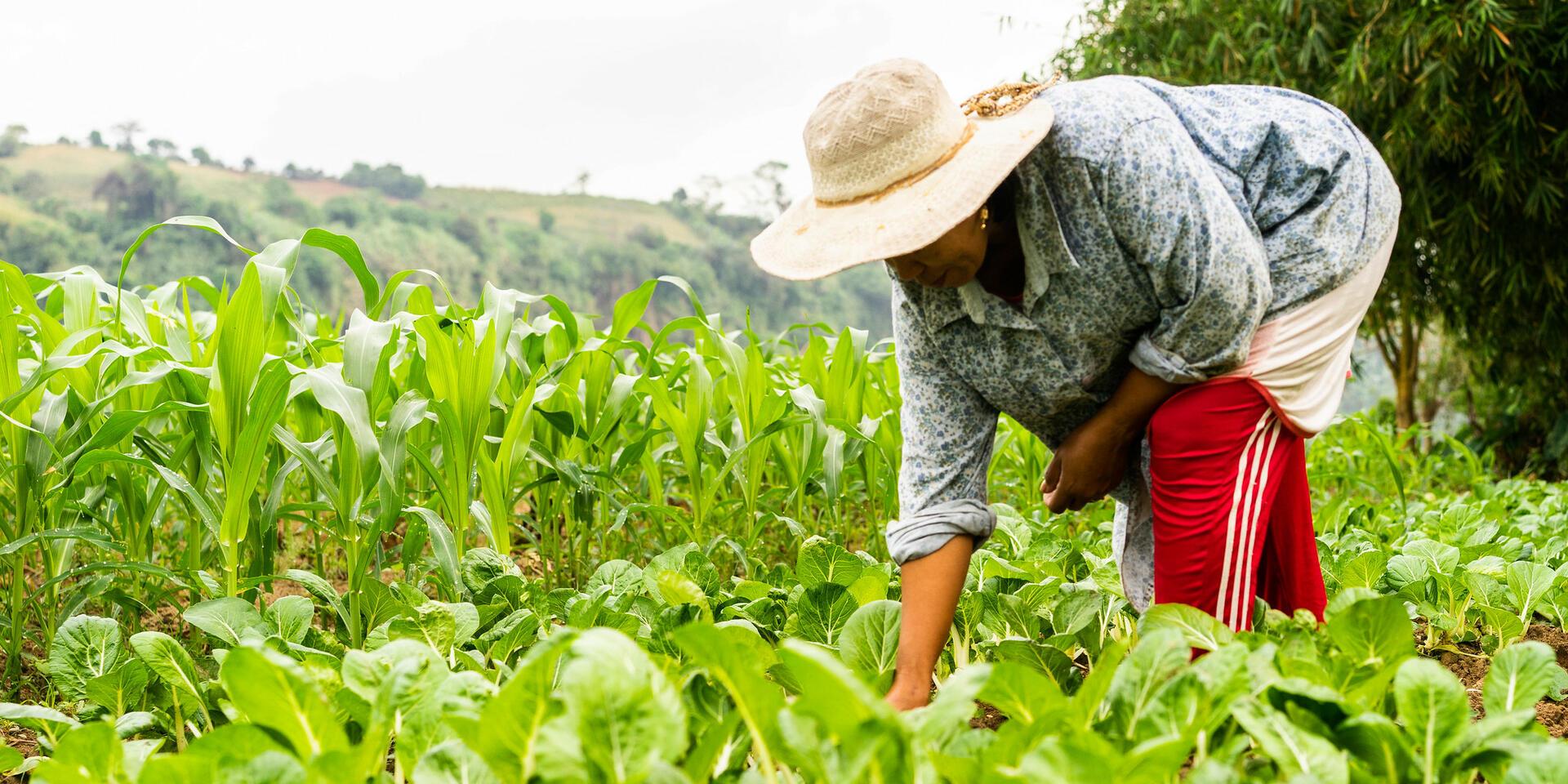
We have supported several Climate Risk and Vulnerability Assessments (CRVA) to support the Department of Agriculture’s flagship climate resilient agriculture initiative: Adaptation and Mitigation Initiative in Agriculture (AMIA) projects. This work identified and prioritized Philippine municipalities and relevant crops that are highly vulnerable to climate risks at high-resolution, providing a key step in building climate resilient communities.
Such comprehensive assessment framework is crucial in guiding decision-makers from national, regional, and local posts in implementing short-term and long-term adaptation measures for the agri-fisheries sector. Following the institutionalization of the department's Climate Resilient Agriculture Office (CRAO) in 2020, the work on CRVA has been integrated in the commodity investment planning to help better prepare farmers and other value-chain actors in adaptation and response. Starting with only 10 selected provinces, the department has now completed 82 CRVA maps for all provinces throughout the country.
Delivering timely climate advisories for major commodities
Considered the biggest portfolio of the Alliance in the Philippines, the work on climate information services weave weather and climate data with socioeconomic and spatial data. Through the development of decision support tools and a series of capacity sharing initiatives, the Alliance and partners implemented the Agro-Climatic Advisory Platform (ACAP) for the production and dissemination of localized climate information services, which was piloted in the Bicol region in 2022.
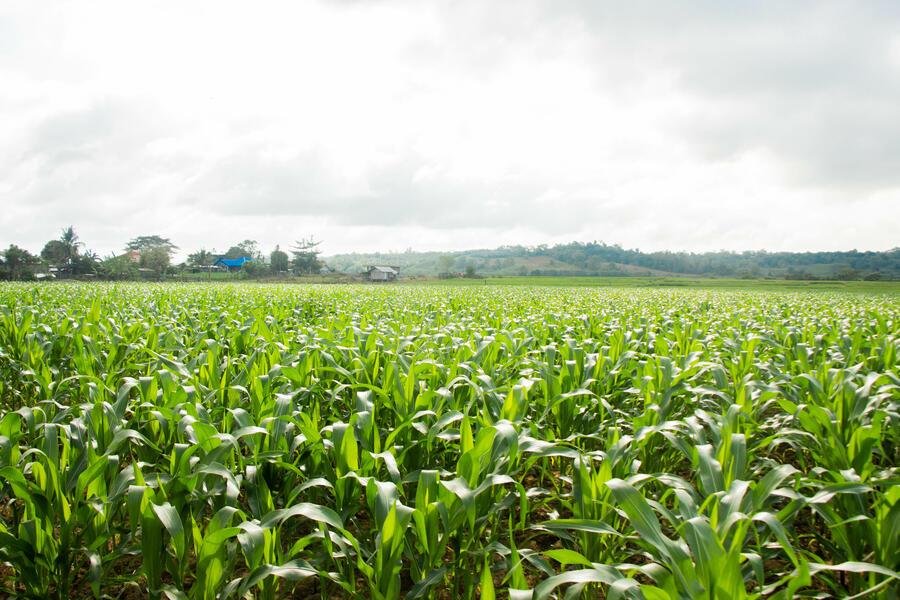
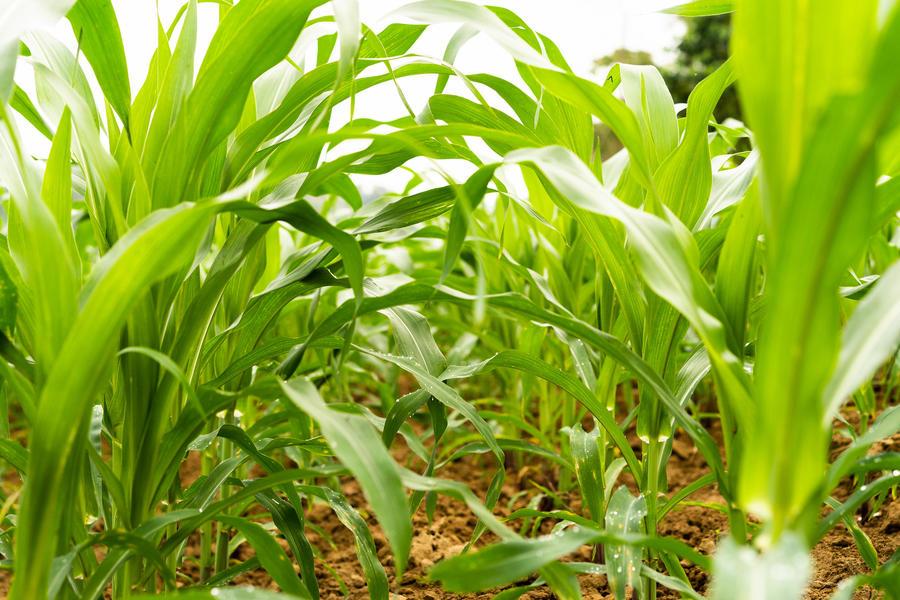
In partnership with the University of the Philippines Los Baños Foundation Inc. (UPLBFI), the web-based platform acts as a centralized hub incorporating meteorological data, crop growth stages from field data collection, and expert-driven crop recommendations to enable smallholder farmers, and local agricultural officers and extension workers, to access near real-time and tailored agro-advisories that are weather-adjusted for selected crops: rice, corn, cassava, and vegetables.
In 2023, the Department of Agriculture (DA) ordered the roll-out of the platform to all 17 other regions in the country to enhance de-risking capacities of the local agrifood sector against critical risks associated with unpredictable changing weather patterns. The web-based platform has since expanded to the Western Visayas region.
"ACAP has the potential to be integrated into disaster preparedness and early warning systems, as its decision logic can help identify triggers for dry spells, droughts, and floods."
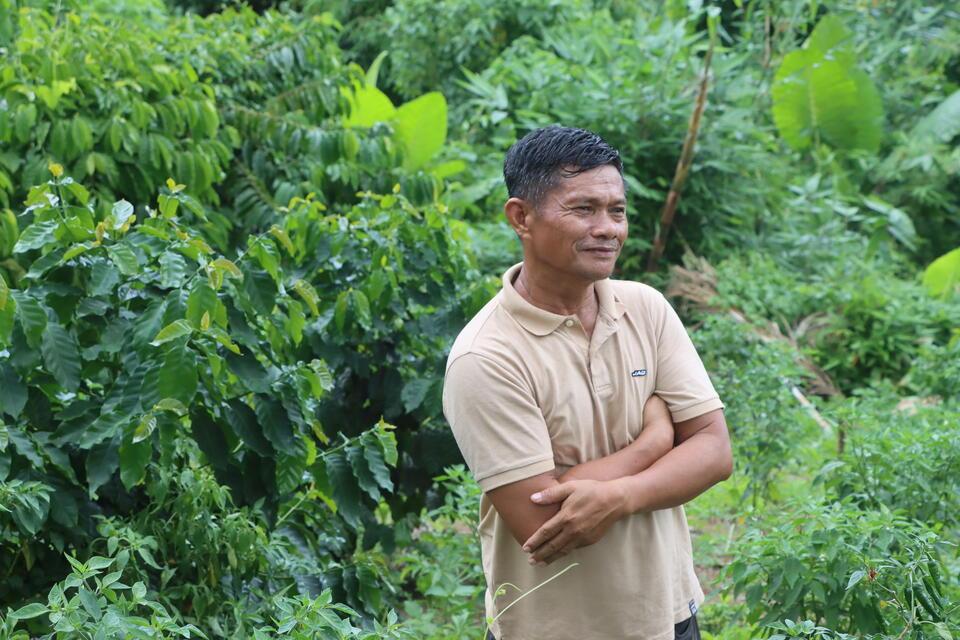
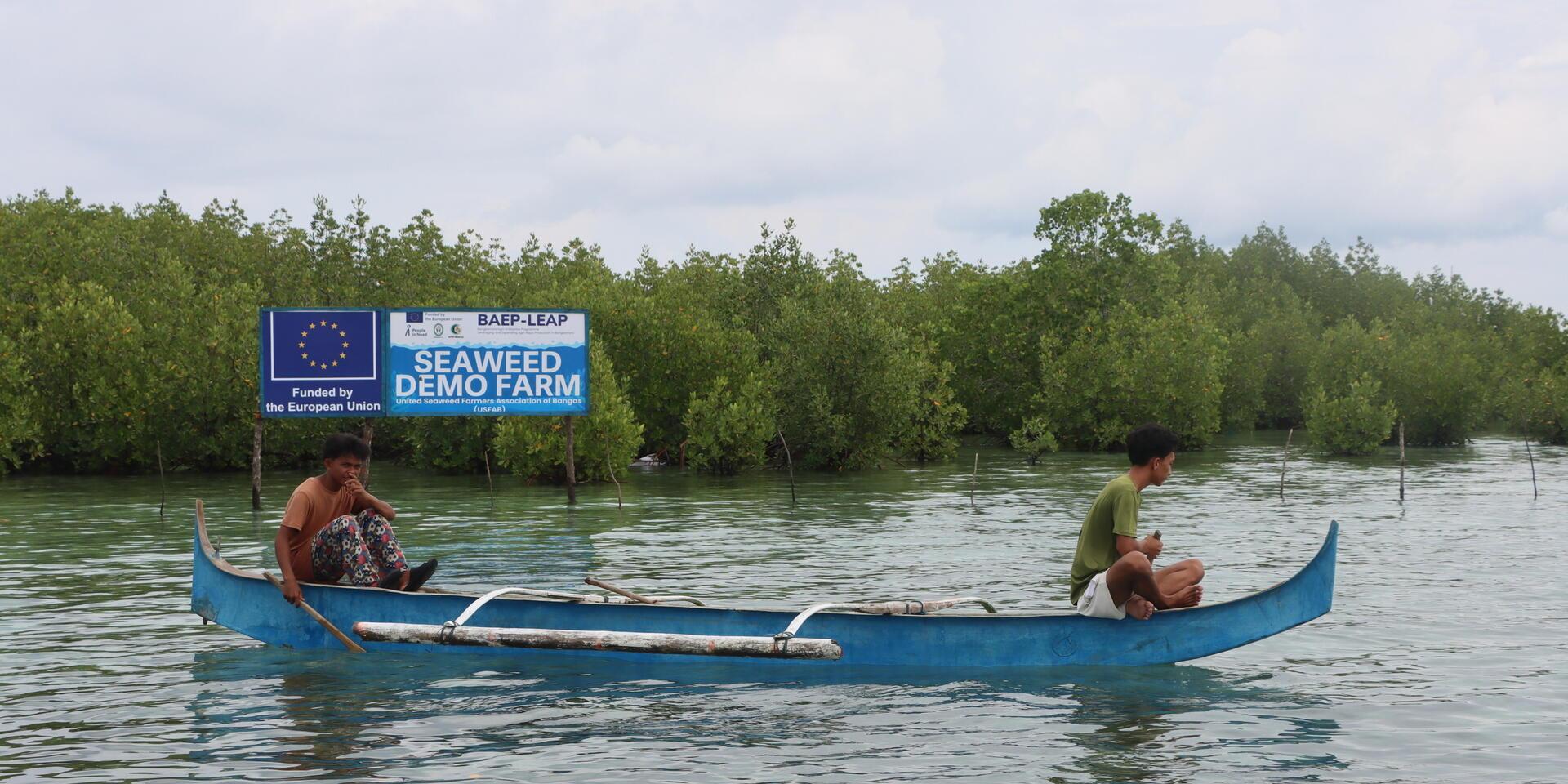
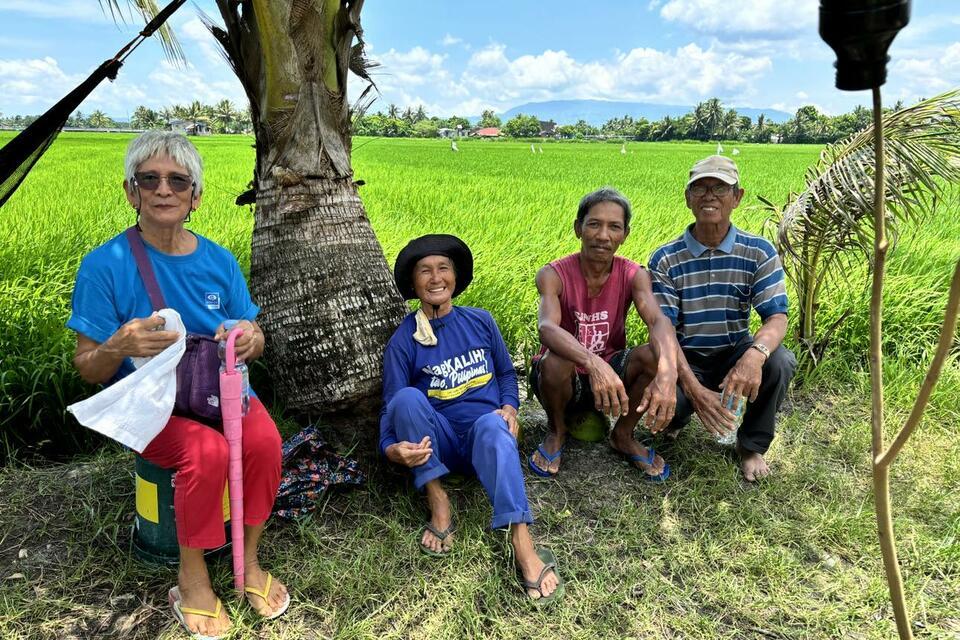
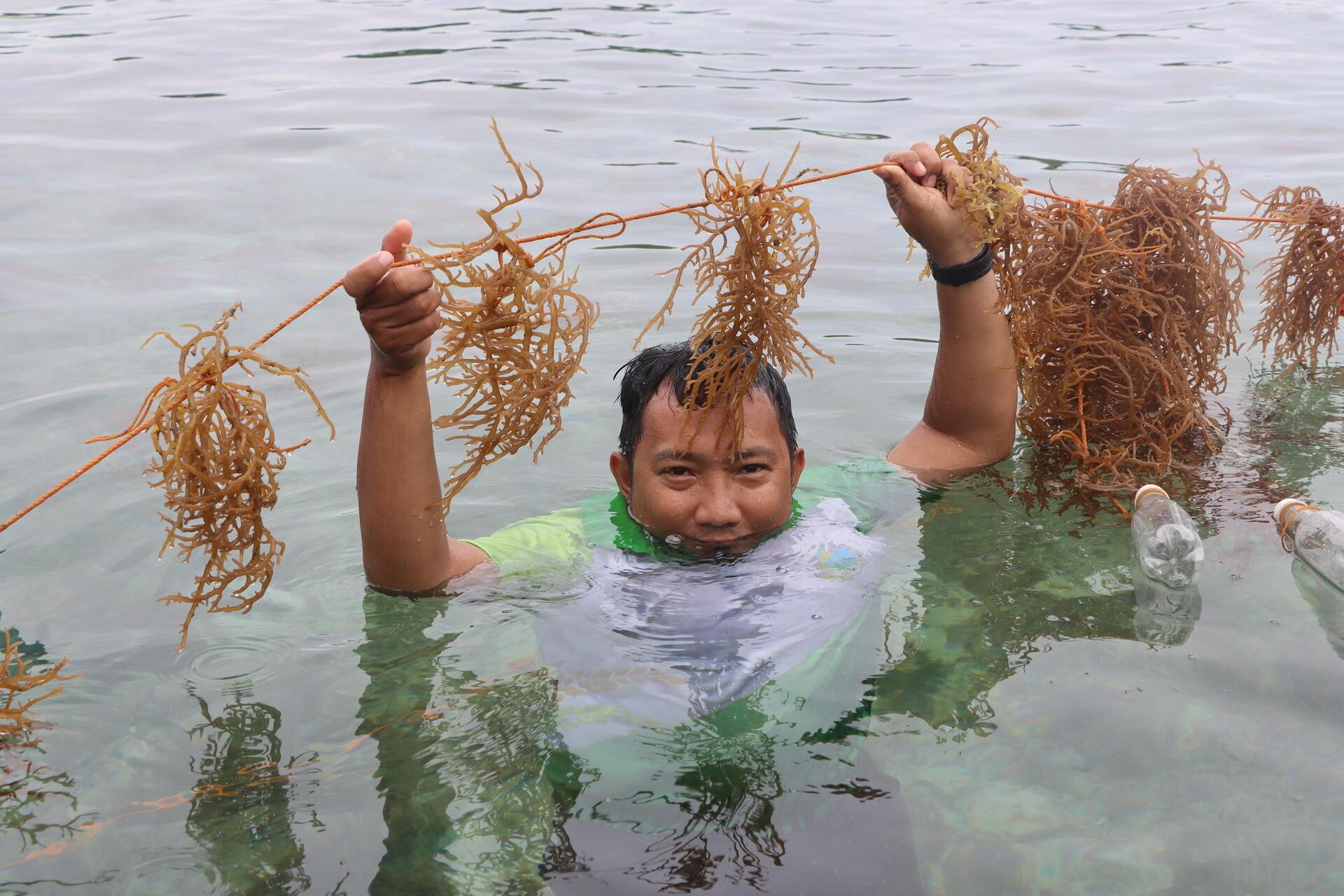
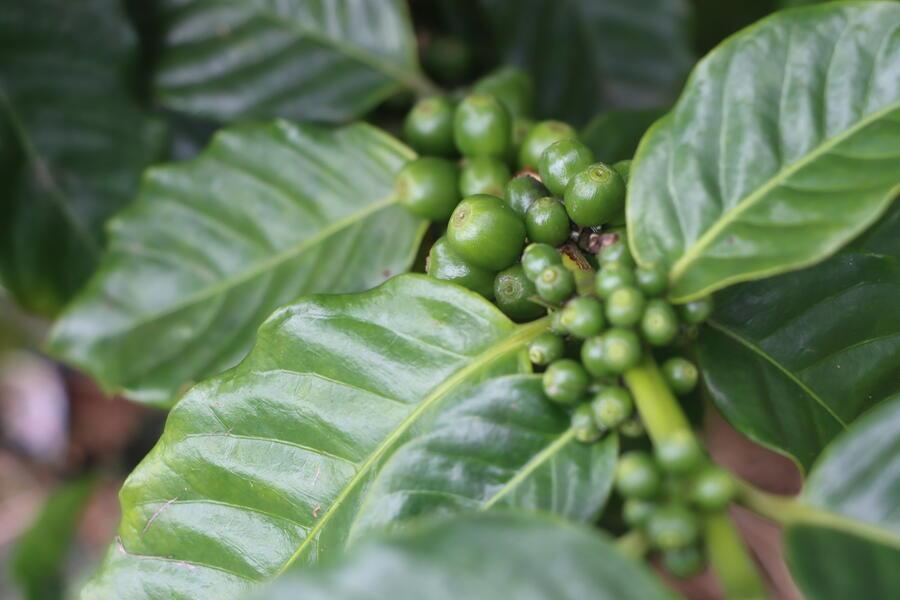
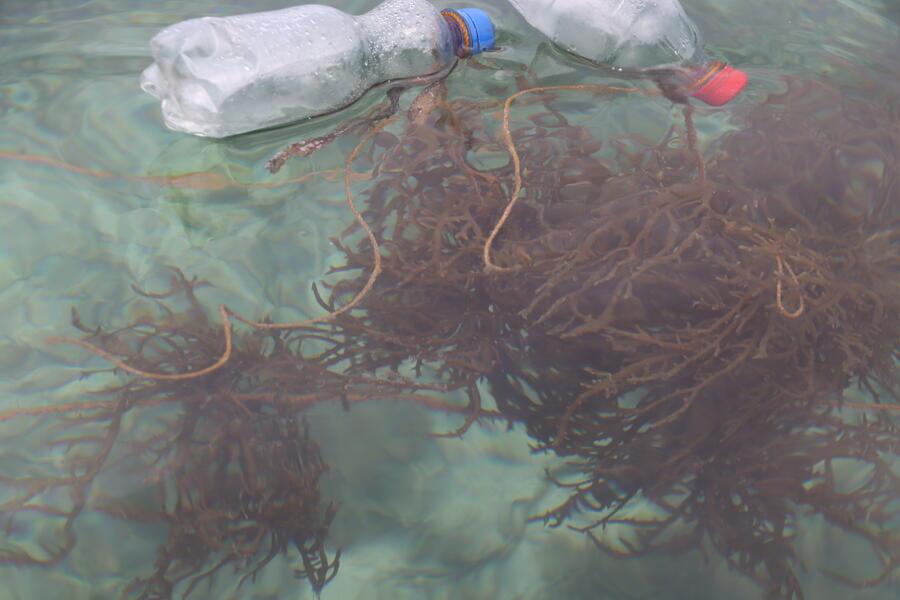
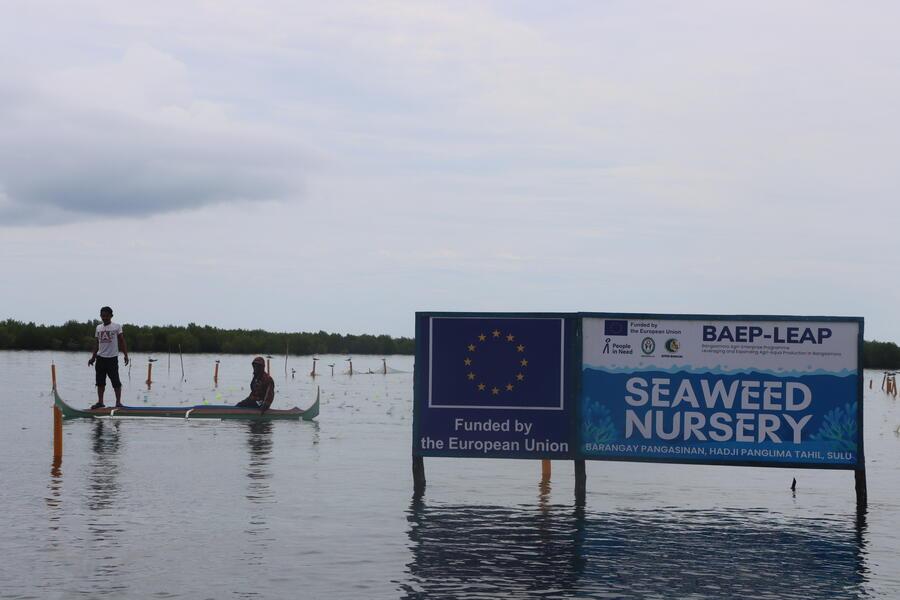
As the country continues to face high exposure to the climate crisis, particularly amid the potentially crippling impacts of the 2026-2027 Super El Niño phenomenon, the Alliance Climate Action team partnered with People in Need (PIN) to develop climate information service platform to support smallholder coffee and seaweed farmers in the Bangsamoro Autonomous Region in Muslim Mindanao (BARMM). The services platform uses large language models to generate context-specific advisories, combined with user-centered delivery to support smallholders managing key climate risks in three island provinces of Basilan, Sulu, and Tawi-Tawi.
Both coffee and seaweed are critical economic backbone in the region, each with unique sensitivities to extreme weather events: coffee yields are highly dependent on sufficient soil moisture whereas seaweed is highly sensitive to temperature and salinity.
Facilitating sustainable and inclusive private sector investments
Scaling up cooperatives and agripreneurs’ resilience against climate threats, the Alliance continues to work closely with private insurance providers to help farmers ensure sustained agricultural productions and increased incomes. With the CGIAR Hub for Sustainable Finance (ImpactSF), our global network of experts innovates tools and approaches to integrate science-based impact metrics in all areas of the investment lifecycle. The Alliance-led ImpactSF bridges the gap between small and medium agri-food enterprises in helping realize their full business potential, as well as investors and financial institutions with solutions to de-risk investments while still aligning with net-zero goals and nature-positive outcomes.
In the Philippines, the Alliance leads in providing technical assistance to cooperatives across the country through training on specific climate smart agriculture practices while ensuring farmers understand the seasonal crop recommendations and tactical management strategies for different seasonal variations.
The Weather Protect Insurance (WPI), developed alongside our partners from IBISA and CLIMBS, is the first parametric insurance in the country to guarantee that farmers and cooperatives receive timely payouts for climate-induced events based on rainfall and wind speed triggers. By December 2023, the insurance product covered more than 36,000 members across 103 farming cooperatives in 71 provinces in the Philippines.
Protecting critical forest landscapes
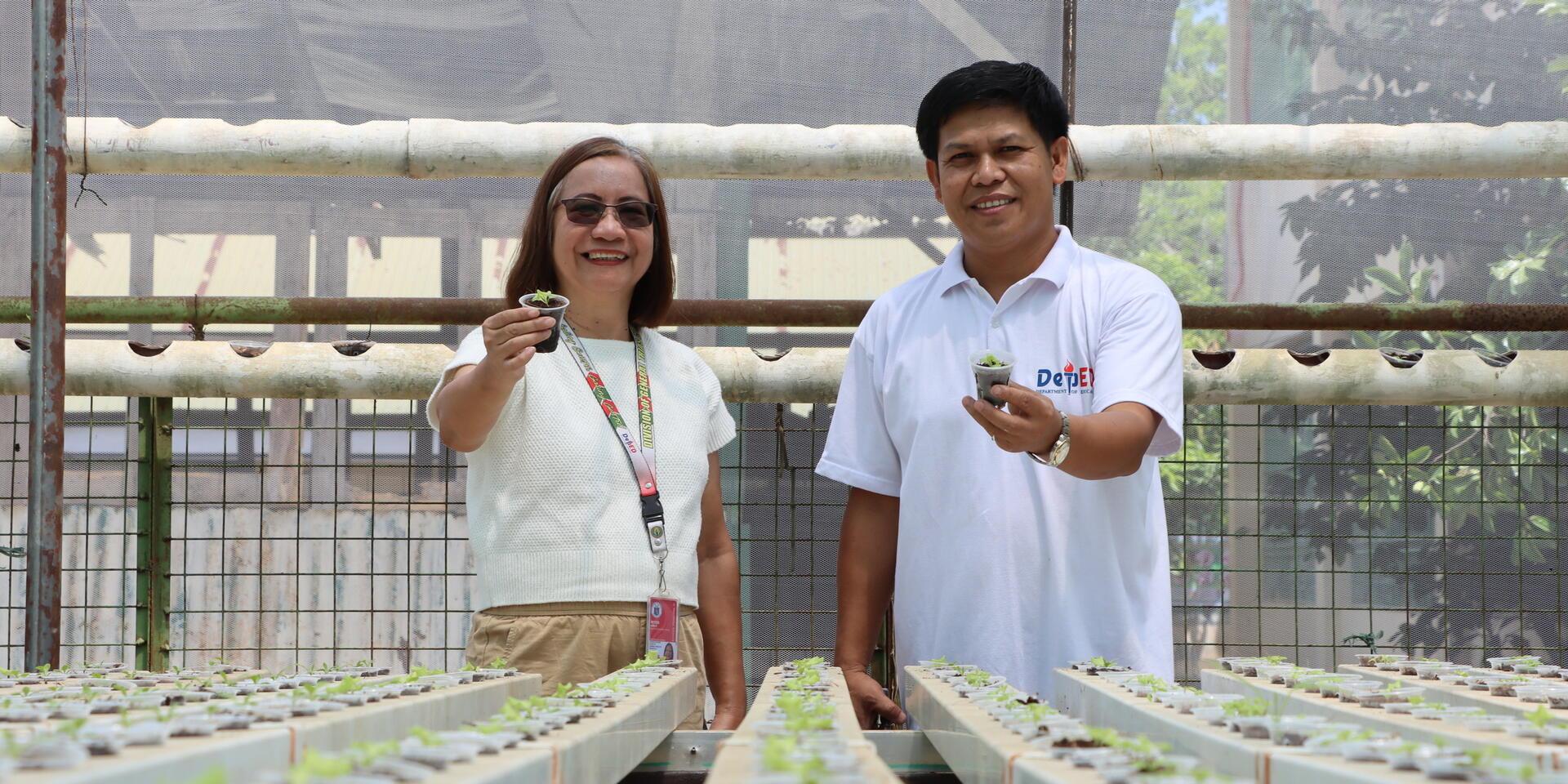
Through the Asia-Pacific Forest Genetic Resources Programme (APFORGEN), the Alliance is working closely with forestry authorities and forest-dependent communities in the Philippines to bolster institutional and technical capacities for resilient and productive forest and landscape restoration. The Alliance partners with the University of the Philippines Los Baños - College of Forestry and Natural Resources and the Mindanao Forest Tree Seed Center to strengthen collaboration in providing site-adapted quality tree seeds and seedlings to local producers and farmers to further incentivize sustainable forest management through improved livelihood and better incomes.
The Alliance is also on track to scale MyFarmTrees, a digital platform that uses mobile technology and blockchain in community-based restoration, in the Philippines and throughout Southeast Asia. The digital platform, which delivers traceable and high-quality data across the full restoration journey, is positioned to boost the One Billion Trees Growing Program Initiative —a priority program for the country's chairship of the Association of Southeast Asian Nations in 2026.

Linking climate change with food and nutrition security
Working closely with the UN World Food Programme, we are tracking current and emerging trends of climate change impacts against food and nutrition security. In mapping the livelihood zones map for the Philippines, the Alliance and partners help forward a more climate-adapted food system sector that fosters resilience of agri-fishery livelihoods throughout the country. Assessing climate risk impacts at livelihood level using hazard data, food security and income indicators, and climate change scenarios also contribute to developing appropriate policies towards the adoption of viable adaptation and mitigation measures.
Employing ecosystem services approach on watershed conservation and restoration
To sustainably maintain the production of top ecosystem services, the Alliance developed conservation and restoration maps using the relative importance value of identified priority ecosystem services in the Nayom watershed. With partners from the UPLBFI and the Department of Environment and Natural Resources (DENR), the Alliance employed an inclusive, participatory, and cost-effective ecosystem services approach to map and assess priority areas for landscape planning in the critical watershed, which transcends parts of the boundaries of Zambales and Pangasinan in Luzon.
A total of 955 farmers and fisherfolks and 1,296 households were targeted to benefit from the conservation and restoration efforts for the landscape areas that produce water for irrigation and domestic use in the community.
In 2026, the Alliance in the Philippines officially embarked on its first research partnership with a state university, the Southern Luzon State University, to understand the impacts of tree diversity and forest structure on climate resilience of the Infanta Watershed Forest Reserve in Quezon Province.

Supporting production systems
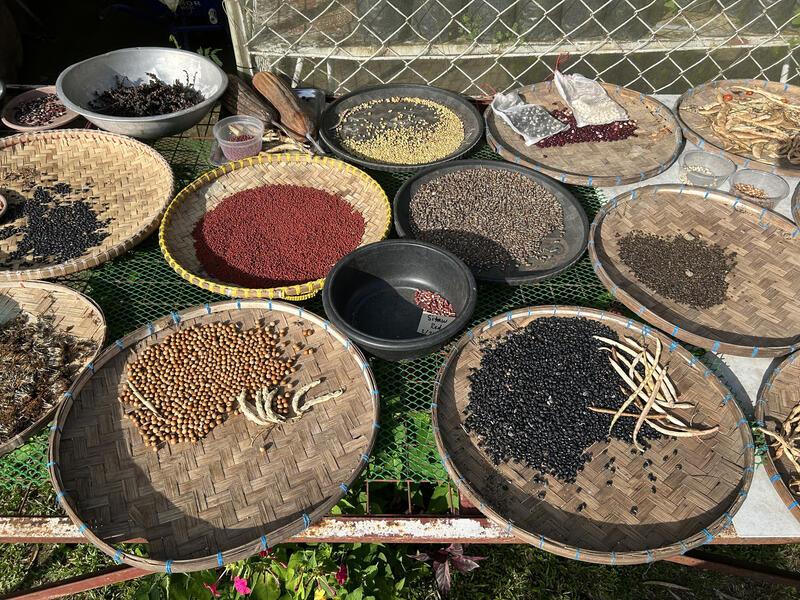
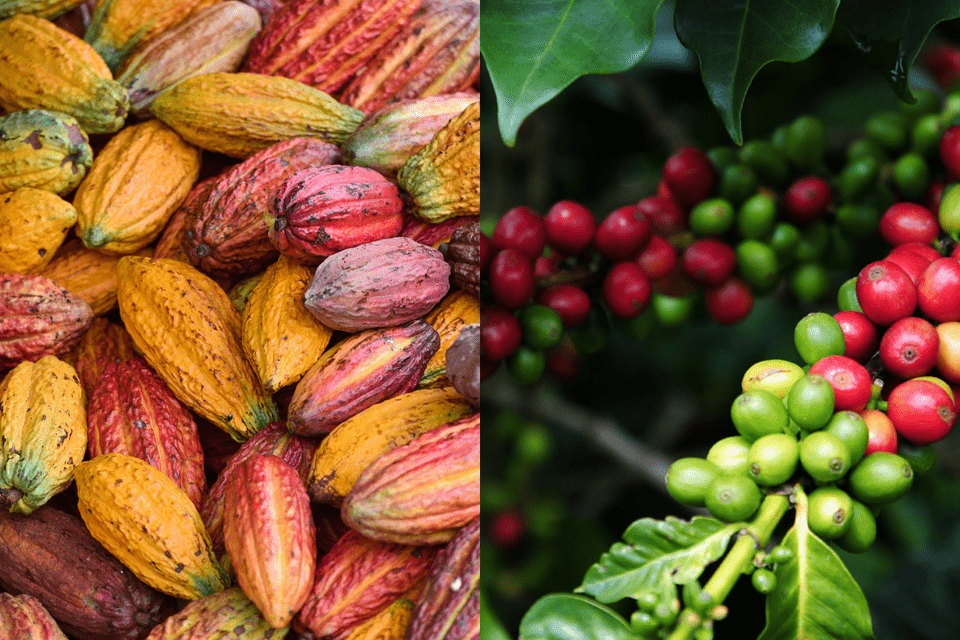
Capitalizing on our experience and network of partnerships on genetic resources conservation and use, the Alliance in the Philippines is enabling the sustainable use of biodiversity for food and agriculture particularly by supporting three key commodities: banana, coconut, and cacao.
Banana
For banana, the Alliance employed an agroecological intensification approach to help smallholder Filipino farmers in managing pests and diseases, gaining access to clean planting material, conserving genetic diversity locally, and taking advantage of emerging marketing opportunities. Given the country’s high species diversity that makes it one of the top five exporters of bananas, the Alliance worked closely with partners from UPLB and the Bureau of Plant Industries to conserve genetic resource of edible and wild bananas through the Alliance-led global banana network, MUSANET.
In addressing the spread of TR4 Banana “Panama” disease, the Alliance has helped strengthen the capacities of researchers, including those from the Philippines, through workshops and trainings geared towards better treatment and management of TR4 at different levels.

Coconut and Cacao
While actively supporting the conservation and use of genetic resources, the Alliance’s work on coconut and cacao focused on promoting sustainable and scalable farming systems.
The Alliance in the Philippines led the development of technical and advisory services for the private sector to help guide large-scale agricultural investments for both crops. We also produced data-driven adaptation packages based on the socio-economic condition of farmers and value chain assessments, enabling private sector partners to make strategic decisions to maximize agricultural investments. Specifically on coconut, the Alliance developed a clonal multiplication protocol to support hybrid coconut multiplication drive, where Philippine Coconut Authority (PCA) experts were trained on the new approach.
Promoting peace and climate resilience
The Alliance is working closely with Philippine authorities, along with a strong community of experts from various humanitarian, development, and academic institutions, to reintegrate into society those communities living in former rebel strongholds in Mindanao. Under the CGIAR Research Initiative on Climate Resilience (ClimBeR), the community of practice formed and identified recommendations on environmental peacebuilding—ensuring that communities in conflict-affected areas take up farming and other sustainable livelihoods by understanding how climate change impacts are linked to risks of insecurity.
In 2025, the Alliance sealed a pact with the Office of the Presidential Adviser on Peace, Reconciliation, and Unity (OPAPRU) to advance the Philippines’ Comprehensive Peace Process while proposing a five-year environmental peacebuilding program for better livelihood opportunities and lowered risk of conflict, particularly in the Mindanao region.
Supporting food systems transformation through healthier diets
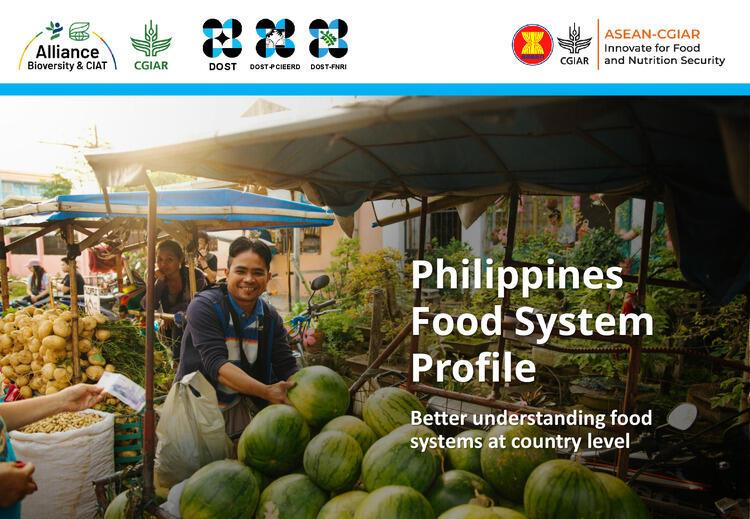
Through our successful experiences in supporting Vietnam’s food systems innovations, governance models, and policy frameworks, the Alliance embarked on a joint effort with the Department of Science and Technology – Food and Nutrition Research Institute (DOST-FNRI) in 2025 to co-develop a comprehensive food systems country profile for the Philippines, which provides insights into the key elements of food systems and identifies areas for collaboration towards food system transformation in the country. Through the ASEAN-CGIAR Innovate for Food and Nutrition Security – Intervention Package 8 (IP8) Program, this ongoing partnership marks a significant milestone in regional cooperation to foster sustainable food system transformation across ASEAN nations as we also worked together for a regional transect food system profile across Southeast Asian countries. The regional tool allows for better understanding on the differences across food environments, livelihoods, market access, and dietary patterns shift, along the transect and to inform more context-specific and cross-sectoral interventions for food system transformation.
CGIAR Science Programs in the Philippines
Climate Action Science Program
The Alliance in the Philippines has partnered with the International Rice Research Institute (IRRI) to enhance climate information services to Filipino farmers. The collaboration, which began under the CGIAR Climate Resilience Initiative, sought to integrate rice recommendations from the Alliance's Agro-Climatic Advisory Portal (ACAP) into the pre-season rice cropping calendar of IRRI's Rice Crop Manager Advisory Service (RCMAS) to deliver climate risk advisories and weather-responsive nutrient management recommendations to farmers in Camarines Sur through text messages.
With the new CGIAR Climate Action Science Program, the Alliance seeks to enhance ACAP and other inter-connected digital agricultural advisory platforms to develop coherent multi-level decision support systems that address climate information needs of farmers and of higher-level decision-makers. The Alliance has brought two critical technical capacities, reflecting our science leadership in Climate Action and Digital Inclusion through a human-centered design approach that ensures the latest sciences and technologies land on addressing local demands, and advanced climate analytics from forecasts to machining models that translate forecasts to agronomy impacts.
Better Diets and Nutrition Science Program
Under the CGIAR Better Diets and Nutrition (BDN) Science Program, the Alliance is also working with DOST-FNRI to examine the corporate political activity of the food industry in the Philippines. The ongoing study assesses the strategies and practices used by food and beverage companies to influence public policy and policy debates in relation to nutrition and food environments. The research aims to strengthen the evidence base on the role of commercial actors in shaping food environments and support more transparent and effective policy processes for healthier diets.
Regional Partnership for Sustainable, Regenerative, and Resilient Agri-food Systems
The Alliance in Asia is co-leading the ASEAN-CGIAR Innovate for Food and Nutrition Security Regional Program that aims to develop bold integrated solutions around three strategic issues: resilience of the food system to climate change, sustainable and equitable transformation of the food systems by applying the principles of the circular economy, and recovery from the COVID-19 pandemic at the regional level.
The program seeks to scale up and out integrated innovations that will make ASEAN agri-food systems more resilient to climate change while delivering better livelihoods for food producers and other stakeholders. More specifically, the Alliance mainly contributes to the following intervention packages:
- IP 1: Regenerative Agriculture and Aquaculture Practices and Judicious Agrochemical Use
- IP 2: Climate Neutrality and Circular Agriculture
- IP 3: Enhancing ASEAN Agrobiodiversity Use and Landscape Biodiversity
- IP 5: Transboundary Pests and Diseases
- IP 6: Private Sector Investment and Sustainable Financing
- IP 8: Food Systems Transformation for More Nutritious and Healthy Diets