Press and News In transition: Bridging innovative efforts to Asia-Pacific's food systems transformation

Amid the growing geopolitical pressures and persistent climate change-induced challenges affecting food systems across the Asia Pacific, the Alliance of Bioversity International and CIAT continues to steer regional conversations seeking to achieve food and nutrition security by fast-tracking transitions toward regenerative agriculture.
Under the Philippines’ Chairship of the Association of Southeast Asian Nations (ASEAN) this year, regional priorities to sustainably transform food systems have since shifted to accelerating the adoption of regenerative and resilient agriculture systems. The regional bloc, through the ASEAN Secretariat, is currently developing guidelines for the implementation of the framework across its 11 member states.
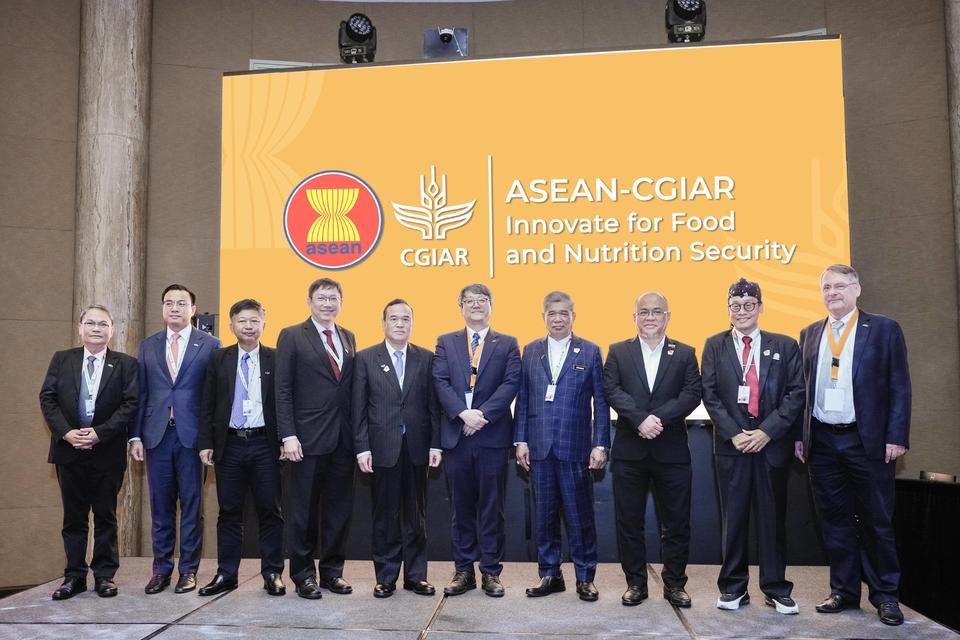
Asia Managing Director Stephan Weise, who co-leads the ASEAN-CGIAR Innovate for Food and Nutrition Security Regional Program, provided crucial regional insights to inform strategic pillars, priority actions, and implementation mechanisms of the regenerative and resilient agriculture systems. The two-day consultation workshop in Hanoi on 9-10 April integrated key lessons and milestones reached during the first phase of the ASEAN-CGIAR program, identifying pathways to align future collaborative efforts to the eventual implementation of the systems approach in Southeast Asia.
Launched in 2023, the program aimed to respond to the complex and interconnected challenges disrupting the critical role of the region’s agrifood systems in shaping global food and nutrition security efforts. The regional program spans eight intervention areas targeted to strengthen climate resilience, advance circular and sustainable food systems, and support post-pandemic recovery and long-term transformation across the region.
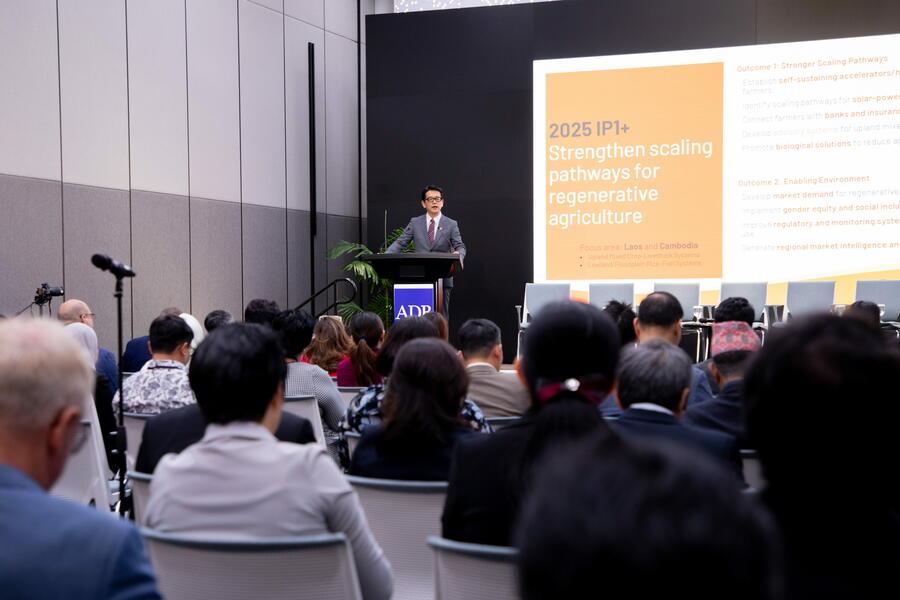
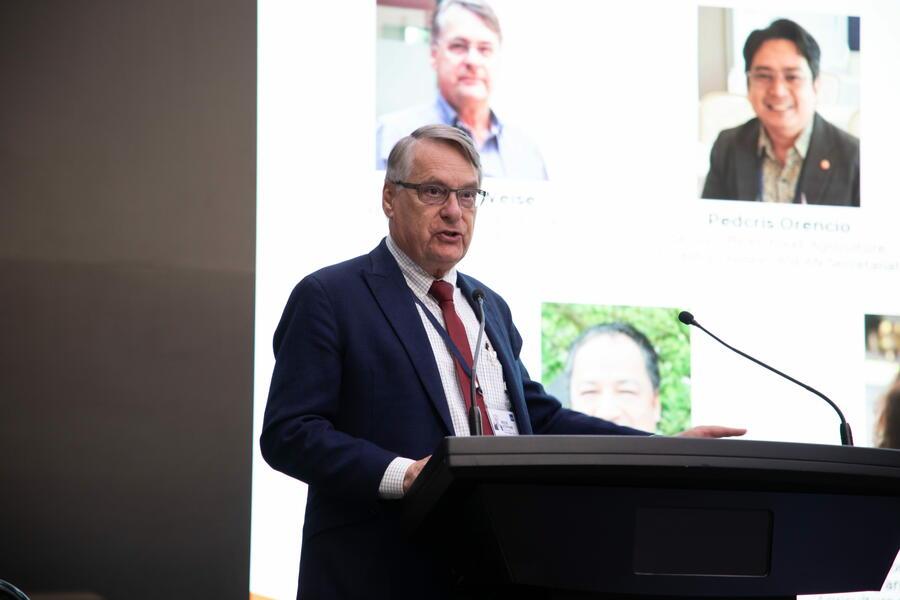

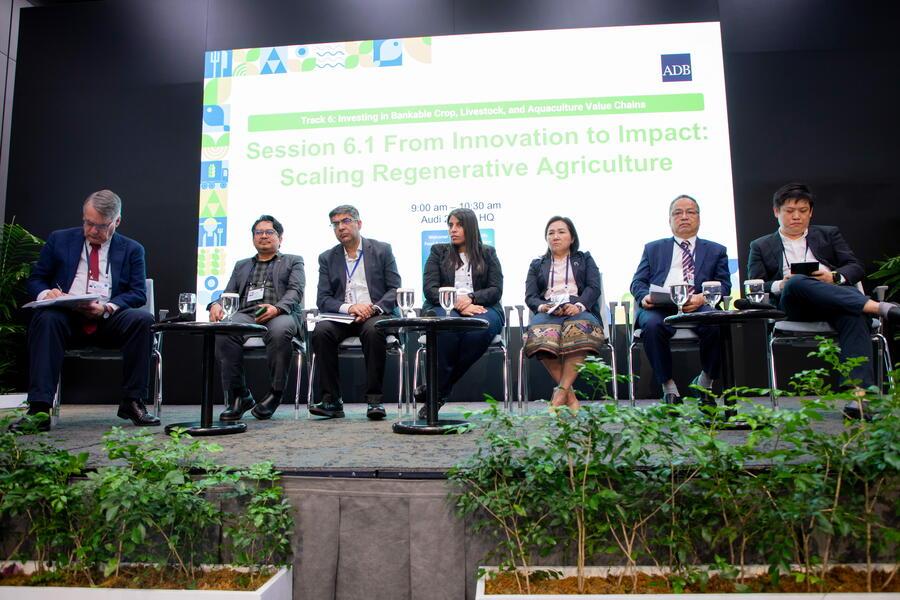
Photo credits: Danica Sembrano/IRRI (March, 2026)
Demand-drive innovations
For over the three years, the ASEAN-CGIAR regional program has developed a portfolio of 39 scalable innovations in key areas that include regenerative agriculture, climate-neutral and circular production, agrobiodiversity, enhanced value chains, transboundary pests and diseases, financing, irrigation, and climate-resilient agri-food systems, and health and nutrition.
“These innovations are shaped by country demand and priorities, ensuring they respond to real-world needs across diverse agri-food systems,” IRRI Senior Scientist and Program Director Dr. Kazuki Saito said.
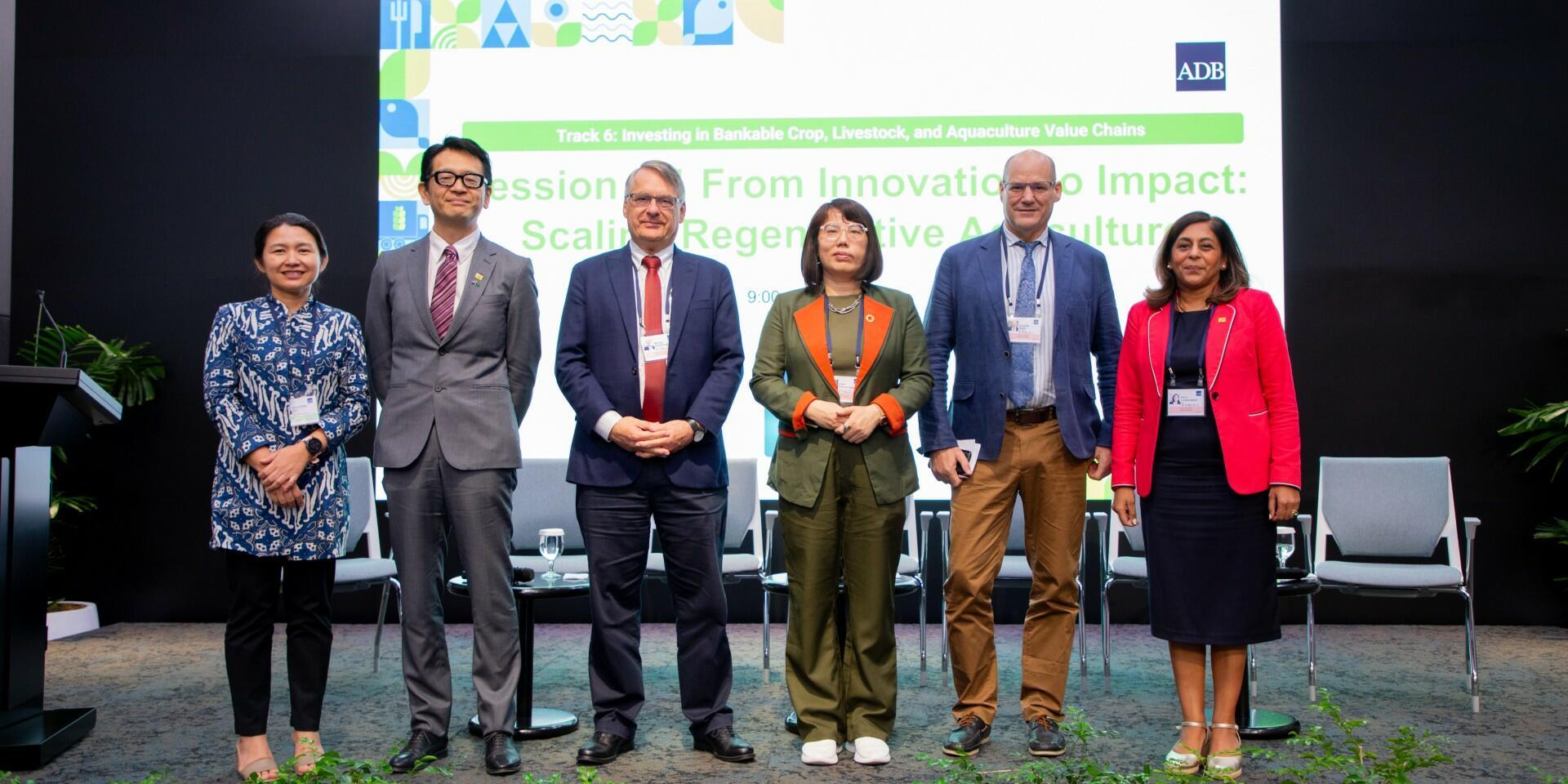
At the biennial Asian Development Bank (ADB) Asia and the Pacific Food Systems Forum on 16-19 March, ASEAN-CGIAR Program showcased the tangible benefits of the innovations, which align strongly with the ASEAN Food, Agriculture and Forestry Sectoral Plan 2026–2030.
- Pilot sites of rice-fish system improved rice yields by 400–1,205 kg/ha, produced 150–900 kg/ha of fish, and increased profit by 1,672 USD/ha compared to monocrop rice.
- Version 2.2 of the Sustainable Rice Platform (SRP) data collection tool covered over 90,000 hectares aligned with SRP standards, with 34 verified producer groups in 11 countries.
- USD 2.7 million was mobilized to strengthen greenhouse gas (GHG) measurement capacity in rice systems.
- Investment opportunities for regeneratively produced foods in school meal programs have been identified in Cambodia, Indonesia, Lao PDR and Thailand.
- One Health Villages in Vietnam and Lao PDR have benefitted over 1,000 community members and 100 students/lecturers.
- Rice-mungbean-watermelon system reduced key pests by 28%, lowered GHG emissions by 48%, and increased profitability by 3.3 times.
- A collaboration with the Agricultural and Rural Development Bank (ARDB) in Cambodia piloted bundled climate-smart agriculture (CSA) loans targeting small-scale women farmers.
- A web-based farmer-led irrigation (FLI) mapping tool has identified high-potential areas for irrigation expansion in Cambodia and Lao PDR.
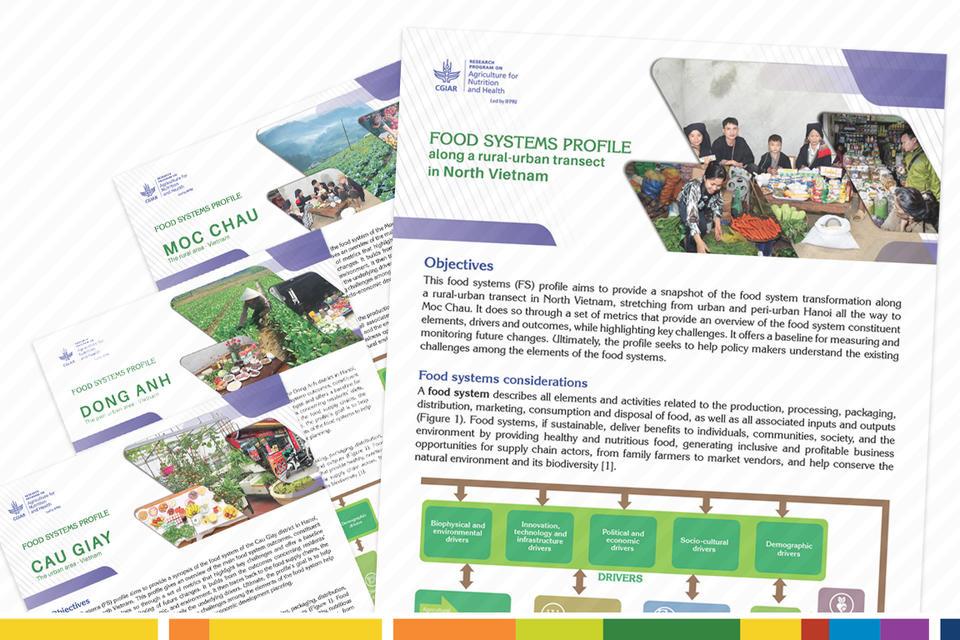
- Food system profiles developed for Vietnam, Cambodia, and the Philippines are supporting more informed policy decisions.
The ASEAN-CGIAR program is now set on scaling these existing innovations through stronger investment pathways, close alignment with policy priorities, and wider uptake across the region as they mark the transition to the next phase of implementation.
From evidence to investment
In the same event in Manila, Alliance scientists demonstrated research expertise on climate-resilient, nature-positive, and nutrition-sensitive solutions grounded in first-hand experience working across various Asia-Pacific countries.
Cassava Program Leader Jonathan Newby shared that the Alliance’s multidisciplinary approach proved beneficial in working across scales to understand the impact of global markets, value chains, livelihoods, and farming systems in terms of adoption and scaling.
“From a value chain lens, it is important to understand the contexts and incentives of technologies, value chains and structures such as government policies as these will be crucial in the successful transition from pilot to program,” Newby said. “Context-specific and profitable models and strategic partnerships are key to successful transitions,” he added.
The team

Stephan Weise
Managing Director, Asia
Jonathan Newby
Program Leader, Cassava