Blog Popular TV show puts climate services into the hands of Kenyan farmers

Recent episodes of Shamba Shape Up offer one of the clearest public demonstrations of how Kenya’s climate services function end-to-end from national data collection to county-level interpretation to last mile advisory delivery.
Many smallholder farmers in Kenya are living with the everyday realities of climate change, including unpredictable rainfall, shifting seasons and rising risks that affect every decision they make on the farm.
For them, knowing when to plant, what to grow, or how to prepare for the season ahead can determine whether they achieve a good harvest or face significant losses. Access to reliable climate information is therefore essential.
That’s where Shamba Shape Up comes in
Shamba Shape Up is a popular East African reality TV show that acts as a farm makeover program, educating rural audiences with practical, research-based advice to improve farming, nutrition, and livelihoods, featuring experts who provide solutions for livestock, crops, climate adaptation, and financial planning.
A recently aired episode called “From Data to Delivery” demonstrates how the climate information is now being produced and shared in Kenya - for the ultimate benefit of smallholder farmers.
The result is a compelling portrait of Kenya’s climate services ecosystem that is built on data, partnerships, trust and years of capacity strengthening.
The episode follows the journey of climate information from weather stations and forecasting centers, through county advisory systems, to the farmers who rely on it.
Viewers step behind the scenes at the Kenya Meteorological Department (KMD). They see the instruments collecting real-time weather data, meet the forecasters interpreting global and local signals, and learn how seasonal outlooks are produced.
Many smallholder farmers, most of whom rely on traditional knowledge, word-of-mouth, or past experience to guide decisions depend on this transparency. When farmers understand how forecasts are generated, trust grows. And when trust grows, so does the uptake of climate advisories.
Beyond the national forecast, the episode highlights how climate information flows through county systems, spaces where AICCRA has strengthened capacity over several years. This includes support for:
- AgData Hub and digital data systems, which improve access to climate and agricultural data;
- Participatory Scenario Planning (PSP), a county-level process that brings together KMD, agricultural officers, livestock experts, extension staff, farmer representatives, NGOs and private actors to co-produce tailored advisories;
- Training for county extension teams to translate seasonal forecasts into location-specific guidance on crops, livestock, water management and risks.
These processes ensure that farmers receive climate advisories that make sense for their micro-climate, their crops, and their realities. The episode shows this well: national data flows down to counties, where it is contextualized, translated, and packaged into useful advisory messages.
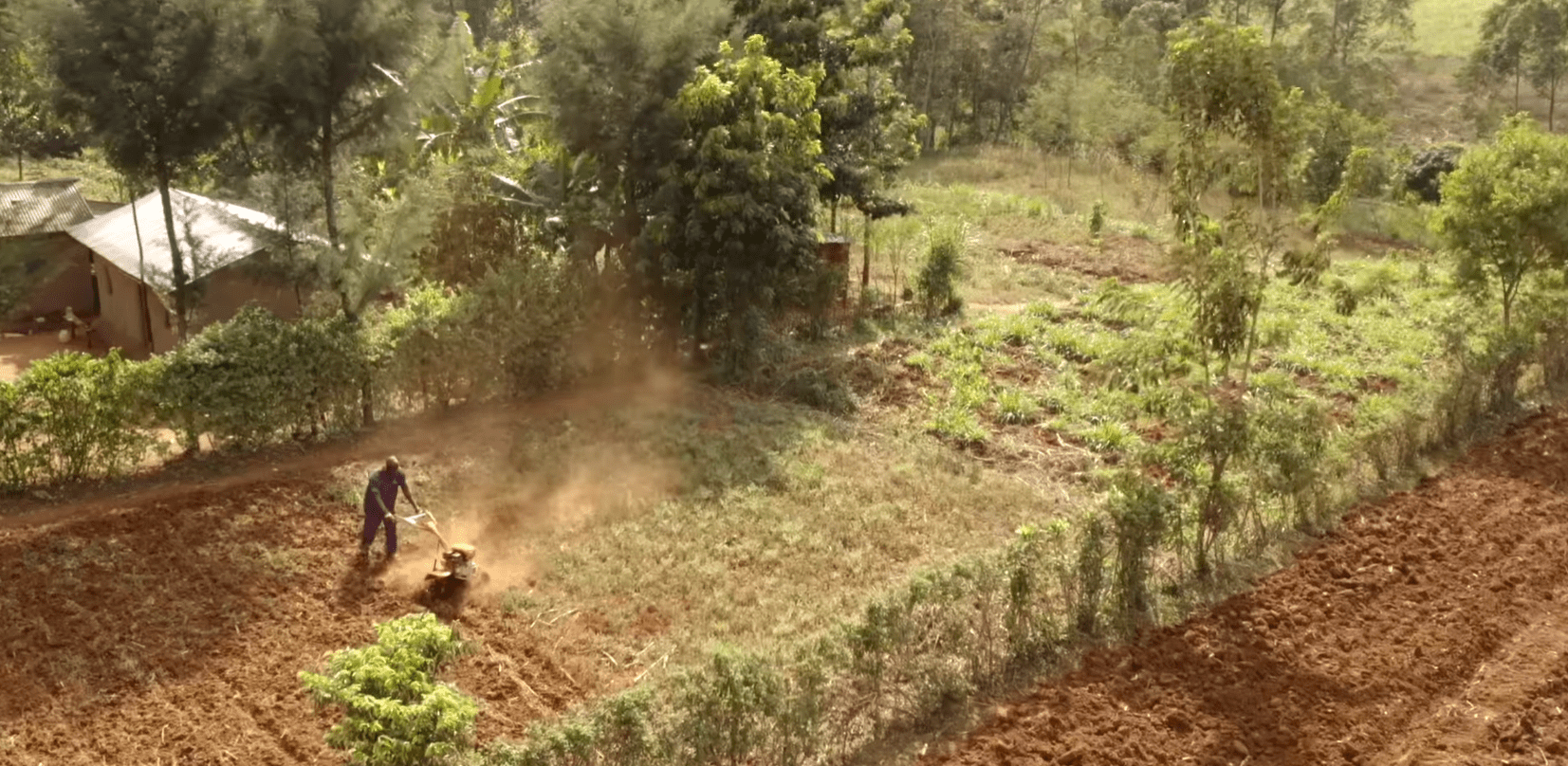
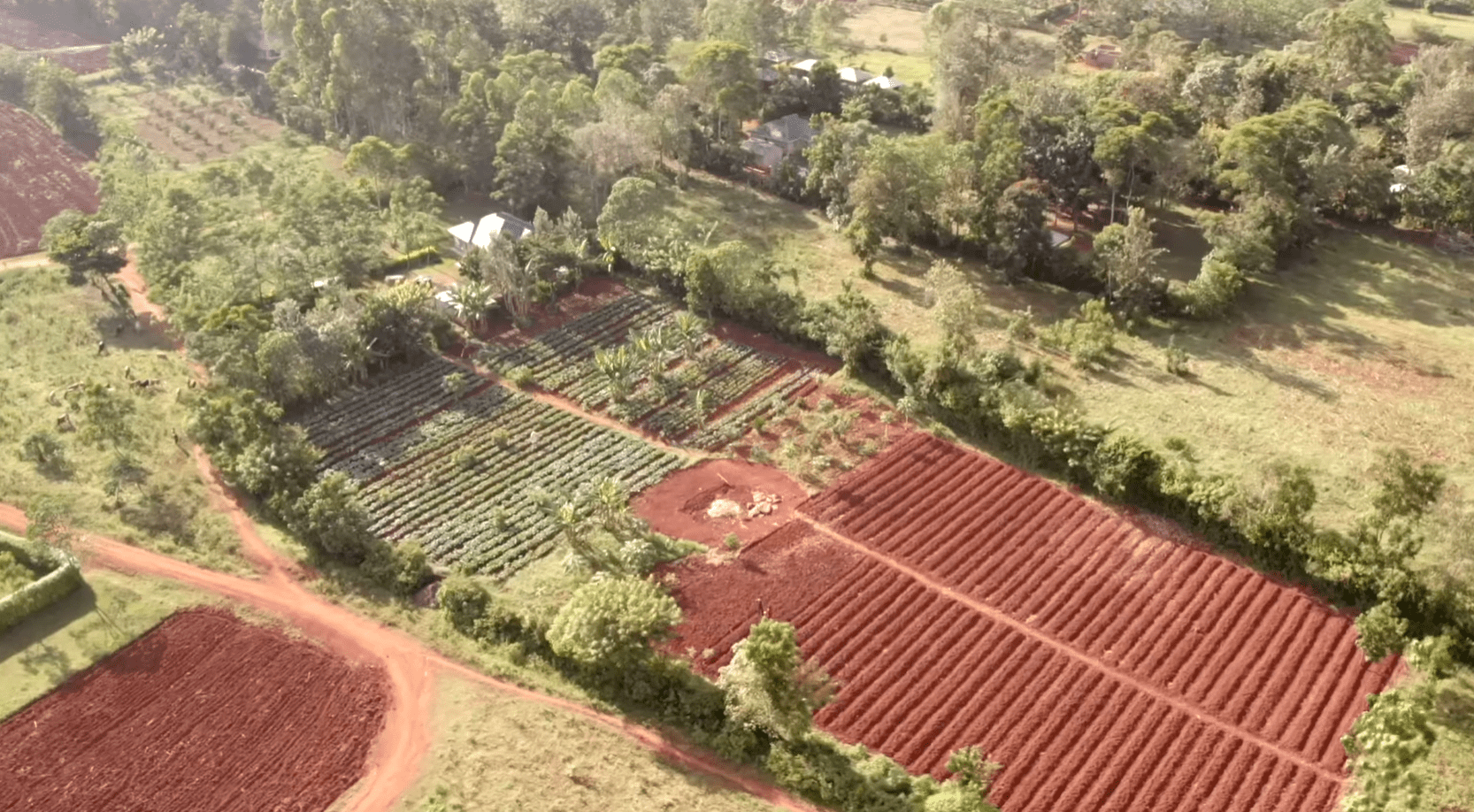
This episode offers one of the clearest public demonstrations of how Kenya’s climate services ecosystem functions end-to-end from national data collection to county level interpretation to last-mile advisory delivery.
It highlights the roles of meteorologists, county officers, digital extension platforms, and farmers themselves as co-creators and users of climate information.
For AICCRA and its partners, the episode reinforces the importance of strengthening these connections: building trust in climate information, supporting science policy farmer collaboration and enhancing the capacity of extension systems to communicate forecasts clearly and responsively.
It is a vivid example of how an integrated climate services system can empower farmers to make informed, climate-smart decisions.
Farmers often say they want to “see” where information comes from. This episode answers that need.
By showing the full chain that begins with a meteorologist interpreting satellite data and ends with an extension officer sending an advisory to a farmer, it helps the public see that climate services are credible, collaborative and people driven. And importantly, it reinforces a message at the heart of AICCRA’s mission: When farmers understand climate information, trust it, and use it, resilience becomes possible at scale.
Shamba Shape Up is produced by The Mediae Company, an organization focused on sustainable media for rural audiences, with funding from various private and development partners and input suppliers.
A number of episodes of Shamba Shape Up have drawn on technical insights from the Alliance of Bioversity and CIAT and were supported by the Accelerating Impacts of CGIAR Climate Research for Africa (AICCRA) project.
Shamba Shape Up is one of East Africa’s most trusted agricultural TV programs, reaching over six million adults weekly across Kenya. Its 15th series places climate change adaptation at the center of its storytelling.
This is a core principle of climate action - climate information must be dependable, understandable, and actionable by farmers.
The final stage of the climate information chain is delivery and here the episode highlights iShamba, the digital advisory arm of Shamba Shape Up.
iShamba has more than 540,000 subscribed users and thousands of SMS, WhatsApp, and call-center interactions per series, which help ensure that climate information reaches farmers directly, affordably, and in real time.
During the broadcast season, iShamba becomes an extension multiplier: answering questions, clarifying advisories, and gathering feedback that helps improve future messages.