
Crop Ontology
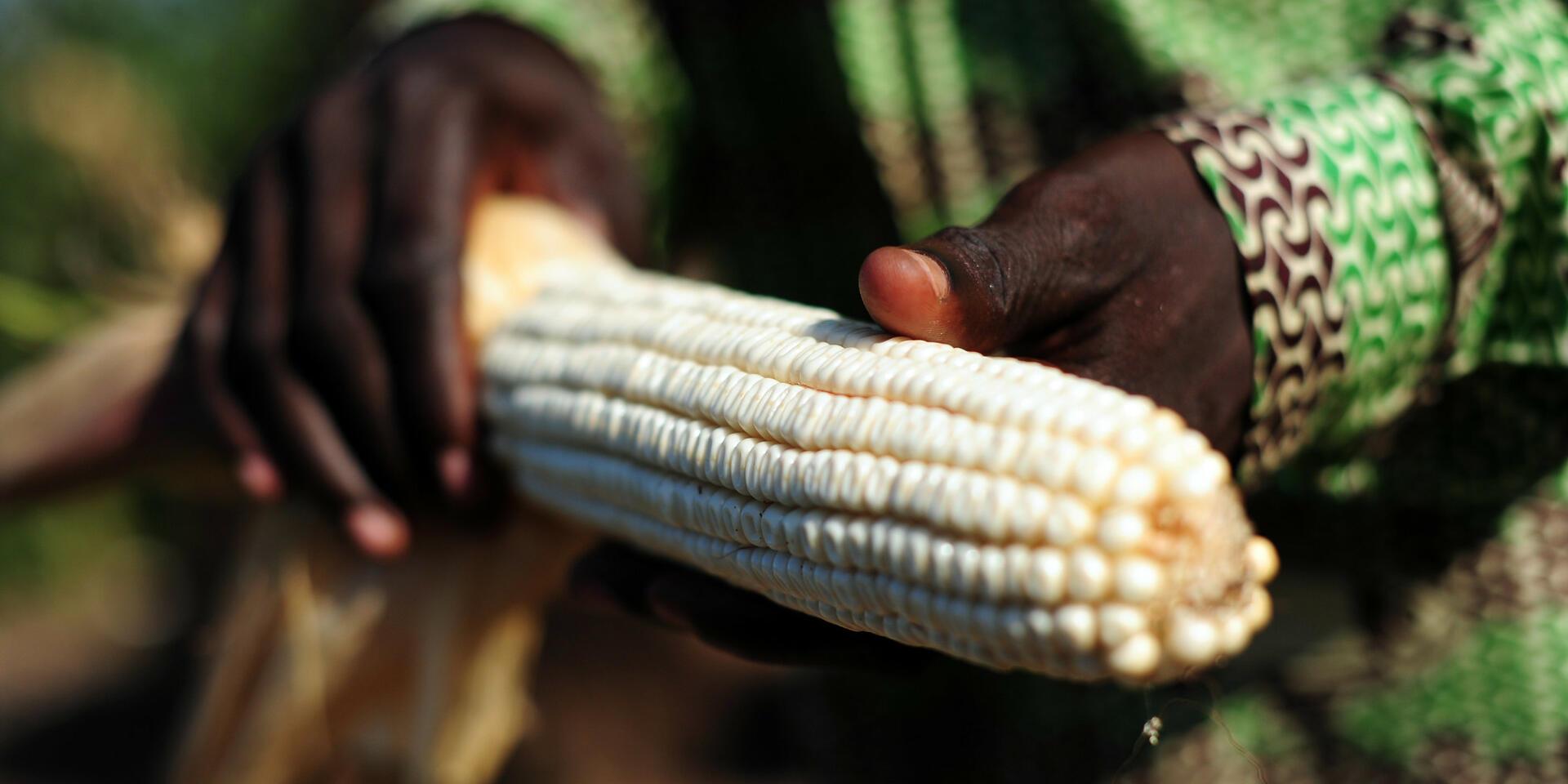
Crop Ontology is an open-source global public good that provides scientists, breeders, and database developers with a common, validated language to describe crop phenotypes.
As data on phenotypes, breeding, germplasm, and traits continues to grow, Crop Ontology and its Trait Dictionaries help harmonize how data are captured, curated, and analyzed. It brings together validated concepts related to crop anatomy and structure, phenotypes, traits, measurement methods, and germplasm, supporting the curation of agronomic databases.
Each variable connects three elements:
- a trait (what is measured),
- a method (how it is measured),
- and a scale (how it is scored).
Crop Ontology is particularly useful during data collection, curation, and analysis, supporting data interoperability and discovery, including through tools such as the Breeding API (BrAPI).
Originally developed by the Generation Challenge Programme, Crop Ontology is freely available to all.
In what context is this tool useful?
Results achieved
Crop Ontology has grown into a large, FAIR-aligned resource, with 38 crop-specific ontologies and 24,829 terms.
It currently covers a wide range of crops, including rice, wheat, maize, cassava, banana, potato, sweet potato, common bean, chickpea, soybean, sorghum, groundnut, cotton, barley, yam, and many others.
The largest ontologies include rice (1,448 terms), wheat (1,385), cotton (1,354), cassava (1,289), banana (1,238), potato (1,196), sweet potato (1,170), and woody plant (1,160).
Crop Ontology is already used by breeders, students, scientists, and data curators to record, annotate, and manage field evaluation data using standardized traits and variables.
It supports data annotation in breeding platforms such as the Enterprise Breeding System (EBS), BreedBase instances for crops including cassava, Musa, potato, and yam, and the Breeding Management System (BMS).
A key strength is its role as a semantic bridge between systems. It helps connect and interpret data generated in different environments, for example:
-
linking on-farm trial data from ClimMob with breeding data in EBS
-
connecting phenotypic data from the ARTEMIS project and traits extracted from images using computer vision with EBS
-
supporting comparison across multi-location varietal evaluation projects
This interoperability helps make crop data easier to combine, compare, reuse, and analyze across tools, projects, and locations.
Variations on this method
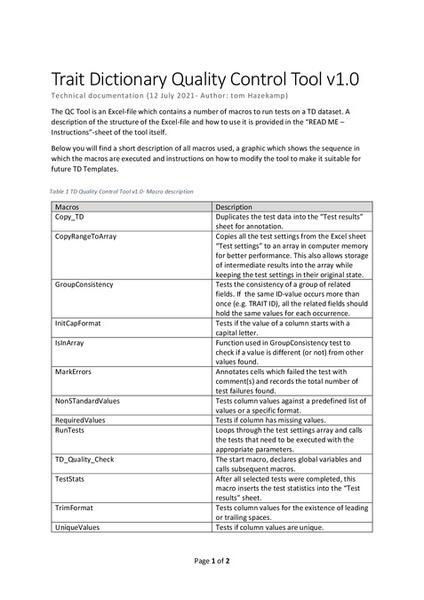
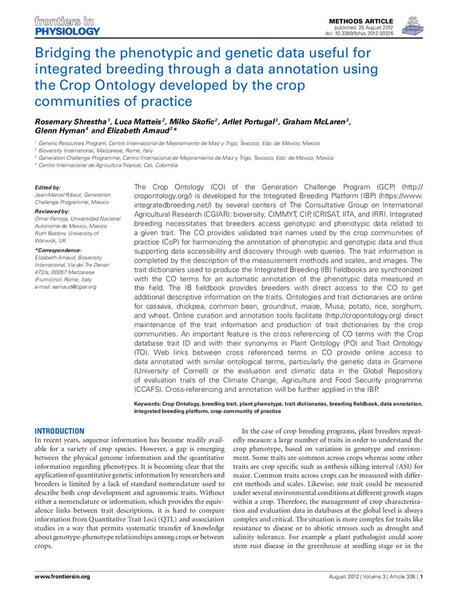
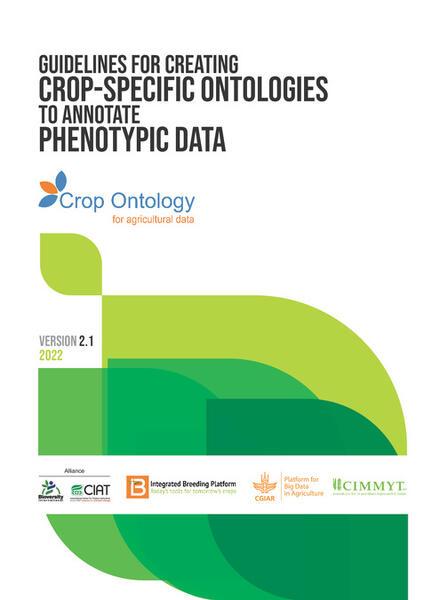
The ontologies are published under the CC-BY-4.0 license, and each crop-specific ontology is allocated a DOI, recorded in Zenodo, enabling version and citation management. Because the model is open and community-curated, other researchers can reuse existing dictionaries, request new terms, or build new crop-specific ontologies using the
published Trait Dictionary Template v.5.2 and Guidelines v.2.2
Tools often used together with this tool
Contact us

Marie-Angélique Laporte
Thematic LeaderPublications
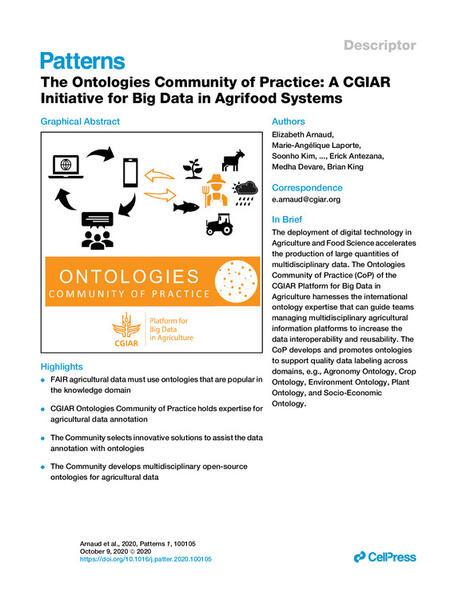

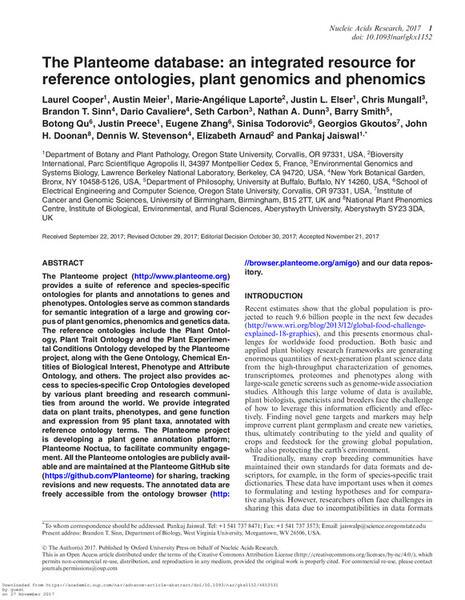
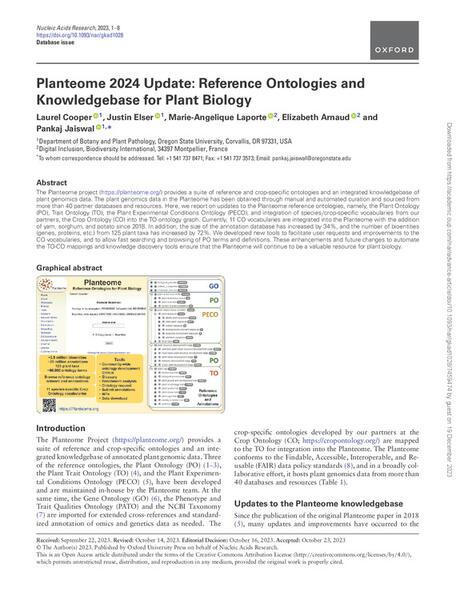
Datasets
Funders
The Crop Ontology is currently funded through the 1000FARMS grant, an investment of the **Gates Foundation**.
Historically, it was created with the financial support of Bioversity International and the Integrated Breeding Platform, and was maintained thanks to the CGIAR Research Programs, the CGIAR Platform for Big Data in Agriculture (all funded by the CGIAR Fund Council), and, from 2014 to 2019, with an award from the US National Science Foundation (NSF) to the cROP-Planteome Project.
Its long-term development and quality have also depended on the sustained contribution of CGIAR curators, who maintain crop-specific ontologies, and on research partners from the public and private sectors who follow the established guidelines and contribute traits and variables from multi-partner projects.
Together, this combination of institutional support, expert curation, and community contributions has enabled Crop Ontology to grow and remain relevant over time.