Estimating soil erosion in sub-Saharan Africa based on landscape similarity mapping and using the revised universal soil loss equation (RUSLE)
Multi-pronged assessment of land degradation in West Africa to assess the importance of atmospheric fertilization in masking the processes involved
El problema de la erosion en los suelos de Mondomo, Cauca, Colombia dedicados al cultivo de la yuca y sus posibles soluciones
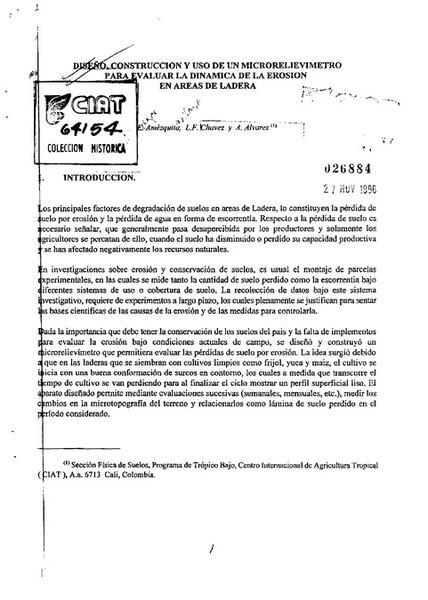
Diseño, construcción y uso de un microrelievímetro para evaluar la dinámica de la erosión en áreas de ladera
The Nippon Foundation project improving the sustainability of cassava-based cropping systems in Asia: A project evaluation report
A landscape planning and management tool for land and water resources management: an example application in northern Ethiopia
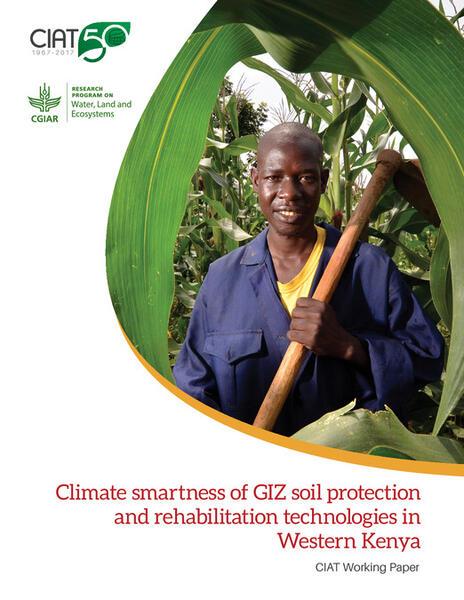
Climate smartness of GIZ soil protection and rehabilitation technologies in Western Kenya: Rapid assessment report
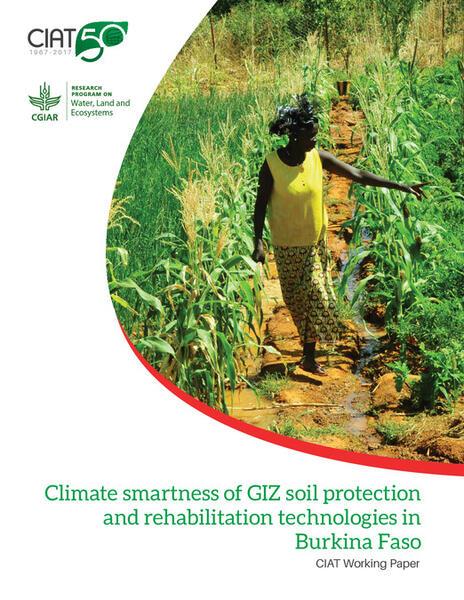
Climate smartness of GIZ soil protection and rehabilitation technologies in Burkina Faso: Rapid assessment report
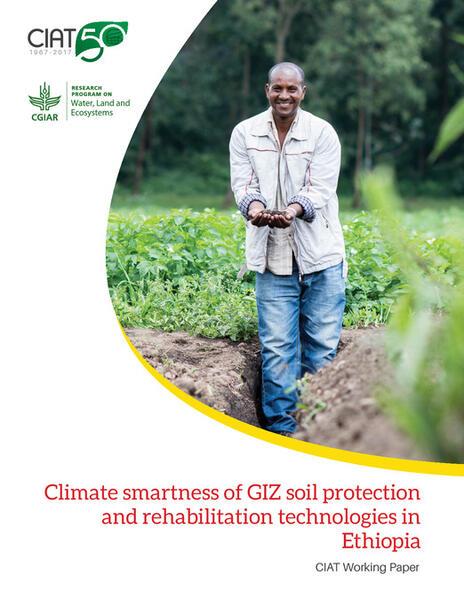
Climate smartness of GIZ soil protection and rehabilitation technologies in Ethiopia: Rapid assessment report
Rapid climate smartness assessment of GIZ soil protection and rehabilitation technologies in Benin, Burkina Faso, Ethiopia, Kenya, and India.
Soil degradation and crop productivity research for conservation technology development in Andean hillside farming
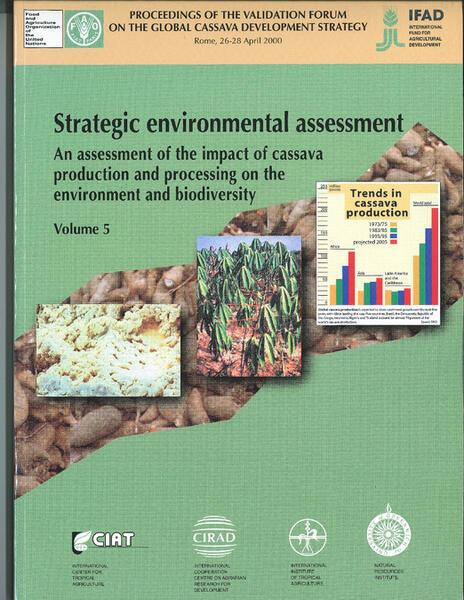
Strategic environmental assessment: an assessment of the impact of cassava production and processing on the environment and biodiversity
Un caso de generación espontánea de medidas para el control de erosión: la zanjas de desviación en la zona frijolera de San Gil
Sediment-bound nutrient export from five small reservoir catchments and its implications for the Sudan savanna zone of Ghana
Development of an arable layer: a key concept for better management of infertile tropical savanna soils
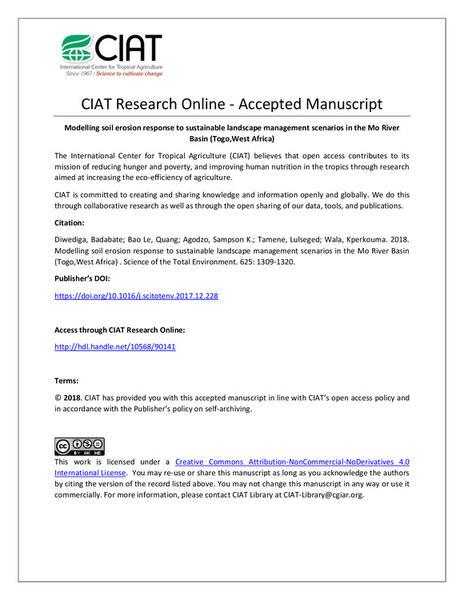
Modelling soil erosion response to sustainable landscape management scenarios in the Mo River Basin (Togo, West Africa)
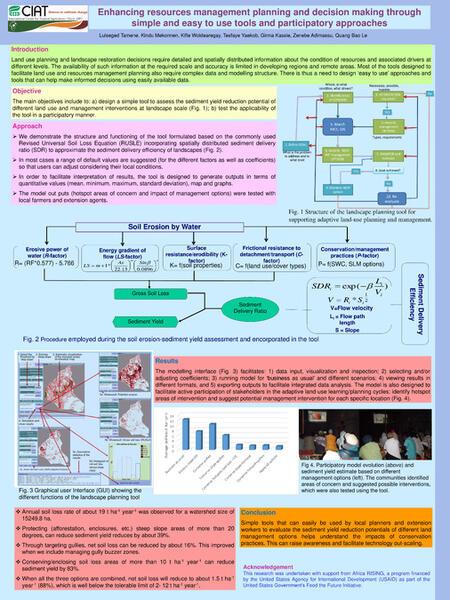
Enhancing resources management planning and decision making through simple and easy to use tools and participatory approaches