Blog Beyond survival: How young entrepreneurs are rewriting Malawi's economic narrative

Malawi is a country caught in a perfect storm. In 2024, Malawi's GDP growth slowed to 1.8% due to a severe drought and acute foreign exchange shortages. The poverty rate rose to 71.2%. Malawi's economy is in a deep and protracted crisis marked by elevated inflation, declining living standards, and high rates of food insecurity. Yet, behind these grim numbers, my recent monitoring visit revealed another reality: stories of resilience, innovation, and hope driven by young entrepreneurs rewriting Malawi’s economic narrative.
The Weight of Economic Reality
The statistics paint a sobering picture. Only 40% of adults in Malawi use financial services. Access to credit remains one of the toughest barriers for MSMEs, with lending rates as high as 25.3% in July 2025. For young entrepreneurs trying to build businesses in this environment, these are not just numbers; they represent insurmountable barriers to entry.
The MSME sector faces several critical challenges hindering its growth and development, including poor access to finance and markets, poor infrastructure, and inadequate capacity to do business and meet quality standards. Yet paradoxically, the informal sector is the economic lifeblood of the growing population of young Malawians.
A Different Approach: Business Acceleration for Youth Project
It is within this challenging context that the Business Acceleration for Youth (BA4Y) project operates, not as a panacea, but as a targeted intervention addressing the interconnected barriers keeping young entrepreneurs in survival mode. The project supports startups through incubation and existing MSMEs through acceleration programs.
It blends grants with technical assistance, mentorship, market linkages, and peer learning. Unlike traditional programs that provide either technical assistance or funding and walk away, BA4Y recognizes that long-term impact comes from an approach that supports the whole system.
Beyond survival: Stories from the Ground
My recent monitoring visit to Malawi was designed to assess whether this theory holds up in practice. As a Grants Analyst, I usually look for impact in numbers and reports. But during this visit, the evidence came alive in people and businesses that are turning constraints into opportunities.
Innovation Born from Constraint
In Zomba, I met Blessings Art Hub, a ceramics startup founded by Blessings Sabiti, and I encountered what development economists call "constraint-induced innovation." Faced with limited capital and unreliable supply chains, the founder has built a pottery business around locally available clay and traditional techniques. But this was not just about making do with less; it was strategic localization that created competitive advantages.
By sourcing materials locally, Blessings Art Hub has eliminated foreign exchange risks that cripple many Malawian businesses. They have created employment for local material suppliers, building a mini ecosystem around their operations.
The BA4Y support had provided the capital needed ($2,500) to formalize operations, invest in better equipment, and access new markets, but the innovation had emerged from the entrepreneur's deep understanding of their operating environment. The new machinery bought with the grant, including a potter's wheel and kiln, has enabled him to conduct production in his own studio instead of renting both equipment and space as he did before. This has significantly reduced his operational costs. Additionally, the equipment has helped him introduce pottery lessons, which has greatly contributed to his income increase by creating an additional revenue stream.
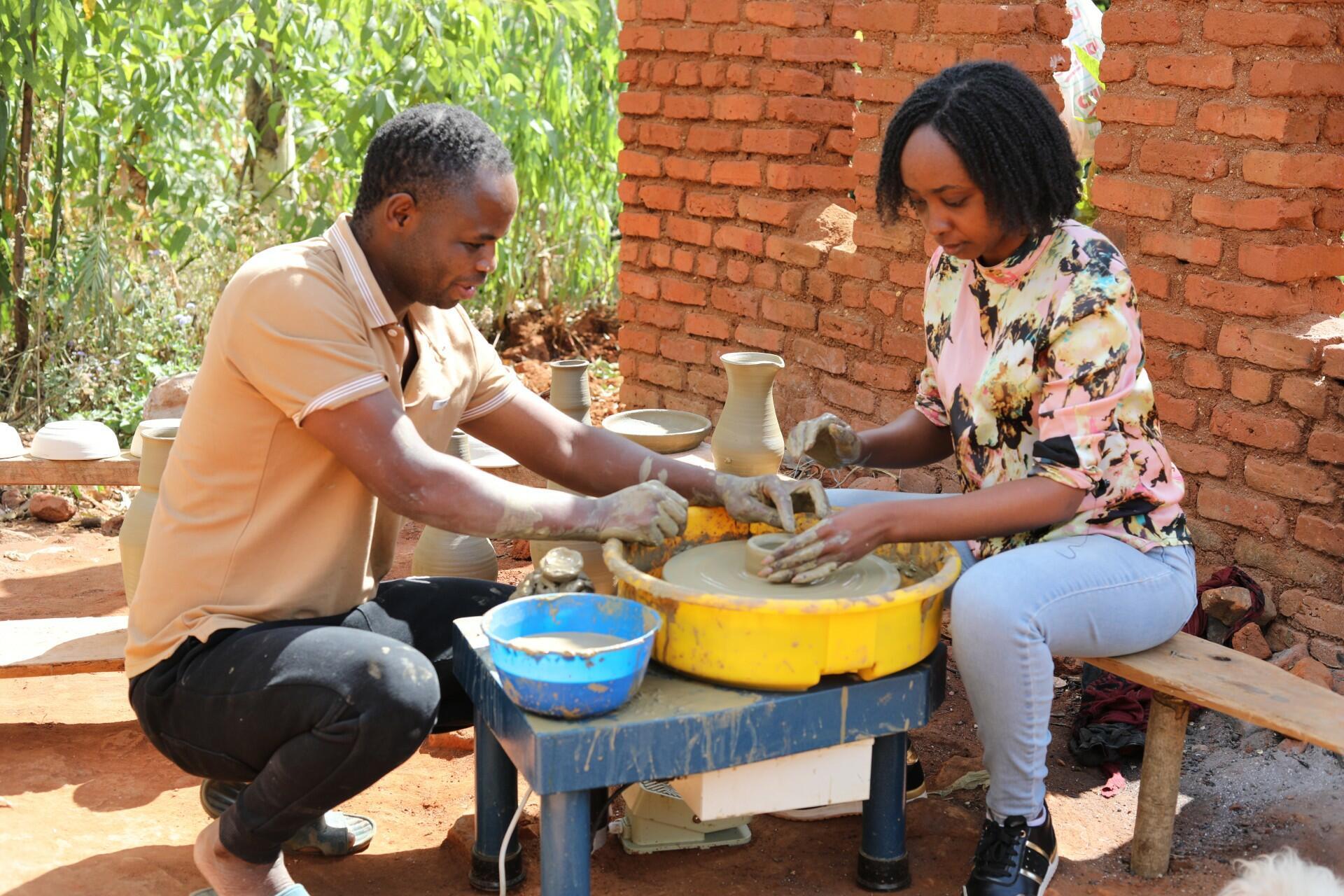
Esther Wambugu trying her hand at pottery at Blessings Art Hub.
Building Resilient Value Chains from Farm to Market
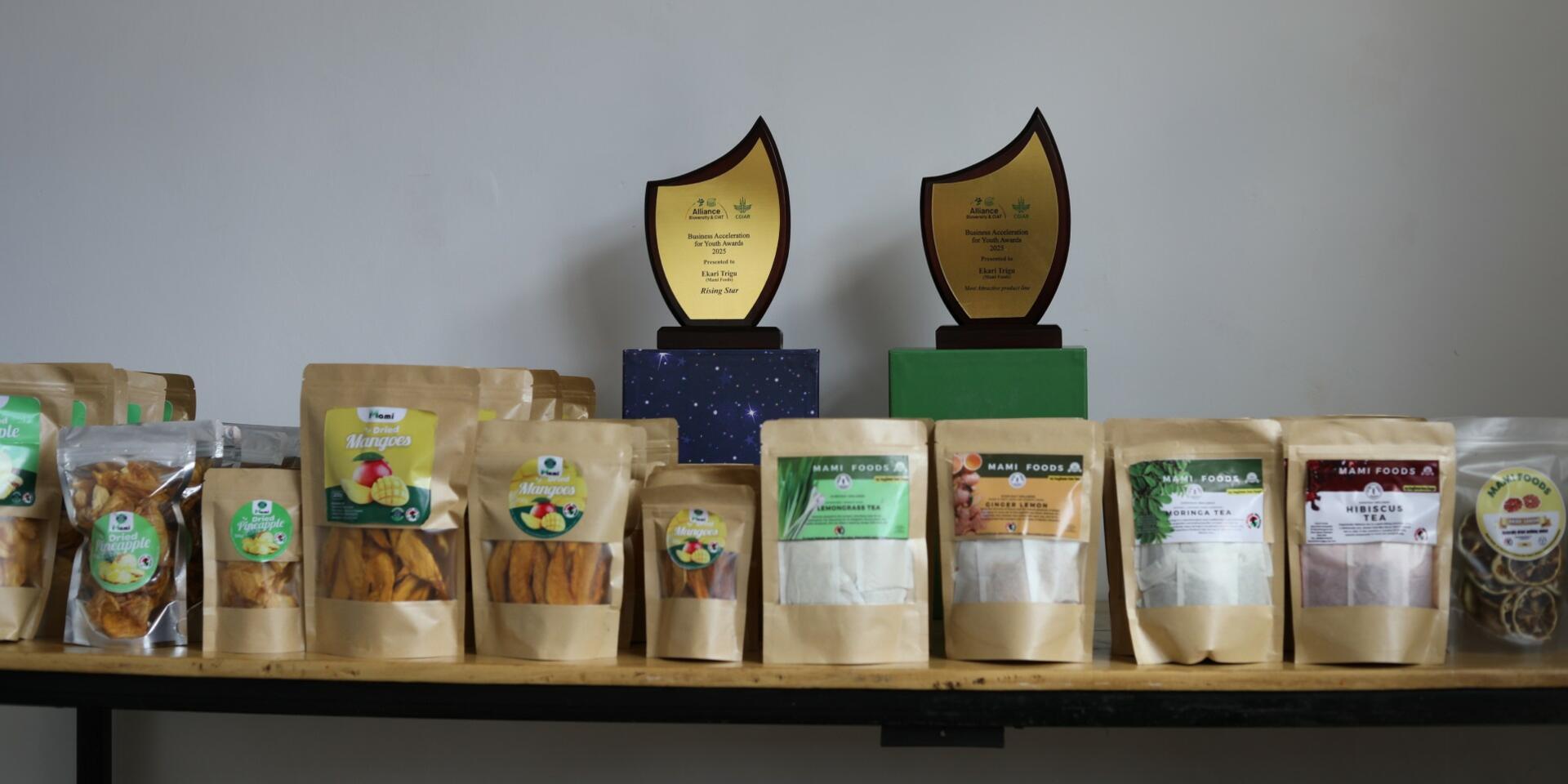
Mami Foods in Blantyre exemplifies how entrepreneurship can address multiple societal challenges simultaneously. Specializing in drying fruits and vegetables to create healthy, natural snacks without preservatives, the business has built an impressive operation that tackles food waste while creating sustainable livelihoods.
Working with 53 contracted farmers, mostly women and youth, across Malawi, Mami Foods sources fresh produce that would otherwise go to waste and transforms it into value-added products. Their range includes dried fruits like mangoes, pineapples, guavas, and bananas; dried vegetables such as tomatoes, okra, and ginger; processed chillies; natural jams; and herbal teas, including moringa and hibiscus blends.

Ekari Trigu, Co-Founder of Mami Foods and beneficiary of the BA4Y project.
The business model is circular: by purchasing surplus and even deformed fruits that would otherwise spoil, Mami Foods reduces food waste while providing farmers with additional income streams. Peelings and other waste generated from the factory’s operations are either used in the animal feed sector or composted, supporting a circular business approach.
What became most evident was their growth trajectory through BA4Y's technical support and networking opportunities. As the co-founder, Ekari Trigu shared,
"Being part of the BA4Y project has been a beautiful and inspiring experience. The networking has opened doors, boosted my confidence, sparked new ideas, and strengthened my business acumen."
Their expansion plans are ambitious but grounded: acquiring freeze dryers, heat pump dehydrators, and pre-processing equipment and diversifying into snacks, sauces, juices, and fortified products for both local and international markets. This represents the kind of strategic scaling that transforms individual businesses into economic anchors for entire communities.
Manufacturing Solutions for National Challenges
Perhaps the most profound encounter was with DEK Engineering & Electrical Contractors, founded by Daniel Kwizombe in Blantyre. DEK specializes in electrical and electronics services, but their breakthrough innovation lies in manufacturing Eka-Lite LED Bulbs, high-efficiency lighting solutions designed to replace inefficient incandescent bulbs across Malawi. This was not glamorous technology entrepreneurship. This was the unglamorous but essential work of building industrial capacity from the ground up, directly tackling one of Malawi's most pressing infrastructure challenges: the energy crisis.
Before joining the BA4Y project, Daniel operated from a cramped room in his house, surrounded by boxes of components and makeshift workstations. The space was so constrained he could barely turn around. Today, walking into his new office, we were greeted by the organized efficiency of a business ready for serious growth.
The matching grant of $46,347 from BA4Y enabled Daniel to invest in working capital, key machinery, and raw materials with the goal of bringing production fully in-house and significantly reducing outsourcing costs. But beyond the financial support, it was the tailored technical assistance in financial management, marketing, and product visibility that strengthened his business operations and expanded market reach.
Most noteworthy was that DEK was manufacturing components that would otherwise need to be imported, saving foreign exchange while building local technical capabilities.
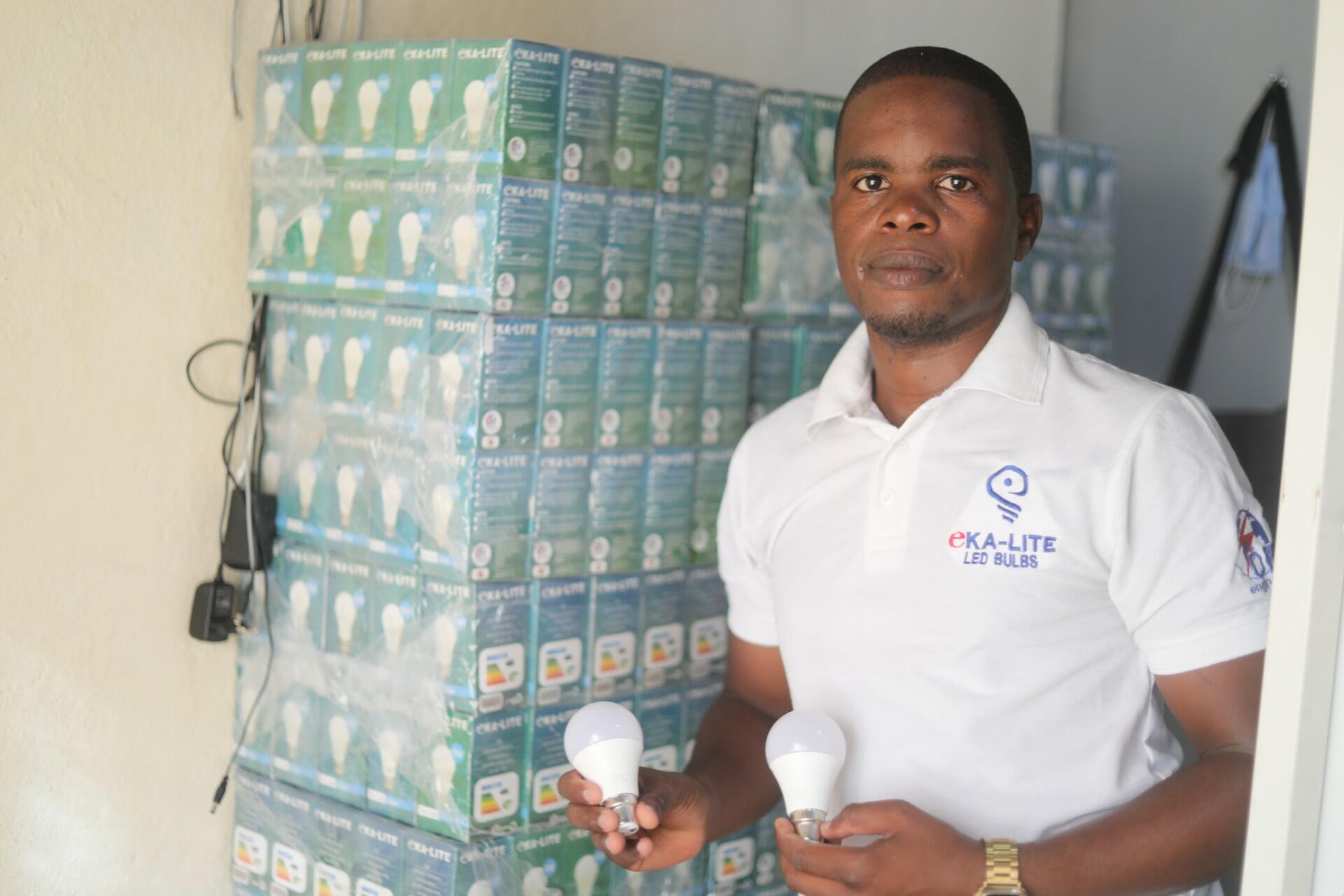
Daniel Kwizombe, founder of DEK Engineering, is one of the entrepreneurs supported by the BA4Y project.
Rethinking Impact
This visit reshaped how I view development. Metrics like disbursement rates or job numbers are useful, but they miss the broader picture: entrepreneurs becoming anchors in their communities, creating jobs, transferring skills, and building resilience.
BA4Y’s true impact lies in its systems approach combining finance with mentorship, market access, and capacity building. To date, the project has disbursed grants of $2,500 each to 200 startups, provided technical assistance valued at $10,000 each to 60 SMEs, and awarded larger grants, up to $75,000 to 26 SMEs. These investments are not just numbers on a ledger; they represent hundreds of livelihoods sustained and entrepreneurial ecosystems strengthened across Malawi. The project has helped startups and SMEs to expand their businesses, increase their revenue as well as create more employment opportunities especially for youth, proving that targeted interventions can catalyze broader economic transformation.
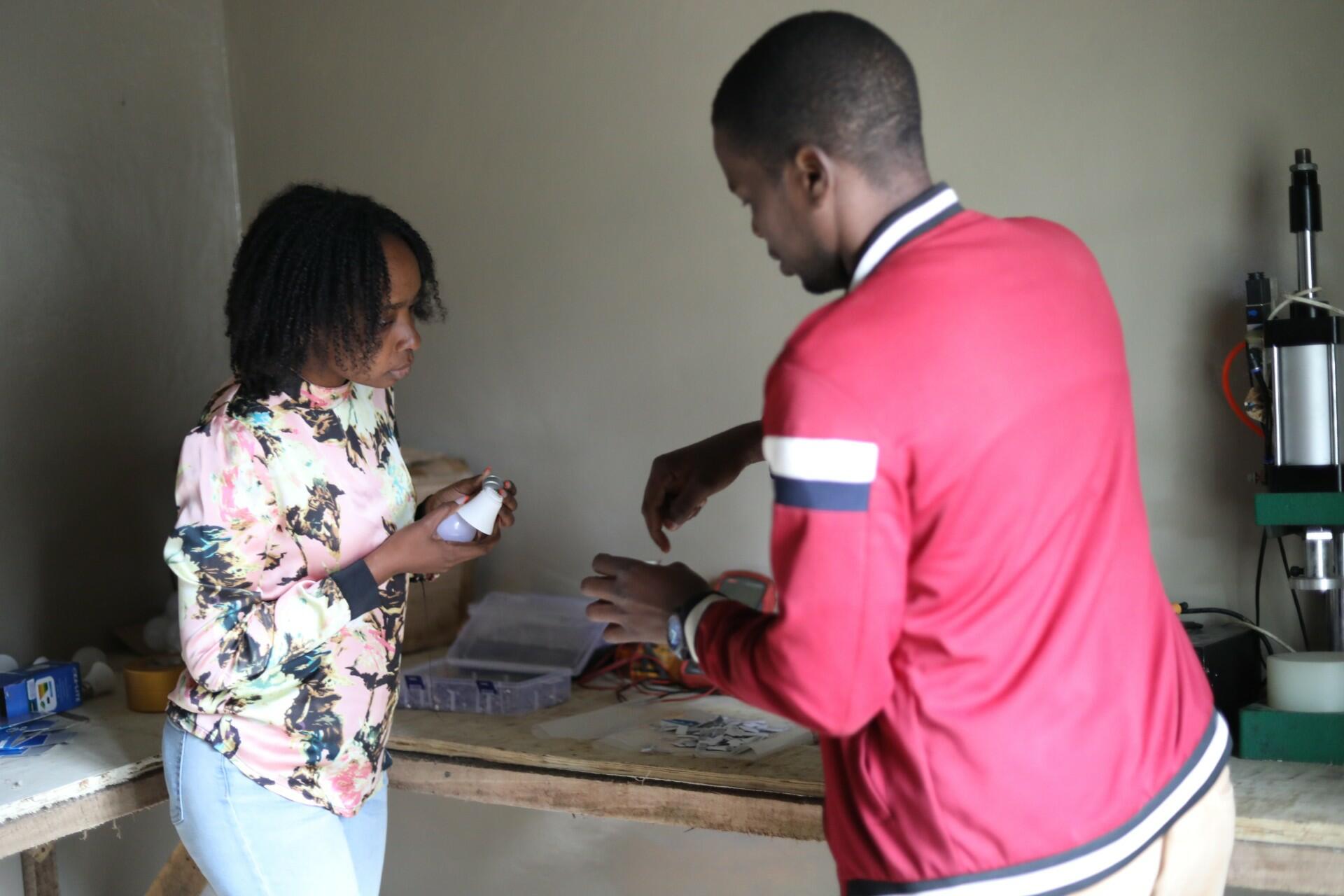
Daniel shows Esther, the Alliance Grant Analyst, how he assembles his bulbs.
Looking Forward: Seeds of Transformation
As I returned to Kenya, I carried a renewed appreciation for the complexity of development. Malawi’s young entrepreneurs are not merely running businesses; they are modelling what sustainable growth in constrained environments can look like. The BA4Y project implemented by the Alliance demonstrates that with the right support, entrepreneurs regardless of economic sector can turn constraints into opportunities and reshape the economic trajectory of their communities and their country.