Blog Types of soil: the complete guide to every soil type

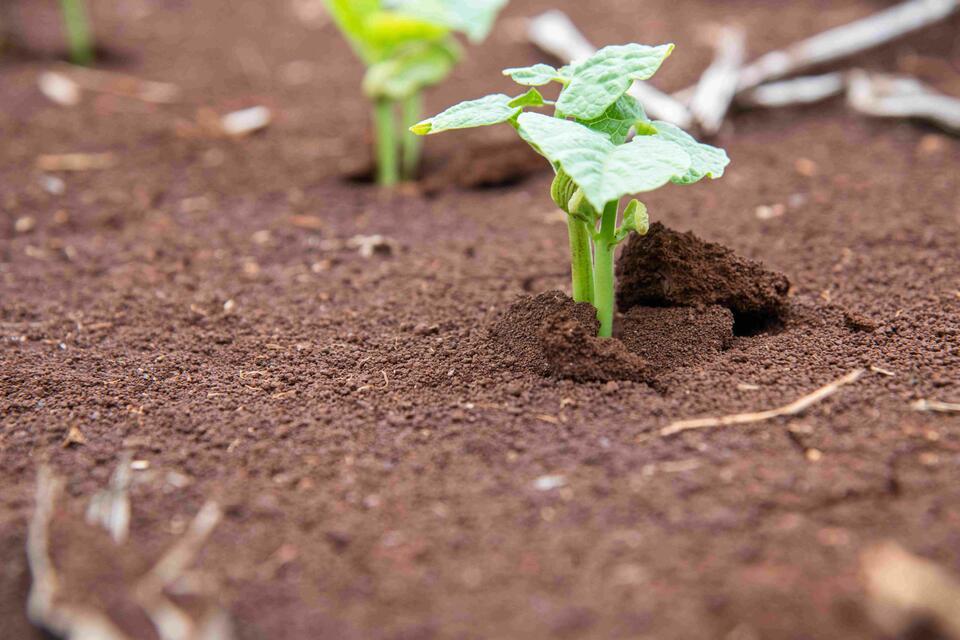
Walk across a farm, a forest, and a riverbank in the same afternoon, and you will likely be standing on three completely different soils, each with its own texture, drainage pattern, and ability to grow food. Soil is not one uniform substance. It is a living, layered system that varies enormously from place to place, and understanding those differences matters for anyone who gardens, farms, builds, or simply wants to understand the ground beneath their feet.
This guide covers what soil actually is, how soil types are classified, a breakdown of every major soil type by texture, and why matching the right soil to the right crop or use makes such a difference.
What is soil?
Soil is the loose layer of mineral and organic material covering the Earth's surface, formed over long periods through the weathering of rock combined with the accumulation of decomposed plant and animal matter. It is made up of mineral particles, organic matter, water, air, and a vast community of living organisms, from earthworms and fungi to bacteria, all interacting to support plant growth and cycle nutrients.
Soil forms through five main factors: parent material (the rock or sediment it develops from), climate, living organisms, topography, and time. Depending on how these factors combine, soil can take thousands of years to form just a few centimeters of usable topsoil, which is part of why soil is generally treated as a finite, slow to renew resource rather than something that can be replaced quickly once lost.
It is worth distinguishing soil from dirt, a distinction soil scientists take seriously even if the words are used interchangeably in everyday speech. Dirt is typically considered soil that has been displaced from its natural ecological context, such as what collects on your shoes, while soil refers to the living system still functioning in place.
How soil types are classified
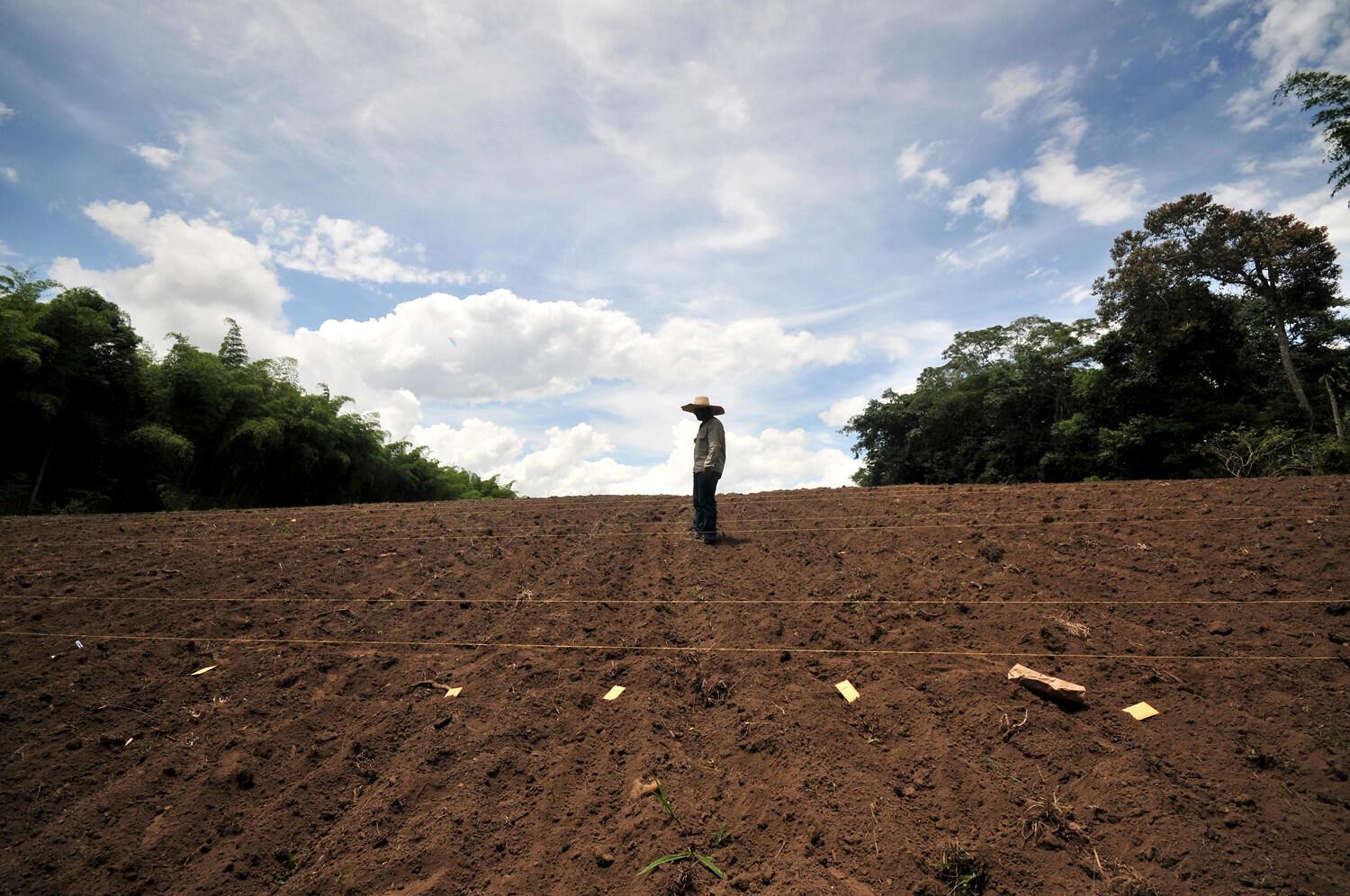
Soil types are generally classified in two different ways, and understanding both helps make sense of how soil scientists, farmers, and gardeners talk about the ground beneath them.
The first and most used system classifies soil by texture, based on the relative proportions of sand, silt, and clay particles it contains. This is the classification system most gardeners and farmers rely on day to day, since it directly affects drainage, nutrient retention, and how easy soil is to work.
The second system classifies soil by soil order, a more formal scientific approach used in frameworks like the United States Department of Agriculture's Soil Taxonomy. Soil orders group soils based on their overall profile, degree of weathering, and the environmental conditions under which they formed, offering a broader picture of how soil varies across entire regions and climates.
Both systems matter. Texture tells you what a handful of soil will feel and behave like. Soil order tells you the deeper story of how that soil came to be, and what long term characteristics it is likely to have.
The 6 main types of soil (by texture)
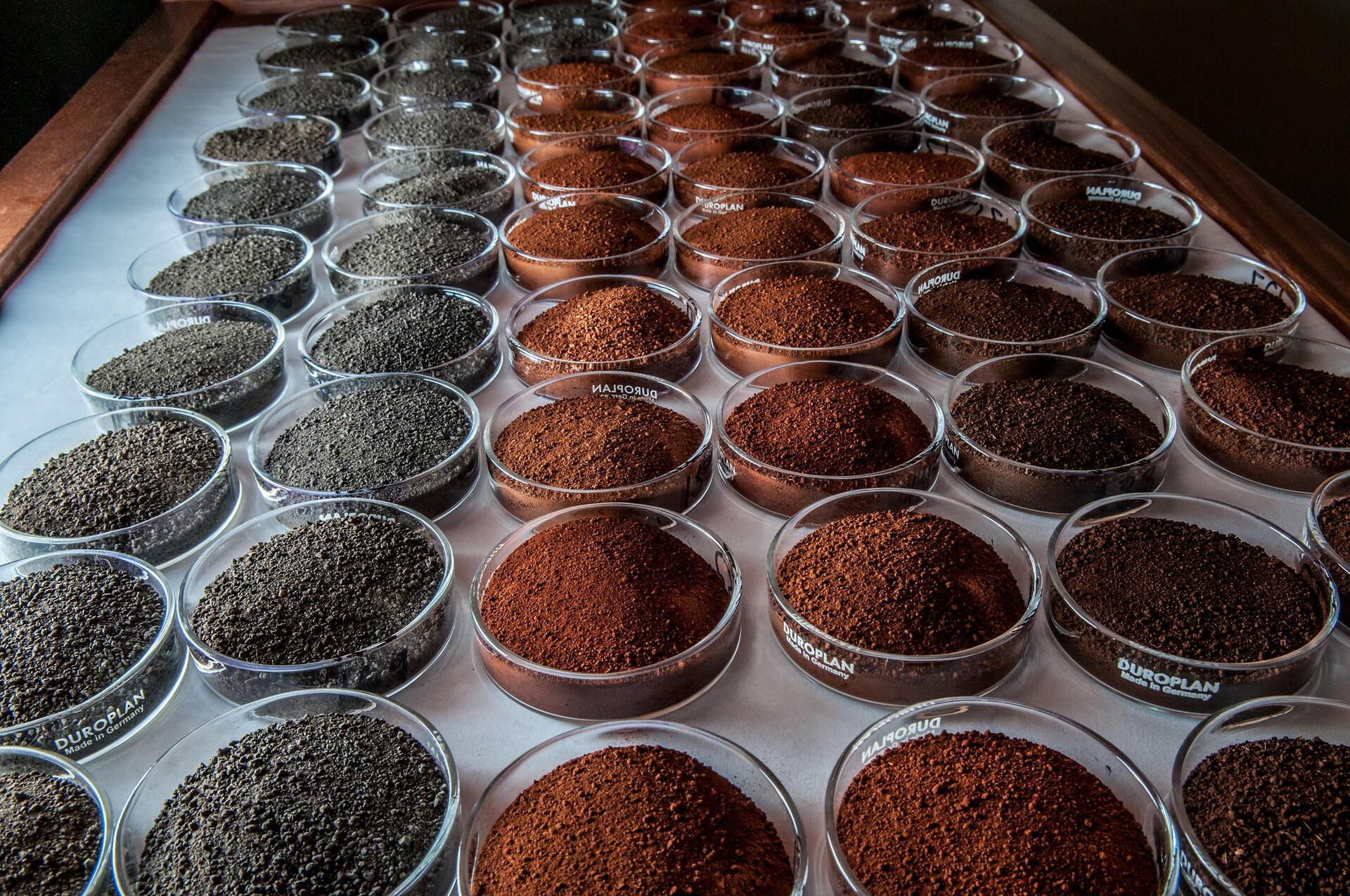
These are the six types of soil most commonly referenced in gardening and agriculture, each defined by its particle size and structure.
Sandy soil
Sandy soil has large, coarse particles and feels gritty to the touch. It drains extremely quickly, which helps prevent waterlogging but also means nutrients wash away fast and the soil dries out easily. Sandy soil warms up quickly in spring, making it useful for early plantings, and works well for crops like carrots, radishes, and other root vegetables that prefer loose, well drained conditions.
Silty soil
Silty soil has medium sized particles, smaller than sand but larger than clay, and has a smooth, almost floury texture when dry. It holds moisture and nutrients better than sandy soil while still draining reasonably well, making it one of the more fertile soil types. Silty soil is prone to compaction, however, and can erode easily if left uncovered on sloped land.
Clay soil
Clay soil has the smallest particles of any soil type, packed tightly together, which gives it excellent nutrient and water retention but poor drainage. It becomes sticky and heavy when wet and can crack and harden when dry. Clay soil is often rich in nutrients, but its density makes root penetration difficult for some plants, and it benefits significantly from added organic matter to improve structure.
Loamy soil
Loamy soil is a balanced mixture of sand, silt, and clay, generally considered the ideal soil type for most agriculture and gardening. It retains moisture and nutrients well while still draining adequately, and its crumbly structure allows roots to spread easily. Most staple food crops, from vegetables to grains, perform best in loamy soil, which is part of why regions with naturally loamy soils tend to become major agricultural areas.
Peaty soil
Peaty soil forms in waterlogged, low oxygen conditions where organic matter decomposes very slowly, resulting in a dark, spongy soil rich in organic content. It holds water exceptionally well and is naturally acidic, which suits certain crops but requires lime amendments for others. Peaty soils store significant amounts of carbon, making them ecologically important beyond their agricultural uses.
Chalky soil
Chalky soil forms over limestone or chalk bedrock and tends to be alkaline, often shallow, and stony. It drains quickly and can be low in certain nutrients, particularly iron and manganese, which sometimes causes yellowing in sensitive plants. Chalky soil suits crops and plants that tolerate alkaline conditions well, such as spinach and certain cereal varieties.
Major soil orders and where they are found
Beyond texture, soil scientists classify soils into broader categories called orders, based on formal criteria detailed in the United States Department of Agriculture's Twelve Orders of Soil Taxonomy. A few globally significant orders illustrate how much soil varies by region:
- Oxisols are heavily weathered, nutrient poor soils common throughout tropical regions, including much of the Amazon basin. Despite supporting some of the most biodiverse ecosystems on Earth, Oxisols often require careful management to sustain agriculture, since most nutrients in tropical forests are stored in the vegetation rather than the soil itself.
- Ultisols are widespread in the humid tropics. They are strongly weathered, acidic soils with low nutrient availability but are generally less weathered than Oxisols. They are common throughout tropical forests and savannas.
- Aridisols form in dry, desert environments and are characterized by low organic matter and limited water availability, making them challenging for conventional agriculture without irrigation.
- Alfisols are common in tropical savannas and seasonally dry tropical regions. Compared with Oxisols and Ultisols, they are generally more fertile and are often important for agriculture
- Vertisols are clay rich soils that expand and contract dramatically with moisture changes, forming deep cracks when dry. They are found in parts of Africa, India, and Australia and can be highly fertile when managed with practices suited to their unique shrink swell behavior.
How soil type affects plant growth and agriculture
Soil type has a direct and often decisive influence on what can be grown, how well it grows, and how much intervention a field needs to stay productive.
Drainage and water retention determine how much irrigation a crop needs and how vulnerable it is to both drought stress and waterlogging. Nutrient retention affects how frequently fertilizer needs to be applied, since sandy soils lose nutrients quickly while clay and loamy soils hold onto them longer. Root development depends heavily on soil structure, with compacted clay soils restricting root growth for many crops while loose sandy soils may fail to anchor plants securely.
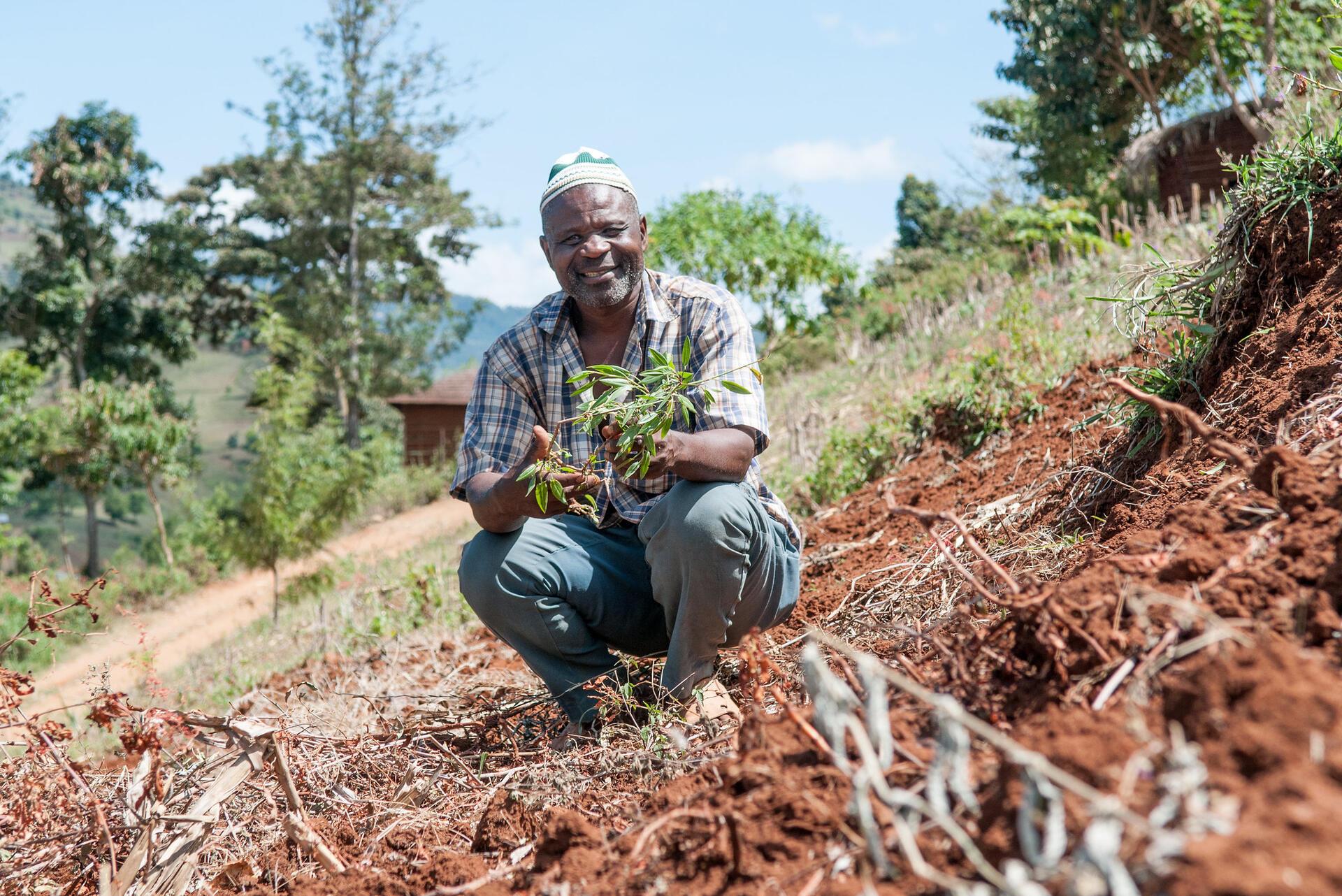
This is why matching crop selection to soil type, rather than trying to force a mismatched combination through heavy irrigation or fertilizer use, tends to produce more resilient and sustainable results. Cassava, for example, tolerates poorer, more acidic soils better than many staple crops, which is part of why it has become such an important food security crop across parts of Africa, Asia, and Latin America. Beans and tropical forages likewise have their own soil preferences that shape where they are grown successfully.
Research from the Alliance of Bioversity International and CIAT's multifunctional landscapes work focuses on exactly this challenge, studying how soil health interacts with crop choice, land management, and climate pressures across smallholder farming systems. The Alliance also documents this work through its soil health stories, covering everything from soil erosion prevention efforts in Africa to agroecological practices that help rebuild degraded farmland.
Because soil and crop genetics are so closely linked, this work often connects back to the Alliance's agrobiodiversity research, which studies how genetic variation within crops like beans and cassava allows some varieties to perform far better than others in poor or marginal soils. Conserving that variation matters directly for soil constrained farming regions, which is part of why genebanks such as Future Seeds maintain such large collections of crop diversity, including varieties specifically adapted to challenging soil conditions. Further technical findings on soil management and land degradation are available through the Alliance's multifunctional landscapes publications.
How to test and identify your soil type
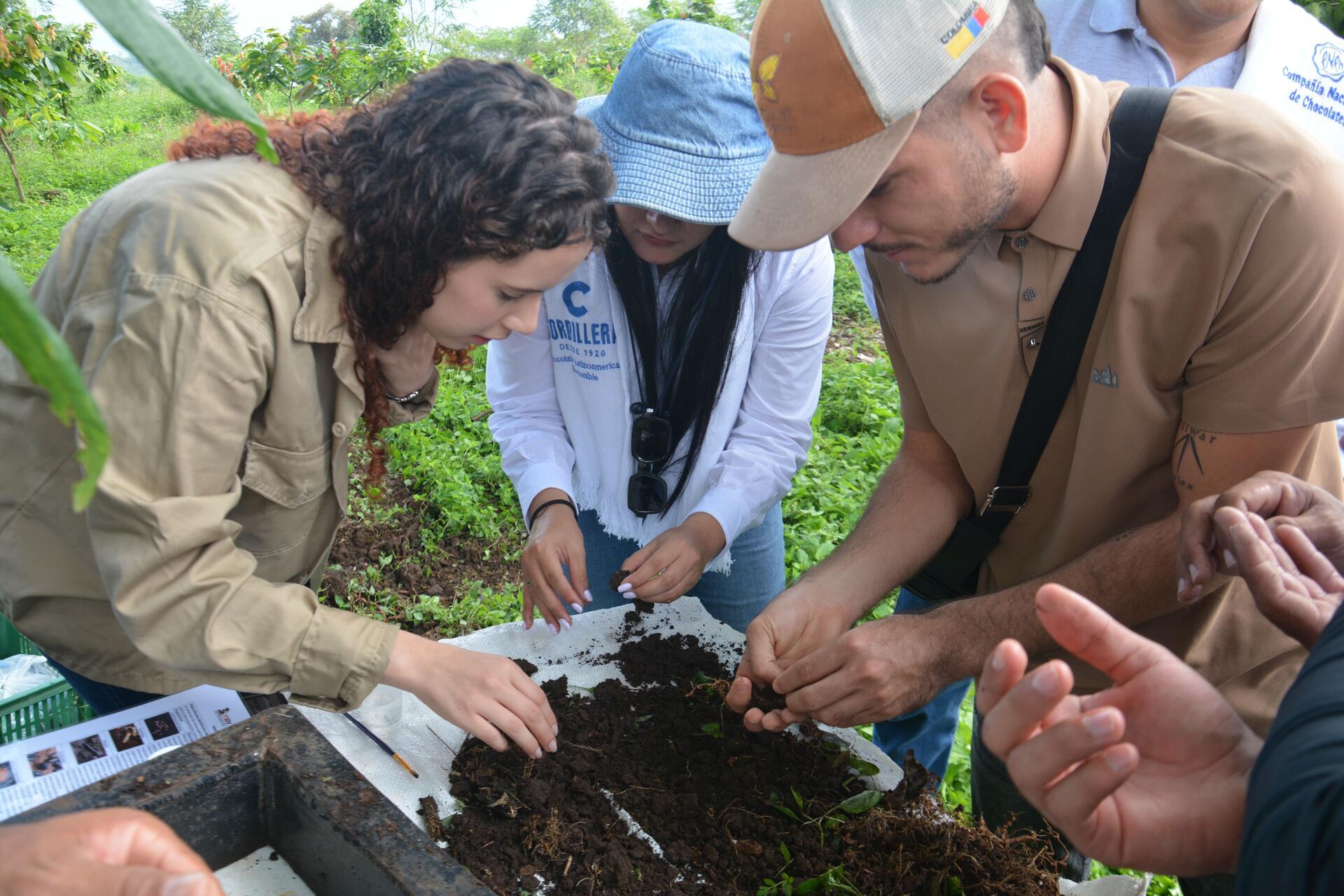
Identifying soil type does not always require a laboratory. A few simple methods can give a reasonably accurate picture.
- The jar test involves filling a clear jar about a third full of soil, adding water, shaking it thoroughly, and letting it settle for 24 hours. Sand settles first at the bottom, silt forms a middle layer, and clay settles last on top, allowing you to estimate the ratio visually.
- The ribbon test involves moistening a small handful of soil and squeezing it between your thumb and forefinger to form a ribbon. Sandy soil will not hold together, silty soil forms a short ribbon that breaks easily, and clay soil forms a long, smooth ribbon that holds its shape.
- pH testing using an inexpensive kit or meter reveals whether soil is acidic, neutral, or alkaline, which affects nutrient availability regardless of texture.
- Laboratory testing through a university extension office or agricultural lab provides the most detailed picture, including nutrient levels, organic matter content, and precise texture analysis. In the United States, the NRCS Soil Texture Calculator and the Web Soil Survey offer free, detailed soil data for most counties.
How to improve poor soil
Regardless of soil type, most soils benefit from a similar set of improvement strategies over time.
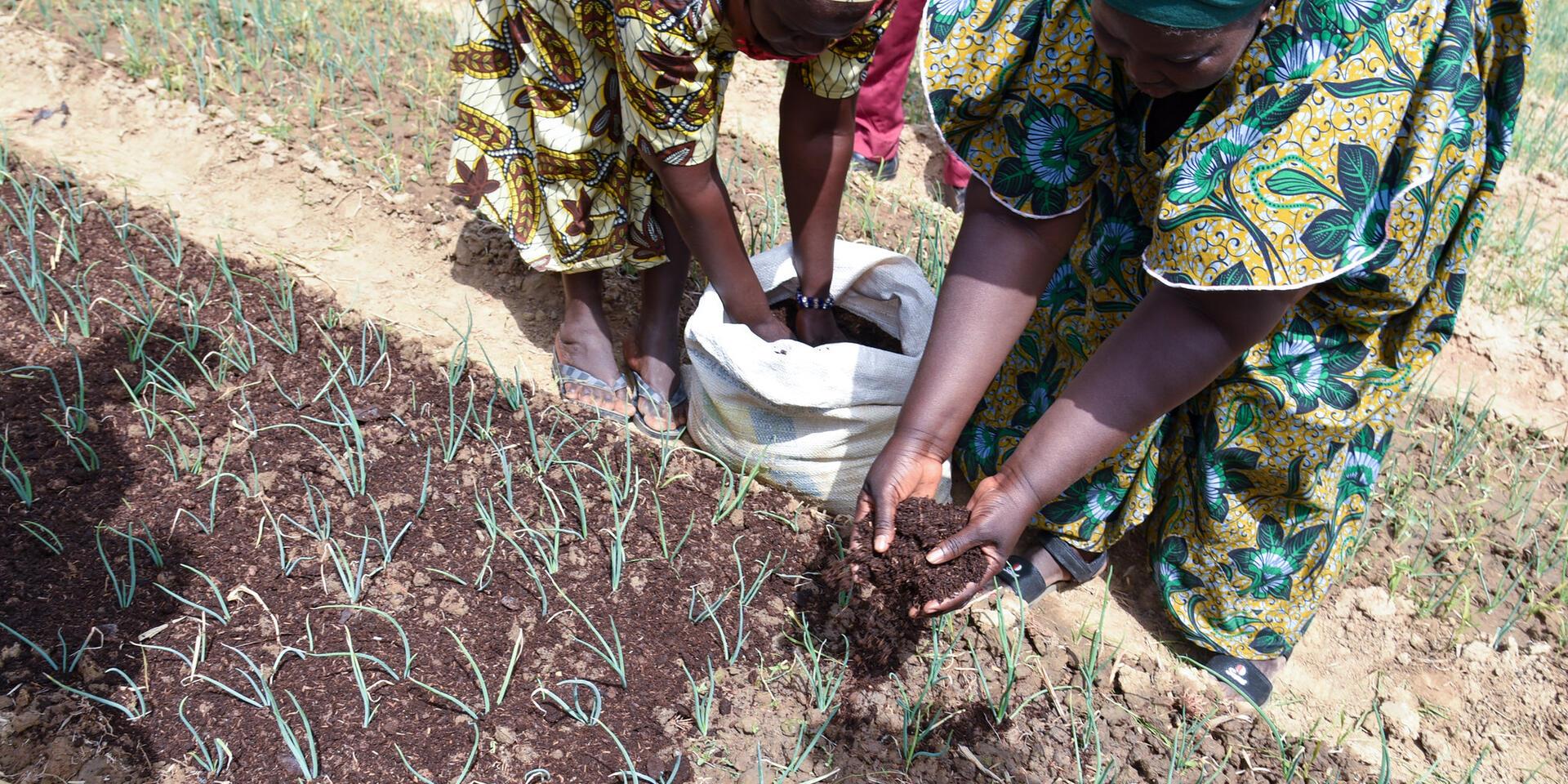
- Add organic matter, such as compost or well-rotted manure, which improves structure in both sandy soils, by helping them retain moisture, and clay soils, by improving drainage
- Use cover crops during off seasons to prevent erosion, add organic matter, and improve soil biology
- Apply mulch to regulate soil temperature, retain moisture, and gradually break down into organic matter
- Avoid compaction by minimizing heavy machinery use on wet soil, reducing unnecessary tillage, and excessive livestock trampling
- Rotate crops to prevent nutrient depletion and interrupt pest and disease cycles tied to specific plant families
- Lab analysis send a sample to a extension office or agricultural lab to know the balance of minerals and nutrients that currently the soil has, and apply the proper amendments.
These practices form the foundation of sustainable soil management, and they apply whether you are managing a backyard garden or a smallholder farm working to rebuild degraded land.
Soil degradation and why it's a global concern
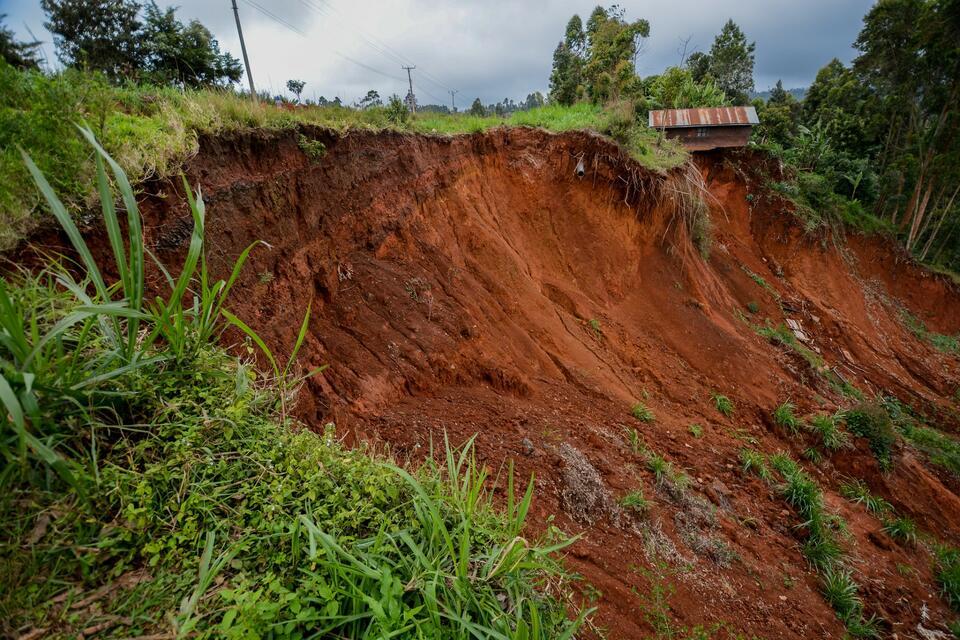
Soil degradation has become one of the most pressing, if underappreciated, environmental issues worldwide. According to the Food and Agriculture Organization of the United Nations, approximately a third of the planet's soils are already moderately to highly degraded due to erosion, nutrient depletion, salinization, and unsustainable agricultural practices, a trend documented in detail through the Global Soil Partnership, a multi stakeholder initiative coordinated by FAO. The comprehensive Status of the World's Soil Resources report further details how soil erosion alone strips away tens of billions of tonnes of productive land every year.
This matters because soil degradation directly threatens food security, water quality, and climate stability. Degraded soils hold less carbon, support fewer crops, and require more fertilizer and irrigation to produce the same yields, creating a cycle that becomes more expensive and less sustainable over time. Reversing this trend requires the same soil health practices used at the farm level, applied consistently across entire landscapes and supported by long term agricultural policy.
FAQs about soil types
1. What is the best soil type for growing vegetables?
Loamy soil is generally considered the best all around soil type for vegetables, thanks to its balanced drainage and nutrient retention, though many vegetables can be grown successfully in other soil types with the right amendments.
2. Can soil type change over time?
The underlying mineral texture of soil changes very slowly, over centuries, but soil structure, fertility, and organic matter content can shift significantly within just a few growing seasons depending on how the land is managed.
3. What is the difference between soil and dirt?
Soil refers to the living system in its natural context, complete with organic matter and biological activity, while dirt typically refers to soil that has been removed from that context, such as what accumulates on tools or clothing.
4. How do I know if my soil is acidic or alkaline?
A simple pH testing kit, widely available at garden centers, can measure this directly, but a laboratory soil test can provide a more precise reading along with nutrient analysis.
5. Does soil type affect how much water a garden needs?
Yes, significantly. Sandy soil requires more frequent watering due to fast drainage, while clay soil requires less frequent but deeper watering since it holds moisture longer and drains slowly.
Conclusion
Soil type shapes nearly everything that grows, from a backyard vegetable patch to the staple crops that feed entire regions. Understanding what soil is, how it is classified, and how each type behaves gives farmers, gardeners, and researchers a clearer foundation for working with the land rather than against it.
The Alliance of Bioversity International and CIAT continues to study how soil health, carbon sequestration and crop diversity intersect, helping smallholder farmers build more resilient, productive systems even on challenging soils.