Blog Give thanks, share joy, grow hope: A tree donation this holiday season can change a farmer’s future

Most holiday gifts have a short life. The wrapping is in the recycling bin by noon, and the gadget is in a drawer by spring. A tree is different. A tree planted this season can still be growing a decade from now, holding soil in place, shading crops and, on the right farm, helping a family earn a living.
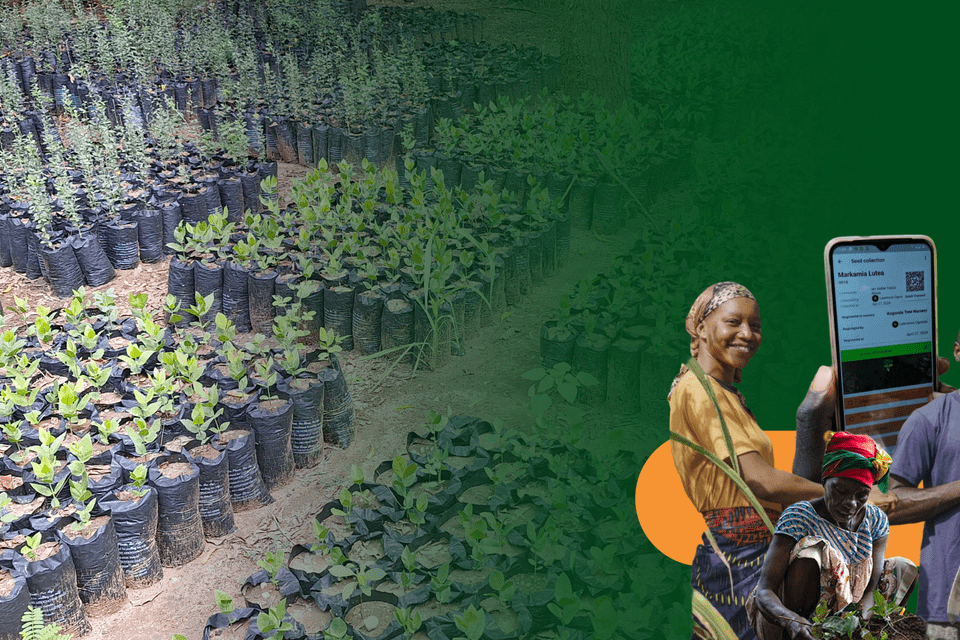
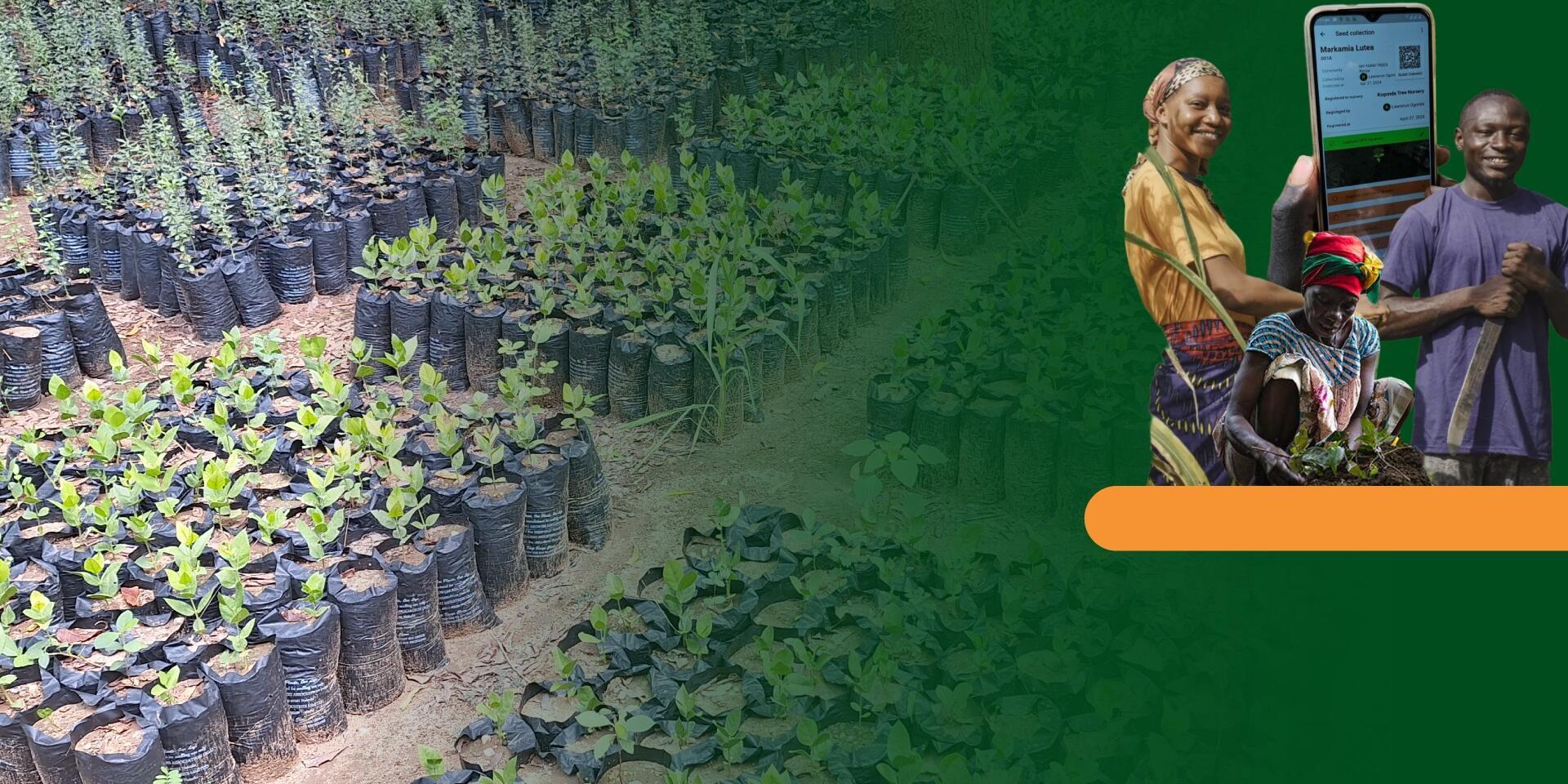
That is the idea behind this season’s tree donation campaign for MyFarmTrees, an initiative of the Alliance of Bioversity International and CIAT. Your gift helps smallholder farmers in western Kenya plant native, science-selected trees on degraded land. Every tree is recorded and verified on blockchain, so what gets planted is what you can trust is growing.
Gratitude is easy to feel and harder to put to work. If you are planning holiday giving, whether Thanksgiving, Christmas, or end-of-year donations, a tree donation is one way to do it: a gift that supports farmers, restores land and keeps growing long after the holidays.
Give this Thanksgiving
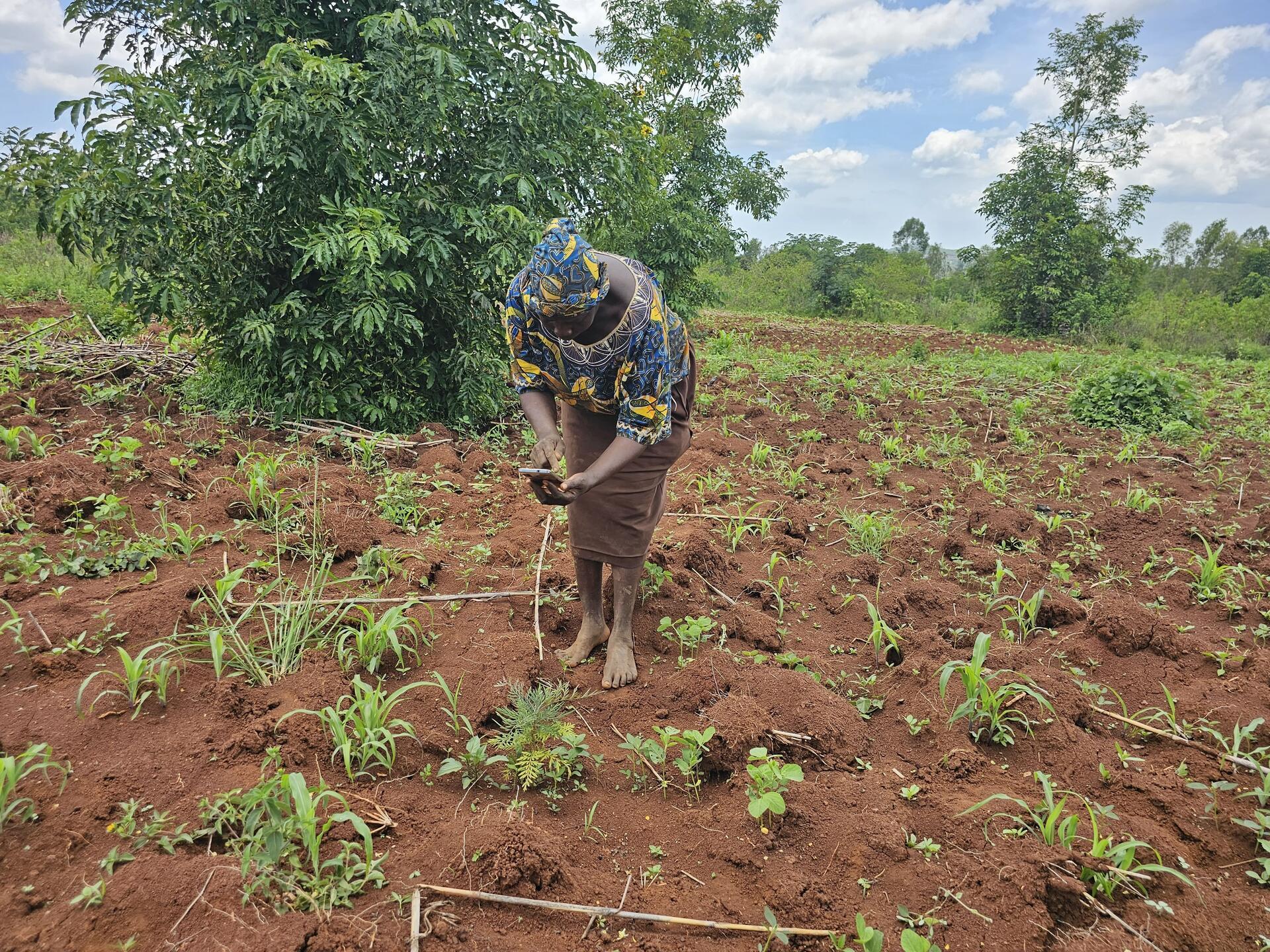
Say thank you to the farmers behind every meal. A tree donation turns gratitude into a gift that grows.
Gifts start at $10. A $50 gift plants 20 native, blockchain-verified trees.
Why a tree donation is more than a gift to nature
Forests, farms and families are connected more tightly than most holiday shopping lists suggest. The UN Food and Agriculture Organization reports that the world still loses about 10.9 million hectares of forest to deforestation a year, an improvement on the 17.6 million hectares a year lost in the 1990s but still far too high (FAO, Global Forest Resources Assessment 2025).
Beyond forests, the UN Convention to Combat Desertification estimates that up to 40% of the planet’s land is degraded, directly affecting about half of humanity (UNCCD, Global Land Outlook).
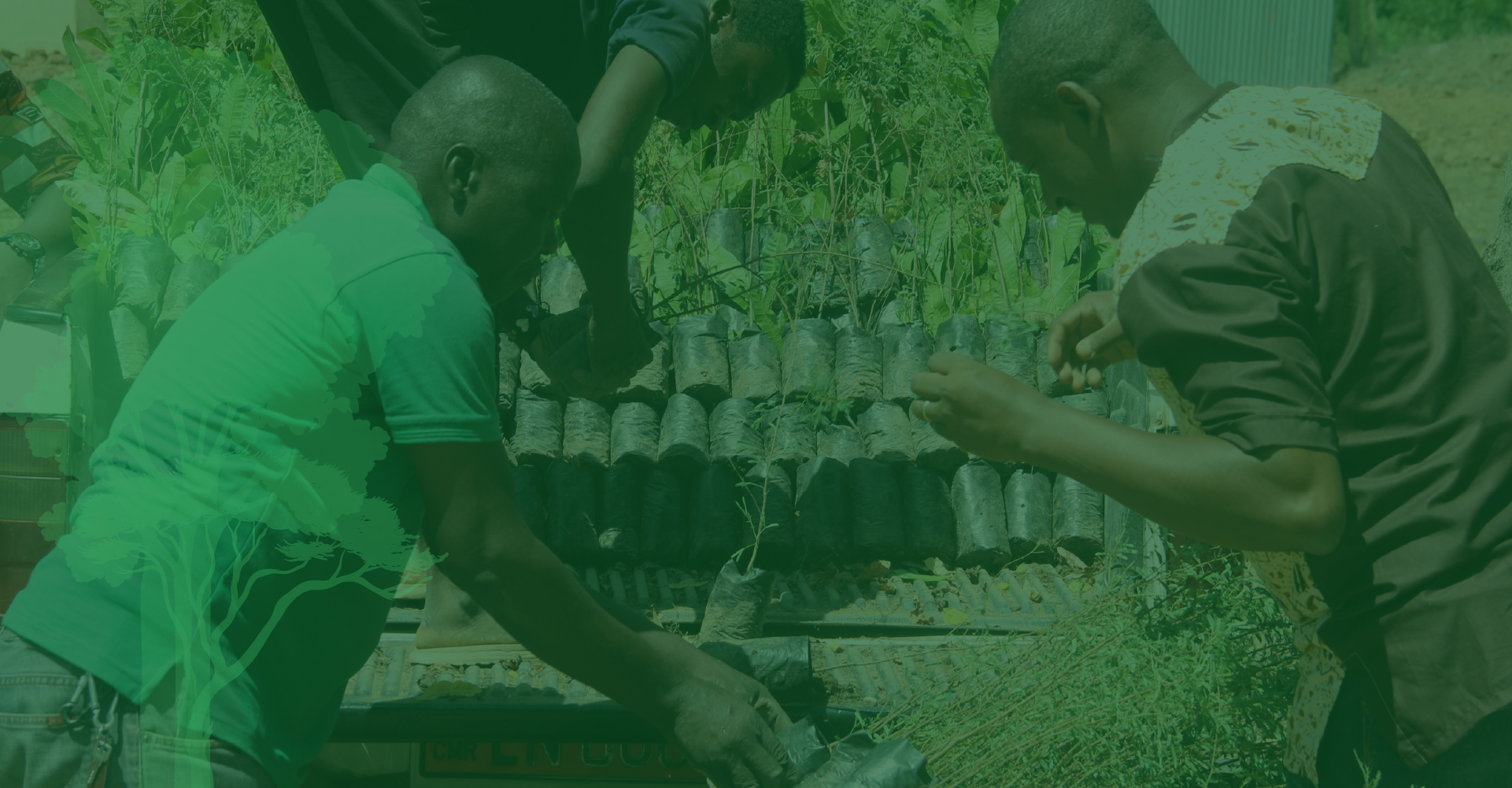
For a smallholder farmer, degraded land means thinner soil, less water, smaller harvests and fewer ways to cope when the weather turns. Planted well, trees protect soil, provide fruit, fodder and firewood, and can create new income. Siaya County in western Kenya shows the gap: its tree cover is about 5%, against about 12% nationally, ranking 44th among Kenya’s 47 counties. Read the Siaya story.
That is why the question that matters is not only “how many trees?” but “who plants them, and who benefits?”

How a tree becomes a roof and a water tank
MyFarmTrees pays farmers for the trees they plant and care for, and the payments arrive digitally on their phones. What farmers do with that money is the heart of the story. Both accounts below come from our report on the impact of the MyFarmTrees project, where you can meet more farmers.
- Alice Anyango is a widow and the sole provider for her family. For years she lived in fear that her aging house would collapse, but every competing need made rebuilding impossible. Her first incentive payment of KES 48,000 (about $373) bought construction stones and sand, plus a deposit on cement. She is hopeful that her next payment will let construction begin and end that fear.
Joseph Ouma put water first. A farmer in Siaya County, he used KES 29,000 (about $225) in incentive payments to buy piping and a water tank. “I now have ample water, which I use to irrigate my trees,” he says, a small loop in which the incentive strengthens both his livelihood and the trees.
How MyFarmTrees works: farmers lead, science guides, blockchain verifies
MyFarmTrees is not a conventional tree-planting charity. It is farmer-led, with smallholder farmers and communities doing the restoration themselves, and it plants the right trees: more than 60 native species selected with science and local knowledge to suit each landscape and support farmers’ livelihoods.
A donation becomes a verified tree in three steps:
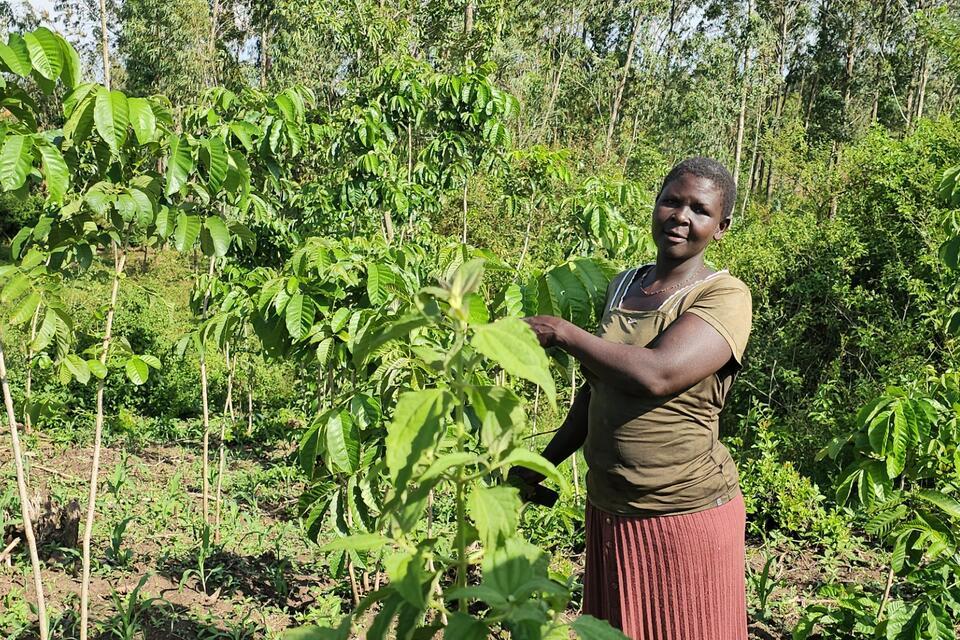
- Farmer plants. Trained smallholder farmers in Kenya plant native trees.
App documents. Each tree is recorded in the MyFarmTrees mobile app, with GPS location, species, date and farmer details.
Blockchain verifies. The record is written to a blockchain, a tamper-proof chain of evidence from seed collection to measured tree growth.
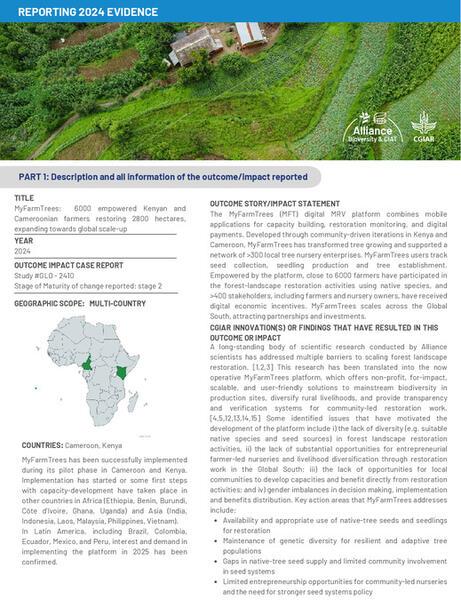
The model is also built to be inclusive, bringing in women, youth and marginalized groups. It is funded by the Global Environment Facility, implemented by IUCN, supported by the Darwin Initiative and executed by the Alliance, and it has been recognized as an Earthshot nominee. The same approach is now at work in Cameroon. Learn more in MyFarmTrees in Cameroon, Tree Tech: Growing a More Resilient Future and the Alliance’s research on equitable distribution of benefits in restoration.


Donate to plant trees: what your gift supports
Here is what your holiday donation plants.
Your donation | Trees planted |
|---|---|
$10 | 4 trees |
$50 | 20 trees |
$100 | 40 trees |
$500 | 200 trees |
$1,000 | 400 trees |
Your donation helps smallholder farmers in Siaya, Kisumu and Vihiga counties in western Kenya plant native trees on degraded land. Farmers receive direct, secure digital payments on their phones, along with in-kind support such as seedlings and local monitoring work. Funds are channeled to MyFarmTrees through Bioversity International USA, the charitable arm of the Alliance.
MyFarmTrees impact to date
Farmers supported
Native Trees Planted
Paid directly to Farmers (USD)
$50 plants 20 native, blockchain-verified trees and puts money directly in a farmer’s hands.
Support Farmers & Restore Landscapes →
Common questions about donating trees
1. How much does it cost to donate trees?
Gifts start at $10, which plants 4 trees. A $50 gift plants 20 trees, and a $1,000 gift plants 400. You can give any amount that suits you.
2. Is a tree donation tax-deductible?
Gifts made online by December 31 at 11:59 p.m. are tax-deductible for the current tax year, and you will automatically receive an official tax-deductible receipt by email right after donating. Tax rules vary by country and personal situation, so please check with your own tax advisor.
3. Where are the trees planted?
This campaign supports smallholder farmers in Siaya, Kisumu and Vihiga counties in western Kenya. MyFarmTrees also works in Cameroon.
4. How do I know the trees actually grow?
Each tree is recorded in the MyFarmTrees mobile app at planting, including GPS location, species, date and farmer details. The record is written to a blockchain, creating a tamper-proof chain of evidence from seed collection to measured tree growth.
5. Is a tree donation a good Christmas gift?
For many people, yes. It supports a farming family and a restored landscape, and it lets you honor someone without adding to their clutter.
This holiday season, help grow trees and futures
A tree is a small thing. But on the right farm, planted by a farmer who is trained, supported and paid fairly, it becomes a roof, a water tank, and a school fee. Many donors tell the person they are honoring that a tree gift has been made in their name, and write it in a card or message. Thank you for whatever you decide to give.
Can’t give this season? You can still help by sharing the campaign with #GrowFutures.
A $50 gift plants 20 native, blockchain-verified trees.
Gifts made online by December 31 at 11:59 p.m. are tax-deductible for the current tax year.