Blog Tanzania advances seed digitization with the Research Business Management System

Tanzania has taken a major step toward modernizing its agricultural research and seed system with the coming in of the Research Business Management System (RBMS): a centralized digital platform designed to organize, standardize, and manage breeder data, seed catalogues, research outputs, and project workflows.
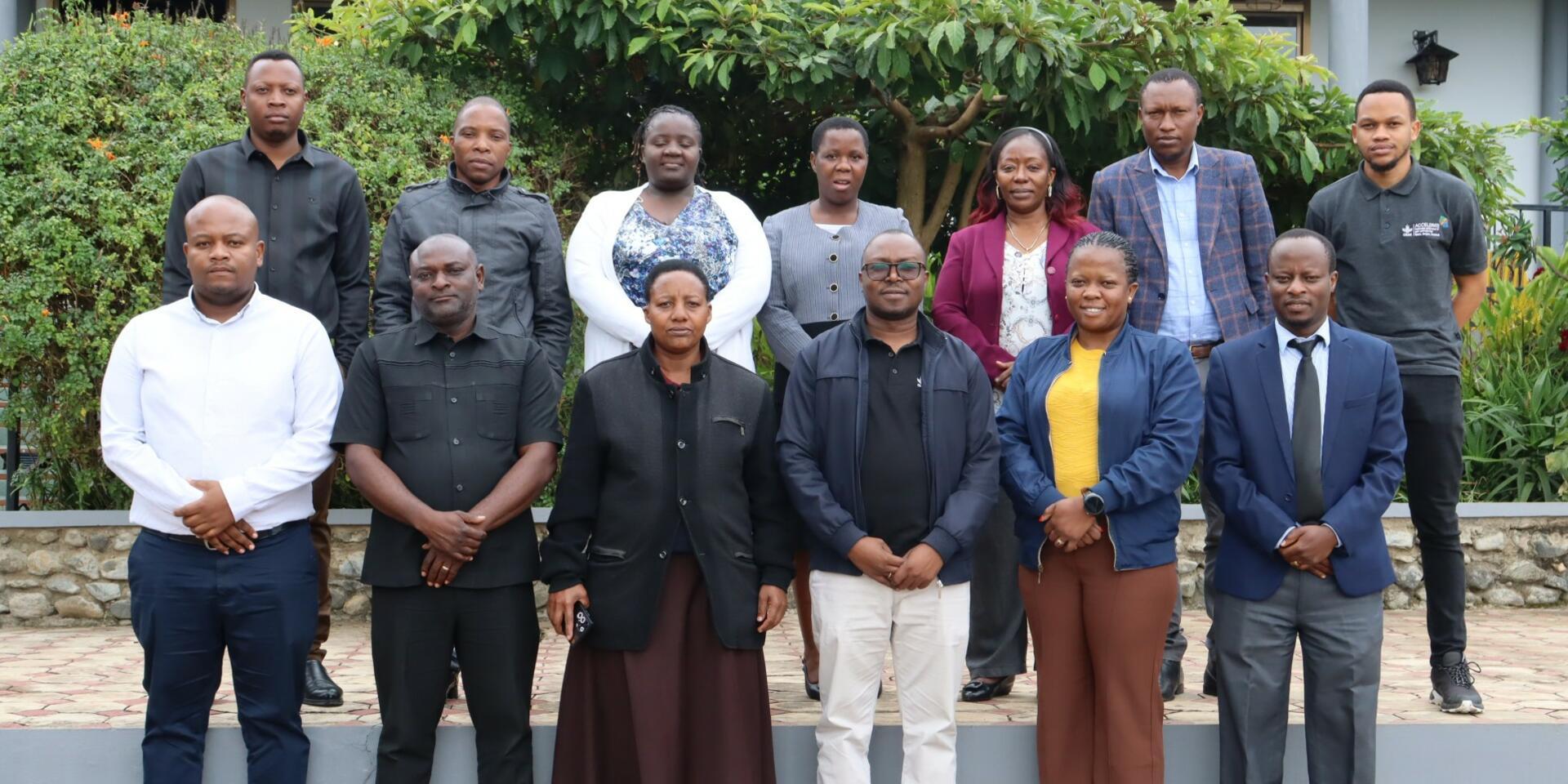
The initiative was formally introduced during an inception meeting held in Arusha, bringing together the Tanzania Agricultural Research Institute (TARI), the Alliance of Bioversity International and CIAT, and the International Maize and Wheat Improvement Center (CIMMYT) under the Accelerated Varietal Adoption and Turnover for Open-Pollinated Varieties (ACCELERATE) and Accelerated Varietal Improvement and Seed Systems in Africa (AVISA) projects. The system aims to address long-standing inefficiencies in data management and improve the delivery of high-quality, traceable seed varieties to farmers across the country.
The inception meeting gathered TARI Selian leadership led by Centre Director Dr. Caresma Chuwa, crop leads and plant breeders from TARI research stations nationwide, information technology experts, Alliance scientists and CIMMYT representatives led by Dr. Papia Binagwa. Participants met to align on the RBMS’s purpose, technical architecture, scope, and implementation plan, while also clarifying roles and responsibilities among institutions involved in its development and rollout.
In her opening remarks, Dr. Chuwa emphasized the urgency of strengthening the seed system to better serve farmers. She noted that farmers themselves recognize the difference between traditional seed varieties and improved ones developed through research institutions, underscoring the need for quality assurance and traceability. She stressed that TARI’s mandate is to ensure farmers have access to reliable, improved seed varieties that meet national quality standards and contribute to food security.
“Farmers were once asked about the difference between traditional seed varieties and improved ones. They said the traditional seeds do not meet quality standards, but those developed under TARI in collaboration with the Alliance were seen to meet the standards. Our main goal is to serve the farmers,” she said.
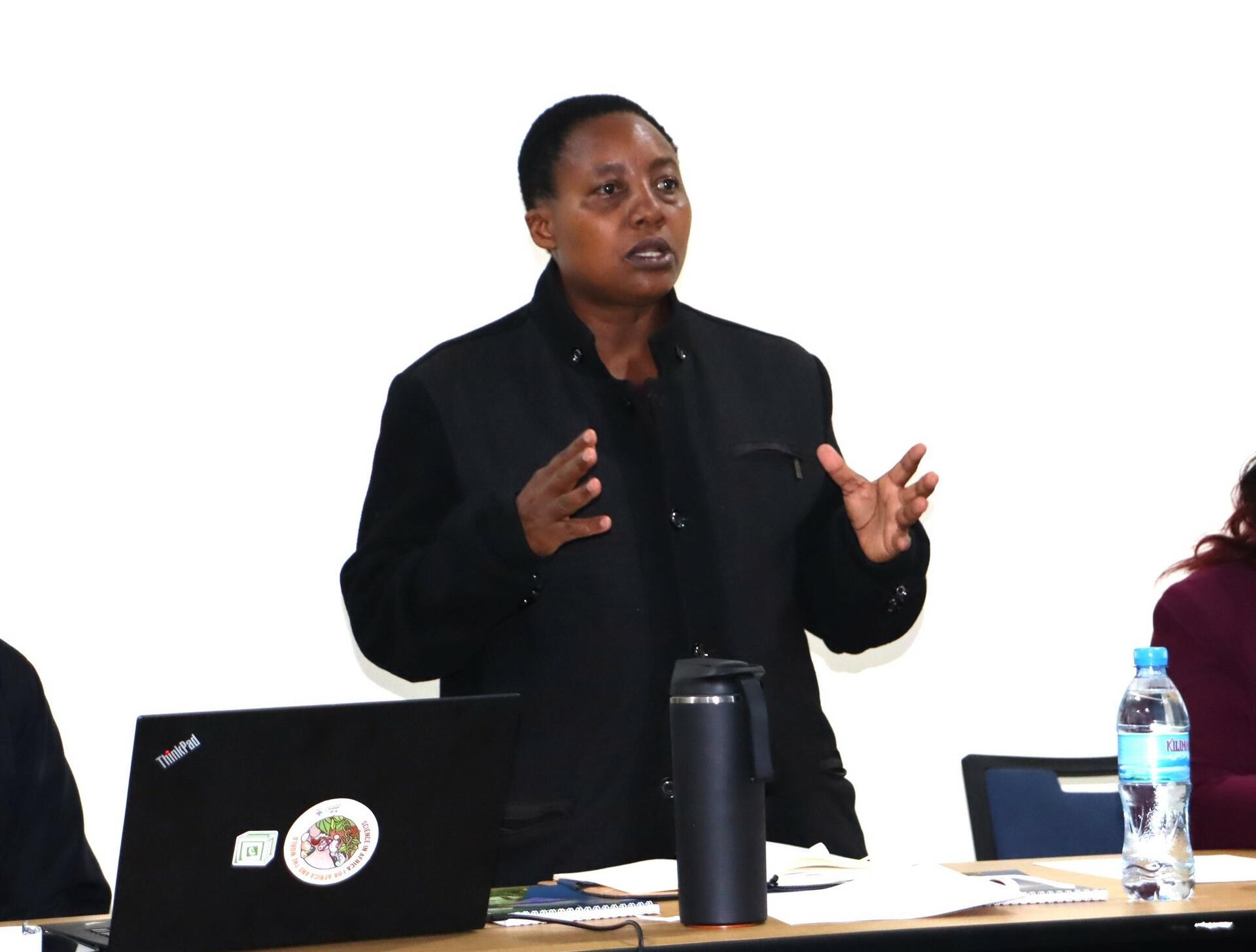
Dr. Chuwa, TARI Selian Center Director, captured during the inception meeting.
Why is this important?
With financial support from the Gates Foundation, the RBMS is being developed in response to systemic challenges currently facing Tanzania’s seed research and delivery system. These include fragmented data storage across departments and stations, reliance on manual record-keeping, limited scalability, weak system integration, and increasing demands related to compliance, reporting, and audits. These constraints have slowed decision-making, complicated coordination among stakeholders, and hindered the efficient transfer of technologies from research institutions to seed companies and farmers.