Blog Strengthening Ghana’s circular economy innovation ecosystem for climate-resilient agriculture
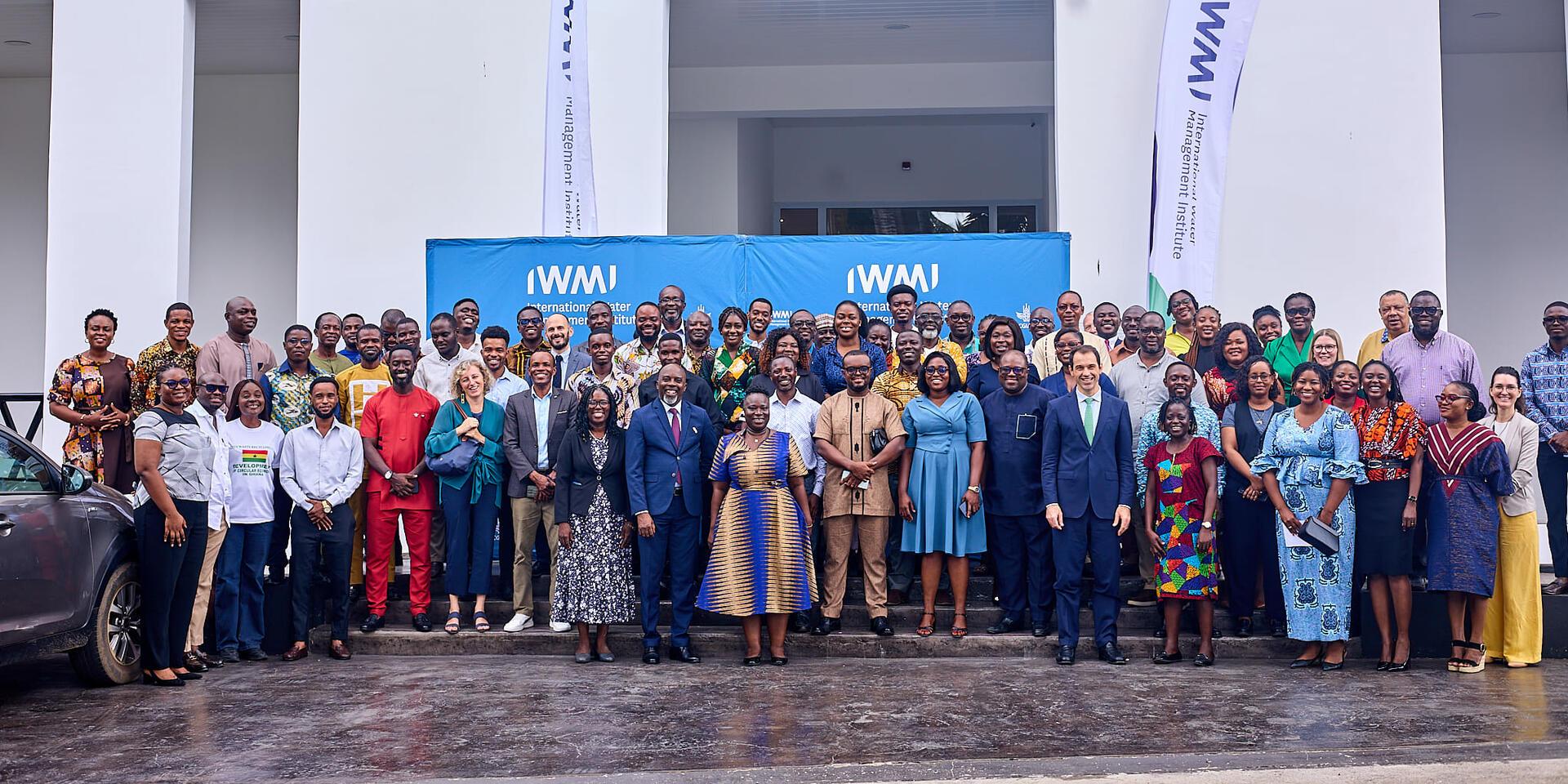

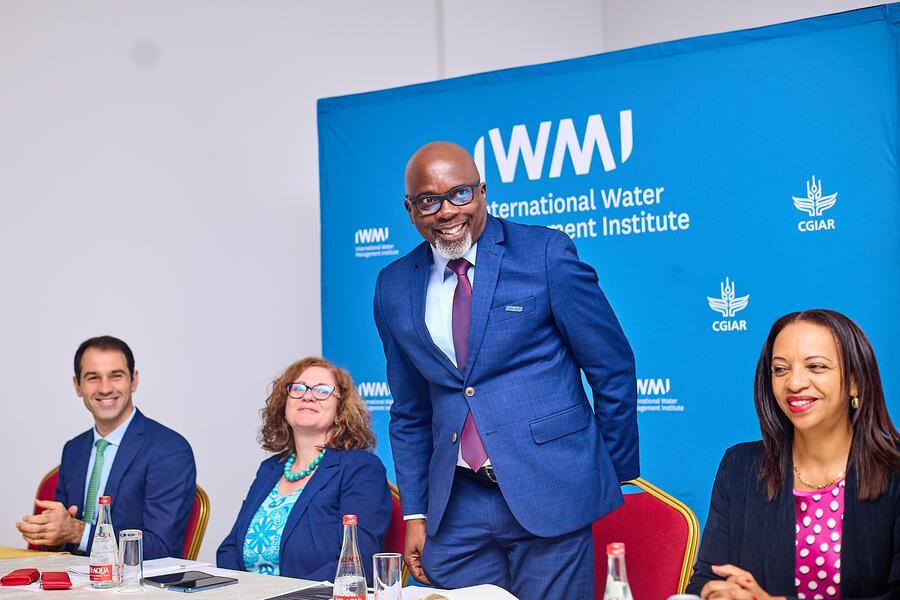
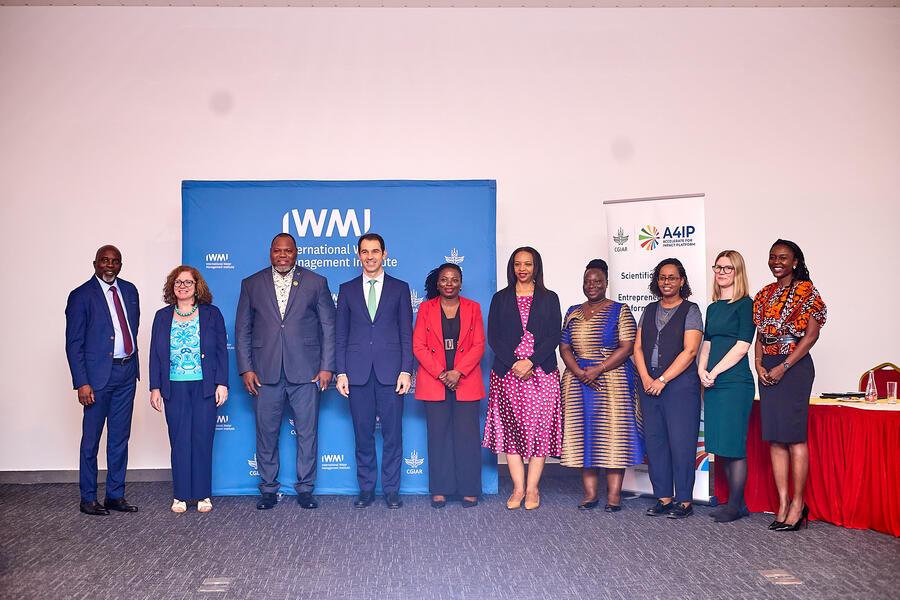
On November 27, 2025, over 100 experts gathered in Accra for the CircularEconomy4Ghana Consultation Workshop: a high-level event exploring how circular economy principles can drive sustainable growth in Ghana’s agricultural sector.
Organized by the International Water Management Institute (IWMI) with support from the Multifunctional Landscapes and Food Frontiers & Security Science Programs, the Alliance of Bioversity International and CIAT through the Accelerate for Impact Platform (A4IP), and the Circular Bioeconomy Innovation Hub in collaboration with the African Development Bank (AfDB), the workshop brought together leading researchers, private sector actors, policymakers, farmer representatives, and investors to identify locally grounded priorities and pathways for scaling circular solutions.
Ghana’s circular economy landscape is rapidly evolving, driven by urgent needs and significant untapped potential. The country generates over 12,700 tonnes of waste per day, of which 61% is organic, presenting major opportunities for compost production, biofertilizers, bioenergy, and new circular enterprises. With agriculture employing 50% of the population and contributing 20–30% to national GDP, circular solutions offer powerful pathways to reduce post-harvest losses, restore soils, and close nutrient loops. At the same time, Ghana has one of West Africa’s strongest digital ecosystems—57% mobile internet penetration, a fast-growing mobile-money market, and a dynamic network of startups and accelerators—creating fertile ground for circular agri-innovations.
Opening remarks: Unlocking Ghana’s potential
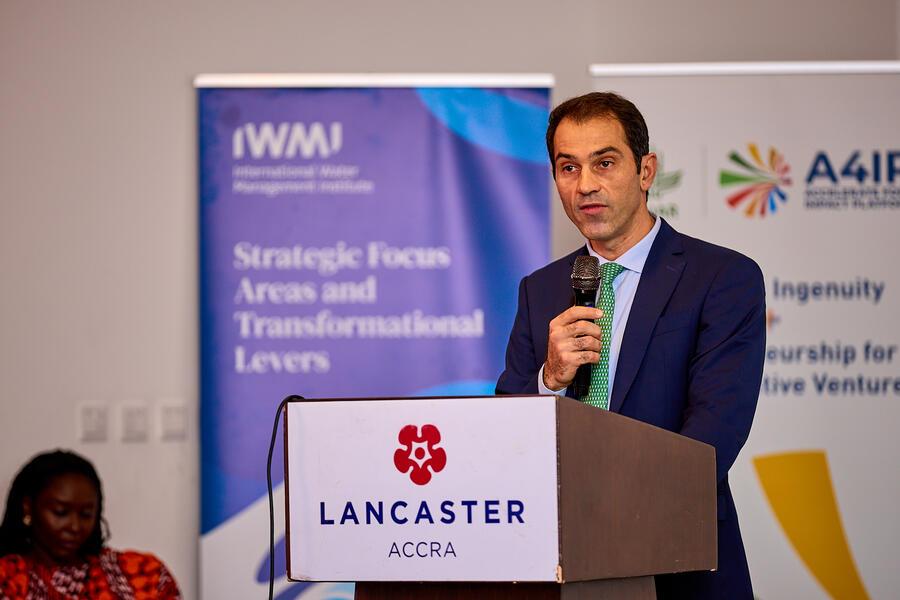
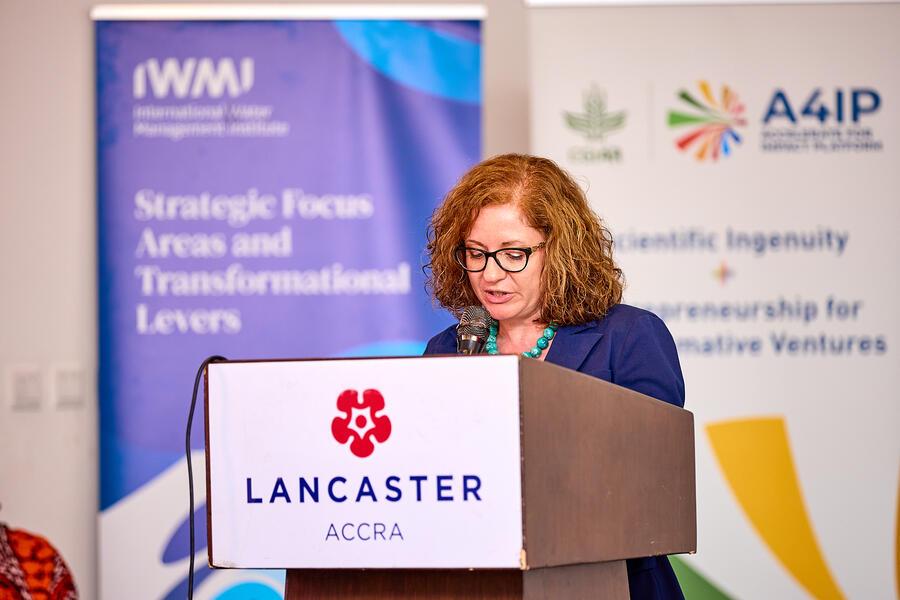
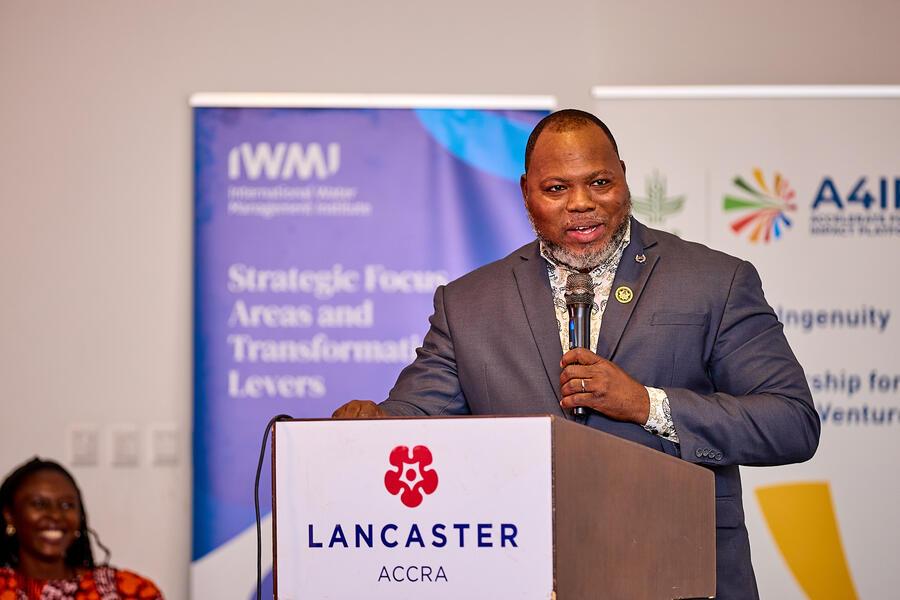
Prof. Kehinde Olufunso Ogunjobi and Gianpiero Menza opened the workshop by highlighting CGIAR’s commitment to sustainable agriculture, digital innovation, and circular bioeconomy models in Ghana. They emphasized that with strong scientific institutions, a vibrant innovation ecosystem, and thousands of tonnes of organic waste generated daily,
“Ghana is uniquely positioned to lead in circular agri-innovation and turn challenges into market-ready solutions.”
They also underscored the momentum created by prior initiatives, such as IWMI’s 20+ validated waste-to-value business models, while noting that only 6% of public climate finance globally targets circular food systems, highlighting the need to bridge the investment gap. The African Development Bank highlighted a previously run initiative to strengthen digital readiness in Ghana, build innovation capacity, and foster cross-sector collaboration, paving the way for long-term impact.
Watch the recording of the event
Identifying the gaps and enablers for circular agri-Innovation in Ghana
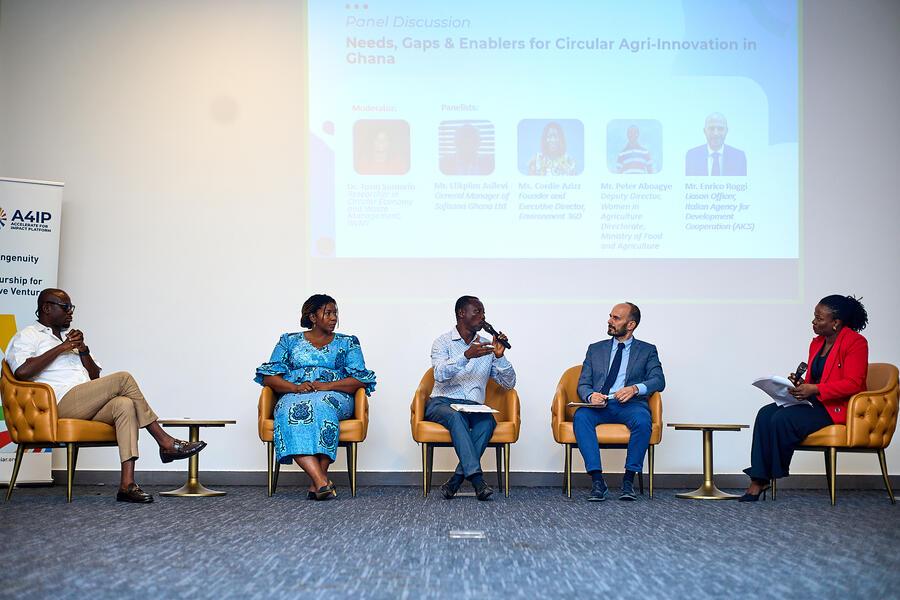
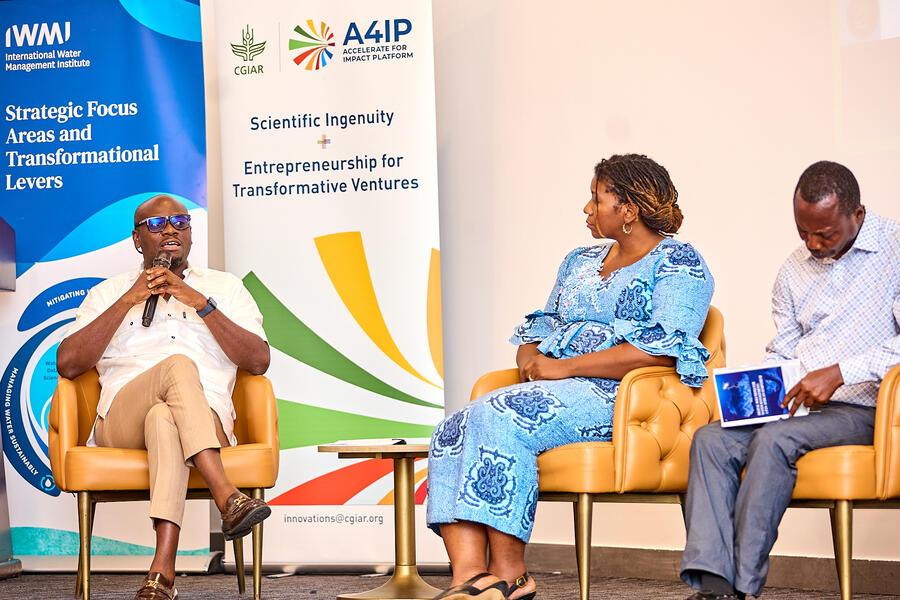
Moderated by Dr. Tosin Somorin of IWMI, a high-level panel brought together experts from government, the private sector, and NGOs to discuss the needs, gaps, and enablers for advancing circular economy initiatives in Ghana and West Africa. Panelists included Mr. Peter Aboagye (Ministry of Food and Agriculture), Mr. Elikplim Asilevi (Safisana), Ms. Cordie Azizz (Environment360), and Mr. Enrico Roggi (Italian Agency for Development Cooperation).
Participants highlighted opportunities in sustainable and organic production, biochar, composting, and biogas, while pointing to challenges such as high upfront costs, inadequate infrastructure, financing gaps—particularly for women entrepreneurs—and lack of coordination across actors. Successful models rely on partnerships, digital agriculture, climate finance, and community engagement.
Experts emphasized the need for value chain assessments by commodity and sector, embedding circular economy plans into national development frameworks, and leveraging private-sector involvement beyond CSR to accelerate impact. Capacity-building and training were identified as critical to scaling climate-smart technologies and circular solutions effectively.
"We need value chain assessment, according to commodities and sectors, to measure the positive impact of circular economy." — Dr. Tosin Somorin
Breakout sessions: Dynamic multi-stakeholder dialogue in action
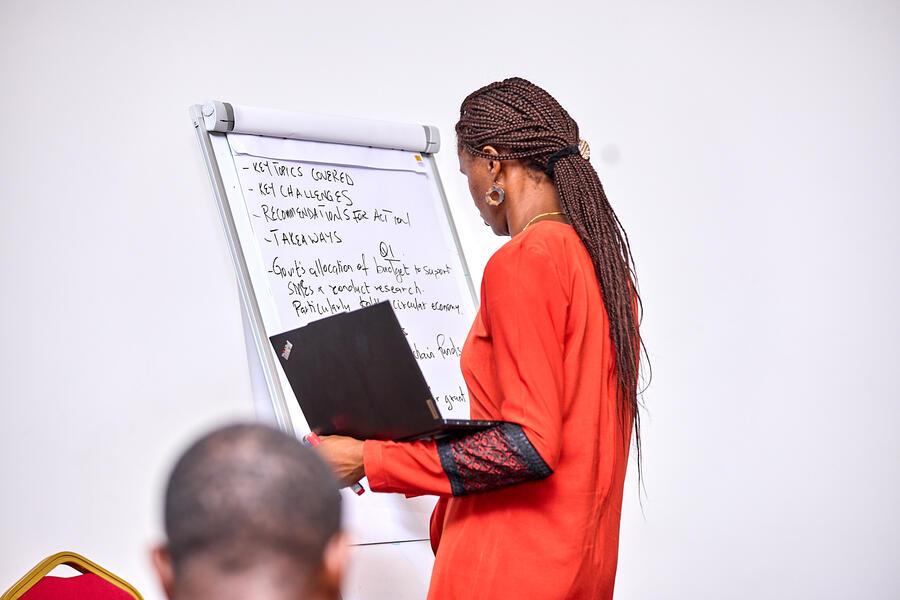
The breakout sessions proved to be one of the most energizing parts of the workshop. Participants from government, private sector, farmer organizations, research institutes, development agencies, and the innovation ecosystem engaged in vivid and highly productive discussions across all three thematic areas: Priority Challenges and Local Needs, Finance and Market Opportunities, and Scaling Pathways and Partnerships. Rotating moderators guided each group through focused conversations that surfaced grounded insights, clarified local priorities, and highlighted actionable opportunities for collaboration. Despite the diverse backgrounds in each group, or perhaps because of them, the exchanges were dynamic and constructive—reflecting a shared commitment to shaping practical, context-driven pathways for accelerating circular innovation within Ghana’s agri-food system.
Fireside chat: Financing and scaling circular agri-innovation in Ghana
During the fireside chat, Mr. Gamelli Adzaho (RISA Fund) and Ms. Peace Afi Voegborlo (Financial Consultant) highlighted the persistent challenge of financing early-stage innovators. With Ghana’s venture capital ecosystem still emerging, many agrifood and circular-economy solutions—often highly R&D intensive—struggle to secure funding from commercial banks, which perceive them as high-risk.
The discussion emphasized the importance of grants as a critical first step, complemented by credit-guarantee schemes, concessional loans, and angel investors who can provide both capital and mentorship. Strengthening partnerships between banks, investors, and research institutions was seen as essential to de-risk innovation, accelerate research commercialization, and build a supportive environment for startups.
Watch the highlights video
Closing reflections and next steps
The workshop concluded with a strong message: there are already many circular economy initiatives happening in Ghana, but scaling its impact requires rethinking how we finance it. Instead of being a bottleneck, finance must become a catalyst, opening doors to stronger partnerships and more resilient business models.
Achieving this will demand coordinated action across local institutions, international partners, and the private sector. Only by working together can Ghana fully unlock its circular economy potential and build a sustainable, inclusive future for agriculture, communities, and the environment.
A Consultation Report will now inform the design of the CircularEconomy4Ghana Innovation project, including the selection of priority challenges and the key partnership pathways needed to address them.
Interested in collaborating? Contact [email protected]